Industrial CT non-destructive testing is the judgment of internal defects, structural defects, physics and composition of the product under the original state and performance of the workpiece without destroying or changing the raw materials.
EmailMore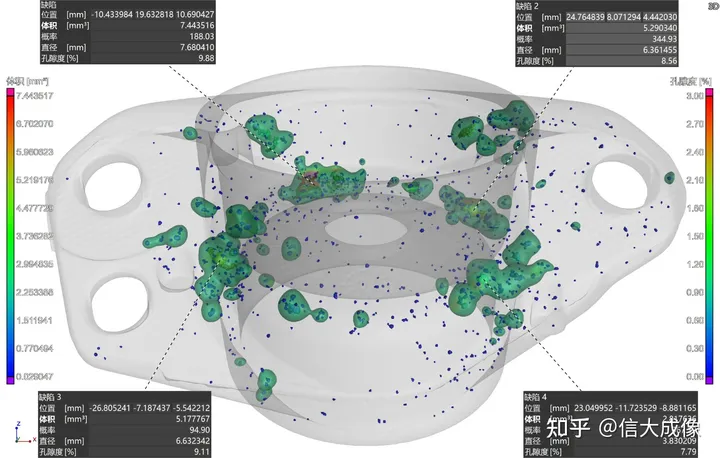
Micro-ct technology has significant advantages in the characterization of ceramics, which can reveal the composite structure inside the material without damage, and restore the key technology in the production of ceramics.
EmailMore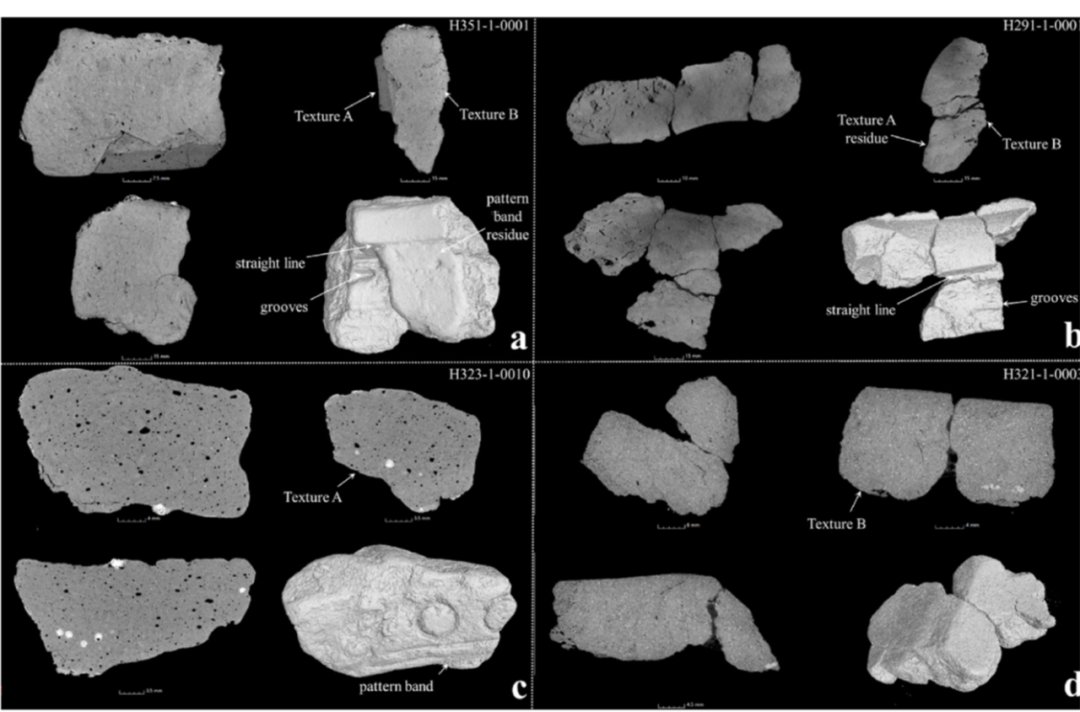
Due to the different crystallization conditions, the particles of powder drug samples will have different morphologies.
EmailMore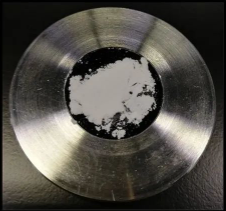
Researchers at the synchrotron radiation facility SPring-8 at the RIKEN Research Institute in Japan and their collaborators have developed a faster and simpler way to perform segmentation analysis, an important process in materials science.
EmailMore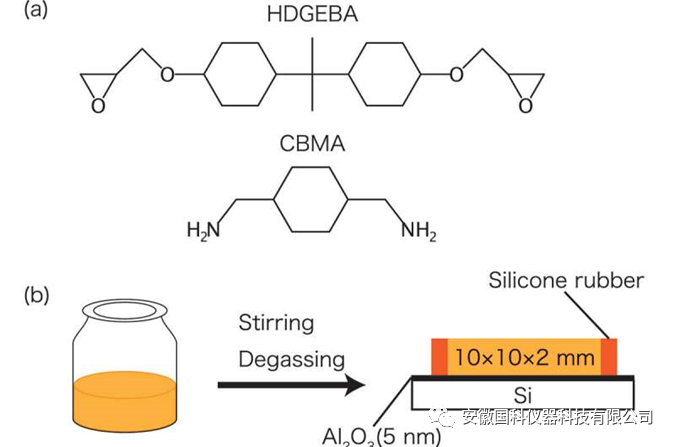
Researchers have developed an X-ray imaging technique that produces detailed images of organisms at much lower X-ray doses than previously possible.
EmailMore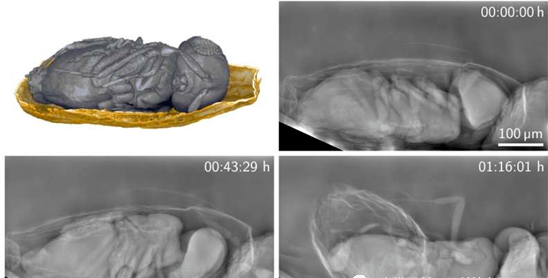
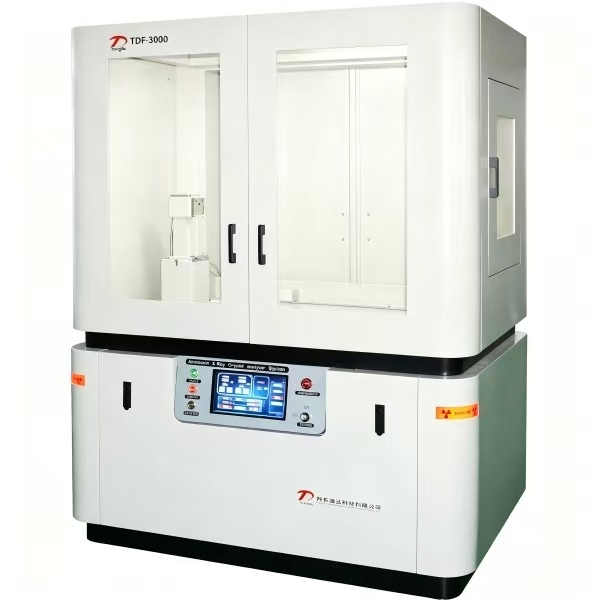
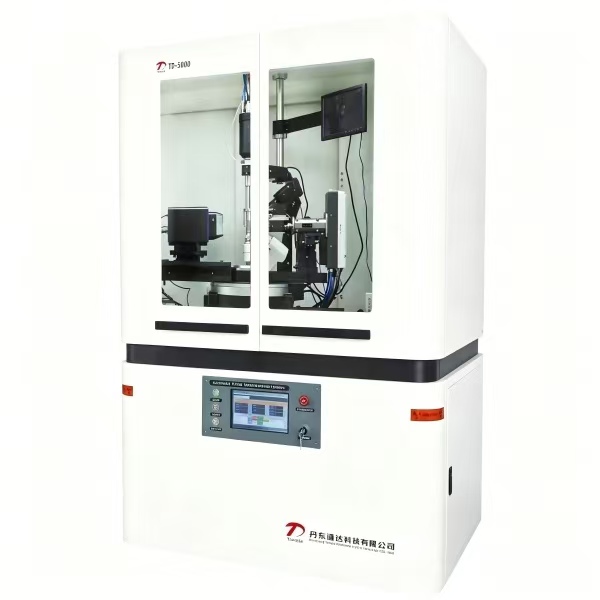
XRD as a qualitative analysis means is not blind, with the help of analysis software just for convenience, fundamentally speaking, the most important thing is the XRD pattern itself.
EmailMore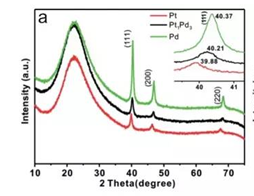
As a new material characterization technology, PDF (Pair Distribution Function) is useful in the study of the local structure of both crystal and amorphous materials.
EmailMore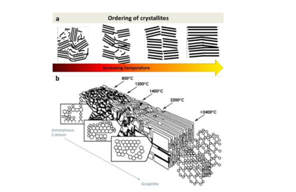
The structural stability of SBA-15 is closely related to its pore size and properties, and XRD is one of the effective methods to characterize its structure.
EmailMore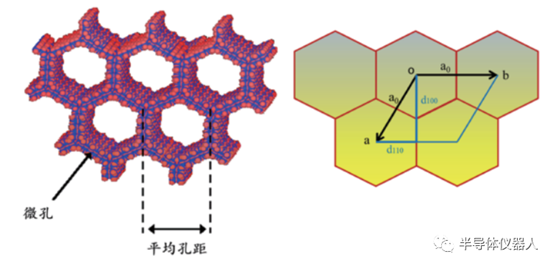
To determine whether there is asbestos in talc is usually a combination of polarizing or electron microscopy and X-ray diffraction, and the quantitative analysis of asbestos mainly uses X-ray diffraction method.
EmailMore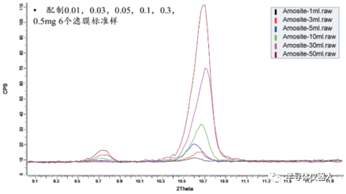
Small Angle X-ray scattering (SAXS) is a technology that collects scattered signals generated by X-rays passing through a sample to study the structural information of a sample in the range of 1~100 nm.
EmailMore