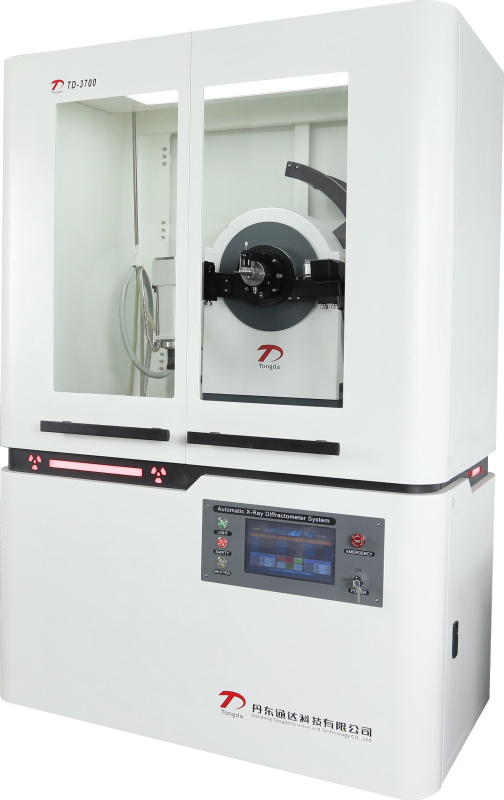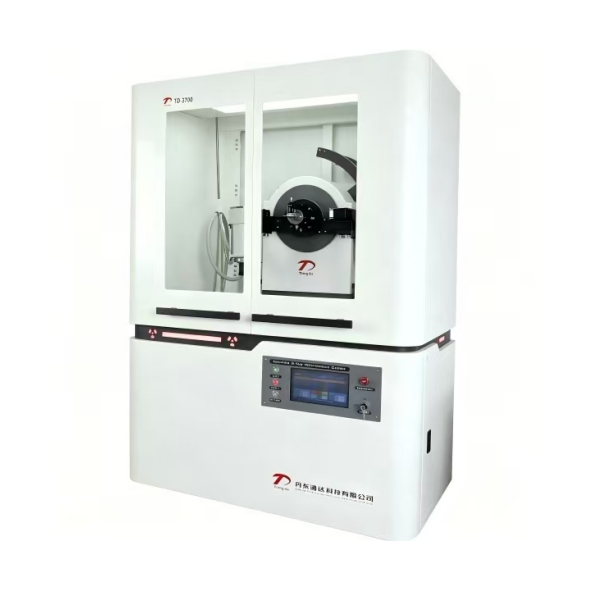
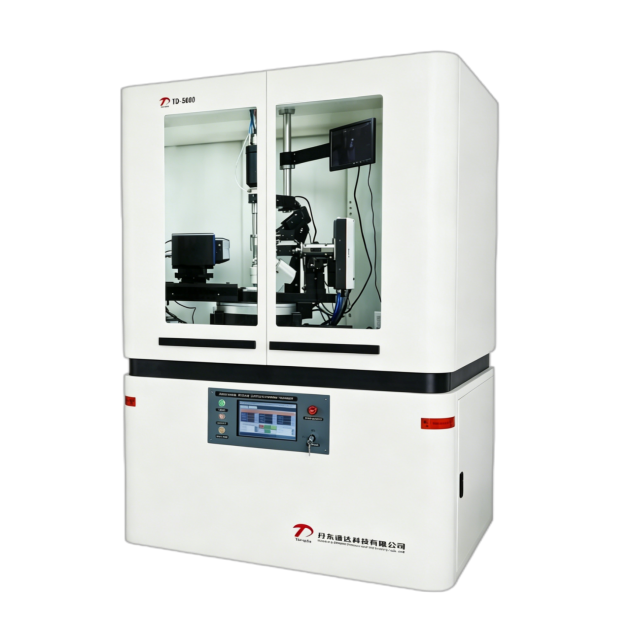
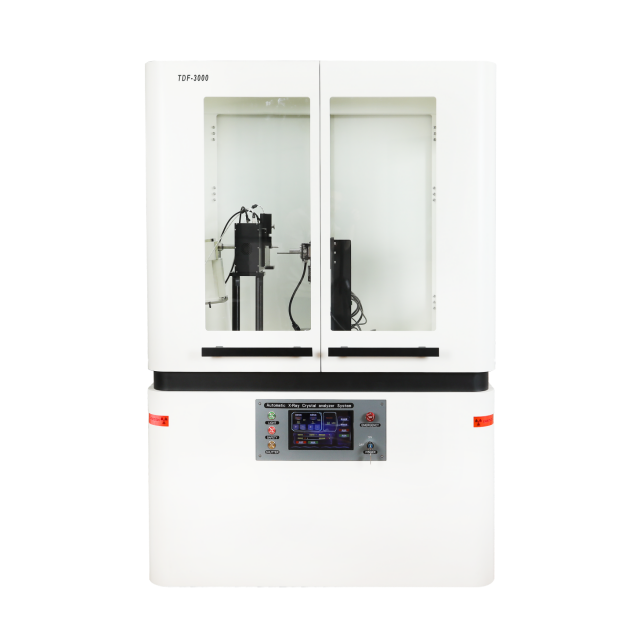
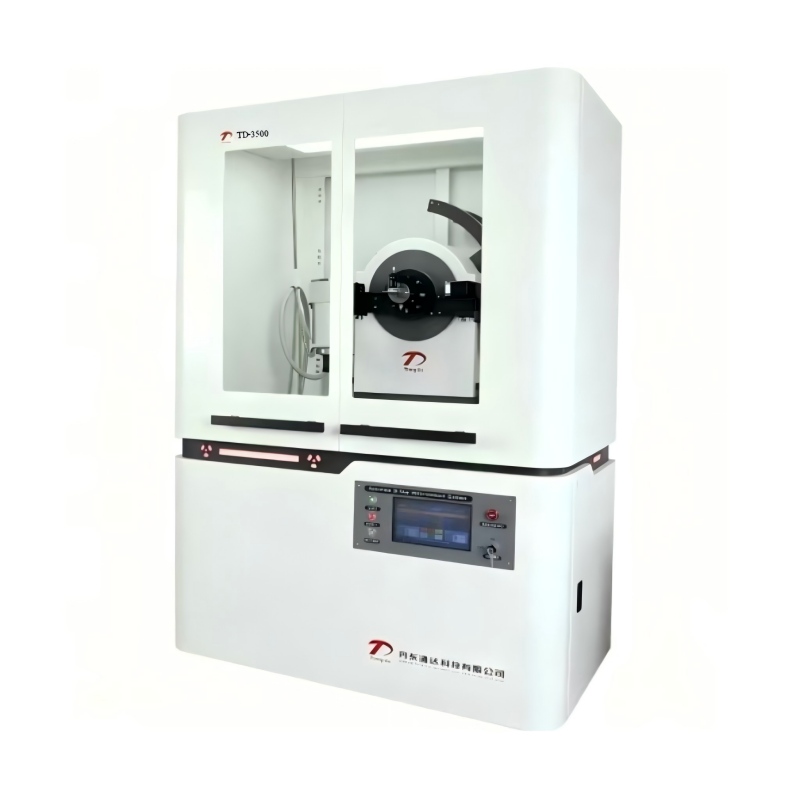
Modular XRD from Dandong Tongda enables rapid mineral analysis & smelting quality control. Proprietary design cuts maintenance costs, suits harsh industrial environments, includes large mineral database, and ensures operator safety.
EmailMore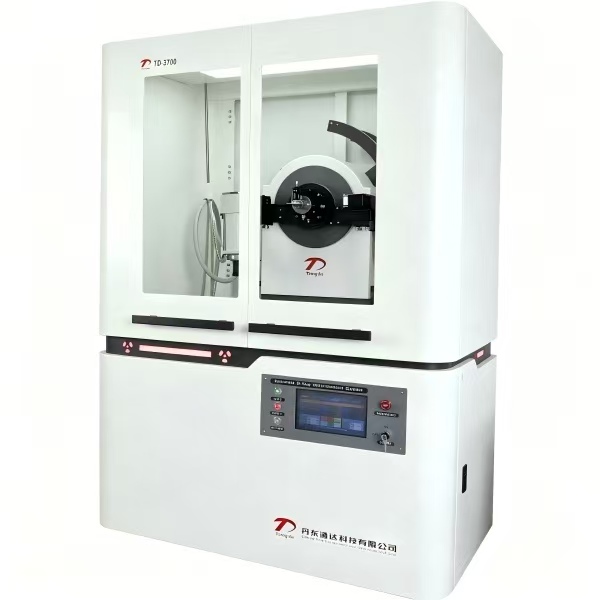
Benchtop XRD : fast phase analysis of metals, powders, ceramics & minerals. Easy to use, low cost, reliable data. Ideal for R&D, quality control & teaching.
EmailMore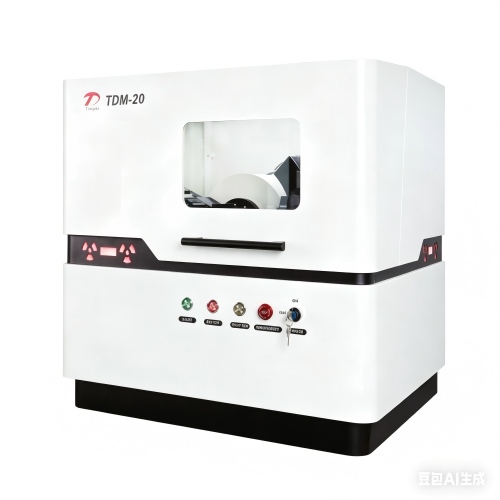
XRD is vital across industries: building materials (cement, concrete), mining/metallurgy (ore analysis, alloy structure), and pharma (crystallinity, polymorphs). Dandong Tongda Technology Co., Ltd. provides reliable XRD equipment for R&D and quality control, bridging lab research and industrial production.
EmailMore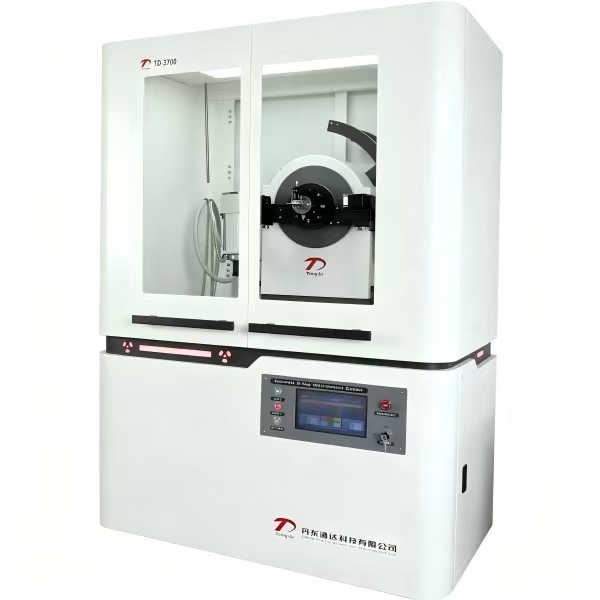
Titanium dioxide (TiO₂) is a high-performance functional material widely used in various industrial fields, and its quality directly affects application effects and safety. Dandong Tongda Technology provides full-chain, high-precision XRD testing services for titanium dioxide, covering crystal structure, purity and impurity detection. The test results comply with international standards, providing reliable data support for production quality control, helping enterprises optimize processes and enhance global competitiveness.
EmailMore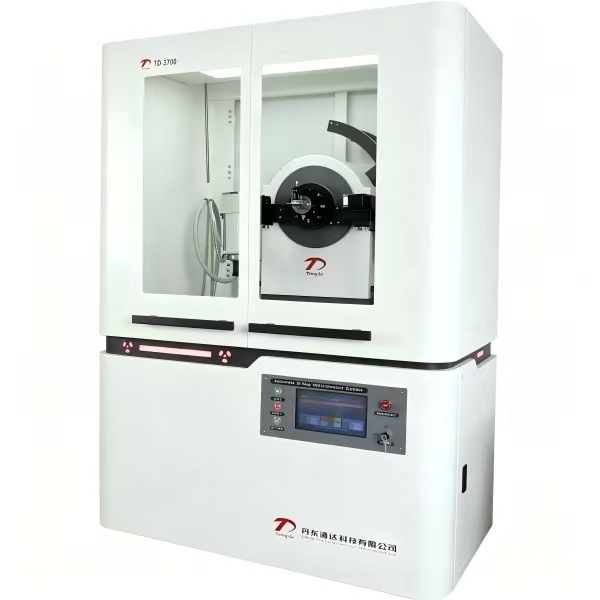
X-ray diffractometer works based on Bragg's law (2d sinθ = nλ). By scanning θ and recording diffraction peaks, it reveals crystal structure, lattice parameters, grain size, residual stress, phase composition, and more. It is a key tool for material analysis.
EmailMore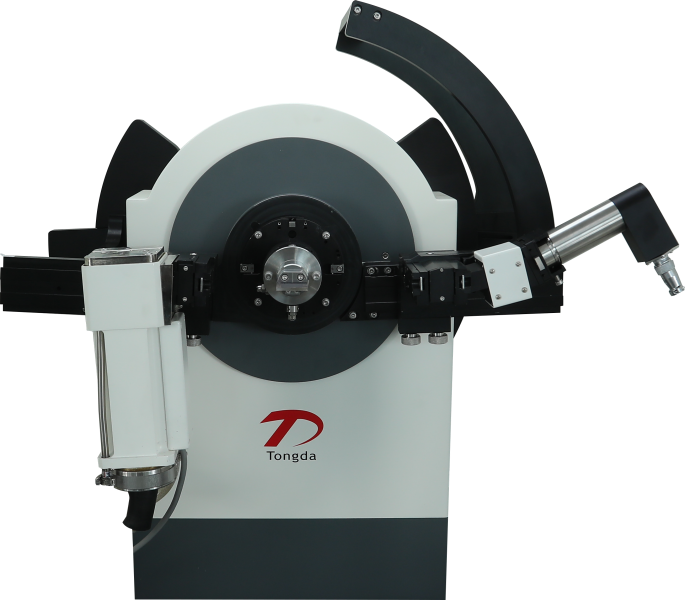
XRD calibration (wavelength, detector, zero point) and data analysis (peak fitting, Scherrer equation, Williamson-Hall) are critical for accurate crystal structure determination, phase identification, and microstructural characterization in materials science.
EmailMore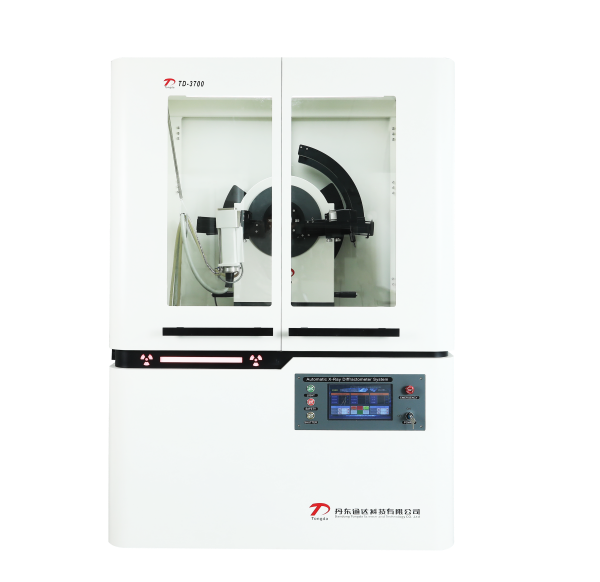
Powder diffractometers enable fast, non-destructive crystal structure analysis via X-ray scattering. They optimize alloys, battery materials, and drug formulations. Evolving automation and algorithms enhance precision, driving materials innovation.
EmailMore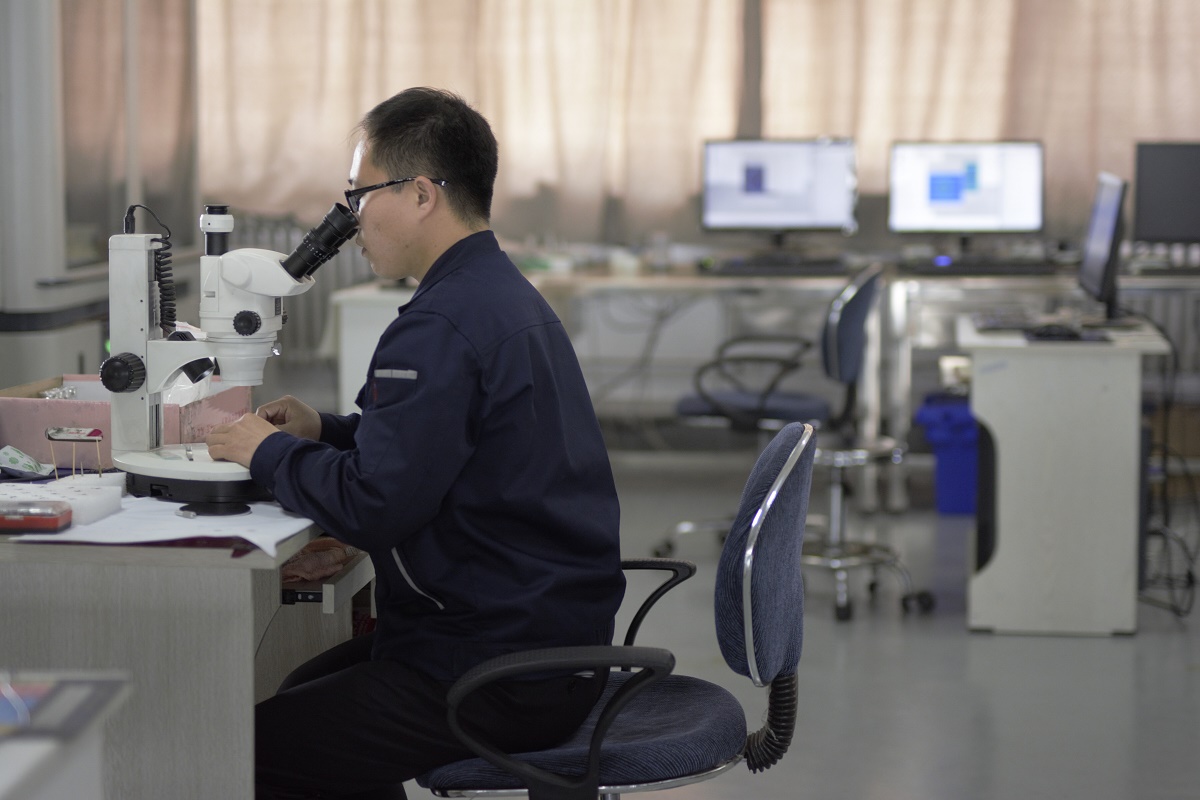
X-ray absorption spectrometers measure absorption coefficient vs. photon energy to reveal local atomic/electronic structure. XANES gives valence/coordination; EXAFS extracts bond lengths, coordination numbers. Trends: 4th-gen synchrotrons and benchtop breakthroughs. Applications include catalysis, batteries, environment, biomedicine. Non-destructive, element-specific, 0.5 wt% detection limit.
EmailMore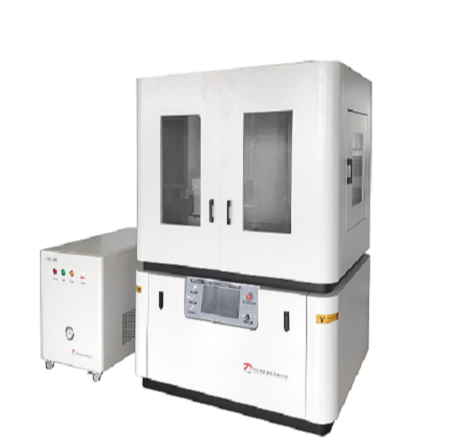
Selecting an XRD requires evaluating performance, sample compatibility, ease of use, reliability, budget, safety, training, and support. Also assess lab space, facilities, future upgrades, brand comparisons, and professional installation.
EmailMore
2D X-ray diffractometers face issues like uneven sample prep, calibration errors, improper setup, inaccurate data processing, lack of maintenance, environmental fluctuations, and software challenges, all of which affect result accuracy and reliability.
EmailMore