Dandong Tongda , with 30% R&D staff and full proprietary core technologies, offers a complete XRD product line for research and industry. Export-ready with multilingual support and CE compliance, the company provides quality assurance, global services, and custom solutions worldwide.
EmailMore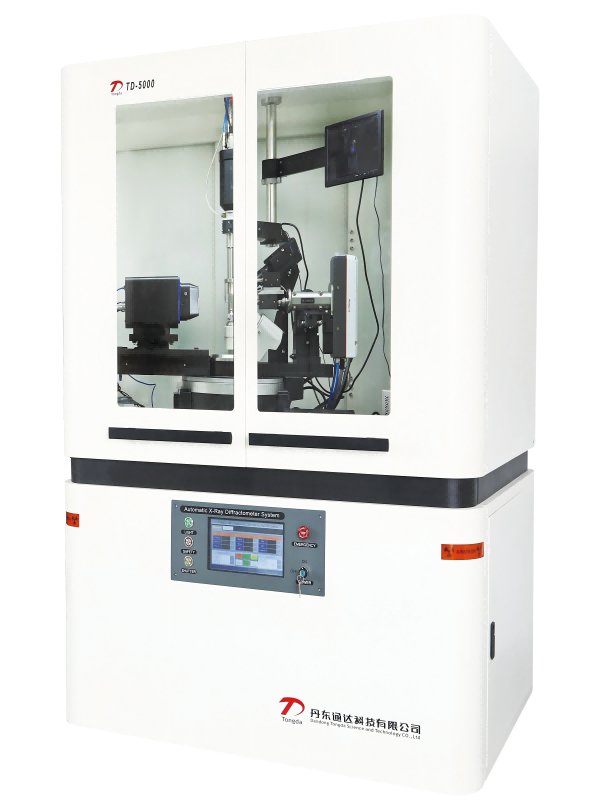
Dandong Tongda maintains ISO 9001 and CE certifications for its XRD systems, ensuring quality, safety, and radiation compliance. With standardized production and global market access, the company delivers reliable, cost-effective analytical equipment for research and industrial applications worldwide.
EmailMore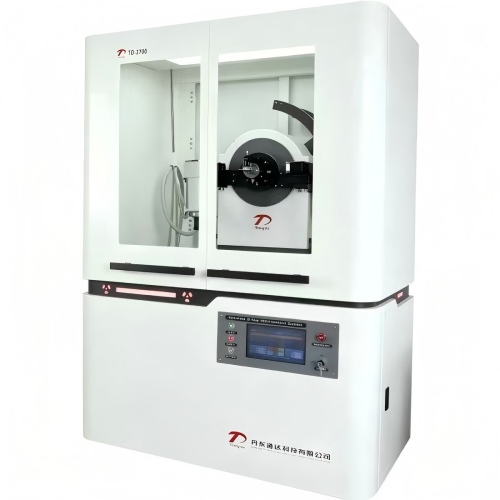
Tongda Science and Technology developed China's first X-ray single crystal diffractometer (TD-5000). It offers diffractometers, orienters, analyzers with AI robotics and remote control. 30% R&D staff, 23 patents. Exported globally.
EmailMore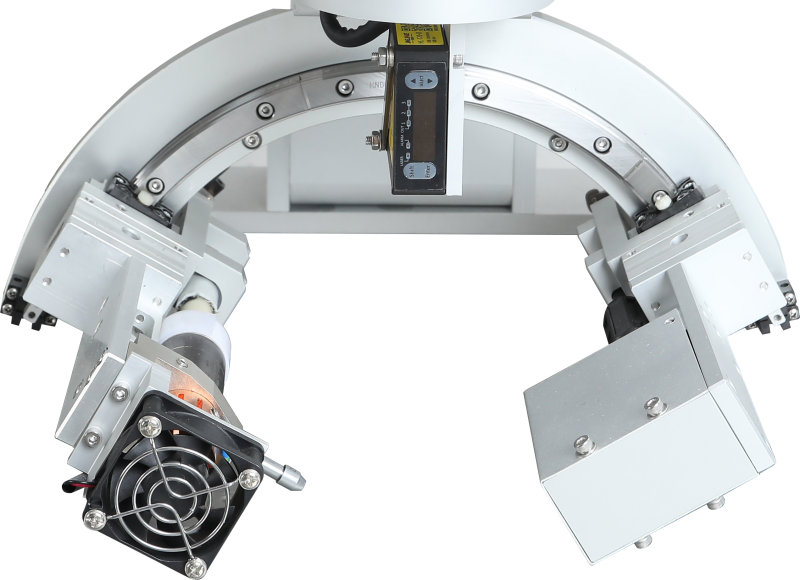
Tongda provides X-ray diffraction solutions with custom services. Advanced facilities & key technologies make its products near world-class. Used across many fields. R&D team of 30 drives continuous improvement.
EmailMore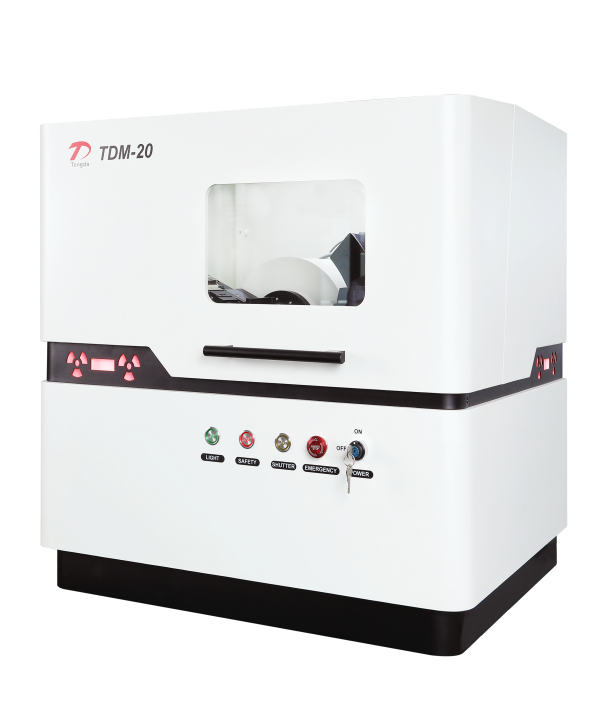

Originally battery accessories are experimental devices designed specifically for electrochemical testing, mainly used for in-situ characterization of battery materials during charging and discharging processes, commonly found in X-ray diffraction (XRD). 1. Core functions and application scenarios of originally battery accessories (1)Originally testing: Real time monitoring of material phase structure changes (such as crystal structure and phase transition) during battery charging and discharging can avoid sample contamination or state changes caused by battery disassembly. Support multiple electrochemical systems, including composites containing carbon, oxygen, nitrogen, sulfur, metal embedment, etc. (2) Multimodal compatibility: X-ray diffraction (XRD): used to analyze the structural evolution of positive/negative electrode materials during charge and discharge processes. 2. Structural composition and technical characteristics of originally battery accessories (1) Key components: Lower insulation cover: usually made of alumina ceramic or polytetrafluoroethylene material, containing coolant flow channels or resistance wire installation pipelines, used for temperature control. Upper conductive cover: connected to the lower insulating cover by bolts to form a closed space, with a beryllium window (diameter 15mm, thickness 0.1mm) at the top to transmit X-rays. Electrode system: originally battery accessories includes a lower electrode (with a support column) and a butterfly spring, which are electrically connected through compression fixation, simplifying the assembly process. (2) Technological innovation: Formal design: Compared with the traditional inverted method, the formal structure does not require flipping assembly, making it easy to operate in the glove box and ensuring the flatness of the beryllium window and diaphragm. Sealing and temperature control: Integrated coolant circulation pipeline and resistance wire heating device, suitable for a temperature range of -400 ℃ to 400 ℃. 3. Technical advantages of originally battery accessories (1) Simplified operation: Reduce assembly steps, decrease operating time inside glove boxes, and improve efficiency. The butterfly spring fixes the electrode without the need for rotation and tightening, avoiding interference with the simulated structure of the battery. (2) Performance improvement: The high X-ray transmittance (>90%) of beryllium windows ensures the detection signal strength. The multifunctional sample stage supports automatic sample changing and is suitable for high-throughput testing. Overall, originally battery accessoriesare important tools for electrochemical research, as their design optimizes the assembly process of traditional battery simulation structures and enhances the reliability and applicability of originally testing.
EmailMore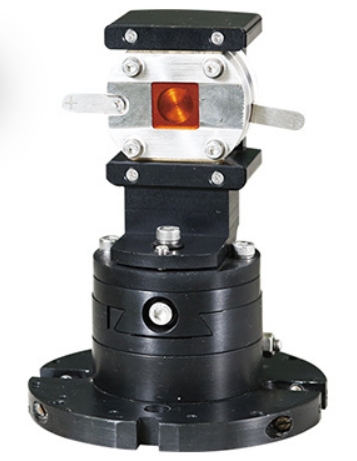
A multifunctional sample stage is an experimental or testing platform that integrates multiple functional modules, used to carry, manipulate, and test different types of samples (such as materials, biological samples, electronic components, etc.). It usually has flexible configuration and scalability to meet different experimental needs, and is widely used in scientific research, industrial testing, medical and other fields. 1. Core functions and features of multifunctional sample stage (1) Multi dimensional adjustment of multifunctional sample stage Motion control: Supports precise movements such as X/Y/Z axis translation, rotation, and tilt, and is compatible with automatic scanning or manual fine-tuning. Environmental simulation: It can integrate modules such as temperature control (-196 ° C to several thousand degrees), humidity control, vacuum/atmosphere environment (such as inert gas, corrosive gas), etc. Force/electric/magnetic loading: Some models support the application of mechanical force, current, magnetic field, etc., used to study the performance of samples under extreme conditions. (2) Compatibility and Scalability of Multi functional Sample Stand Adapt to multiple analytical instruments Modular design allows users to add functions according to their needs, such as heating stations, cooling stations, fluid infusion systems, etc. (3) High precision and stability of multifunctional sample stage Nano level displacement accuracy, anti vibration design, suitable for in-situ observation or long-term experiments. Some models support in-situ characterization (such as real-time observation of sample changes during stretching, compression, and heating processes). (4) Automation and Intelligence of Multi functional Sample Stand Automated testing is achieved by controlling motion trajectories and environmental parameters through software. Integrated sensors and data acquisition system, real-time recording of sample reactions (such as deformation, resistance changes, etc.). 2. Typical application scenarios of multifunctional sample table: (1) Materials Science of Multi functional Sample Stand Study the performance of materials in high/low temperature, stress, and corrosive environments. In situ SEM/TEM observation of material deformation, phase transformation, or crystallization processes. (2) Biomedical multifunctional sample stage Cell culture and drug permeation experiments require temperature control, humidity control, and gas environment. Cooperate with microscopic imaging to observe the dynamic changes of living samples. (3) Electronics and Semiconductors for Multi functional Sample Stand Chip testing: Provides functions such as probe positioning, thermal shock, and electrical performance testing. Sample positioning and processing in photolithography or coating processes. (4) Chemical/Energy Research on Multi functional Sample Stand In situ monitoring of catalytic reactions (such as surface reactions under illumination and heating conditions). Battery electrode testing (simulating expansion/contraction during charging and discharging processes).
EmailMore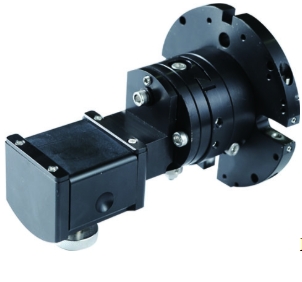
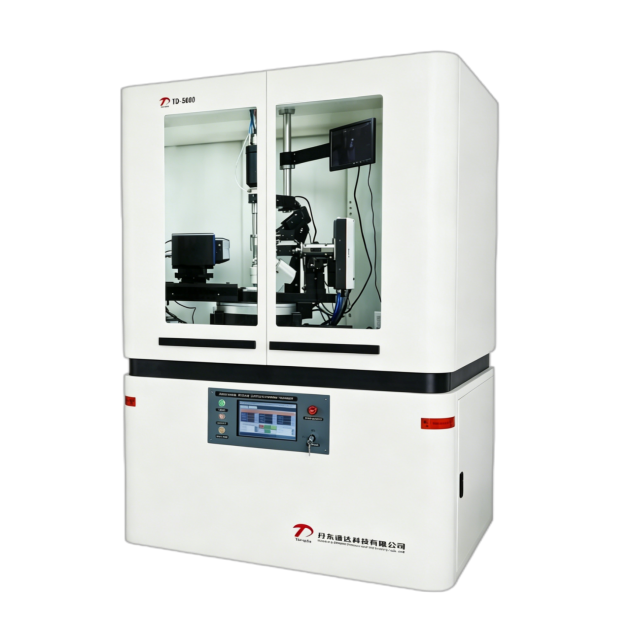
The multifunctional integrated measurement accessory of X-ray diffractometer (XRD) is a key component for achieving multi scene and multi-scale analysis. Through modular design, it can meet the needs of powder diffraction, small angle scattering, residual stress analysis, in-situ testing, etc. The following are common multifunctional integrated measurement accessories and their core functions: 1. The multifunctional integrated measurement accessory is a temperature and environmental control accessory (1) Function: Supports sample testing under high temperature, low temperature, and humidity control, used to study the crystal structure changes of materials under different temperature or humidity conditions. (2) Characteristics: Temperature range: from room temperature to 1500 ℃; Automatic temperature control and humidity regulation, suitable for in-situ catalysis, phase change analysis and other experiments. (3) Application: Phase transition of metal materials, analysis of polymer crystallinity, research on thermal stability of inorganic materials. 2. Automatic sampler and sample stage for multifunctional integrated measurement accessories (1) Function: Implement automatic switching and precise positioning of multiple samples to improve testing efficiency. (2) Characteristics: Supporting accessories such as sample rotation tables and micro diffraction tables for directional testing of complex samples; Collaborate with intelligent software to optimize measurement parameters and automatically identify sample configurations. (3) Application: Batch sample testing, thin film or micro area analysis. 3. Multi functional integrated measurement accessories suitable for two-dimensional detectors and high-speed one-dimensional detectors (1) Function: Support multi-dimensional data collection to enhance the analysis capability of complex samples. (2) Features: High speed one-dimensional detector, suitable for conventional powder diffraction; Two dimensional semiconductor array detector that can switch between zero dimensional, one-dimensional, or two-dimensional modes, expanding micro area or dynamic in-situ testing capabilities. (3) Application: 2D material crystal orientation analysis, in-situ reaction dynamic monitoring. 4. The multifunctional integrated measurement attachment is a residual stress and micro area diffraction attachment (1) Function: Conduct directional testing on the stress distribution or small areas on the surface of materials. (2) Features: Combining the θ/θ optical system with a microfocus X-ray source to achieve sub millimeter level micro diffraction; Non destructive measurement, used for stress analysis of metal workpieces and semiconductor devices. (3) Application: Fatigue testing of aerospace components, stress characterization of semiconductor thin films. 5. The multifunctional integrated measurement accessory is an intelligent calibration and automation control accessory (1) Function: Ensure testing accuracy and consistency through component recognition and automatic calibration technology. (2) Features: QR code automatic recognition attachment configuration, software guided optimal testing conditions; Fully automatic calibration program to reduce human operation errors. (3) Application: Complex attachment switching (such as high temperature+AXS mode), beginner friendly operation. The accessory design of modern X-ray diffractometers emphasizes modularity, intelligence, and automation. Through software and hardware collaboration, accessories can be quickly switched, parameters optimized, and data standardized. Future trends include higher precision micro area analysis capabilities, integrated solutions for in-situ dynamic testing, and intelligent accessory management systems driven by artificial intelligence.
EmailMore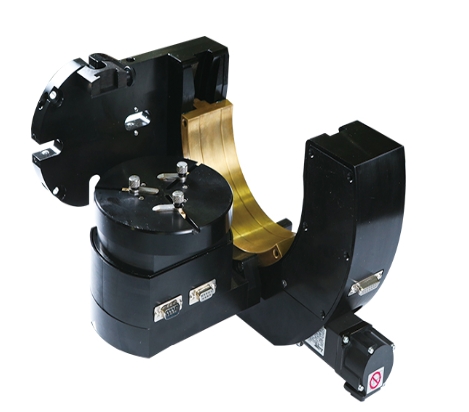
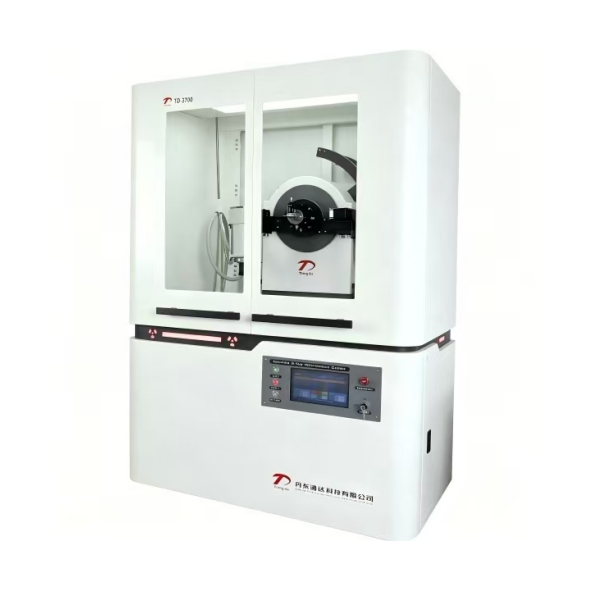
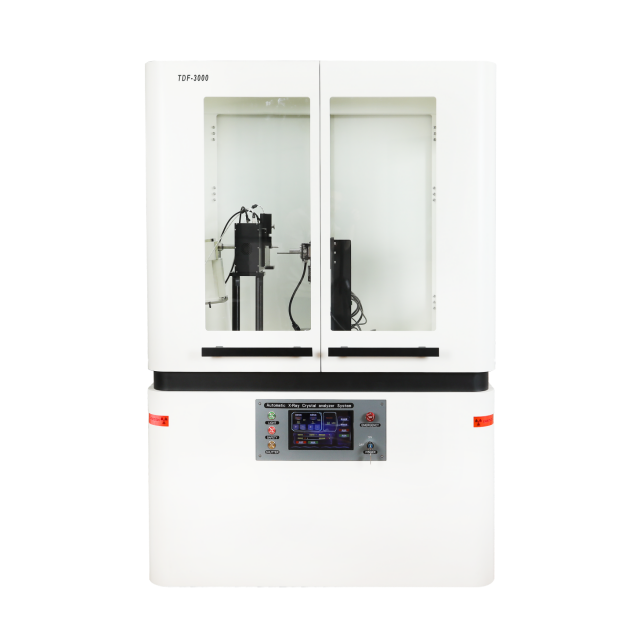
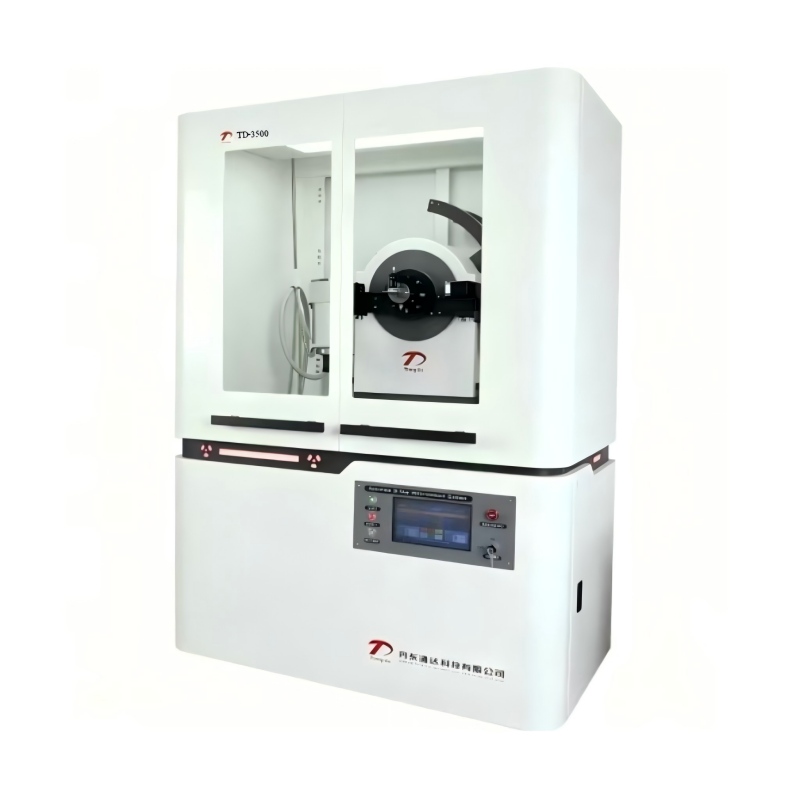
The TDM-10 desktop X-ray diffractometer is a compact and high-precision phase analysis device. The following is a detailed introduction to the product: 1. Core functions and applications of TDM-10 desktop X-ray diffractometer (1) Phase analysis Suitable for qualitative and quantitative analysis of powder, solid, paste like materials, and thin film samples, it can identify the crystal structure, phase composition, and crystallinity in the samples. (2) Crystal structure analysis It can measure grain size, crystal orientation, macroscopic/microscopic stress, and structural properties of materials. (3) Industrial and Research Applications Widely used in fields such as geology, materials science, chemistry, biology, medicine, and nuclear industry, suitable for rapid laboratory testing and teaching demonstrations. 2. Technical characteristics of TDM-10 desktop X-ray diffractometer (1) Compact design and efficient performance Small size, light weight, low power consumption, easy to operate, suitable for desktop environments. Equipped with high-frequency and high-voltage power supply, the power can reach 1200W (refer to TDM-20 model), ensuring X-ray stability. (2) High precision measurement The measurement accuracy of diffraction peak position reaches 0.001 °, with excellent angular repeatability, meeting the requirements of high-precision analysis. By using the principles of Debye Scherrer geometry and Bragg's law, the crystal reflection signal is recorded through conical surface diffraction, achieving accurate phase identification. (3) Intelligent Control and Data Processing Computer controlled data acquisition, supporting real-time data acquisition and processing under Windows system, with an intuitive operating interface. Can be paired with array detectors (referring to the high-performance detector technology of TDM-20) to improve detection efficiency and sensitivity. 3. Applicable scenarios of TDM-10 desktop X-ray diffractometer (1) Research field Universities and research institutes are used for material research and development, crystal structure analysis, and characterization of nanomaterials. (2) Industrial applications Mineral identification, drug composition analysis, food safety testing (such as crystal impurity screening), etc. (3) Teaching Demonstration Easy to operate desktop device, suitable for student experimental teaching, covering the basic theory and practical operation of phase analysis. 4. Technical parameters of TDM-10 desktop X-ray diffractometer (1) Measurement accuracy: diffraction peak position accuracy of 0.001 ° (2) Control method: Computer control (Windows system) (3) Power supply: Low power design, high-frequency high-voltage power supply (4) Detector: Supports array detectors or proportional detectors (refer to TDM-20 accessories) (5) Sample stand: can be paired with a rotating sample stand or an automatic sample changer (optional accessory) 5. Product advantages of TDM-10 desktop X-ray diffractometer (1) High cost-effectiveness: Domestic equipment has outstanding performance and is much cheaper than imported equipment, making it suitable for laboratories with limited budgets. (2) Quick detection: Optimize calibration process, shorten testing time, and improve experimental efficiency. (3) Scalability: Supports multiple accessories (such as low-temperature cooling systems, in-situ battery accessories, etc.), which can be extended to special scenario analysis. 6. Related series and comparison of TDM-10 desktop X-ray diffractometer TDM-20 model: TDM-20 is an upgraded version of TDM-10, with higher power (1600W), new high-performance array detectors, support for automatic sample changers and other accessories, suitable for more complex industrial and scientific research needs. Other models: The Dandong Tongda TD series also includes high-resolution diffraction instruments such as TD-3500 and TD-3700, as well as TDF series crystal analyzers, covering multidimensional analysis needs. The TDM-10 desktop X-ray diffractometer has become the preferred equipment for laboratory phase analysis due to its compact design, high-precision measurement, and intelligent operation. It has a wide range of application scenarios, especially suitable for scientific research and industrial environments that require fast and accurate detection. If higher configuration is required, TDM-20 or other models in the same series can be considered.
EmailMore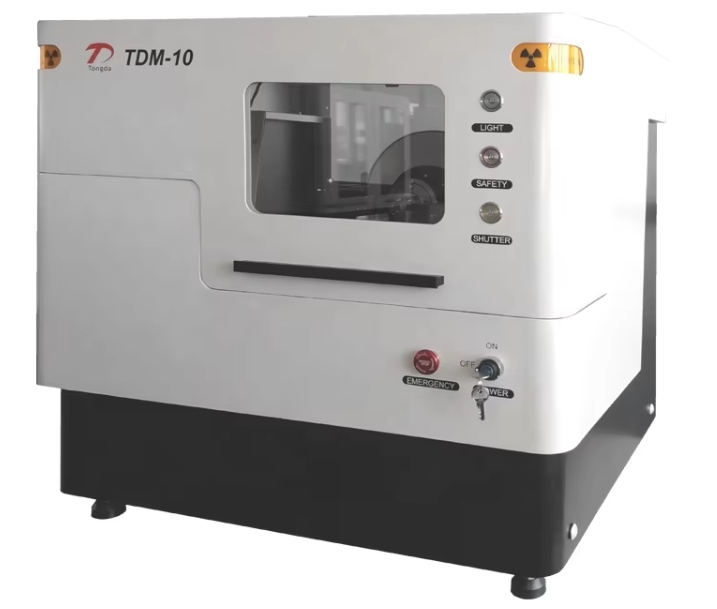
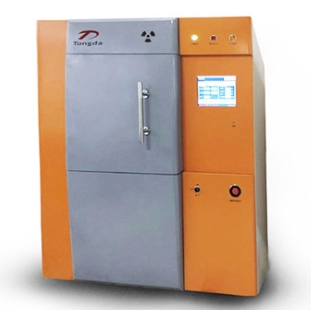
X-ray irradiator is a scientific research equipment that uses X-rays to irradiate biological samples, materials, or small animals, and is widely used in fields such as biology, medicine, and materials science. 1. Core functions and technical principles of X-ray irradiation equipment (1) Functional positioning Biological research: used for DNA damage, cell mutagenesis, stem cell differentiation induction, tumor mechanism research, immunology and gene therapy experiments, etc. Medical applications: radiation disinfection, blood product processing, analysis of tumor cell apoptosis, pre-treatment for organ transplantation, etc. Materials and Environmental Science: Nanomaterial Modification, Food Radiation Quarantine, Soil Pollutant Analysis, etc. (2) Technical principles By accelerating electrons with high voltage to collide with metal targets, X-rays are generated; After optimization through filters, beam limiting devices, etc., the sample is irradiated to achieve targeted intervention by precisely controlling the dose rate, irradiation time, and range. 2. Key technical parameters of X-ray irradiation equipment (1) Radiation performance Tube voltage: 30-225kV (different models vary). Dose rate: 0.1-16Gy/minute, supporting precise and stepless adjustment. Dose uniformity: ≥ 95% (industry-leading level). Radiation angle and coverage area: The maximum radiation angle is 40 degrees, and the coverage diameter is up to 30cm. (2) Operation and Safety Design Intelligent control: touch screen operation interface, data export function (compatible with Excel). Safety protection: lead shielded cabinet, environmental dose<20 μ R/h (5cm away from equipment), multiple interlocks and fault alarms. Cooling system: Closed loop cooling technology extends the lifespan of X-ray tubes (up to 2000 hours). (3) Applicable sample types Cells, tissue organs, bacteria, mice, rats, etc., support irradiation of small animals in a conscious or anesthetized state. 3.Typical products and manufacturers of X-ray irradiation equipment Domestic representative: Dandong Tongda Technology Co., Ltd Advantages: Localization reduces procurement costs, simplifies operations (without the need for complex X-ray knowledge), and meets national safety standards. 4. Expansion of application fields for X-ray irradiation equipment (1) Biology and Medicine Cell research: inducing gene mutations, cell cycle regulation, signal transduction analysis. Tumor research: irradiation of tumor cell models to explore apoptosis mechanisms or radiation sensitivity. Preclinical studies: Whole body irradiation of small animals (such as mice) for research on hematopoietic system, immune response, etc. (2) Materials and Environmental Science Nanomaterial modification: changing the crystal structure or surface properties of materials through irradiation. Food quarantine: Non destructive detection of foreign objects, residual preservatives, or microbial inactivation. Nuclear waste disposal: Assist in analyzing the distribution of radioactive materials to ensure safe disposal. (3) Agriculture and Breeding Mutation breeding: Irradiating plant seeds or insects to accelerate gene mutations and screen for superior traits. 5. Development trends and challenges of X-ray irradiation equipment (1) Technical upgrade direction Intelligence: Combining AI algorithms to optimize dose distribution and experimental design. Safety: Reduce environmental radiation leakage and improve protection standards. Multi functional integration: such as integrating CT imaging and irradiation functions to achieve "detection processing" integration. (2) Industry challenges High precision dose control and stability require continuous optimization. More basic data is needed to support the differences in radiation sensitivity among biological samples. Overall, X-ray irradiation equipment is an indispensable tool in scientific research and industry. The X-ray irradiation equipment produced by Dandong Tongda Technology Co., Ltd. achieves a balance between performance and cost and is widely used in multiple fields. In the future, with technological iteration, its application scope will further expand to cutting-edge directions such as precision medicine and new material research and development.
EmailMore