
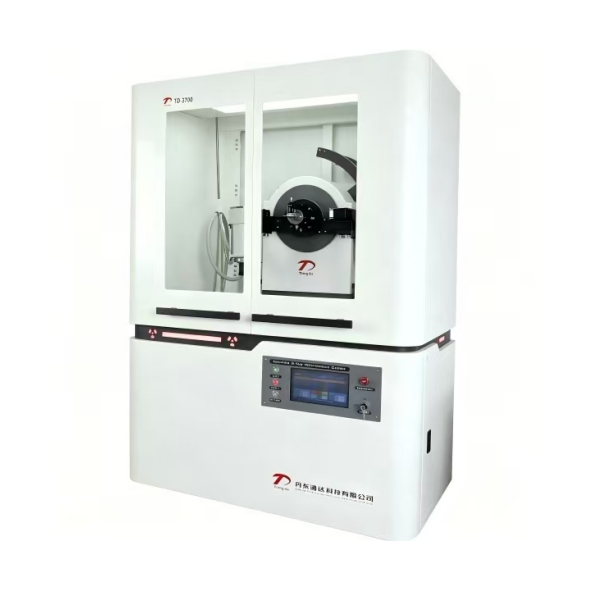
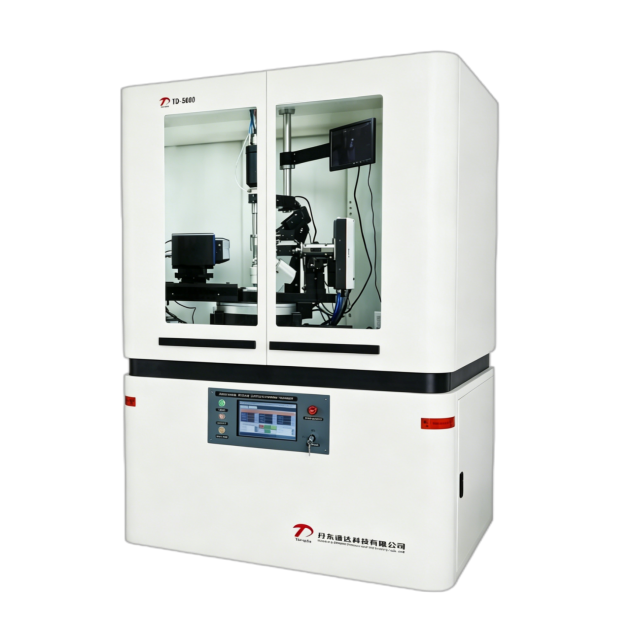
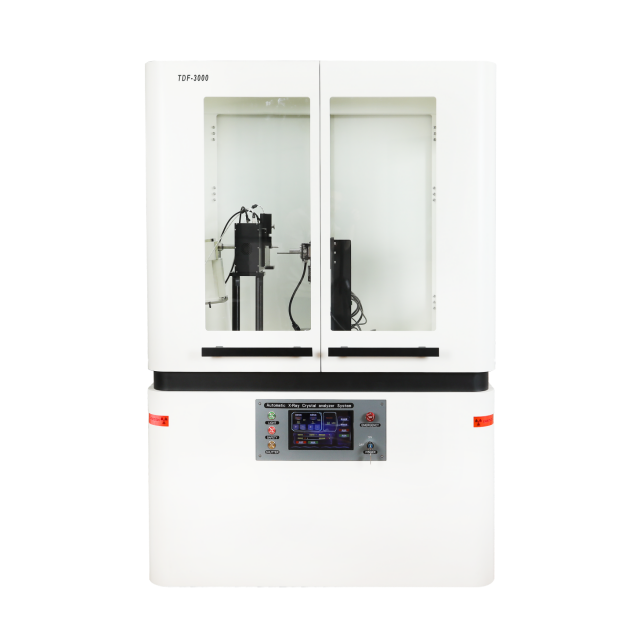
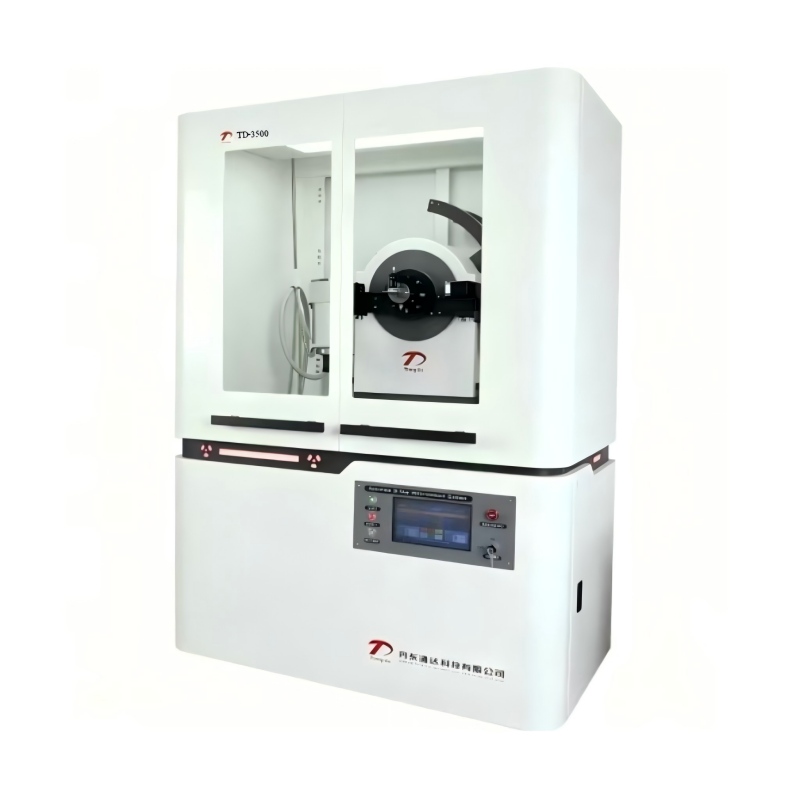
In disciplines like materials science, mineralogy, and pharmaceutical formulation, the X‑ray diffractometer (XRD) serves as a fundamental tool for probing the internal structure of materials. Acquiring such high‑precision equipment calls for a thorough assessment of several aspects to ensure the chosen instrument aligns with research goals and provides lasting value. Below are the key factors to weigh when selecting an X‑ray diffractometer:
1. Technical Specifications
Technical parameters should be the first concern when buying an XRD, covering angular accuracy, detector resolution, minimum step angle, and similar metrics. High‑precision features—such as excellent stability and fine resolution—guarantee the reliability of experimental results. A fast data acquisition system can capture high‑quality diffraction patterns in a short period, greatly boosting laboratory efficiency.
2. Adaptability to Different Sample Types
A well‑rounded XRD must handle various sample forms, including solid, liquid, and powder. A thoughtfully engineered sample chamber combined with support for diverse sample holders makes it easier to replicate different experimental conditions.
3. User‑Friendliness
An intuitive software interface and straightforward operational workflows significantly improve the user experience, lowering the barrier to learning and daily use. A well‑designed interactive interface allows even novice users to quickly become proficient, enabling them to set up experiments and analyze data with ease.
4. Durability and Maintenance
Consistent, robust performance ensures the instrument operates reliably for many years, while a design that simplifies maintenance reduces both downtime and repair expenses caused by unexpected malfunctions.
5. Cost and Budgeting
Although the upfront purchase price matters, long‑term running costs and the instrument’s contribution to research output are equally crucial. Opting for equipment that offers strong value for money satisfies present needs and preserves flexibility for future enhancements.
6. Safety Features
Safety remains a top priority for any laboratory device, covering radiation protection and operational security. According to the International Commission on Radiological Protection (ICRP), the annual radiation dose absorbed by the general public should not exceed 1 mSv. The system must also guarantee operator safety, with moving parts, electrical components, and other elements presenting no risk of physical injury.
7. Training Provisions
After procurement, certain personnel should be chosen to undergo training in instrument operation (ideally individuals with knowledge of both computer hardware/software and X‑ray diffraction techniques) as well as maintenance procedures. The training content and scope should be settled beforehand, preferably recorded in writing.
8. Application and Service Support
A reliable XRD vendor should employ application scientists who can offer guidance on proper material analysis and answer any technical questions that arise. The vendor also needs enough service engineers to maintain and repair the system, with local support being especially important for maximizing uptime and obtaining the best return on investment.
Additional considerations when purchasing an X‑ray diffractometer:
Check whether the laboratory’s physical space and environmental conditions are adequate for installing the chosen equipment.
Verify that the lab has the necessary auxiliary facilities—such as cooling systems, gas supplies, etc.—to support instrument operation.
Think ahead about possible future upgrades; ask the manufacturer about upgrade feasibility and associated costs at the time of purchase.
Investigate different brands and models available on the market, comparing their performance, pricing, and after‑sales service.
Ensure that qualified professionals are assigned to handle instrument installation, commissioning, and routine maintenance.