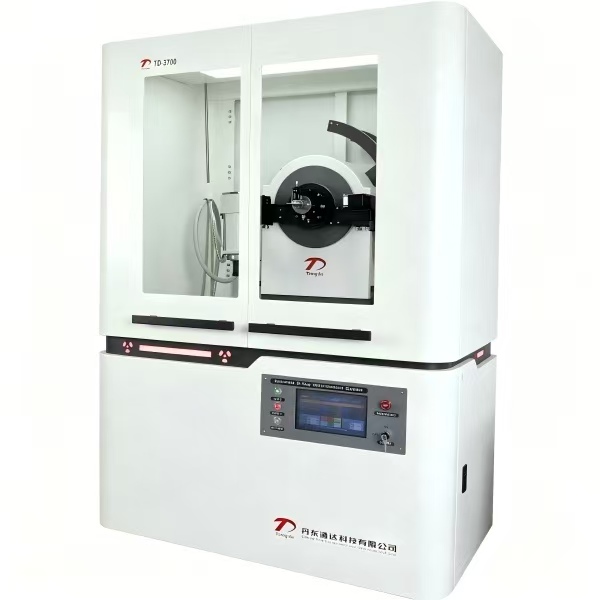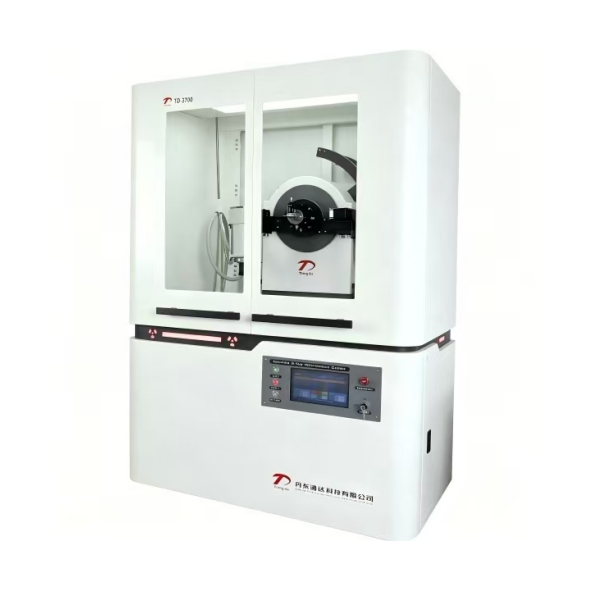
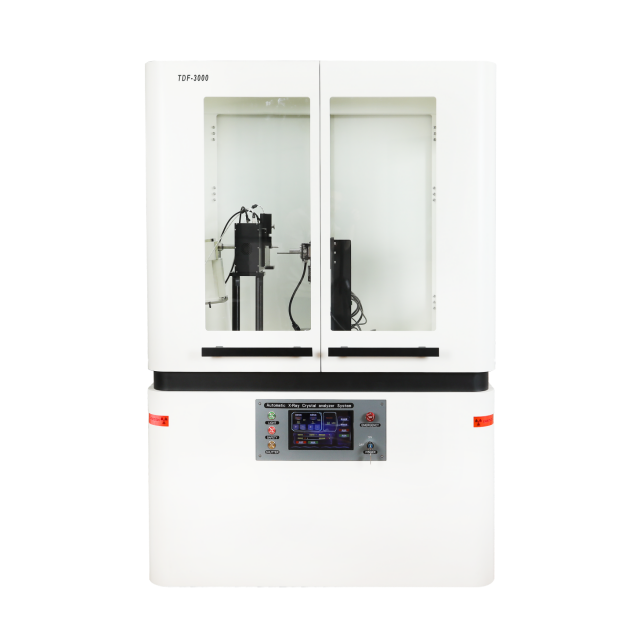
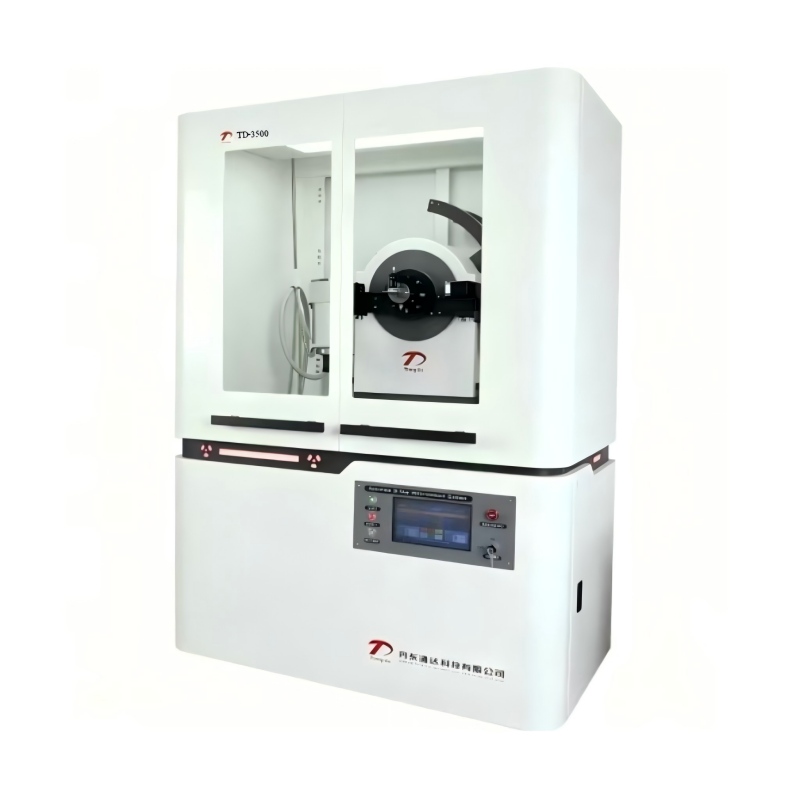
Dandong Tongda , with 30% R&D staff and full proprietary core technologies, offers a complete XRD product line for research and industry. Export-ready with multilingual support and CE compliance, the company provides quality assurance, global services, and custom solutions worldwide.
EmailMore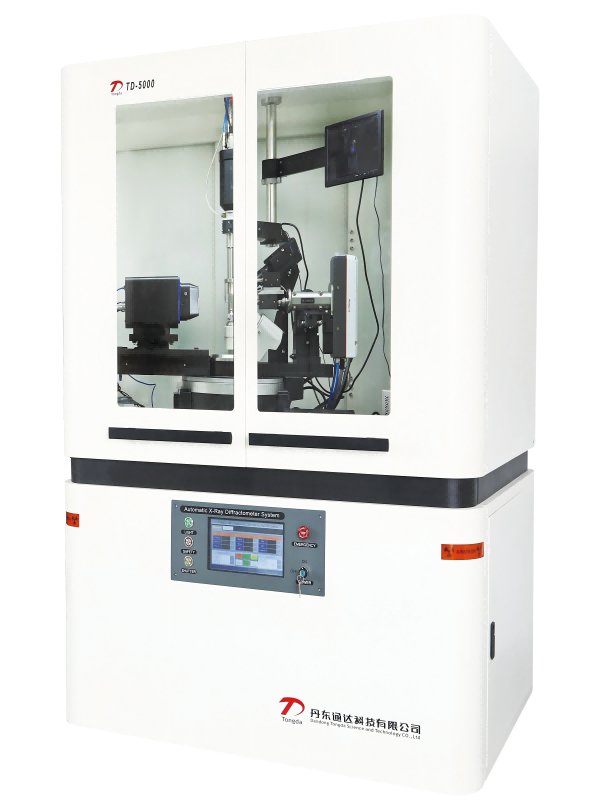
Dandong Tongda‘s TD-3500 benchtop XRD offers reliable, automated phase analysis for research and industrial QC. Featuring robust hardware, closed-loop goniometer, self-cooling design, and versatile sample support, it delivers accurate, cost-effective solutions for materials science, mining, pharma, and more.
EmailMore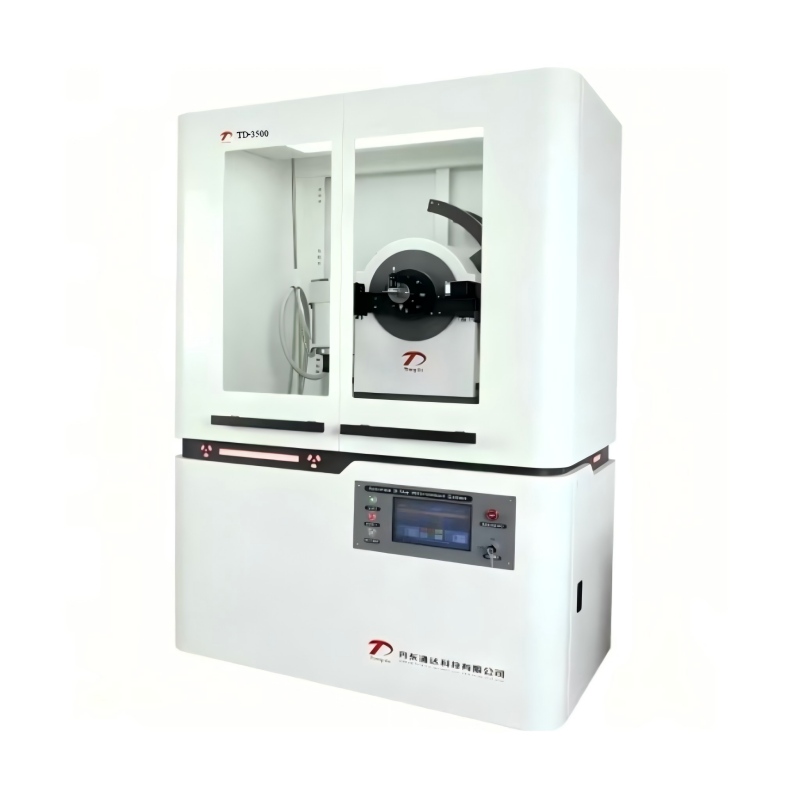
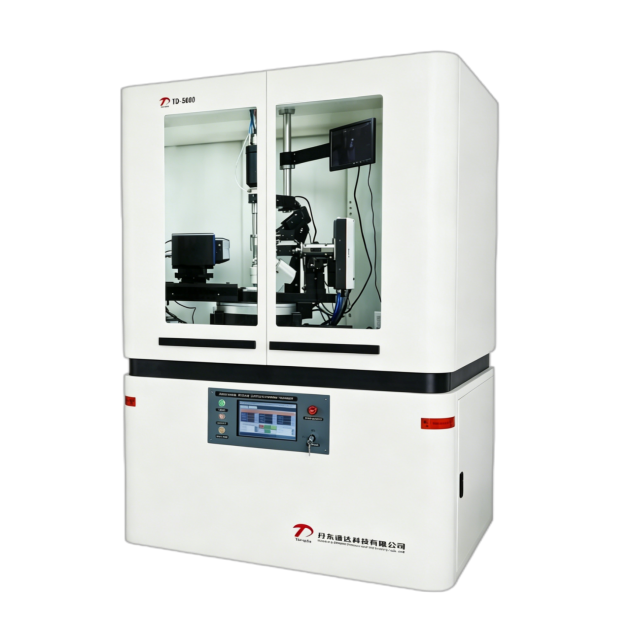
Dandong Tongda launches TD-5000, a self-developed high-precision X-ray single crystal diffractometer with 3kW generator, Kappa four-circle goniometer (0.0001° accuracy), hybrid pixel detector, and cryo-control (100–300K). Fully automated, CE-certified, ISO9001, offering cost-effective, reliable structural analysis for global research and industrial users.
EmailMore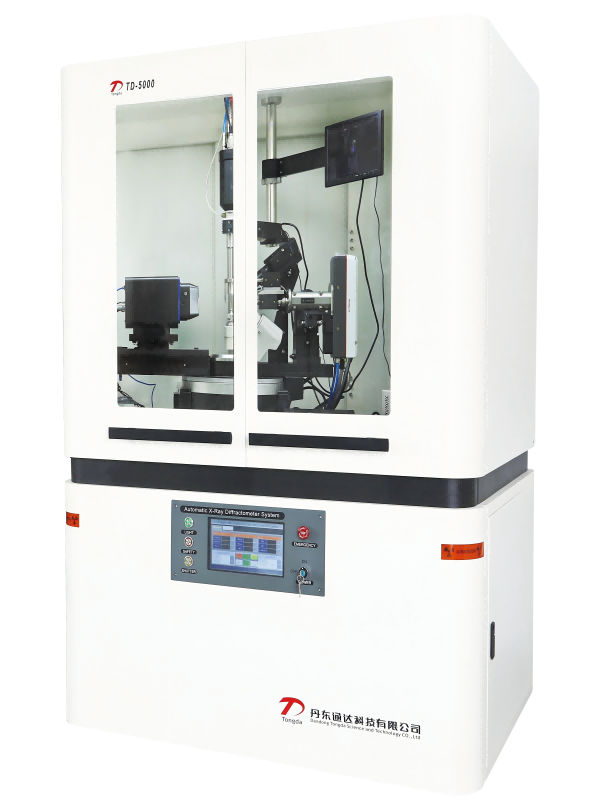
Dandong Tongda Technology launches TDM-20 benchtop XRD with in-house core components, offering cost-effective phase analysis for labs and industries. Features 0.001° goniometer accuracy, PLC control, CE compliance, English interface, remote support. Exported to Pakistan, Azerbaijan, and beyond. Backed by academician workstation and full-chain manufacturing.
EmailMore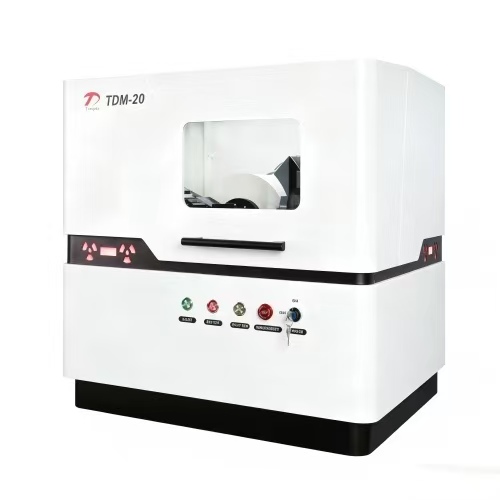
Dandong Tongda XRD system features modular design, high precision, and strong anti-interference for industrial QC and research. It serves mining, cement, pharmaceutical, and academic sectors, reducing costs while ensuring accurate phase analysis, crystallinity, and compliance.
EmailMore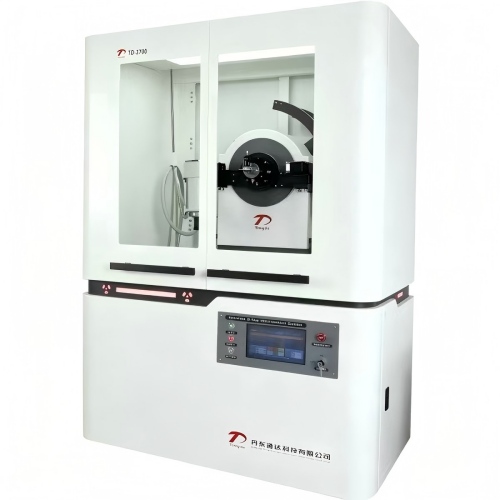
Dandong Tongda offers universal X-ray diffractometers for new materials R&D. Supporting powders, bulk, thin films, and more, our systems deliver phase analysis, crystallinity, and stress measurement. Modular design, PLC control, and comprehensive software meet diverse research needs in universities and institutes worldwide.
EmailMore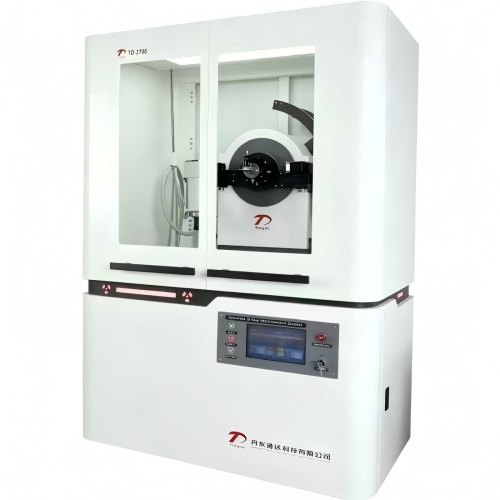
Tongda’s new-generation high-stability industrial-grade XRD serves ceramic body and refractory material industries. Optimized for clay and multi-aggregate samples, it adopts temperature-controlled X-ray source and low-background detector with dedicated analytical software for full-process phase testing. Modular design brings easy maintenance and strong anti-interference performance. Certified with CE and ISO standards, it offers reliable phase analysis for multiple refractories and all-round one-stop overseas services to support global factories’ refined digital quality control.
EmailMore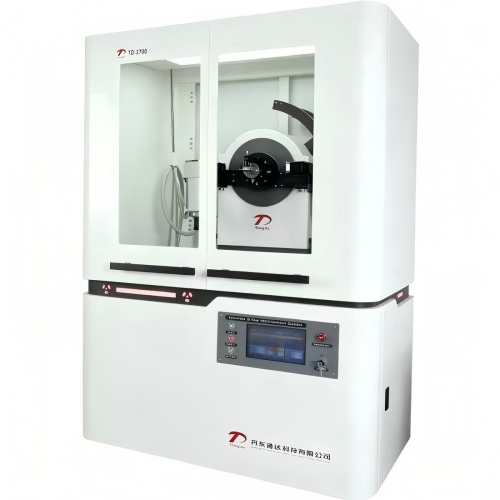
Dandong Tongda's XRD solutions serve both industrial QC and academic research, enabling fast, non-destructive phase analysis, quantitative testing, and microstructural characterization for mining, cement, chemicals, and materials science
EmailMore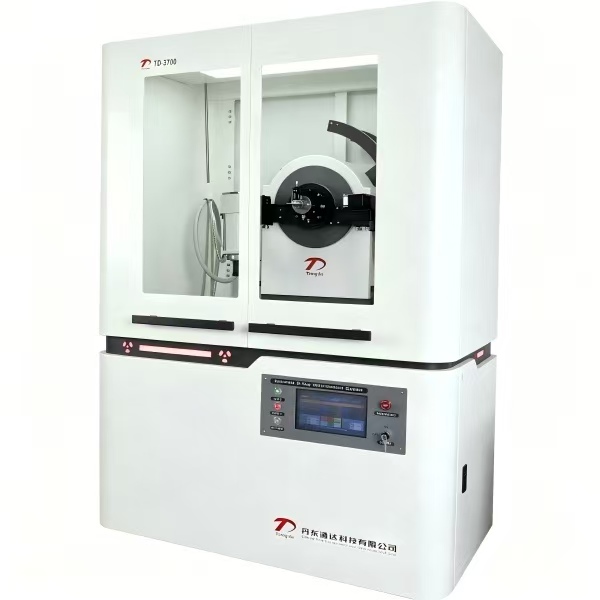
Chinese XRD instrument manufacturer offers fully customizable solutions and full-cycle after-sales support for overseas mining, cement, metallurgy, and research sectors. Addressing poor adaptability, installation constraints, and slow service, the company provides tailored optical, mechanical, and control systems. Products suit high-volume industrial testing and lab research. Global 24/7 support, spare parts, and multilingual training reduce downtime and costs. Exported widely, the reliable "Made in China" devices enhance testing efficiency and quality control.
EmailMore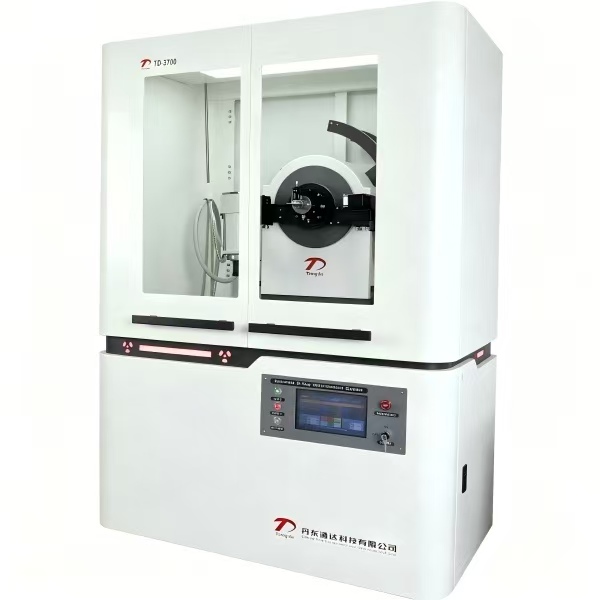
Dandong Tongda offers factory-direct, customizable industrial XRD for mining, cement, metallurgy, and new materials. It delivers precise phase and composition analysis of ores, raw meals, clinkers, slag, and powders—ideal for incoming, in-process, and final QC. Flexible configurations suit harsh or lab environments. Simple operation, low maintenance, and full factory support. Enables standardized, cost-effective quality control globally.
EmailMore