
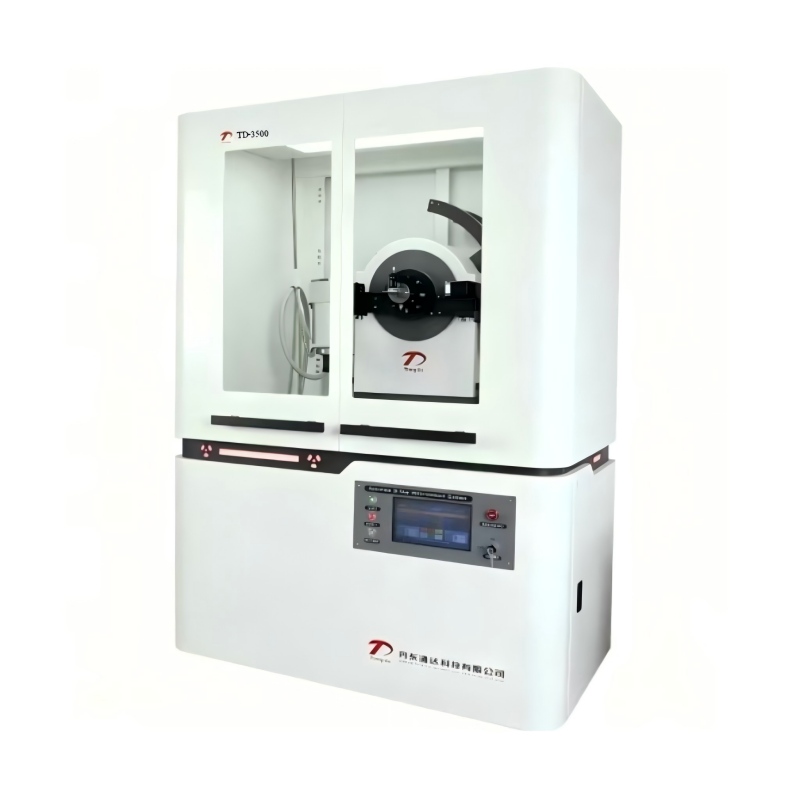
1. Crystal Characterization Is Indispensable for Modern New Materials Research
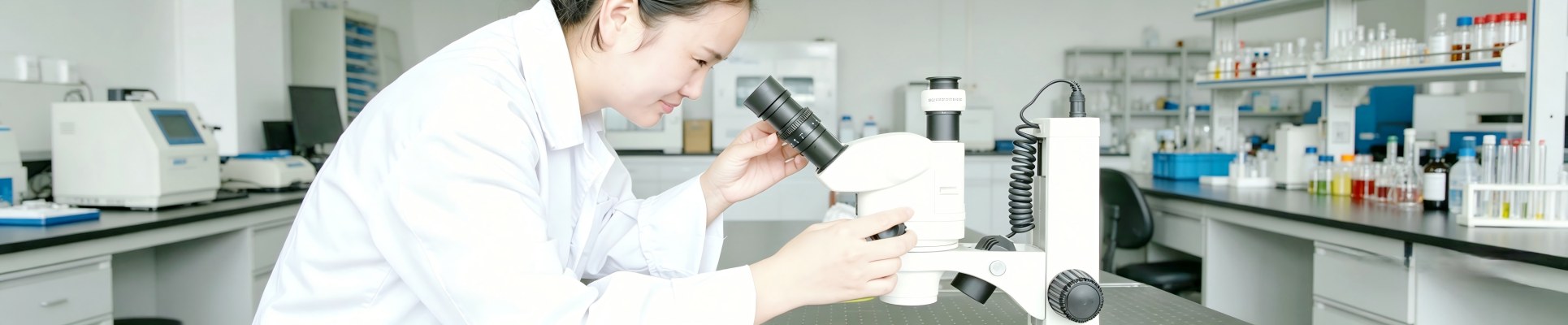
Research and development in new materials remains a strategic priority for universities and scientific institutions worldwide. Key application areas—including new energy electrodes, ceramic composites, pharmaceutical polymorphs, semiconductor thin films, and nanocatalytic materials—all demand high-precision crystallographic characterization. Phase identification, crystallite size determination, crystallinity analysis, and microstress measurement are not only essential for fundamental research but also serve as critical data for grant applications, peer-reviewed publications, and project evaluations. As a result, versatile X-ray diffraction (XRD) systems have become a fundamental requirement for modern shared-service laboratories.
Most institutional laboratories serve multiple research groups with diverse sample types—ranging from powders and bulk solids to thin films and colloidal micro-samples. Traditional single-purpose diffractometers are inherently limited in scope, and equipping a lab with multiple specialized systems significantly increases procurement costs, consumes valuable floor space, and adds substantial long-term operational and maintenance burdens.
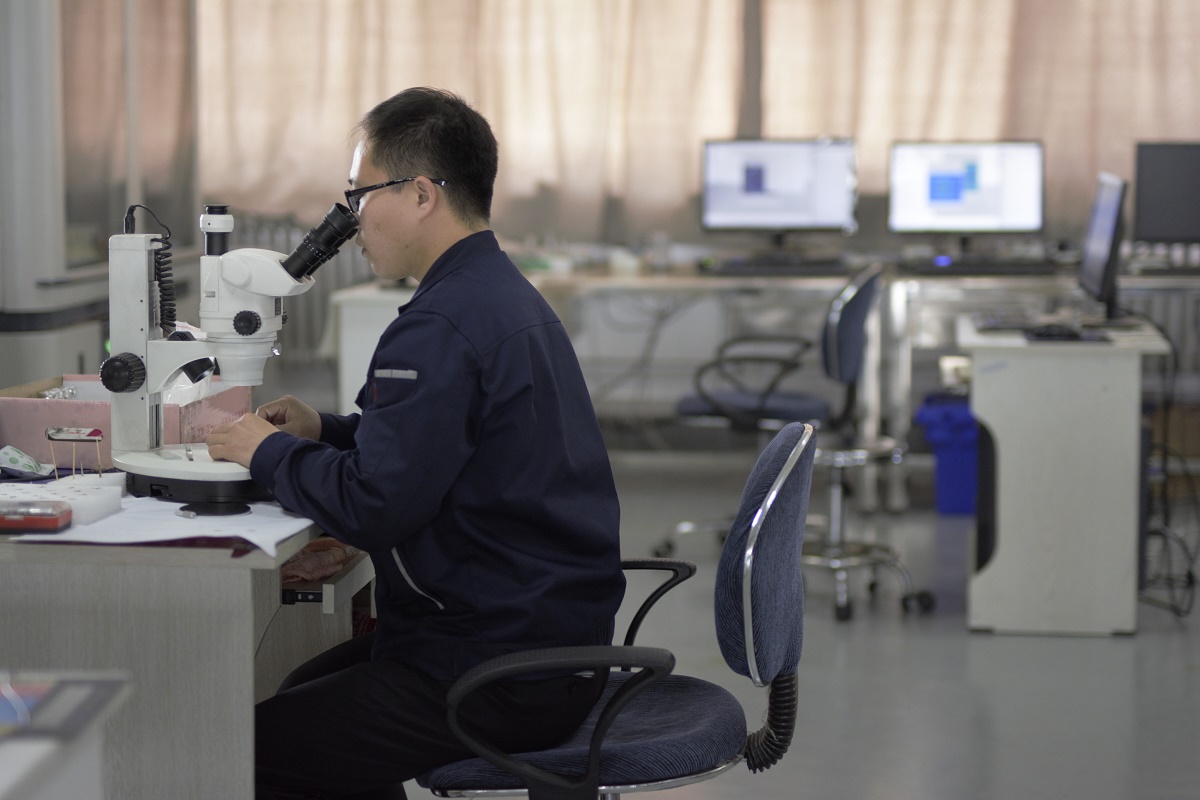
2. Universal XRD Instrument Suits Diverse New Material Testing Scenarios
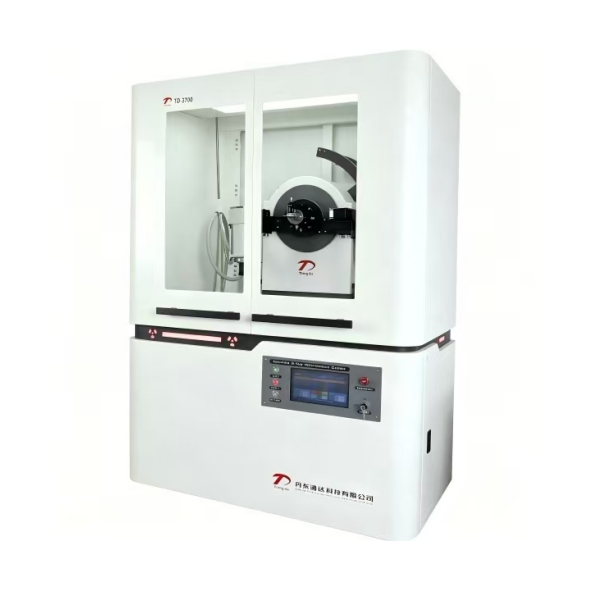
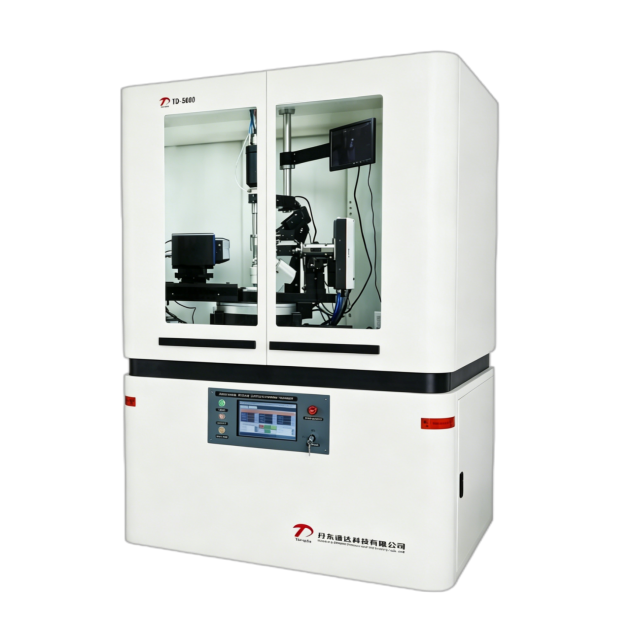
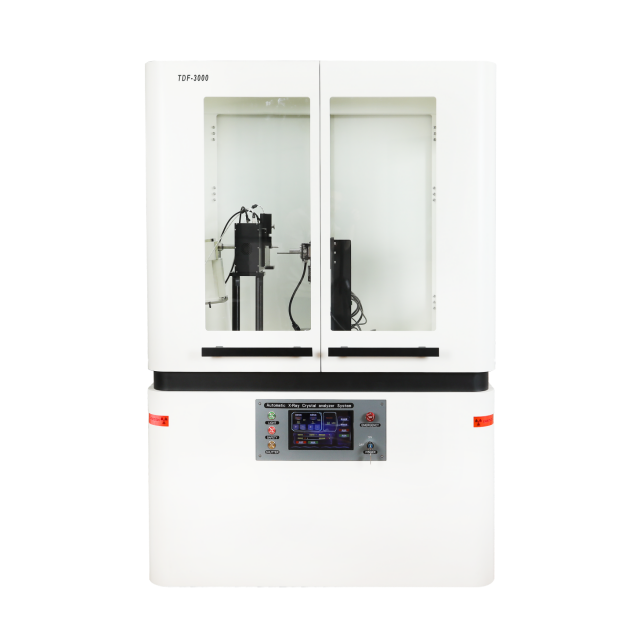
Designed and manufactured by Dandong Tongda, our universal X-ray diffractometers are purpose-built to support simultaneous, multi-directional testing across a wide spectrum of new materials research applications. Our systems accommodate a broad variety of sample forms, including powders, bulk materials, thin films, and polycrystalline metals, covering the crystallographic characterization needs of most mainstream new materials R&D.
In the new energy sector, our XRD systems enable observation of crystalline phase evolution during electrochemical cycling. In pharmaceutical research, they facilitate polymorph screening for active pharmaceutical ingredients. For semiconductor applications, optional specialized optical modules support thin-layer structure analysis. For alloy and ceramic materials, the system provides quantitative measurements of crystallite size and microstress. All diffractograms and analytical outputs meet the accepted standards for academic research in universities and research institutions.
3. Stable Modular Hardware Ensures High Precision & Operational Safety
Our instruments are equipped with industrial PLC control systems, with a minimum step size of 0.001° for the goniometer. A high-speed array detector is available as an optional upgrade, significantly reducing total scan time for high-throughput batch sample runs. The system architecture follows a standardized modular hardware design; all factory-authorized accessories and expansion modules can be installed without major disassembly of the main unit, supporting long-term laboratory evolution and future upgrade planning.
The compact chassis design is well-suited for small- to medium-sized shared laboratories. All systems are fitted with multiple radiation safety interlocks and an automatic electronic lead shutter, fully compliant with applicable radiation safety regulations to ensure operator protection at all times.
4. User-Friendly Self-Developed Analysis Software Improves Testing Efficiency
Our proprietary analysis software suite integrates essential functions including pattern smoothing, background subtraction, Kα₂ stripping, automated peak search, crystallinity calculation, unit cell parameter refinement, and pattern overlay/comparison. The user interface is intuitive and straightforward, allowing direct export of patterns in standard image formats suitable for reports and publications—no additional data conversion tools are required.
An automated batch autosampler is available as an optional accessory. When installed, it reduces the need for manual intervention and significantly improves throughput for laboratories processing large numbers of routine samples.
5. Widely Adopted by Global Academic Research Labs
A growing number of universities and research institutes are already using Tongda XRD systems in their daily operations. User feedback consistently indicates that a single, versatile Tongda diffractometer can effectively handle the routine sample testing needs of multiple research groups within an institution. This approach streamlines laboratory instrumentation, reduces long-term operating expenses, accelerates new materials development timelines, and offers significantly broader applicability compared to single-purpose specialized diffractometers.
6. Full-Lifecycle One-Stop Technical Service for Research Clients
Dandong Tongda is a specialized manufacturer of X-ray analytical instruments, with full independent intellectual property rights across our product portfolio. We provide comprehensive technical support to customers worldwide. For research institutions planning to upgrade their laboratories or establish new materials characterization platforms, we offer end-to-end support—including pre-sales application consultation, configuration recommendations, laboratory layout guidance, and long-term remote technical assistance. For inquiries regarding customized testing solutions, please contact us directly.