
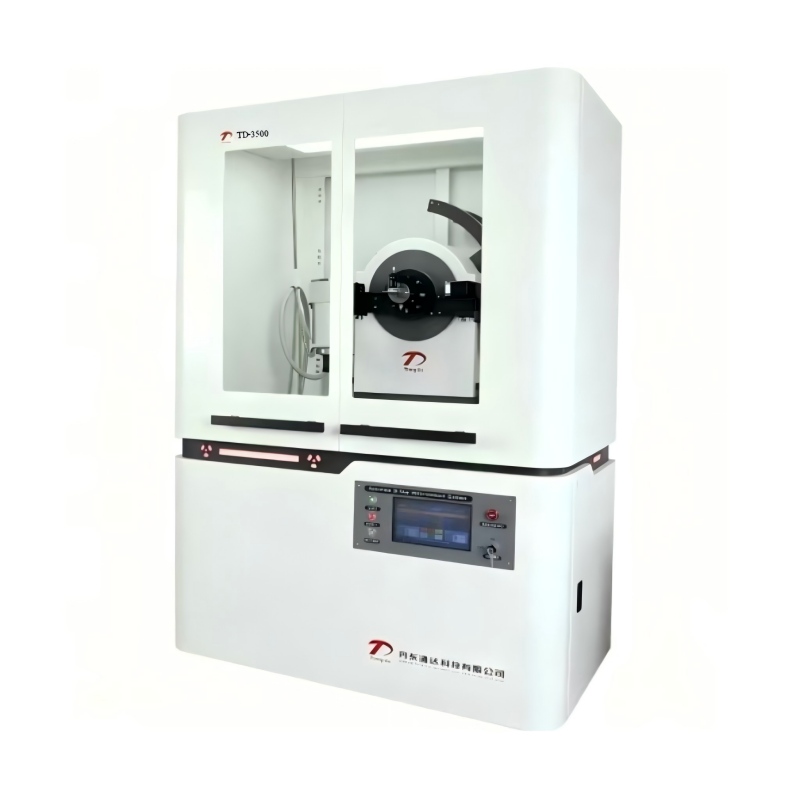
1. Product Overview: High-Stability Industrial XRD for Ceramics & Refractories
Focusing on the testing demands of ceramic body raw materials and refractory material industries, it covers core links such as raw material screening, process debugging and finished product phase detection, and provides enterprises with stable and reliable crystal structure and phase detection solutions.
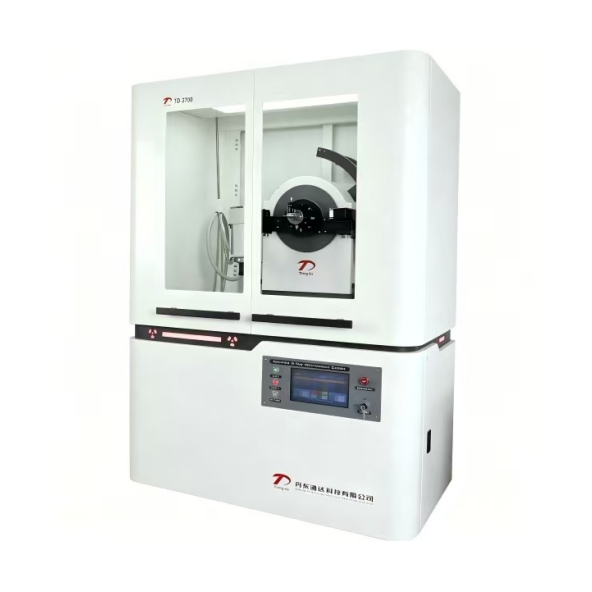
2. Industry Challenges: Limitations of Conventional Testing & Traditional XRD
The service performance of ceramics and refractory materials is determined by microstructures including internal crystal phases, crystallinity and grain size. Conventional chemical testing can only detect elemental composition, yet cannot distinguish different crystal phases of the same element, so accurate product quality control cannot be realized. The high-temperature resistance of refractory materials depends on the proportion of alumina crystal phases, while shrinkage, cracking and glaze surface quality of finished ceramic products are closely related to quartz, kaolinite and mullite components in body raw materials. Traditional XRD equipment is prone to optical path drift, poor data repeatability and unclear identification of weak peaks during long-time operation, which cannot meet enterprises’ requirements for daily factory quality inspection and formula optimization.
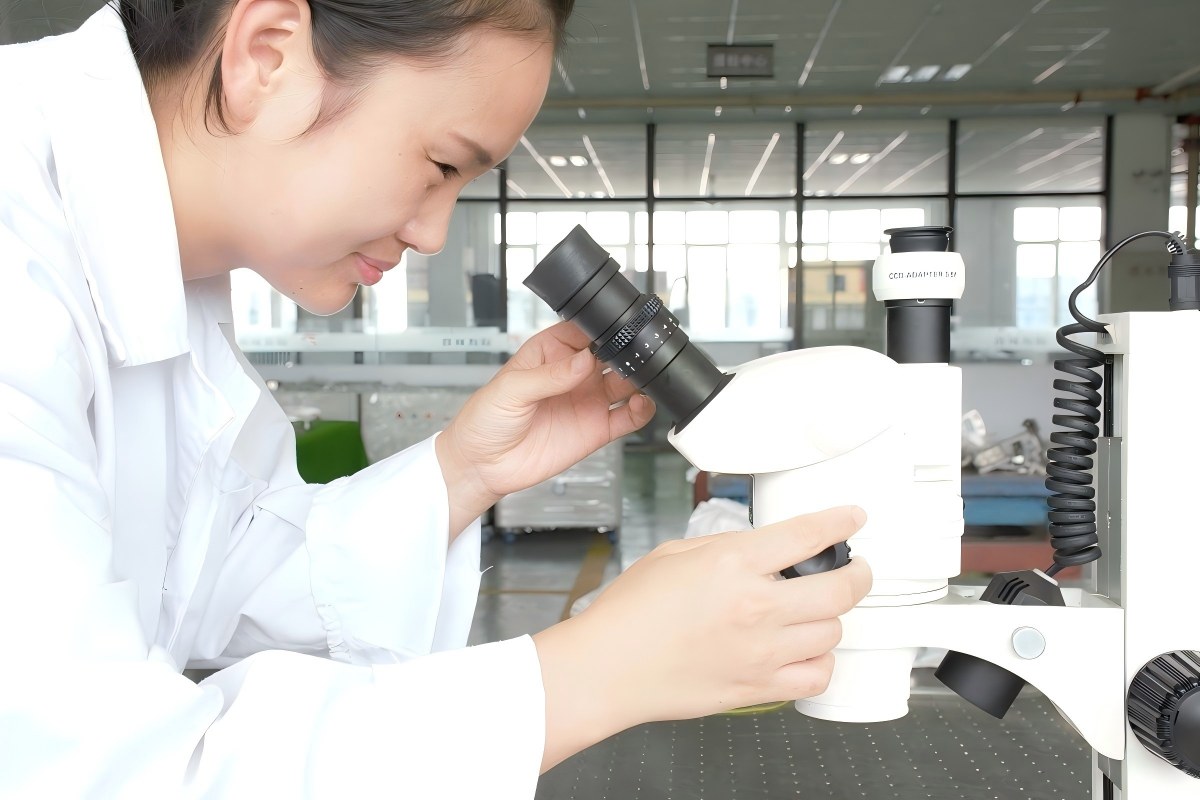
3. Hardware Advantages: Enhanced Stability for Complex Industrial Samples
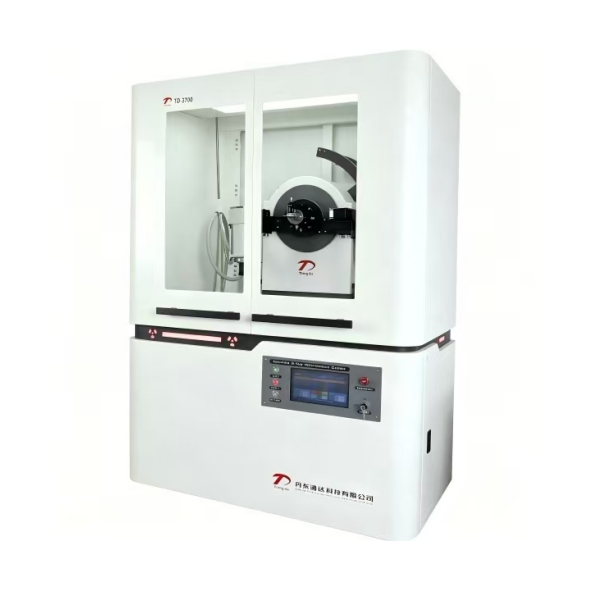
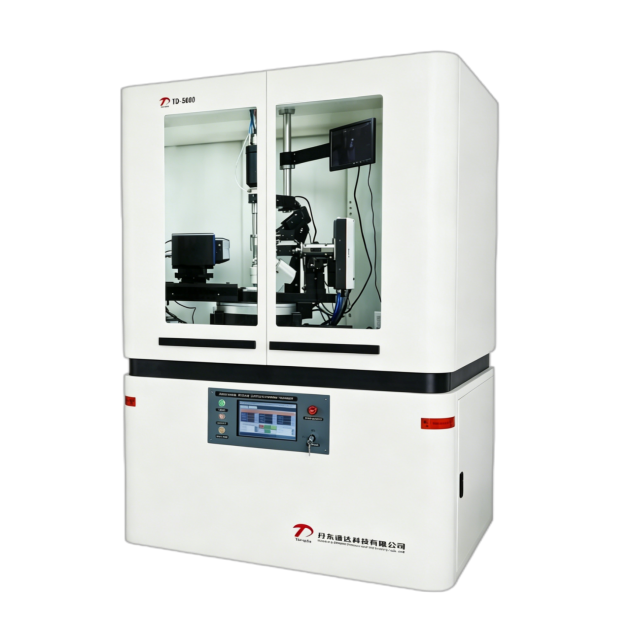
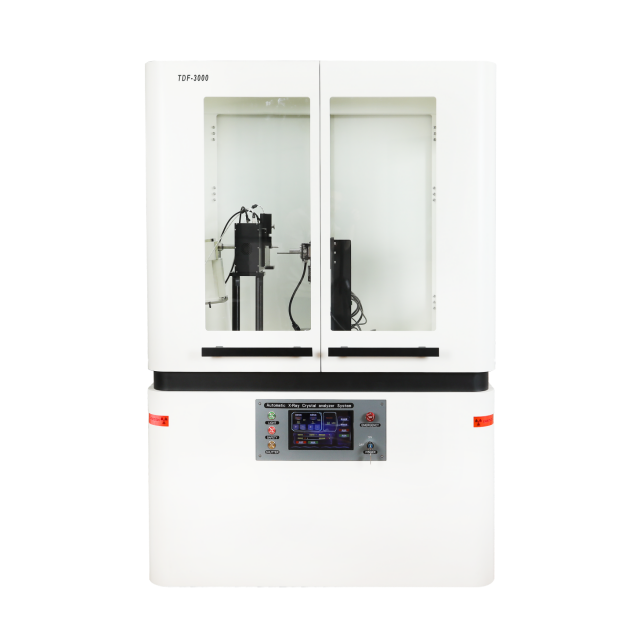
Tongda’s high-stability XRD analyzer is specially optimized for complex industrial samples like clay and multi-aggregates, with greatly improved equipment stability. Equipped with a temperature-controlled X-ray source and high-precision goniometer system, it keeps a stable baseline in long-term continuous testing and effectively reduces detection errors of powder and refractory aggregate samples. Matched with a low-background detector, it can accurately identify main, minor and trace crystal phases, helping enterprises find out harmful crystal phases that affect products’ high temperature resistance and structural stability.

4. Software & Applications: Full-Process Quality Control Support
The instrument is equipped with special basic analysis software for the industry, built-in standard diffraction databases, and supports functions including peak searching and splitting, crystallinity calculation, unit cell parameter refinement and quantitative analysis of clay minerals. It can automatically generate standardized test reports to simplify manual analysis processes and lower operation thresholds. The instrument is compatible with various samples such as refractory bricks, unfired ceramic bodies, mineral powders and body slurry. The optional rotating sample stage can reduce detection deviation caused by preferred orientation of clay samples, and the test data can be directly used for full-process quality control including raw material acceptance, process adjustment and finished product sampling inspection.
5. Design, Certifications & Overseas Services
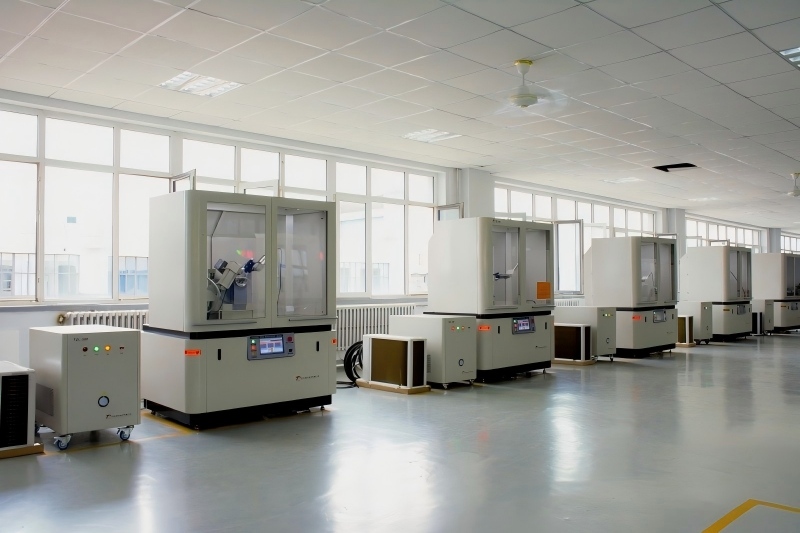
The whole machine adopts a modular structural design for convenient daily maintenance and hardware expansion. It features strong anti-interference capacity and is suitable for conventional laboratory environments in factories. The equipment has CE safety certification, and the enterprise implements standardized whole-process production management with ISO system certification. We can provide overseas customers with one-stop services including standardized equipment delivery, remote technical guidance and supporting supply of sample preparation consumables.
6. Proven Value: Delivering Refined & Digital Quality Control