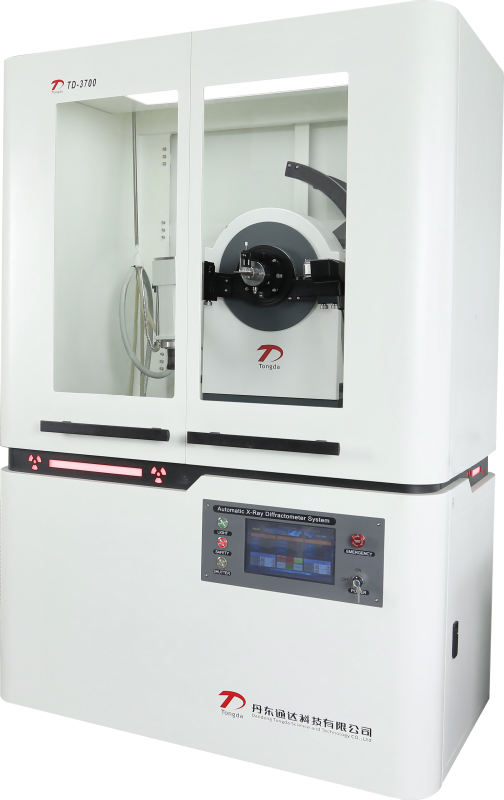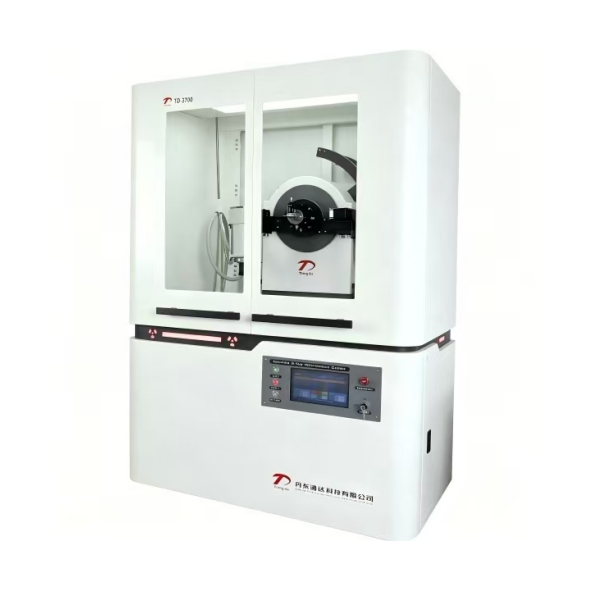
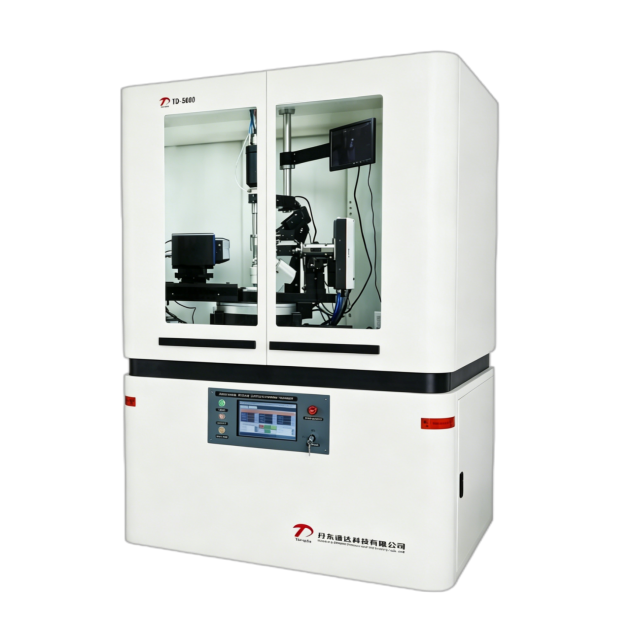
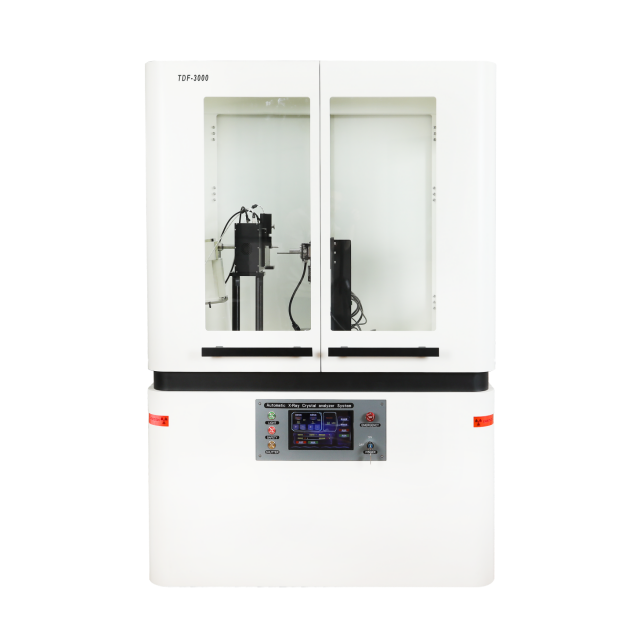
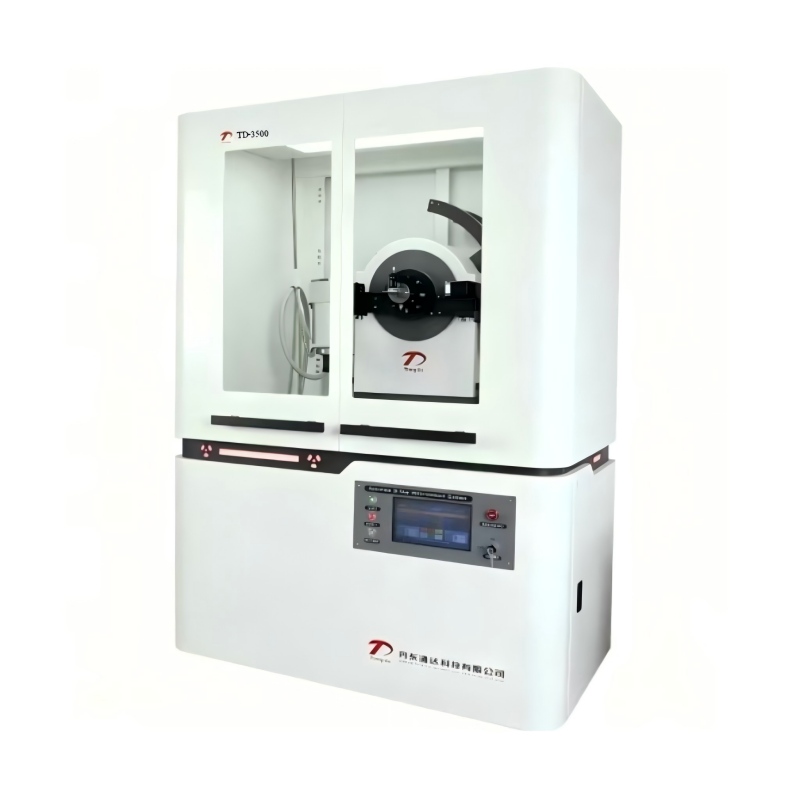
Dandong Tongda's cost-effective X-ray diffractometer enables fast, on-site raw material testing for mining, cement, and metallurgy. It simplifies QC workflows, reduces reliance on third-party labs, and empowers factories with same-day data for efficient, affordable quality control.
EmailMore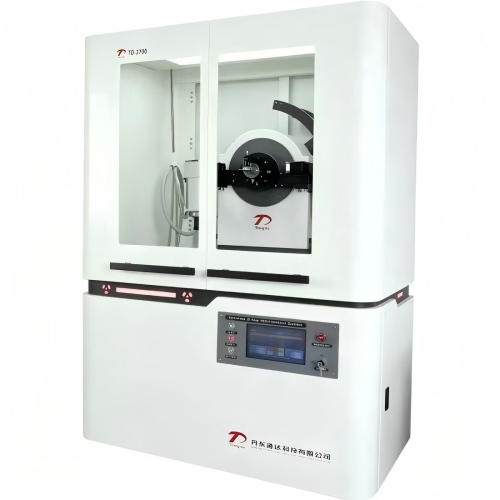
XRD is now essential for global advanced manufacturing. Dandong Tongda offers high-stability, intelligent benchtop & floor-standing XRD systems for non-destructive, high-precision material analysis, supporting R&D and QC in batteries, semiconductors, and pharma with global compliance and low operating costs
EmailMore
XRD is vital across industries: building materials (cement, concrete), mining/metallurgy (ore analysis, alloy structure), and pharma (crystallinity, polymorphs). Dandong Tongda Technology Co., Ltd. provides reliable XRD equipment for R&D and quality control, bridging lab research and industrial production.
EmailMore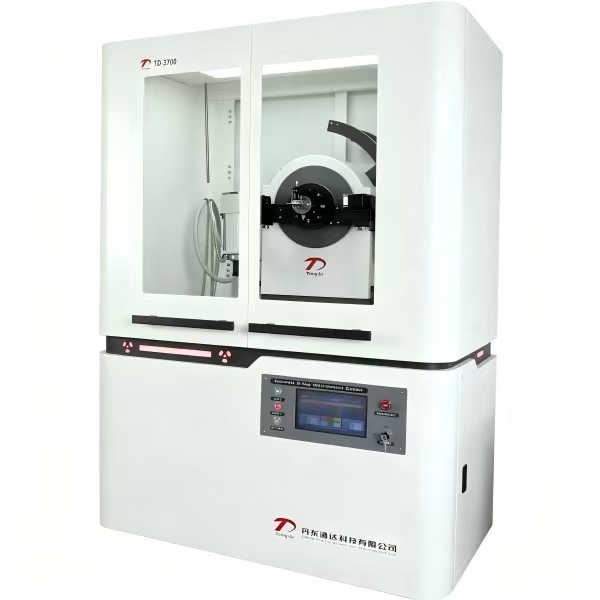
XRD is a fundamental technique for crystal structure analysis. It reveals phase, grain size, stress. Stable hardware and software ensure accuracy. Dandong Tongda offers cost-effective XRD solutions.
EmailMore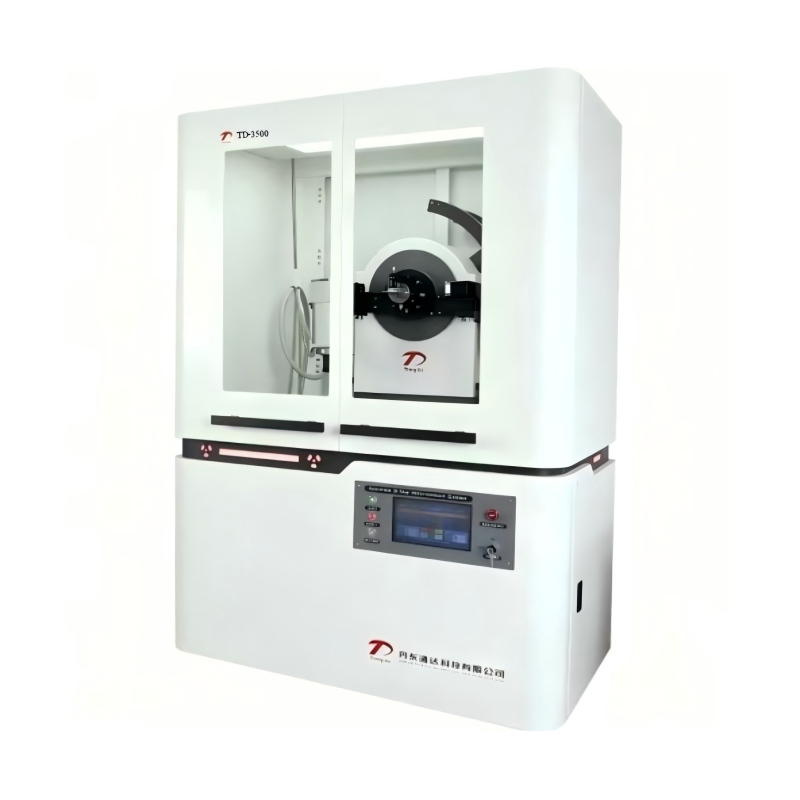
XRD calibration (wavelength, detector, zero point) and data analysis (peak fitting, Scherrer equation, Williamson-Hall) are critical for accurate crystal structure determination, phase identification, and microstructural characterization in materials science.
EmailMore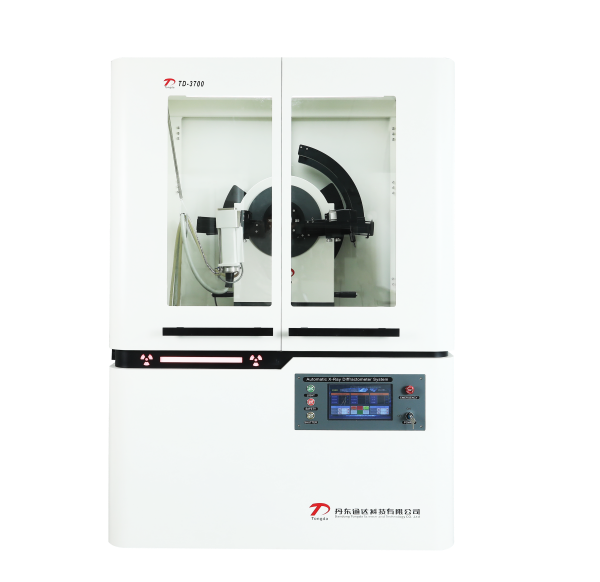
A powder diffractometer enables precise crystal structure analysis, driving innovation across pharmaceuticals, materials science, environmental monitoring, and archaeology. It accelerates R&D, solves complex structural challenges, and supports scientific breakthroughs, making it an essential tool for modern research and industrial advancement.
EmailMore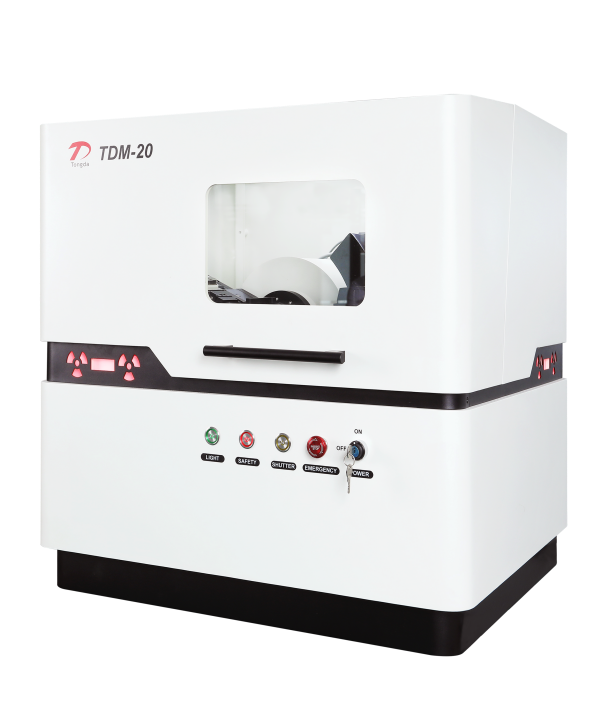
Optimizing goniometer geometry and optics is crucial for powder diffractometer performance. Bragg-Brentano geometry enables precise focus, while modern systems like Soller slits and Göbel mirrors enhance resolution. Combined with advanced detectors (e.g., 1Der), these innovations suppress noise, detect weak signals, and expand applications in materials science and industrial analysis.
EmailMore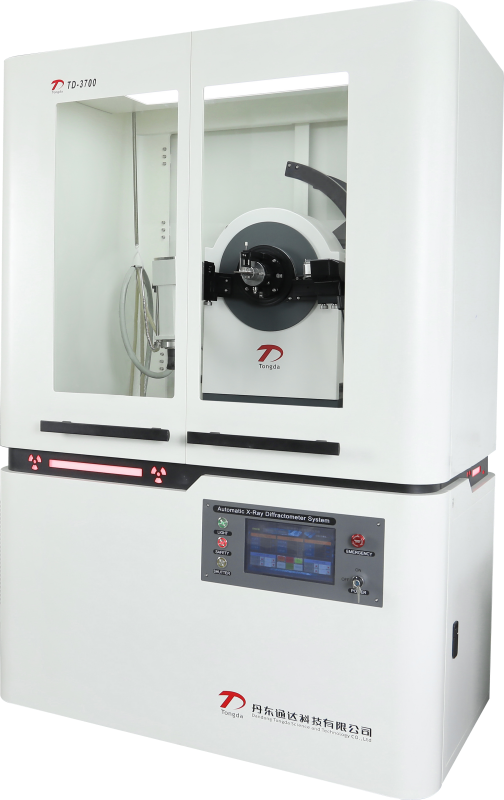
TD-3700 XRD: Key Steps & Safety Procedure: Startup prep, calibration, sample loading, scanning, data analysis. Safety: Trained operators only. Wear full protective gear (dosimeter, lead glasses). Never open door during operation. Maintain clean, stable environment. Follow strict maintenance and emergency protocols.
EmailMore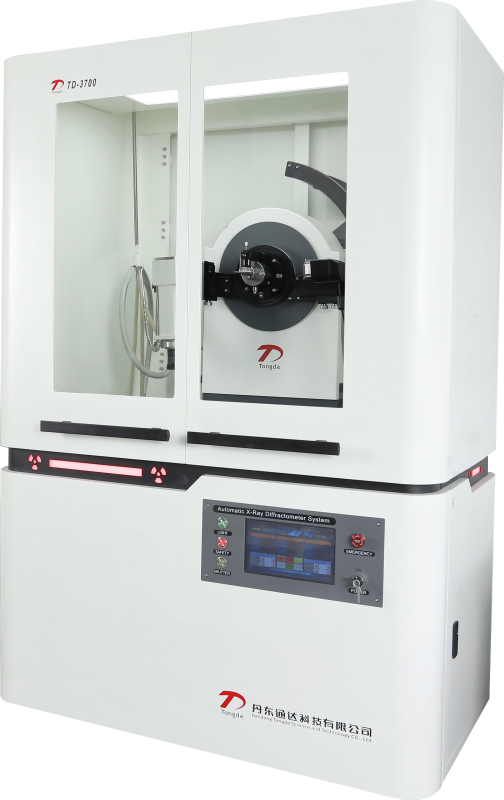
Powder XRD enables non-destructive residual stress analysis by detecting lattice strain via diffraction peak shifts, using the fixed ψ method and Hooke's law. It's vital for materials, aerospace, automotive, and manufacturing.
EmailMore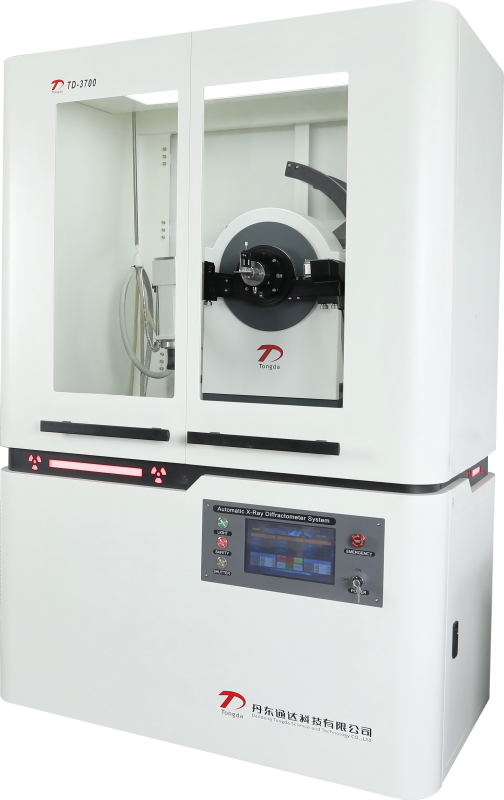
Powder diffractometer efficiency can be doubled by optimizing sample preparation (grinding, loading), instrument parameters (scan range/speed), and adopting batch processing and routine maintenance. These steps ensure high-quality data while significantly reducing experimental time and rework.
EmailMore