Products

Featured products

  • Diffractometer
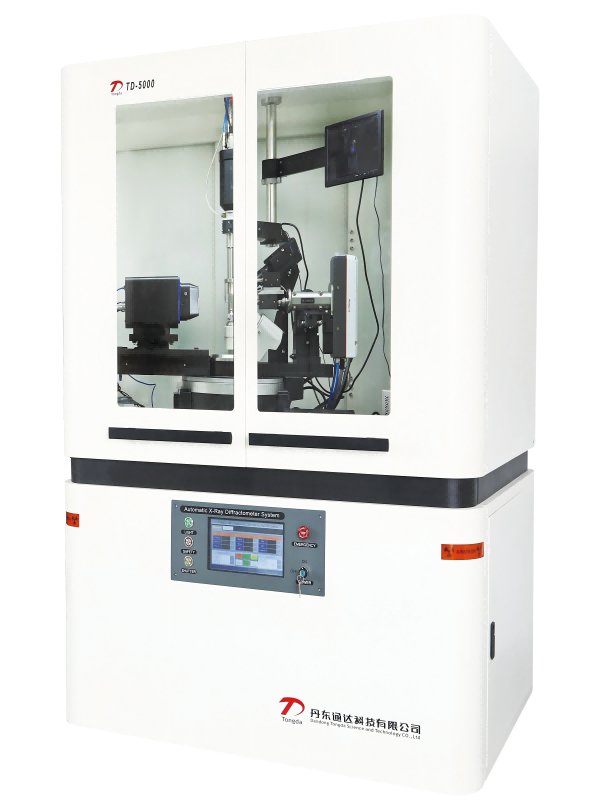
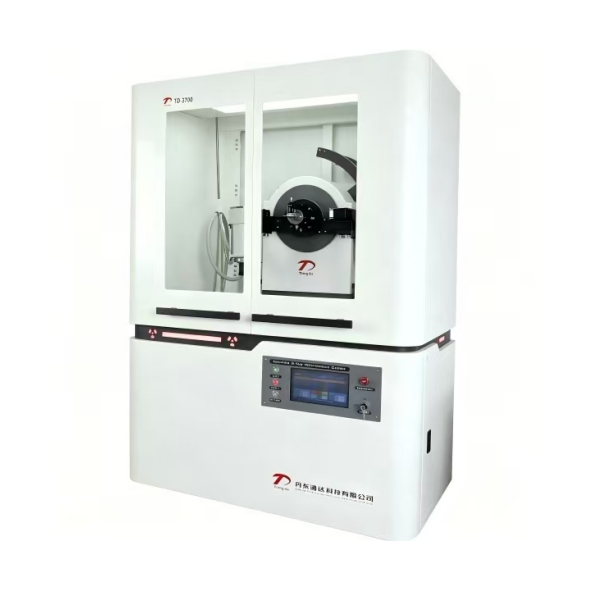
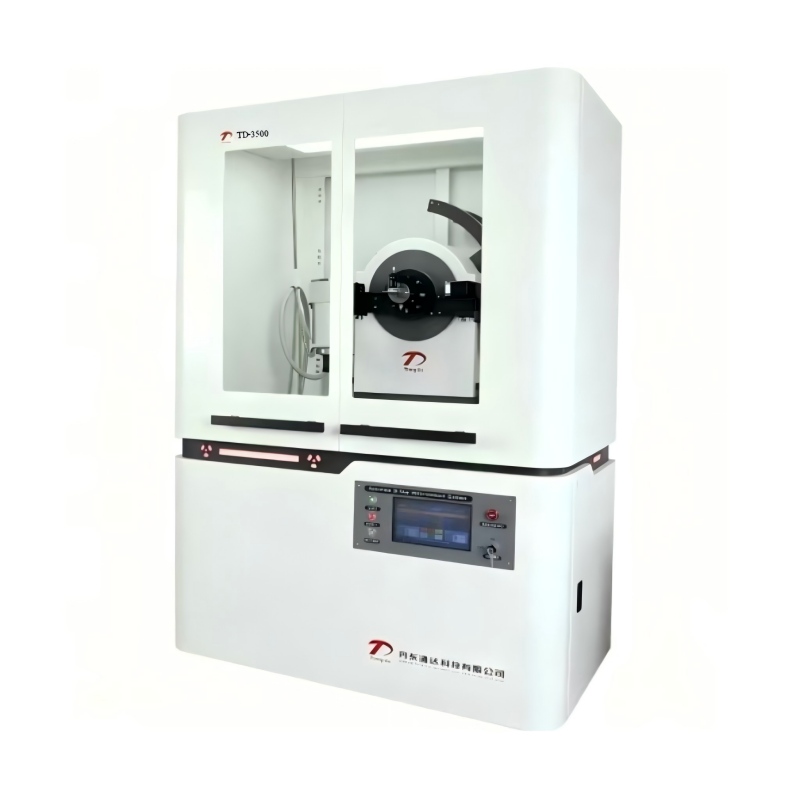
    Diffractometer
    1. The accuracy of Diffractometer is high. 2. The application range of Diffractometer is wide. 3. Diffractometer is easy to operate, convenient and efficient.
    More
  • Single Crystal XRD
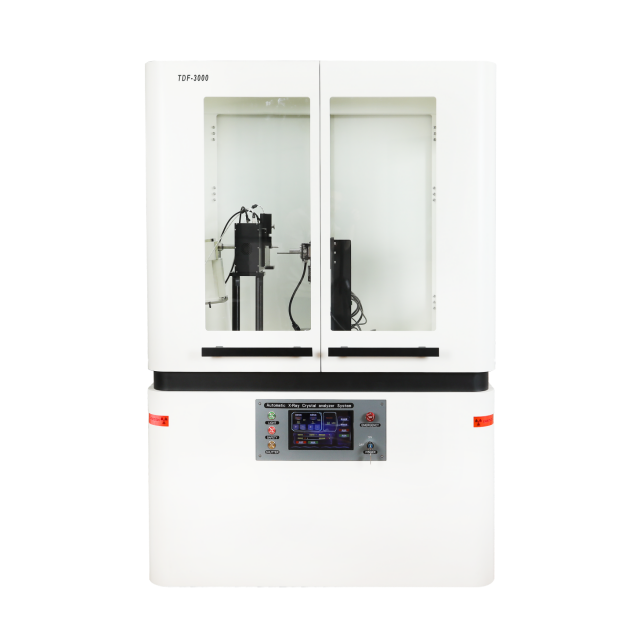
    Single Crystal XRD
    1.The single crystal machine adopts PLC control technology. 2.Modular design, accessories plug and play. 3.Electronic lead door interlocking equipment with double protection. 4.Single crystal X-ray tube: a variety of targets can be selected, such as Cu, Mo,etc. 5. Single crystal adopts four-circle concentric technology to ensure that the center of no goniometer remains unchanged.
    More
  • A 2D X-ray Diffractometer
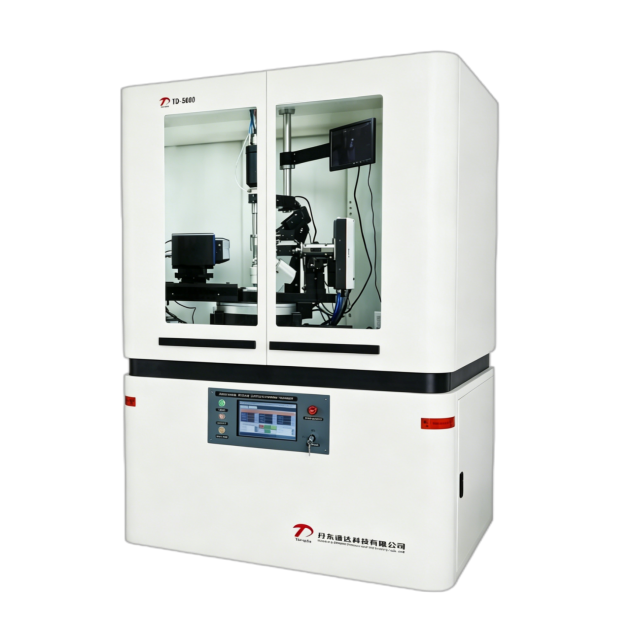
    A 2D X-ray Diffractometer
    Advantages: Continuously adjustable X-ray penetration depth Capability to observe the distribution of crystal planes with different orientations Analysis of orientation distribution in samples such as fibers, thin films, and powders Examination of structural characteristics like lattice distortion and crystallite size
    More
  • X-ray Diffraction Residual Stress Analyzer
    X-ray Diffraction Residual Stress Analyzer
    TD-RSD XRD Residual Stress Analyzer ±7MPa accuracy, dual-detector innovation, full-auto operation & powerful software. Optimize processes, enhance product reliability. Compact, efficient, leading solution.
    More

Contact us

news

  • Factors Affecting the Performance of Benchtop X-Ray Diffractometers
    Benchtop XRD performance depends on instrument resolution (FWHM <0.04°2θ), goniometer linearity (±0.02°2θ), and low-angle ability. Sample form, size, and quantity matter. Voltage, current, scan speed/range, and method are key settings. Cooling, lab environment, and maintenance ensure stability and accuracy.
    More
    2026
    03-31
  • How to Maintain a Desktop Diffractometer?
    Recommendations for desktop diffractometer maintenance: daily environment/sample/inspection care, periodic cleaning/calibration/X-ray tube/software upkeep, plus proper operation, timely repairs, and record-keeping to ensure stability and longevity.
    More
    2026
    03-27
  • Applications of X-ray Diffractometers in the Identification and Characterization of New Materials
    X-ray diffraction (XRD) is a key non-destructive technique for identifying and characterizing new materials. By analyzing diffraction patterns from crystal lattices, it determines phase composition, crystal structure, and microstructure. Critical for developing catalysts, batteries, and biomaterials, XRD enables precise analysis of thin films and structural changes, driving innovation across materials science.
    More
    2026
    03-16
  • Bridging the Nano-World: X-ray Diffractometers in Nanotechnology
    Benchtop XRD: A vital nanotechnology tool for atomic-scale analysis. It decodes crystal structure, phase composition, and grain size via diffraction patterns. Essential for understanding nano-properties, controlling synthesis, and designing composites, its enhanced resolution powers research and innovation across pharmaceuticals, energy, and electronics.
    More
    2026
    02-23
  • Desktop X-ray Diffractometer Data Analysis and Interpretation Techniques
    Desktop XRD data analysis requires steps like preprocessing, peak identification, and parameter analysis to extract crystal structure info from complex patterns, necessitating expert knowledge and ongoing skill updates
    More
    2026
    02-02
  • Role of Benchtop X-ray Diffractometers in Quality Control
    Benchtop X-ray Diffractometers are vital for quality control, providing non-destructive, precise analysis of material crystal structure, composition, and stress. They enable defect detection, process optimization, and failure analysis across R&D and production, enhancing efficiency, reliability, and compliance.
    More
    2026
    01-16
  • Daily Maintenance and Fault Prevention Guide for Benchtop X-ray Diffractometers
    This guide details essential maintenance for benchtop XRD systems, covering X-ray generation, optics, detectors, and safety. Regular upkeep ensures accuracy, prevents failures, and extends equipment life. The TDM-20 Benchtop XRD from Dandong Tongda Technology meets all your analytical needs.
    More
    2026
    01-04
  • Redefining the High-Power Standard for Benchtop X-Ray Diffractometers
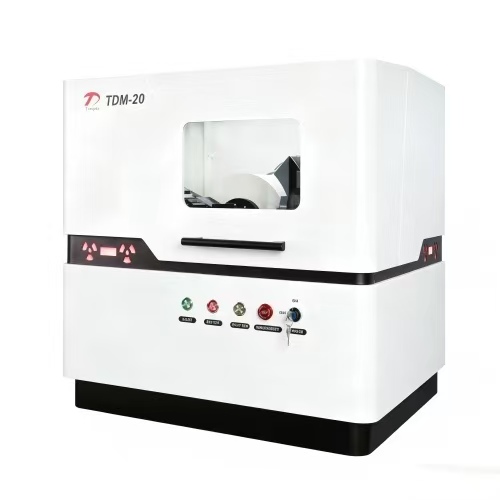
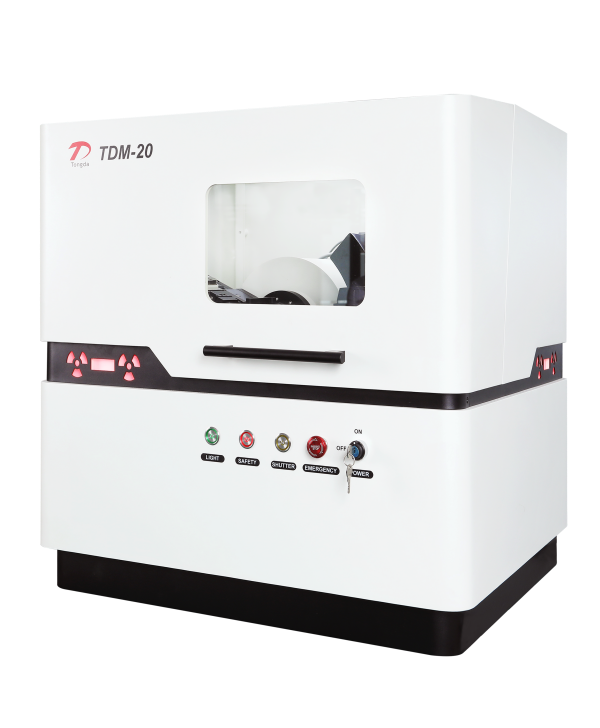
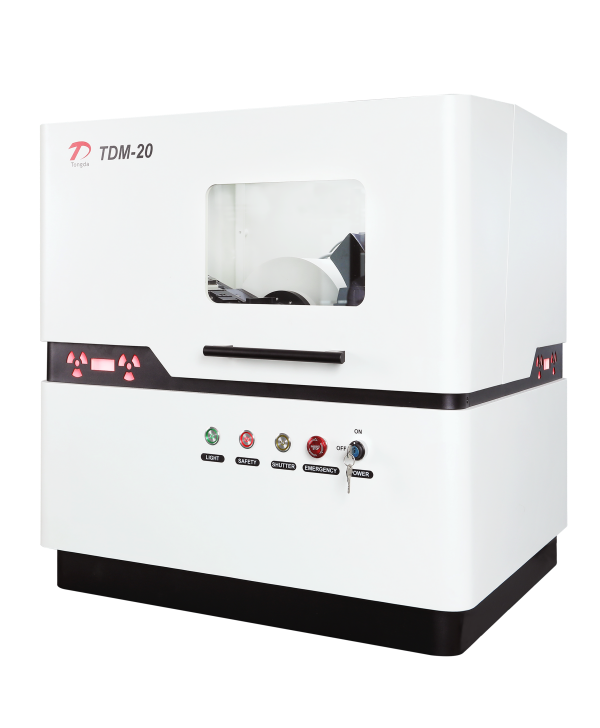
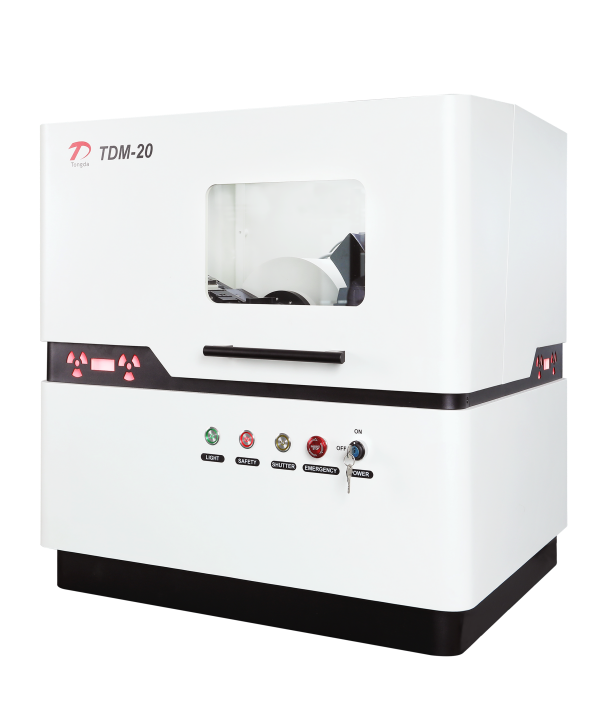
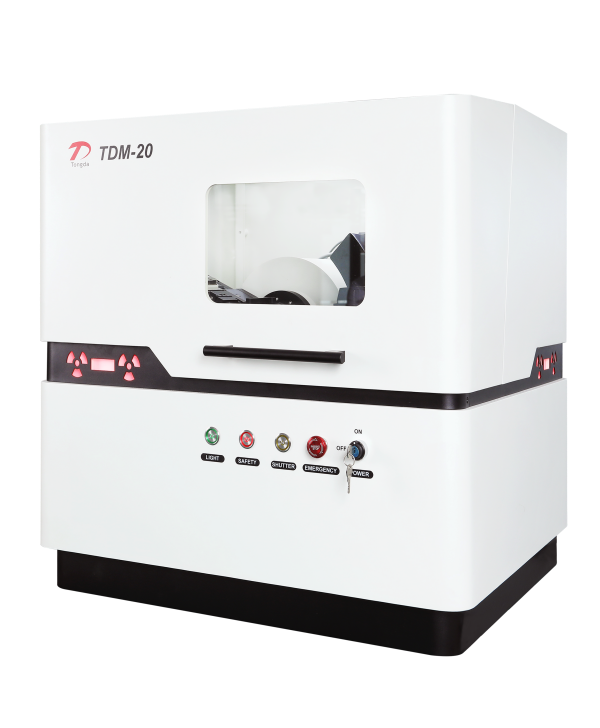
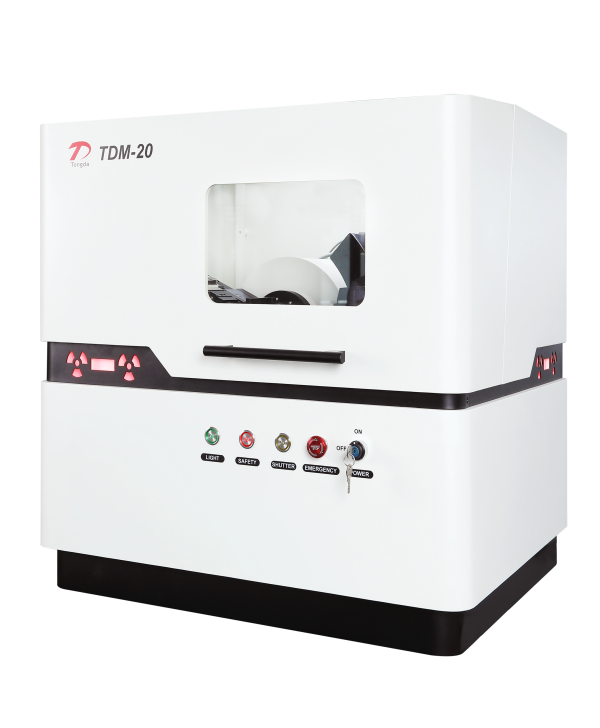
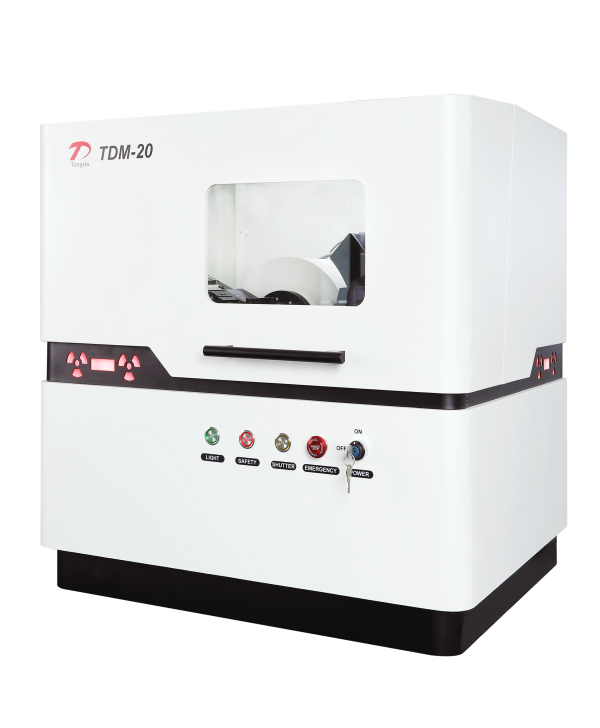
    The TDM-20 benchtop XRD redefines performance standards with a groundbreaking 1200W power core—double the mainstream level. This enables faster, more precise analysis from R&D to QC in pharmaceuticals, materials science, mining, and food safety.
    More
    2025
    12-19
  • TDM-20 X-ray Diffraction, the Key to the Microscopic World
    The TDM-20 X-ray Diffractometer (Benchtop XRD) is primarily used for phase analysis of powders, solids, and paste-like substances. Based on the principle of X-ray diffraction, it enables qualitative and quantitative analysis, as well as crystal structure analysis, of polycrystalline materials like powdered samples and metal samples. It is widely applied in industries including industry, agriculture, national defense, pharmaceuticals, mineralogy, food safety, petroleum, and education/research. Core Principle: X-ray Diffraction, the Key to the Microscopic World The TDM-20 X-ray Diffractometer operates on the principle of X-ray diffraction. When X-rays illuminate a sample, they interact with the atoms in the sample and diffract. Different crystal structures produce unique diffraction patterns, much like individual fingerprints. By analyzing these patterns, the instrument precisely reveals key information about the sample's crystal structure, phase composition, and more, uncovering the secrets hidden at the microscopic level. Performance Breakthrough The TDM-20 X-ray Diffractometer (Benchtop XRD) surpasses the previous international standard of 600W, undergoing a comprehensive upgrade to 1200W. The instrument features simple operation, stable performance, and low energy consumption. It can be equipped with either a proportional detector or a new high-speed array detector, resulting in a significant leap in overall performance. Device Features Compact size and lightweight design High-frequency, high-voltage power supply design for lower overall energy consumption Supports rapid sample calibration and testing Simplified circuit control for easy debugging and installation Full-spectrum diffraction angle linear accuracy reaches ±0.01° Rich Accessories The TDM-20 can be paired with various accessories, including a 1D array detector, proportional detector, 6-position automatic sample changer, rotating sample stage, among others. Conclusion The TDM-20 X-ray Diffractometer (Benchtop XRD) , with its outstanding performance, user-friendly operation, and broad range of applications, has become an indispensable tool across numerous industries and research fields. It acts like a "detective" of the microscopic world, helping us unravel the mysteries of material structure and driving progress in various domains. If you too seek to delve deeper into the microscopic secrets of matter, consider the TDM-20 to embark on a journey of precise and efficient research and production.
    More
    2025
    08-18
  • A powerful assistant for precise material analysis
    The TDM-20 high-power X-ray diffractometer(Benchtop XRD)is mainly used for phase analysis of powders, solids, and similar paste materials. The principle of X-ray diffraction can be used for qualitative or quantitative analysis, crystal structure analysis, and other polycrystalline materials such as powder samples and metal samples. Benchtop XRD is widely used in industries such as industry, agriculture, national defense, pharmaceuticals, minerals, food safety, petroleum, education, and scientific research. 1、Core features of TDM-20 benchtop X-ray diffractometer(Benchtop XRD): The loading of the new high-performance array detector has greatly improved the overall performance of the device, with a small size and light weight; The whole machine is integrated into the desktop size (usually ≤ 1m³), saving space and suitable for small laboratories or teaching environments;The working power of high-frequency and high-voltage power supply can reach 1600W; Quick analysis, able to calibrate and test samples quickly; By using high-performance detectors (such as two-dimensional detectors) and optimizing the optical path, sample scanning can be completed in a few minutes; Simple circuit control, easy to debug and install; The angle repeatability can reach 0.0001; Low power consumption and safety, using low-power X-ray tubes (such as ≤ 50W), equipped with multiple radiation protection, no need for special shielding rooms; User friendly, equipped with automation software, supporting one click operation, real-time data visualization, and standard database (such as ICDD PDF) comparison. 2. Typical application scenarios of TDM-20 benchtop X-ray diffractometer(Benchtop XRD): Materials Science of X-ray diffractometer(Benchtop XRD): Rapid identification of crystal structure and phase composition (such as metals, ceramics, polymers). Materials Science of X-ray diffractometer(Benchtop XRD): Industrial site testing of the crystal purity of raw materials or finished products (such as pharmaceuticals and battery materials). Materials Science of X-ray diffractometer(Benchtop XRD): Undergraduate experimental teaching, visually demonstrating the Bragg diffraction principle. Materials Science of X-ray diffractometer(Benchtop XRD): Mineral composition analysis of cultural relics or preliminary screening of field samples. 3.Technical parameters of TDM-20 benchtop X-ray diffractometer(Benchtop XRD): Project : parameter range X-ray source:Cu target (λ=1.54 Å), Mo target optional Voltage/current:10-50 kV/0.1-2 mA Angle measuring instrument range:0-90 ° 2θ (some models can be extended) Angle resolution:≤ 0.01 ° Detector type: one-dimensional linear or two-dimensional surface detector Sample size: Powder (milligrams), film or block 4.Advantages and limitations of TDM-20 benchtop X-ray diffractometer(Benchtop XRD): Advantages: Low cost (about 1/3-1/2 of large XRD), easy maintenance. Support non-destructive analysis and simple sample preparation (such as directly placing powder). limitations: The resolution and sensitivity are slightly lower than high-end devices, and may not be suitable for ultra-fine structural analysis. Extreme condition testing (such as high-temperature/high-pressure in-situ experiments) is usually not feasible.
    More
    2025
    04-07

Get the latest price? We will reply as soon as possible (within 12 hours)

top