

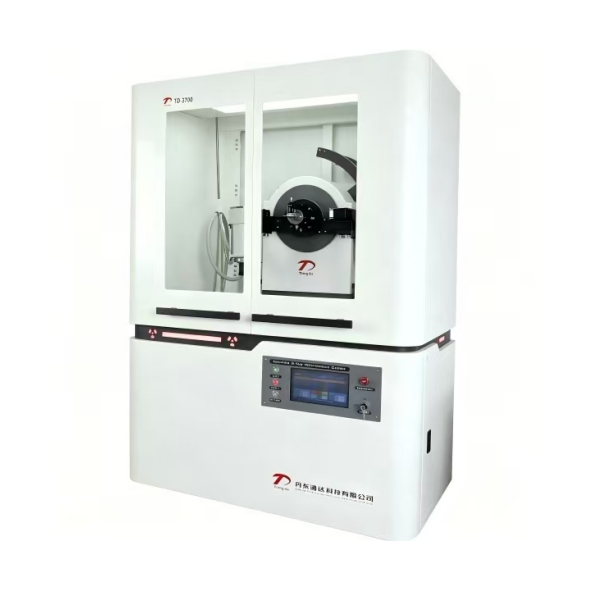
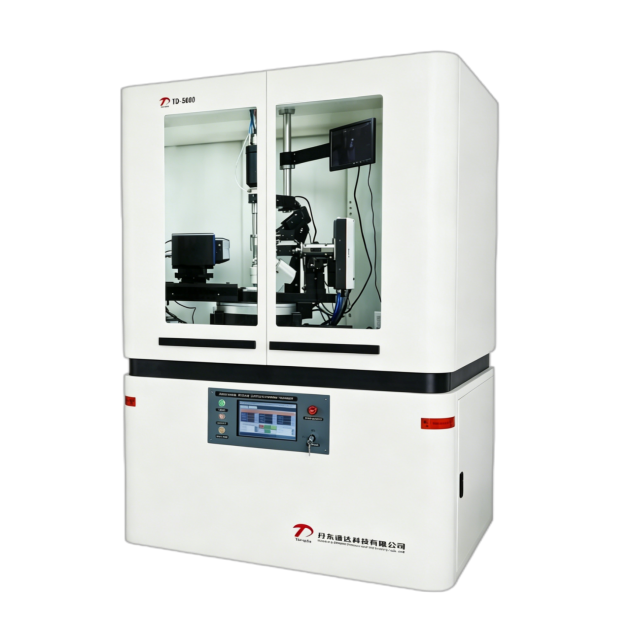
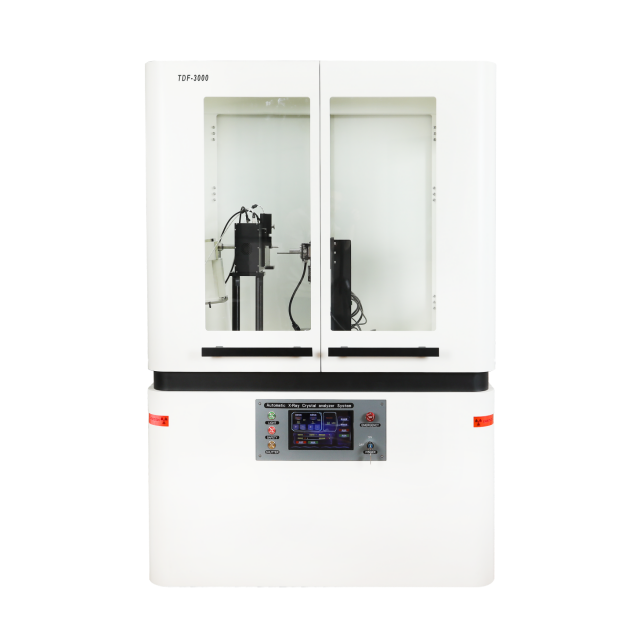
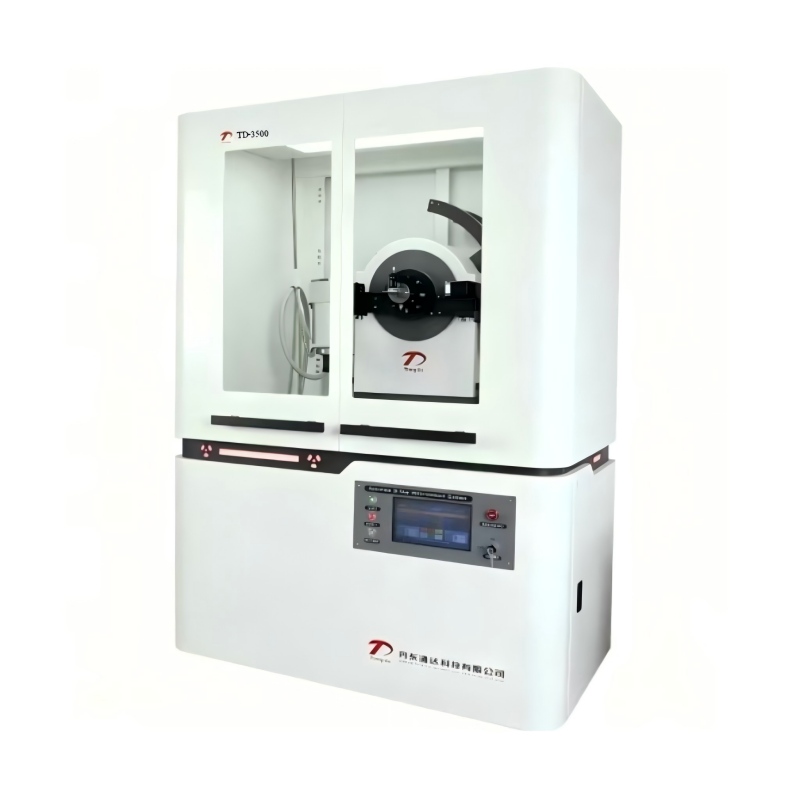
In the field of materials science, the identification and characterization of new materials are critical steps that directly determine whether a material can be successfully applied in various industrial and scientific research fields. X-ray diffraction (XRD) technology is a powerful analytical method used to determine the crystal structure and phase composition of materials. This non-destructive testing technique provides detailed information about the microstructure of materials, which is essential for the development and optimization of new materials.
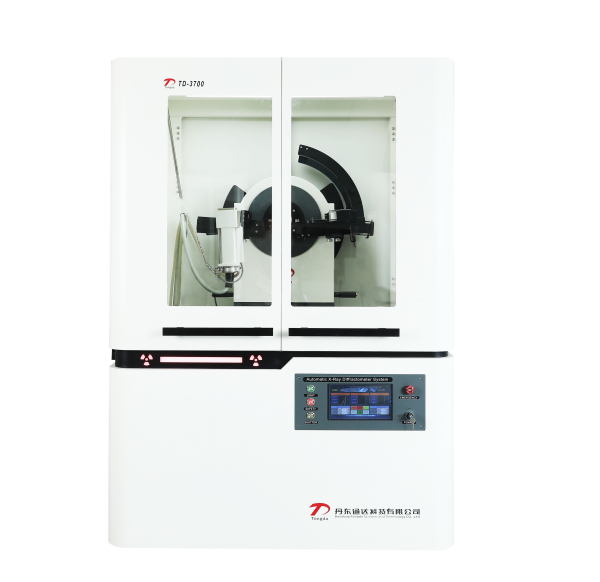
The basic principle of an X-ray diffractometer involves the interaction between X-rays and the crystal lattice. When a beam of monochromatic X-rays is directed onto a material, scattering occurs due to the periodic electric field generated by the regularly arranged atoms within the crystal. In specific directions, these scattered waves interfere with each other, producing diffraction. By measuring the diffraction pattern—specifically, the angles and intensities of the X-ray diffraction peaks—information such as crystal symmetry, lattice constants, atomic positions, and phase composition can be deduced.
With the advancement of science and technology, XRD technology has also undergone significant progress. Traditional XRD instruments have been replaced by more advanced equipment, such as high-resolution X-ray diffractometers and energy-dispersive X-ray diffractometers. These devices provide more precise data, reduce measurement time, and offer greater flexibility in sample testing.
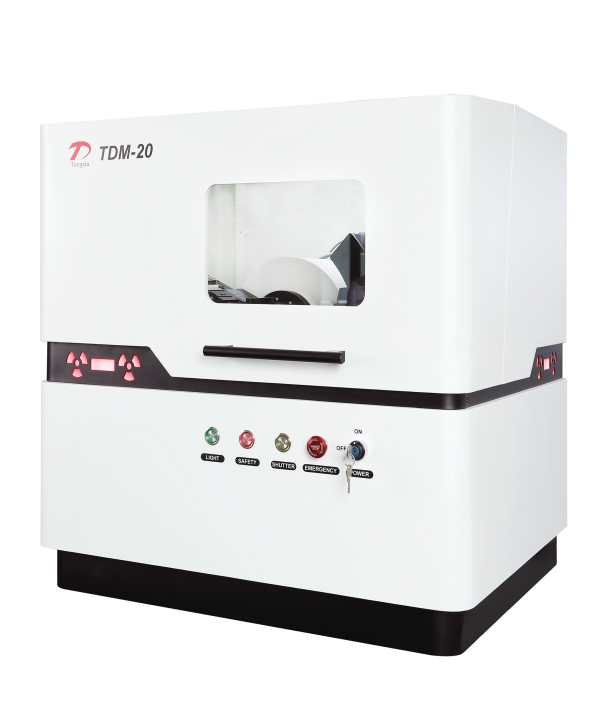
In the identification of new materials, XRD technology is widely used to determine the crystalline phases of unknown materials. By indexing the diffraction peaks and calculating lattice parameters, researchers can identify different crystalline phases present in a material, even trace impurities. This is particularly important for the study of multiphase materials such as catalysts, battery materials, ceramics, and alloys.
Beyond phase identification, XRD technology is also a powerful tool for studying changes in the crystal structure of materials. For example, during the synthesis of alloys or nanomaterials, monitoring changes in diffraction peaks allows researchers to understand information such as thermal stability, stress states, and grain size. This information is critical for comprehending the physical and chemical properties of materials.
Furthermore, the application of XRD technology in materials science extends to the characterization of thin films and multilayer structures. With the development of the semiconductor industry, precise control over parameters such as film thickness, interface quality, and lattice mismatch has become increasingly important. XRD technology provides a non-destructive method for evaluating these parameters, which is significant for process optimization and product quality control.
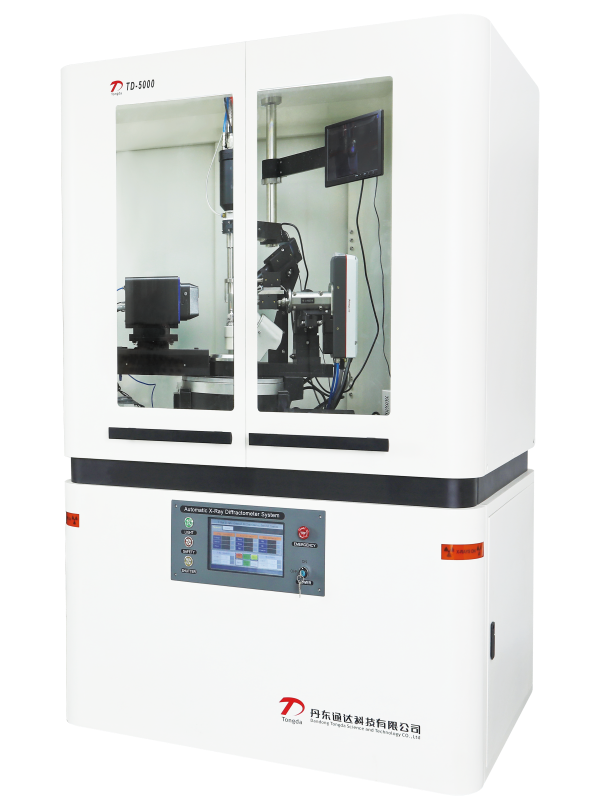
In the field of biomaterials, XRD technology also finds applications. For instance, in drug design and protein crystallography, XRDis used to reveal the three-dimensional structures of drug molecules and biological macromolecules, which is crucial for the development of new drugs and understanding their functions.
X-ray diffractometers are indispensable tools in the research and development of new materials. They not only help scientists identify and characterize the crystal structure of materials but also provide key insights into material properties. As technology continues to advance, we can foresee that XRD technology will continue to play a critical role in the field of materials science, driving the development and application of new materials.