

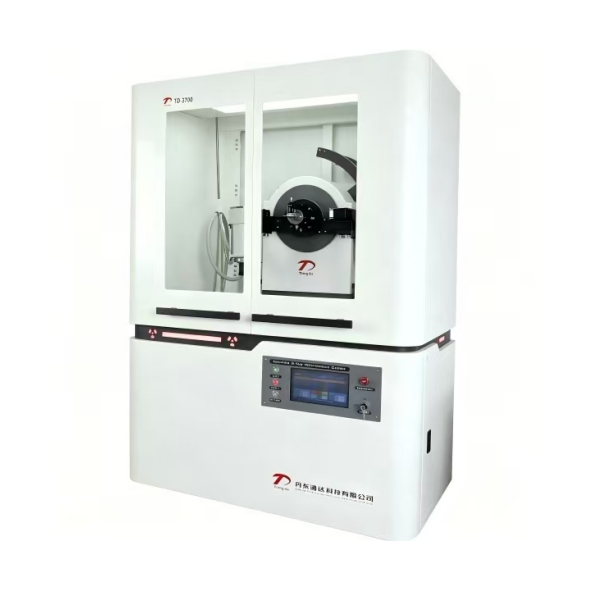
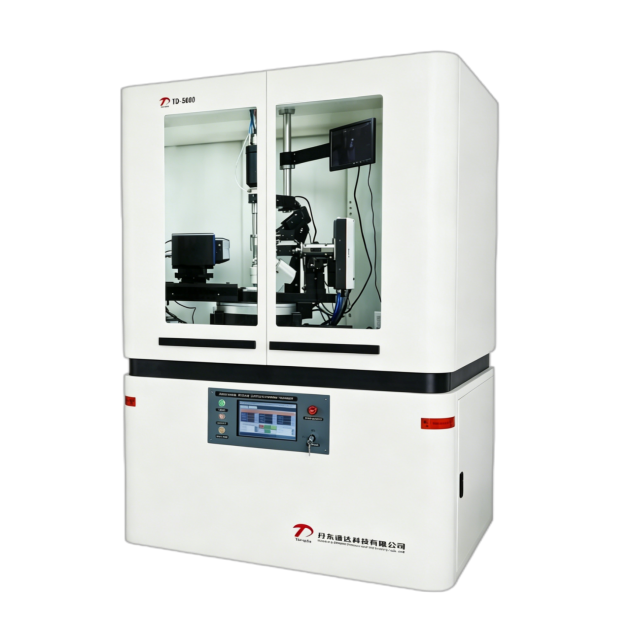
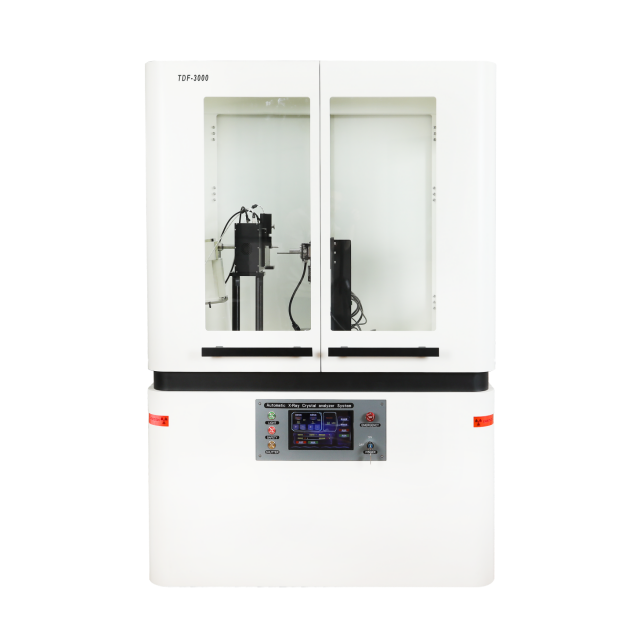
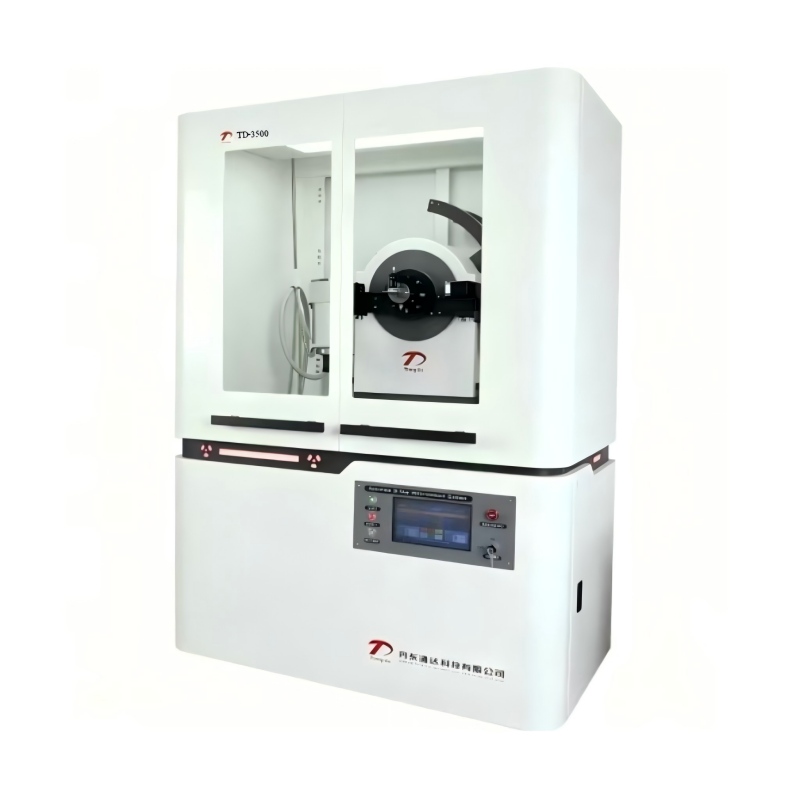
X-ray diffractometeris an essential instrument in laboratories for analyzing the crystal structure of materials. It works by measuring the diffraction intensity of X-rays as a function of the angle to obtain information about crystal structure, phase composition, grain size, and more. However, during long-term use, X-ray diffractometers may encounter some common failures that affect their analytical performance. These common failures and their solutions are outlined below to ensure the instrument operates stably and accurately.
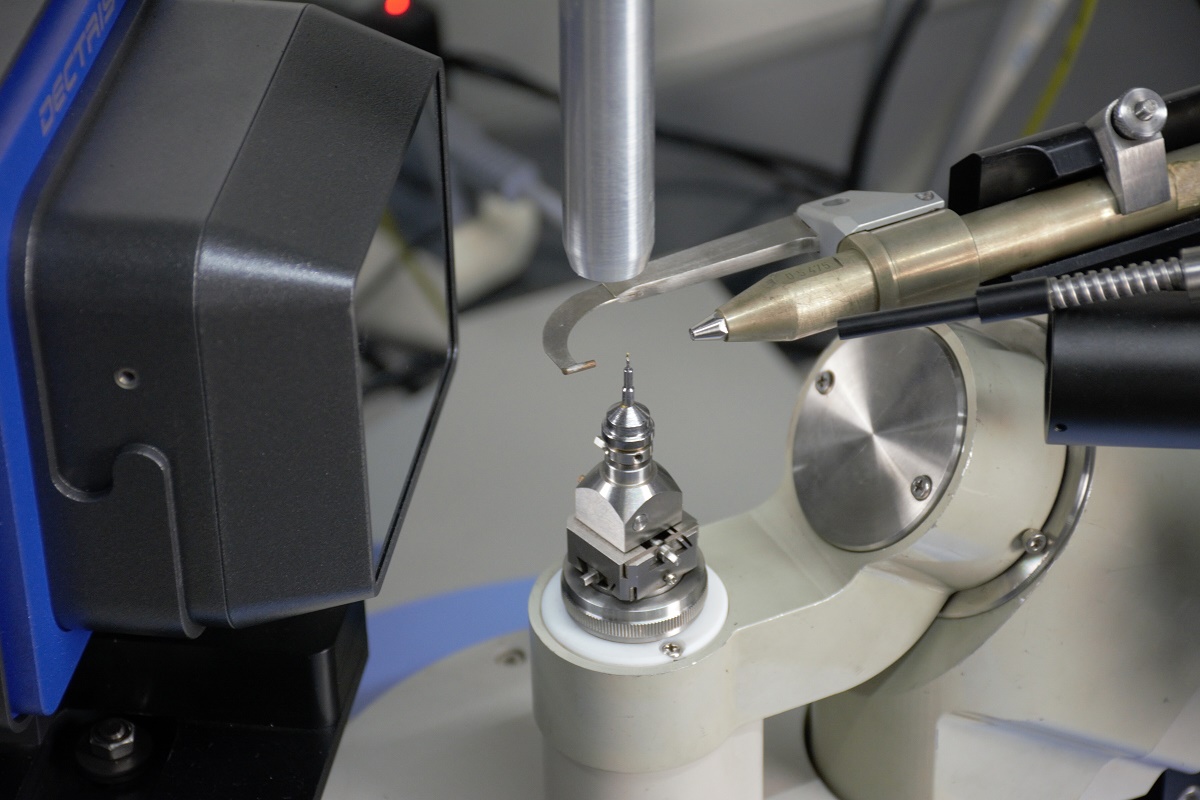
1. Inaccurate Sample Positioning
Failure Description: The sample position shifts during the testing process, leading to inaccurate diffraction data.
Solutions:
Check the sample holder: Ensure the sample holder is not damaged or deformed, as this can prevent the sample from being placed stably.
Adjust the sample positioning system: Inspect and adjust the sample positioning system, including mechanical adjustment screws and positioning sensors, to ensure they can accurately secure the sample.
Use a calibration standard: Regularly check the instrument's accuracy using a calibration standard. If a shift is detected, make adjustments based on the calibration results.
2. Decreased Detector Sensitivity
Failure Description: The detector's response capability decreases, resulting in weakened diffraction peak intensity and a lower signal-to-noise ratio.
Solutions:
Check the detector's operating environment: Ensure there are no strong magnetic fields or electromagnetic interference around the detector, as these factors can affect detector performance.
Regular maintenance and calibration: Perform regular cleaning, maintenance, and calibration of the detector according to the manufacturer's recommendations.
Replace aging components: Some components within the detector (such as photomultiplier tubes) will gradually age over time. Timely replacement of these aging parts can restore detector performance.
3. Insufficient Cooling System Efficiency
Failure Description: The cooling system for the X-ray tube and detector fails to provide adequate cooling, causing the instrument to overheat.
Solutions:
Check coolant circulation: Ensure the circulation system for the coolant (usually water or a special coolant) is functioning correctly, with no leaks or blockages.
Clean the radiator: Regularly clean dust and dirt from the radiator to maintain good heat dissipation.
Replace worn pumps or seals: Pumps and seals in the cooling system can wear out over time; timely replacement can prevent a drop in cooling efficiency.
4. X-ray Generator Failure
Failure Description: The X-ray generator cannot produce X-rays with sufficient intensity, affecting the progress of diffraction experiments.
Solutions:
Check the power supply and high-voltage system: Ensure the power supply and high-voltage system of the X-ray generator are stable, without fluctuations or interruptions.
Replace the X-ray tube: The X-ray tube is a consumable item with a limited lifespan. If the generator fails, a new X-ray tube may need to be installed.
Maintain electrical connections: Regularly inspect and maintain the electrical connections of the X-ray generator to ensure they are not loose or corroded.
5. Software and Control System Issues
Failure Description: The control software crashes or cannot correctly control the instrument, making it impossible to perform diffraction experiments.
Solutions:
Software updates and patches: Ensure the control software is the latest version and that all necessary updates and patches have been installed.
Check computer hardware: The computer controlling the X-ray diffractometer needs sufficient processing power and memory. If the computer hardware is outdated, an upgrade may be necessary.
Network and data transmission: Ensure the network connection between the instrument and the computer is stable and that data transmission is free from interference.