
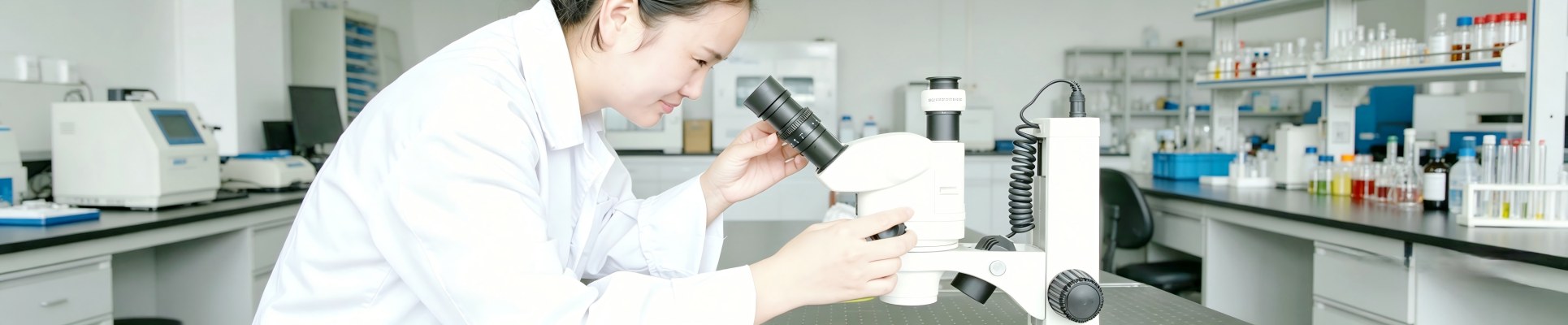
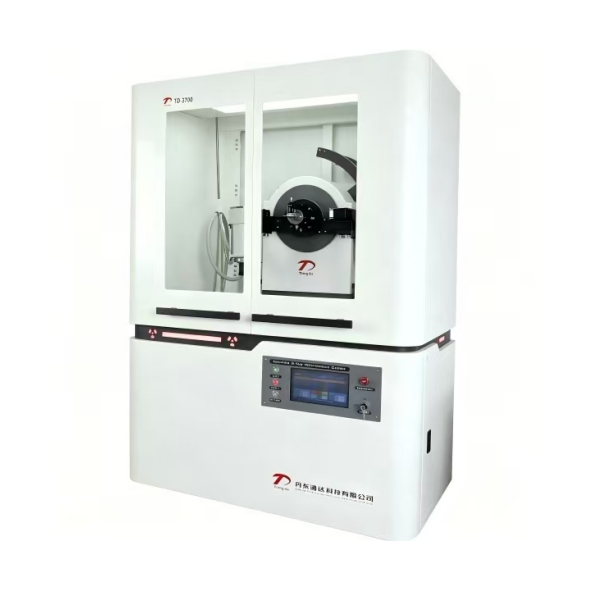
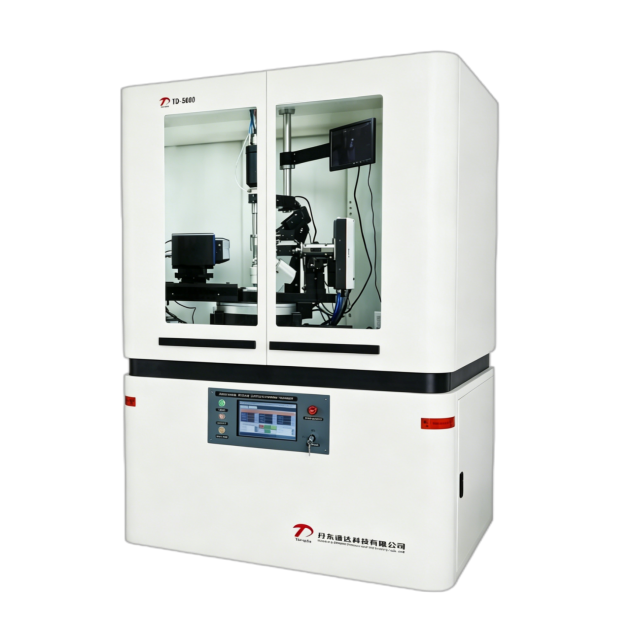
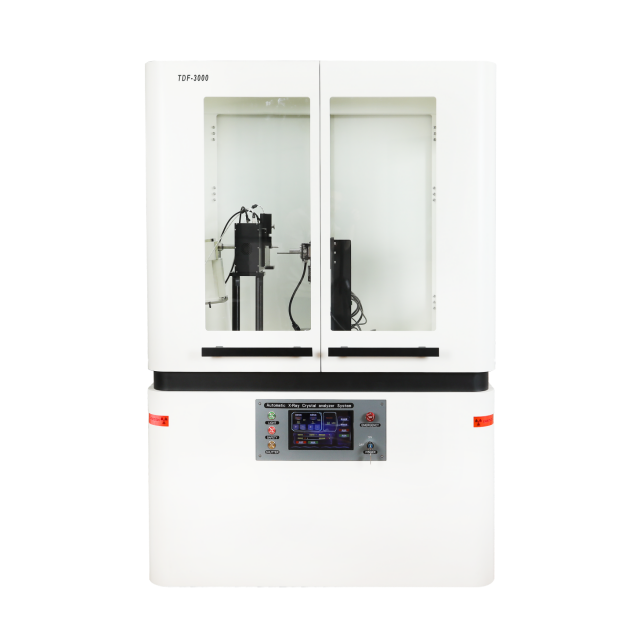
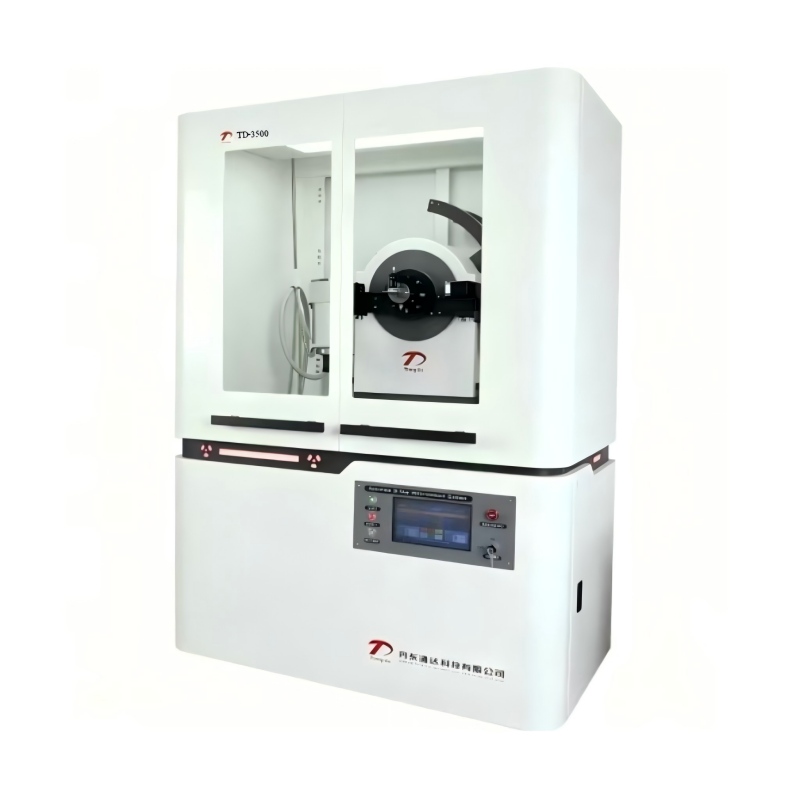
A desktop diffractometer, particularly a benchtop X-ray diffractometer, is a high-precision scientific instrument. Its maintenance and care are crucial for ensuring stable operation and extending its service life. The following are recommendations for the maintenance and care of desktop diffractometers:
I. Daily Maintenance
Operating Environment Management
Ensure the instrument is placed in a dust-free environment with a constant temperature (recommended temperature between 15°C and 25°C, with temperature variation less than 1°C), moisture protection (relative humidity maintained between 20% and 80%), vibration isolation, and protection from corrosive substances.
Maintain cleanliness around the instrument to prevent dust and dirt accumulation. Also, ensure proper laboratory ventilation and cleanliness.
Sample Handling
Samples must be prepared and processed according to the requirements of the X-ray diffractometer user manual, ensuring no impurities or interfering substances that could affect the experiment.
After each test, promptly recover the sample and clean the sample holder using an appropriate solvent (e.g., anhydrous ethanol) to prevent contamination and corrosion.
Sample holders (e.g., glassware) are fragile; handle with care to avoid breakage, and clean them promptly after use.
Instrument Inspection
Before use, inspect the instrument to ensure it is in normal condition. Verify its integrity, especially checking for loose connections, cracks, etc.
Regularly inspect key components such as the sample holder, detector, oscilloscope, and X-ray tube to ensure they are in good working order.
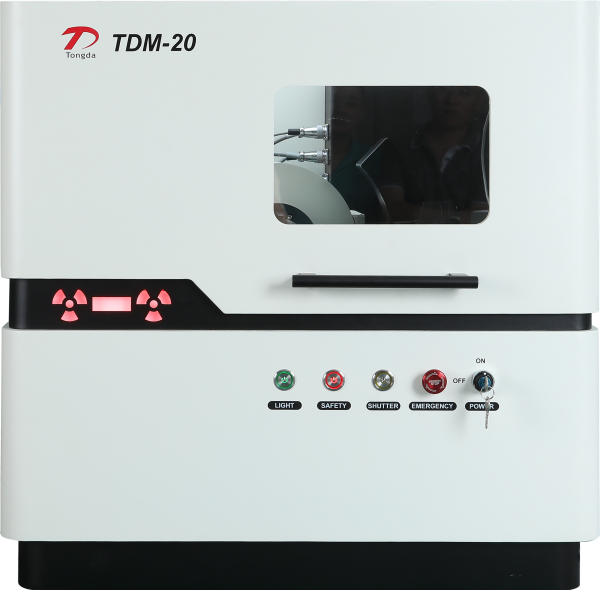
II. Periodic Maintenance
Cleaning
Perform a thorough cleaning of the diffractometer regularly, including easily contaminated areas such as the sample stage and detector window.
Use a soft cloth and appropriate cleaning agents for cleaning; avoid using hard objects or corrosive cleaning agents.
Calibration
Calibrate the diffractometer regularly to ensure the accuracy of measurement results.
Calibration should be performed by qualified professionals following the instrument's calibration procedures.
X-Ray Tube Maintenance
The X-ray tube is a core component of the diffractometer and requires regular cleaning and inspection.
Check the X-ray tube's insulation resistance value, vacuum level, and consumables; replace them when necessary.
Software Updates and Maintenance
Regularly check for and update the diffractometer's control software to ensure compatibility and functionality.
Software updates should be performed by qualified professionals following the instrument's software update procedures.
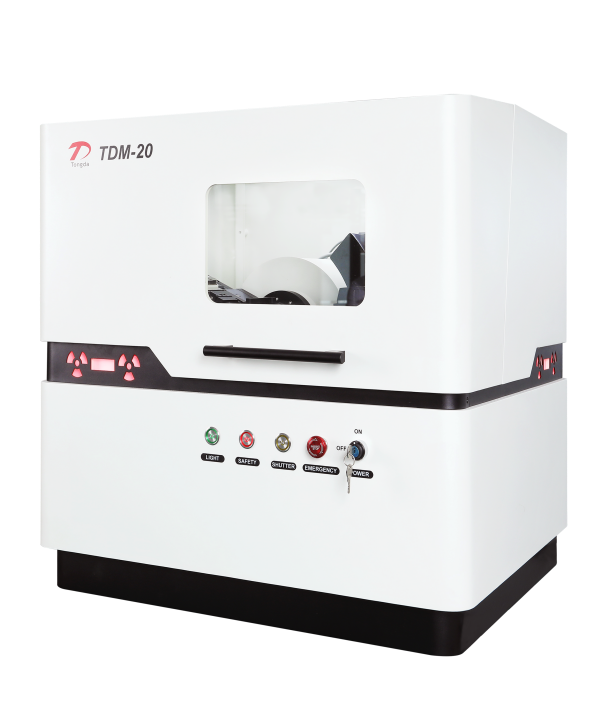
III. Other Considerations
Correct Operation
Operators should be trained and familiar with the diffractometer's operating instructions to avoid damage caused by improper operation.
During experiments, closely monitor the instrument's response and make adjustments as necessary.
Timely Repairs
If the diffractometer malfunctions or exhibits abnormal behavior, promptly contact qualified personnel for repair.
Disconnect the instrument's power supply before repairs and follow the instrument's repair procedures.
Recording and Tracking
Establish a record-keeping system for instrument maintenance and care, documenting the time, content, and results of each maintenance activity.
Through recording and tracking, potential instrument issues can be identified promptly, and appropriate measures can be taken.
The maintenance and care of a desktop diffractometer require comprehensive consideration of multiple aspects, including daily maintenance, periodic maintenance, correct operation, timely repairs, and recording and tracking. Only by performing these tasks thoroughly and meticulously can the stable operation of the diffractometer be ensured and its service life extended.