

X-ray diffraction is a fundamental analytical technique used to identify the crystal structure of materials. It has become one of the most widely used detection methods in materials science, geology, chemical engineering, and manufacturing, playing an irreplaceable role in both scientific research and industrial production. Its core value lies in its ability to reveal the internal atomic arrangement and crystallographic information of materials at the microscopic level, providing a scientific basis for material development, quality control, and performance optimization.
All solid crystalline materials have a regular internal atomic arrangement. When X‑rays strike a sample, they interact with the atoms in the crystal lattice, producing reflection and scattering, which in turn generate diffraction phenomena in specific directions. This phenomenon is similar to the interference fringes produced by light passing through a grating and has unique characteristics — each crystalline material has its own specific diffraction pattern, as unique as a "fingerprint." By collecting and analyzing diffraction patterns and spectral data with professional equipment, researchers can accurately obtain core information such as phase composition, crystal structure, lattice parameters, grain size, and stress state, thereby assessing the material's properties and application potential. For example, the position of diffraction peaks can be used to identify phases, the peak width can be used to calculate grain size, and peak shifts can be used to analyze residual stress.
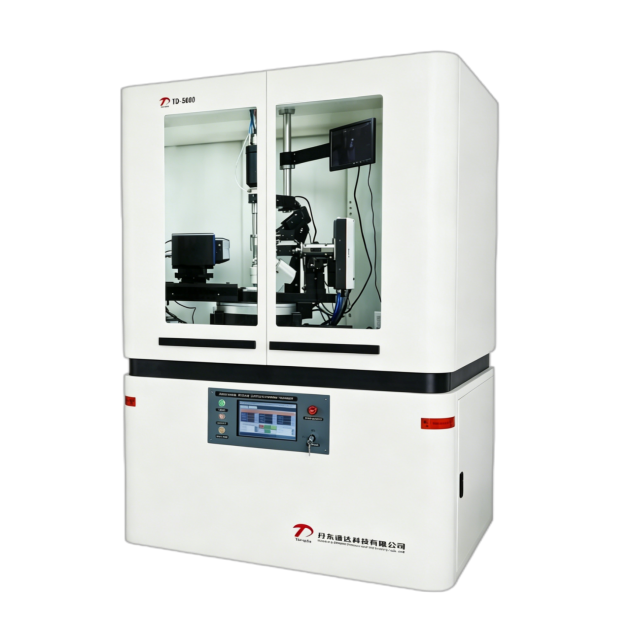
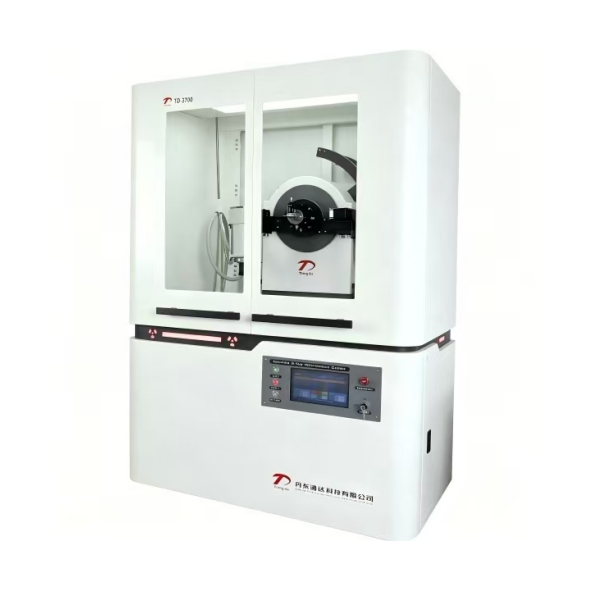
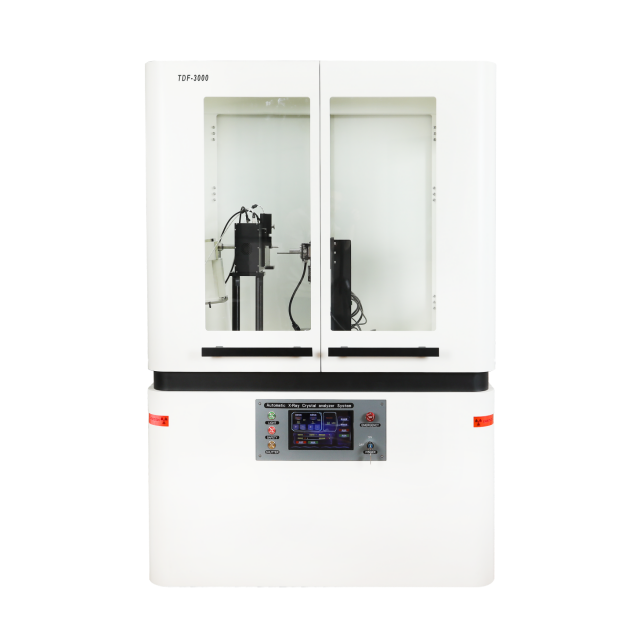
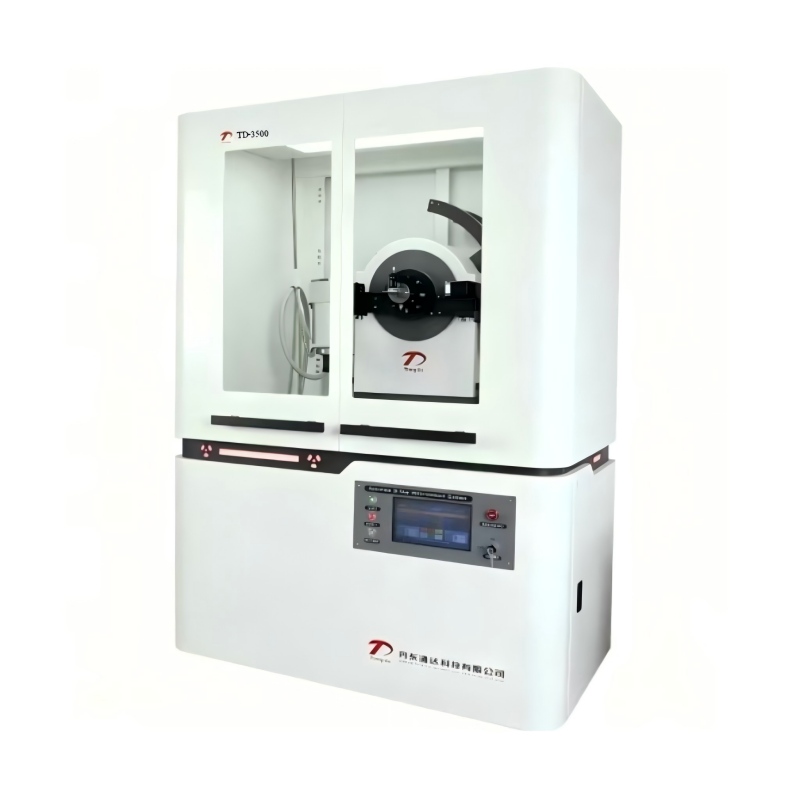
XRD analysis requires professional diffractometers. A complete X-ray diffraction system typically includes an X‑ray generator, a precision goniometer, and a high‑sensitivity detector. Stable hardware is the foundation for obtaining high‑quality data, and when combined with specialized analysis software, it ensures the accuracy and repeatability of test results, preventing equipment errors from affecting experimental conclusions. Furthermore, different sample types (powder, bulk, thin film, etc.) and different testing requirements (qualitative analysis, quantitative analysis, structure refinement, etc.) impose varying demands on the instrument's optical path system, scanning speed, angular resolution, and other parameters. Therefore, choosing a stable and flexible XRD instrument is crucial for both laboratories and production lines.
As a professional manufacturer of XRD equipment, Dandong Tongda Technology Co., Ltd. has been deeply engaged in this industry for many years, consistently focusing on optimizing instrument stability and detection efficiency. Leveraging mature R&D expertise, strict quality control, and a deep understanding of user needs, the company provides cost‑effective X‑ray diffraction solutions for laboratories and industrial production lines worldwide. Whether for basic research or industrial quality control, Dandong Tongda's XRD products help researchers overcome technical bottlenecks, assist enterprises in improving product quality, and continuously drive innovation and development in the materials industry.