

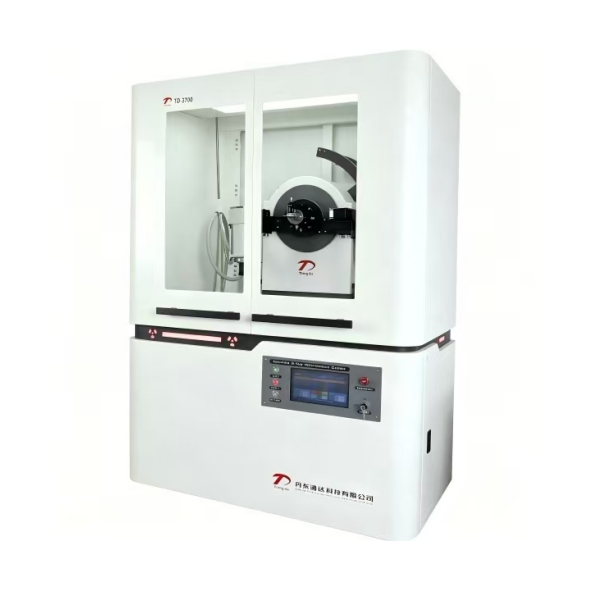
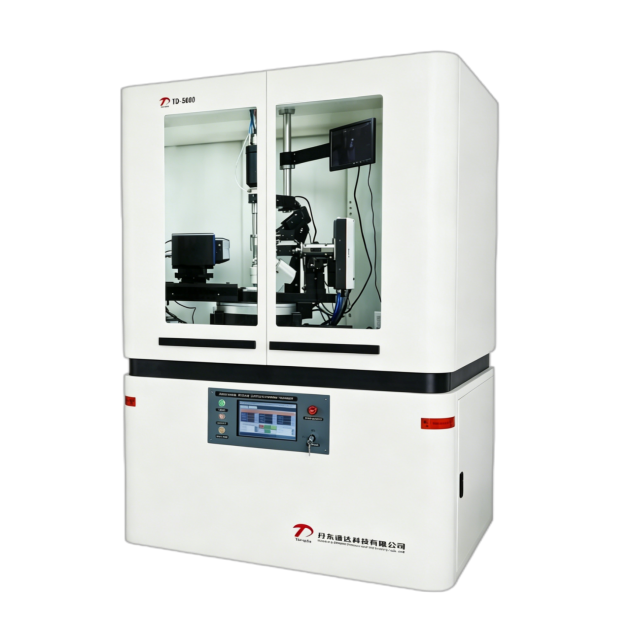
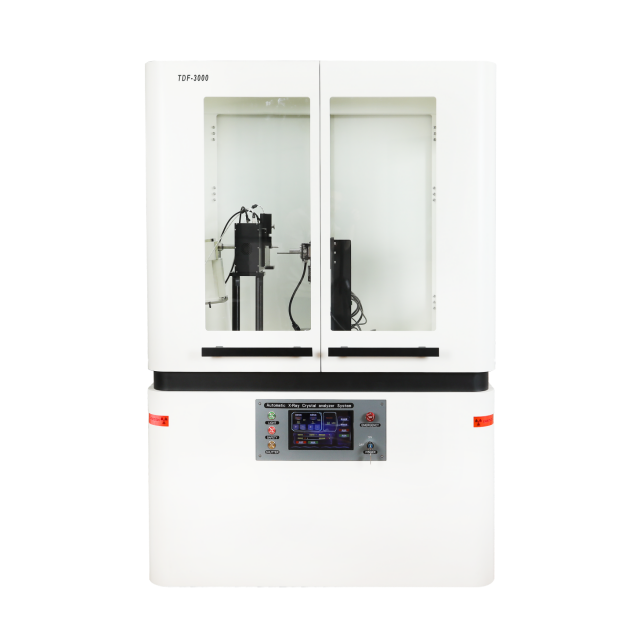
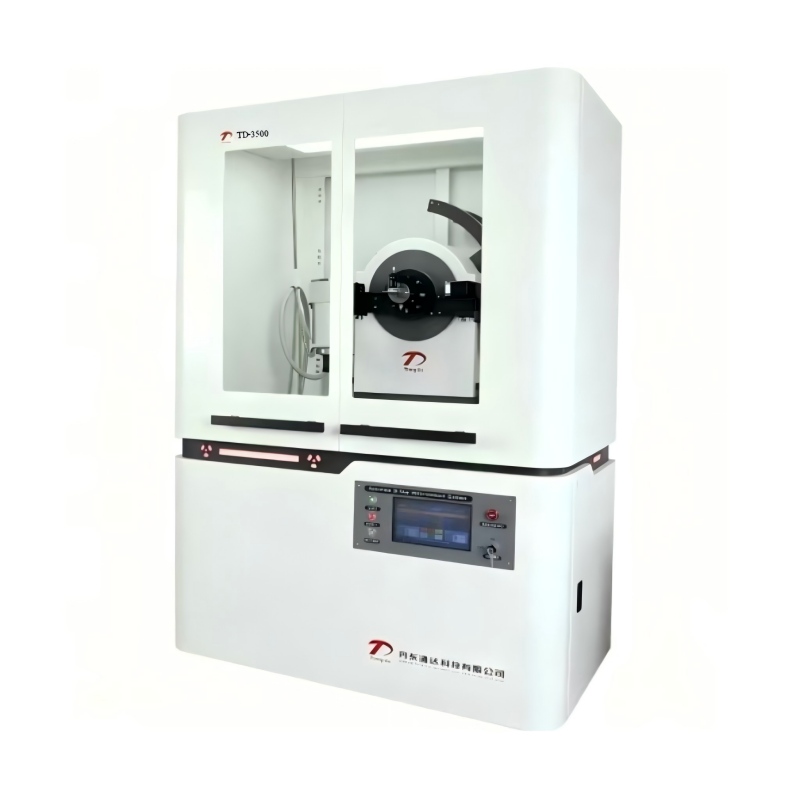
In materials science research, understanding the crystal structure of substances is of paramount importance. Crystal structure not only determines the physical and chemical properties of a material but also influences its range of applications. To accurately unveil this microscopic world, scientists and engineers rely on a powerful analytical tool—the powder diffractometer.
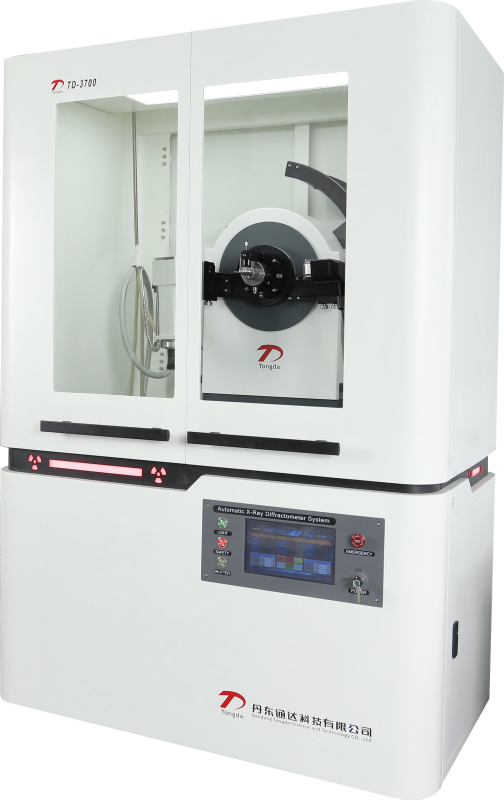
Powder diffraction technology is a fast, non-destructive analytical method that derives the crystal structure of a substance by measuring its X-ray scattering pattern. When an X-ray beam strikes a sample, scattering occurs, and these scattered rays form diffraction patterns of varying intensity in specific directions. Each crystal structure produces a unique diffraction pattern, much like a human fingerprint, which can be used to identify and study the crystalline phases of a material.
In materials science, powder diffractometers are widely used. For example, when developing new alloys, scientists need to know how different elements are arranged in the crystal lattice and how their proportions affect mechanical properties. By using this instrument, they can analyze the crystal structure of alloy samples, thereby optimizing their composition and manufacturing processes.
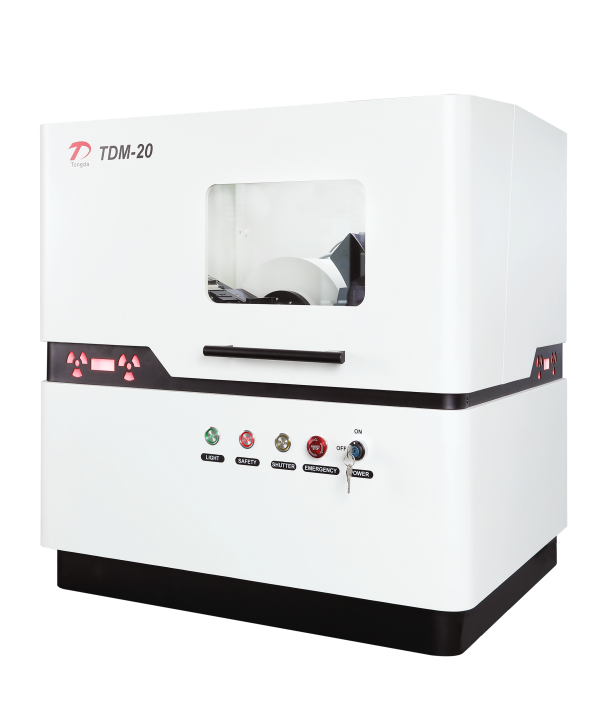
Similarly, in the energy field, powder diffraction technology plays an important role. With the growing demand for clean energy, the development of battery technology has become a hot topic. This instrument can be used to analyze the crystal structure of cathode and anode materials in batteries, helping researchers understand how lithium ions move within the battery, which is crucial for improving energy density and charge/discharge efficiency.
In drug development, this instrument also plays a critical role. The crystal structure of drug molecules has a significant impact on their biological activity. By analyzing the diffraction pattern of a drug powder, scientists can determine the arrangement of drug molecules, predict their solubility and stability, and thus design more effective drug formulations.
Although the operation of this instrument may seem simple, obtaining accurate and reliable data requires meticulous skill. Sample preparation must be careful to ensure representativeness and appropriate particle size. The setting of experimental parameters, such as the choice of X-ray source, detector position, and scanning speed, must be adjusted according to the characteristics of different samples. Data analysis requires professional software and deep knowledge of crystallography.
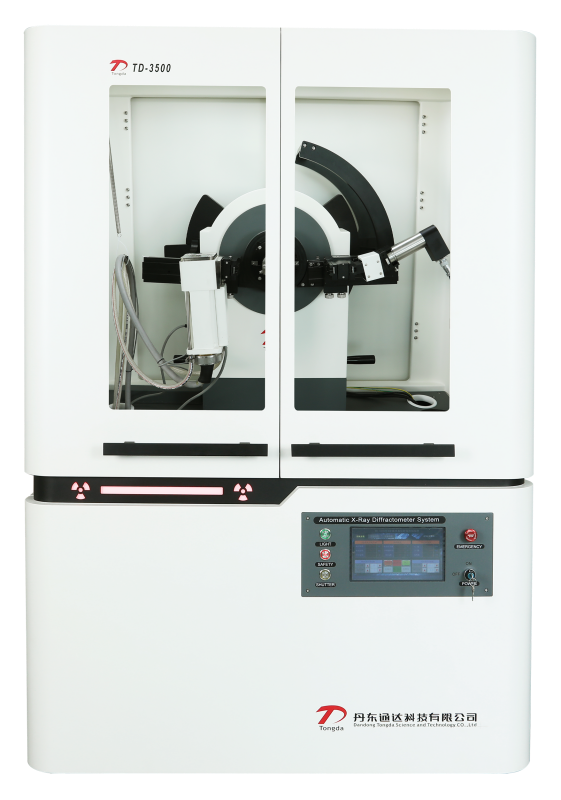
With technological advances, this instrument is constantly evolving. Modern powder diffractometers integrate more automation features, improving data acquisition speed and accuracy. At the same time, new data analysis algorithms are being developed, making it faster and more accurate to extract information from complex diffraction patterns.
The powder diffractometer is a commonly used tool in materials science research. It not only helps scientists unveil the mysteries of material structures but also drives the development and application of new materials. In the future, as technology continues to advance, we have reason to believe that this instrument will continue to play a greater role in the art of precision analysis.