

Products

Featured products

  • Diffractometer
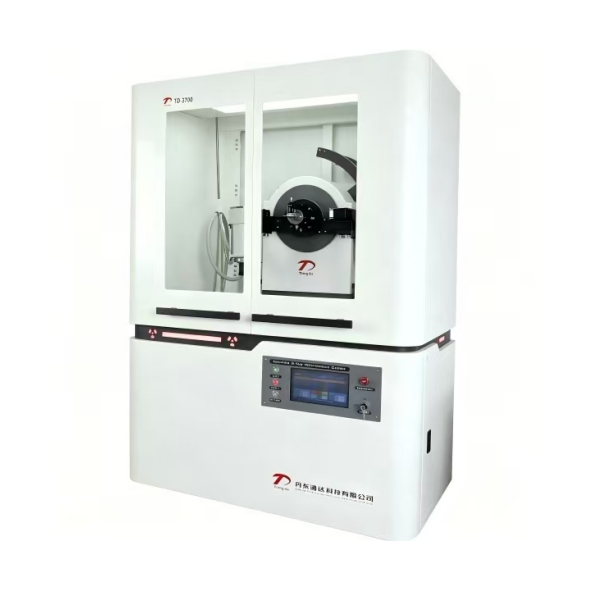
    Diffractometer
    1. The accuracy of Diffractometer is high. 2. The application range of Diffractometer is wide. 3. Diffractometer is easy to operate, convenient and efficient.
    More
  • Single Crystal XRD
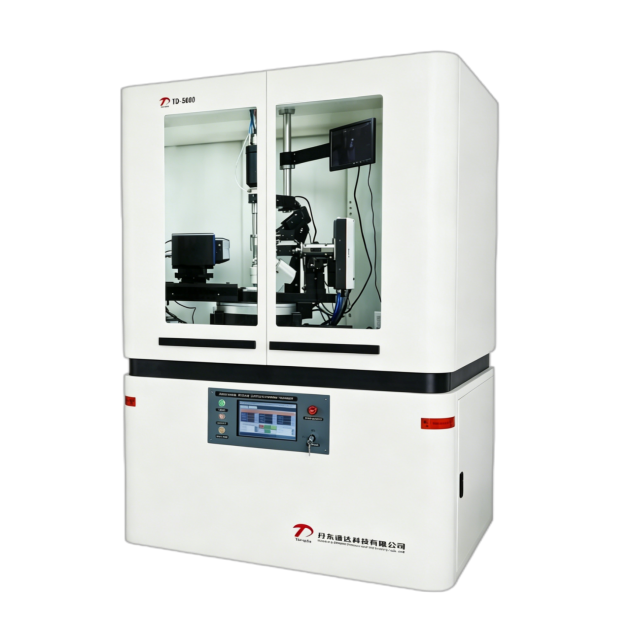
    Single Crystal XRD
    1.The single crystal machine adopts PLC control technology. 2.Modular design, accessories plug and play. 3.Electronic lead door interlocking equipment with double protection. 4.Single crystal X-ray tube: a variety of targets can be selected, such as Cu, Mo,etc. 5. Single crystal adopts four-circle concentric technology to ensure that the center of no goniometer remains unchanged.
    More
  • Series X-ray Crystal Analyzer
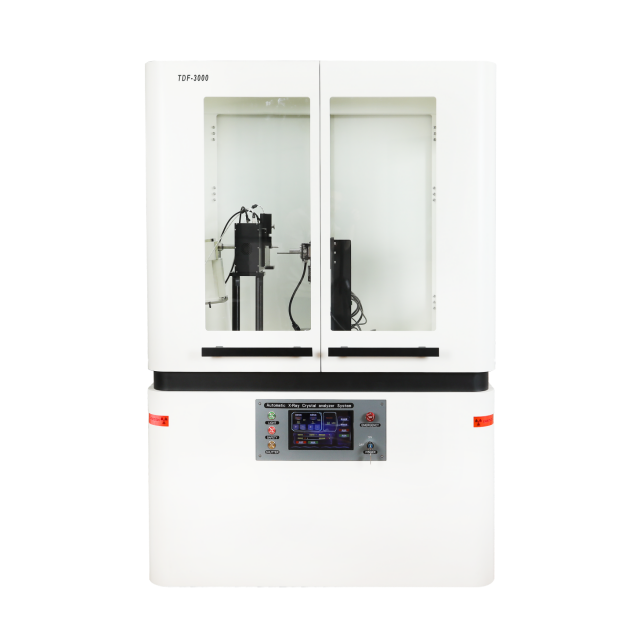
    Series X-ray Crystal Analyzer
    1. X-ray instrument is easy to operate and fast to detect. 2. X-ray instrument is accurate and reliable, with excellent performance. 3. X-ray instrument has various functional accessories to meet the needs of different testing purposes.
    More
  • Powder Diffractometer
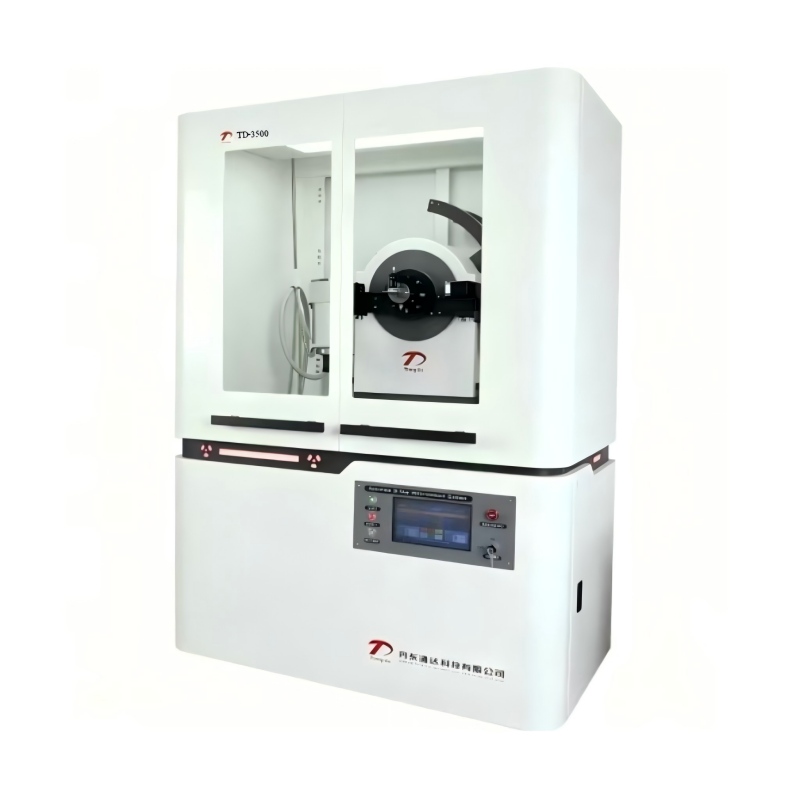
    Powder Diffractometer
    1. Detector type: Array detector or SDD detector; 2. PLC automatic control calculus, Integration mode conversion, PLC automatically performs PHA, dead time correction 3.Sample measurement type: powder sample, liquid samples, melt-state samples, viscous samples, loose powders, bulk solid samples 4.Available with a variety of diffractometer accessories 5.Maximum output powder: 3kW
    More

Contact us

Long time imaging of organisms with micron resolution using X-ray methods

2023-12-29

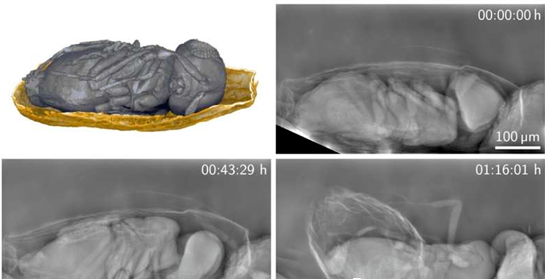
Researchers have developed an X-ray imaging technique that produces detailed images of organisms at much lower X-ray doses than previously possible.This method is based on phase contrast imaging and depends on the absorption of X-rays by the sample and the wave properties of the X-rays. More precisely, it creates an image from the phase changes that occur as the X-rays pass through the sample.


X-ray imaging can reveal hidden structures and processes inside organisms. However, it also exposes the organism to high doses of harmful radiation, which limits the observation time before damage occurs. To make matters worse, the detection efficiency of commonly used high-resolution detectors decreases as the resolution increases, which means that higher X-ray doses are required to obtain high-resolution images.


To overcome this conundrum, the researchers developed a phase-contrast imaging method that magnifies X-ray images directly. This allows them to use highly efficient large-area detectors while maintaining spatial resolution at the micron level.
X-rays

The researchers say the approach may also be suitable for biomedical applications, such as gentle tomography examinations of biopsy samples. However, using the Bragg magnifying glass requires a monochromatic, coherent, and collimated beam, which the X-ray synchrotron facility can provide.


Get the latest price? We will reply as soon as possible (within 12 hours)

top