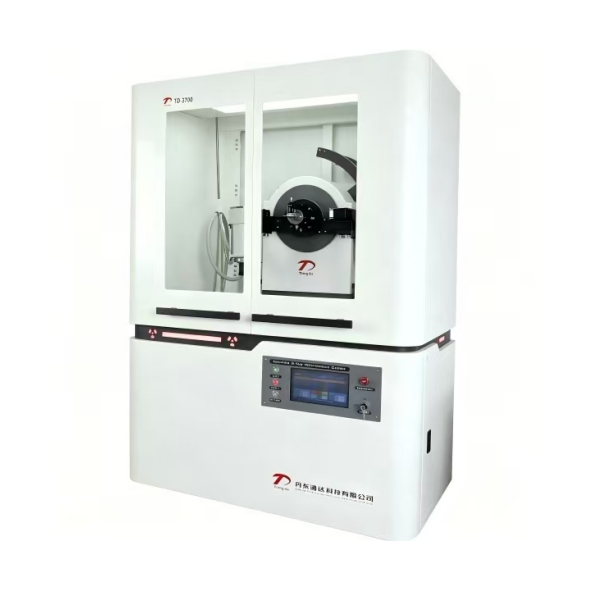
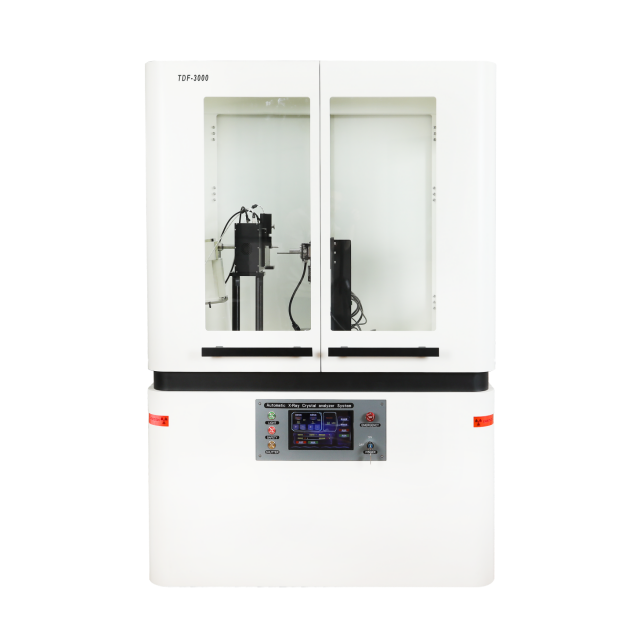
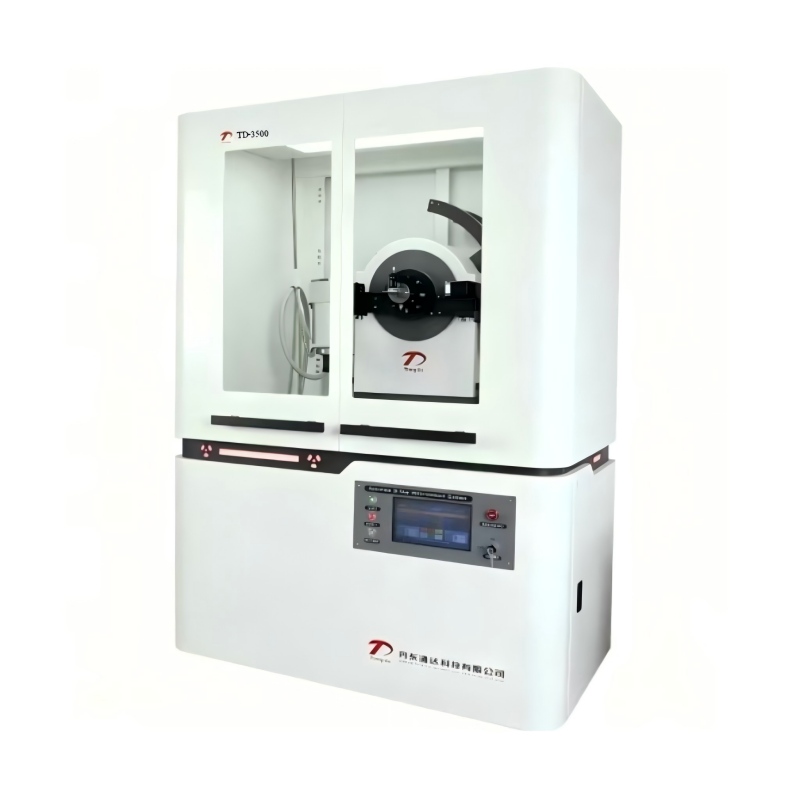
Dandong Tongda , with 30% R&D staff and full proprietary core technologies, offers a complete XRD product line for research and industry. Export-ready with multilingual support and CE compliance, the company provides quality assurance, global services, and custom solutions worldwide.
EmailMore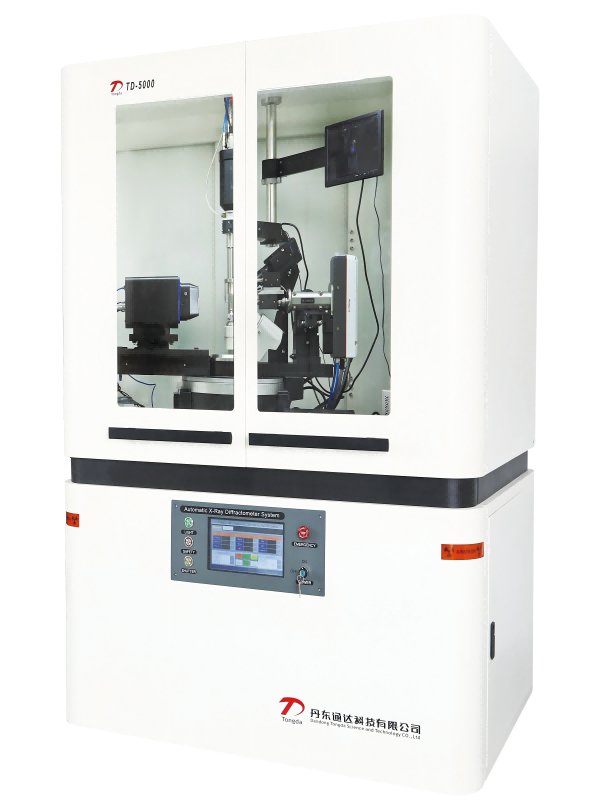
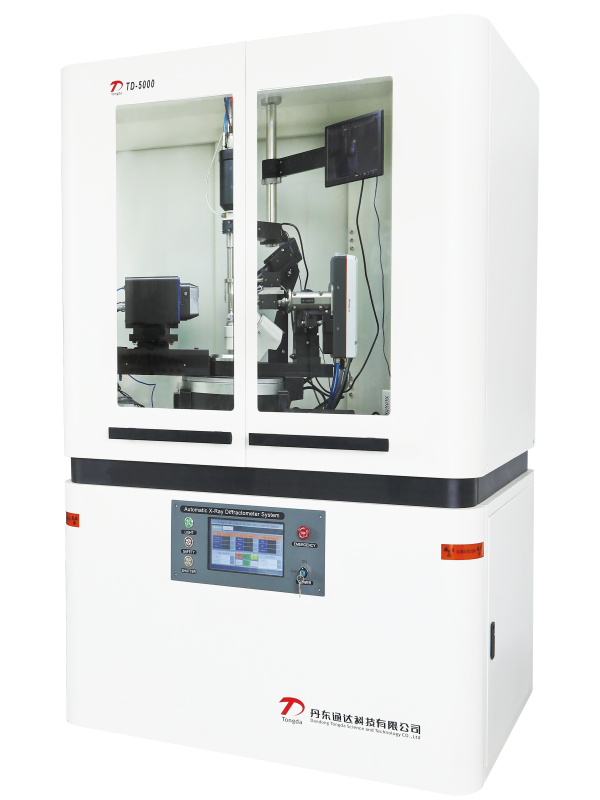
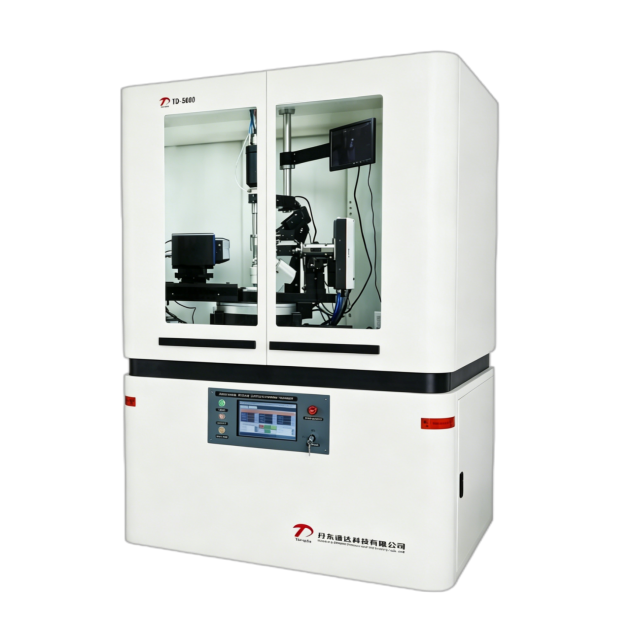
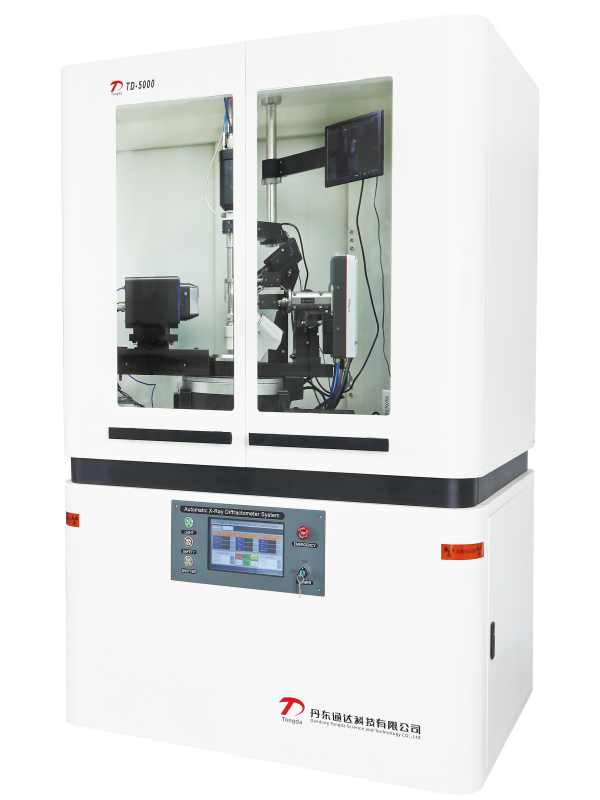
Dandong Tongda launches TD-5000, a self-developed high-precision X-ray single crystal diffractometer with 3kW generator, Kappa four-circle goniometer (0.0001° accuracy), hybrid pixel detector, and cryo-control (100–300K). Fully automated, CE-certified, ISO9001, offering cost-effective, reliable structural analysis for global research and industrial users.
EmailMore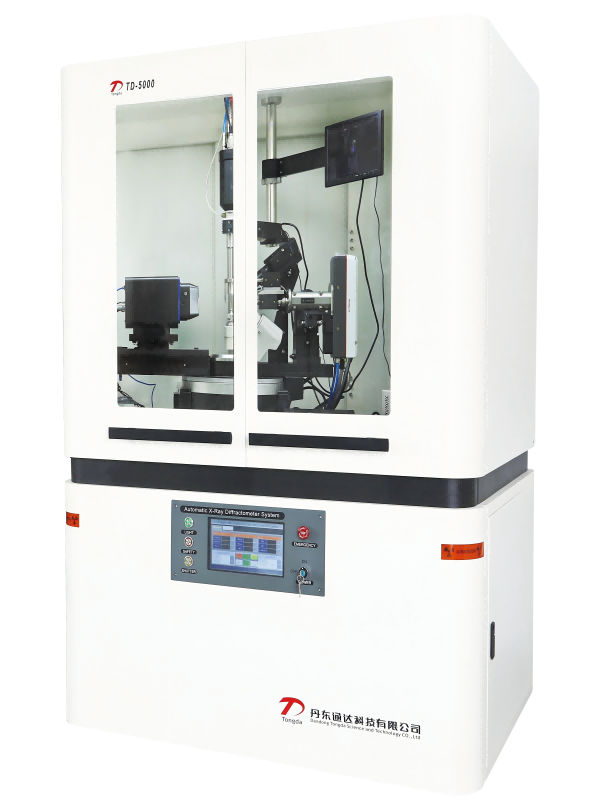
Dandong Tongda XRD system features modular design, high precision, and strong anti-interference for industrial QC and research. It serves mining, cement, pharmaceutical, and academic sectors, reducing costs while ensuring accurate phase analysis, crystallinity, and compliance.
EmailMore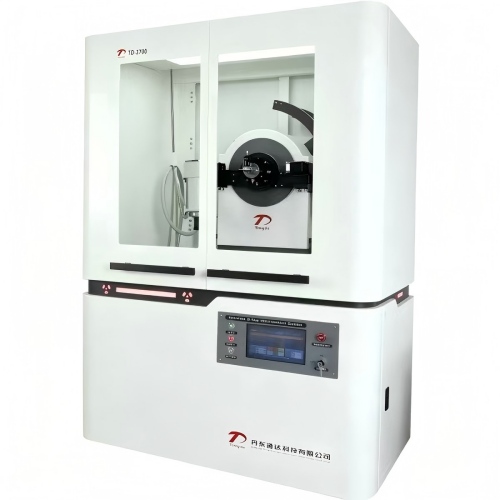
Dandong Tongda offers universal X-ray diffractometers for new materials R&D. Supporting powders, bulk, thin films, and more, our systems deliver phase analysis, crystallinity, and stress measurement. Modular design, PLC control, and comprehensive software meet diverse research needs in universities and institutes worldwide.
EmailMore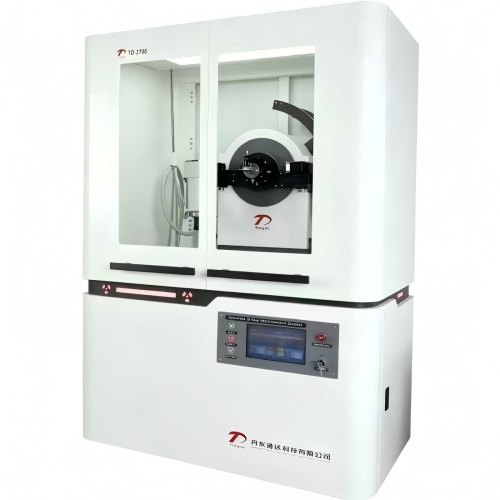
Tongda introduces a multi-functional XRD diffractometer for one-stop crystalline structure analysis of catalysts and inorganic fillers. The system eliminates the need for multiple instruments, featuring an integrated optical path, versatile sample stage, and customizable phase database. It supports high-precision quantitative analysis even for complex powder mixtures. ISO-9001 and CE certified, with English interface and remote support. Already adopted by overseas catalyst manufacturers. Visit the official website for more information.
EmailMore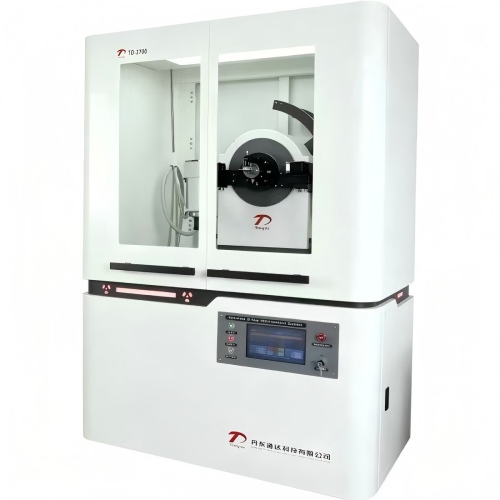
XRD enables non-destructive phase analysis, crystallinity quantification, and residual stress measurement across cement, metals, chemicals, semiconductors, and pharmaceuticals. It supports end-to-end quality control, reducing defects and ensuring compliance. Benchtop and high-resolution systems are available for production or lab use.
EmailMore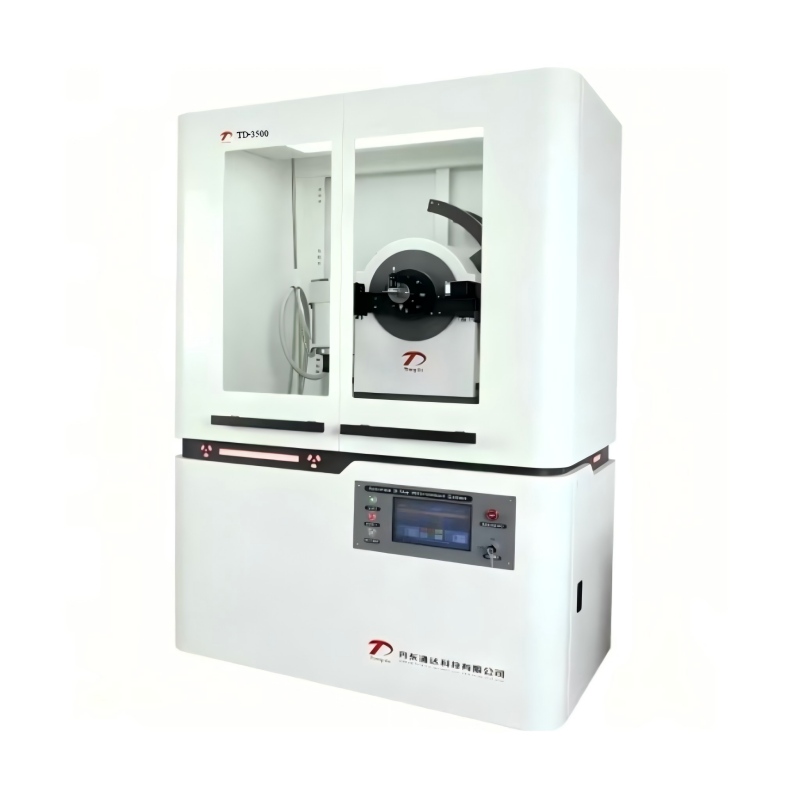
XRD is vital across industries: building materials (cement, concrete), mining/metallurgy (ore analysis, alloy structure), and pharma (crystallinity, polymorphs). Dandong Tongda Technology Co., Ltd. provides reliable XRD equipment for R&D and quality control, bridging lab research and industrial production.
EmailMore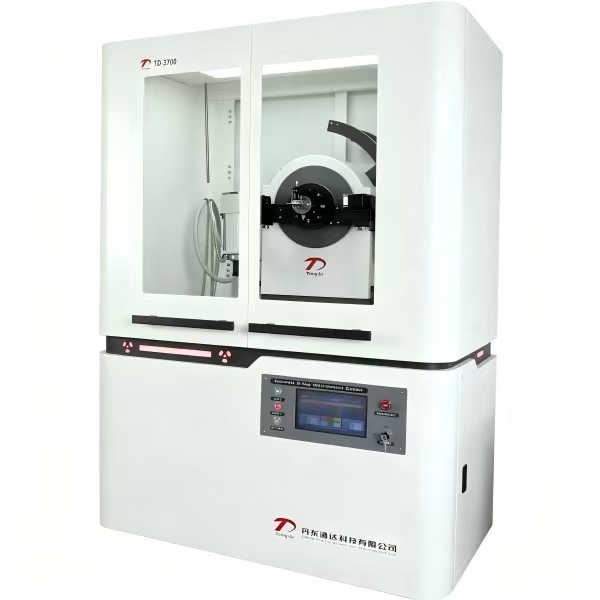
Tongda Science and Technology developed China's first X-ray single crystal diffractometer (TD-5000). It offers diffractometers, orienters, analyzers with AI robotics and remote control. 30% R&D staff, 23 patents. Exported globally.
EmailMore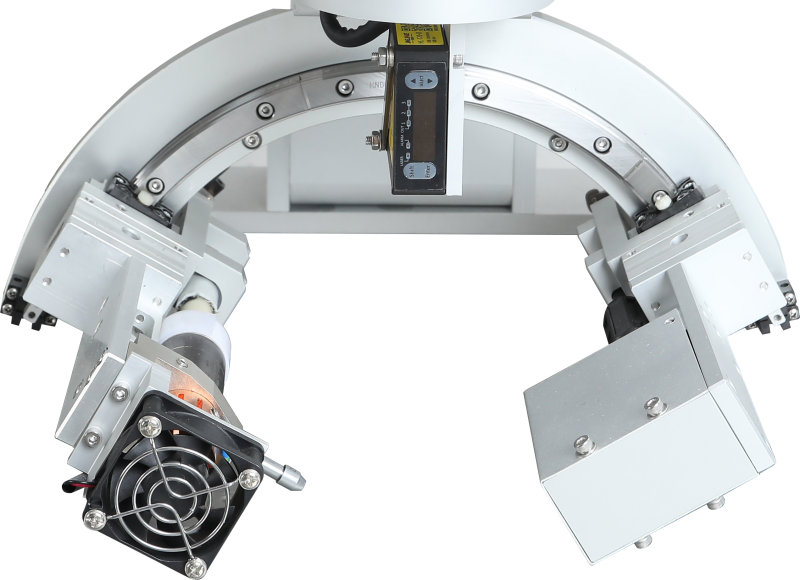
To improve single crystal diffraction data quality, ensure high-quality crystals, select appropriate target, optimize conditions, adjust collection strategies, and perform careful data processing and validation.
EmailMore