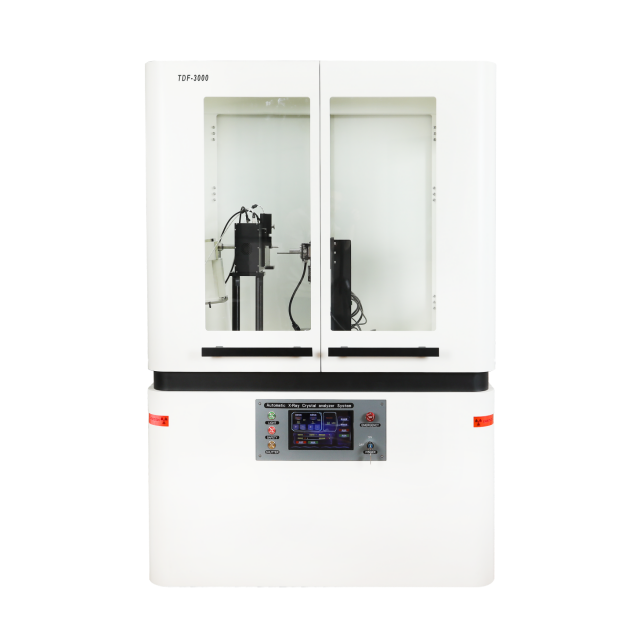
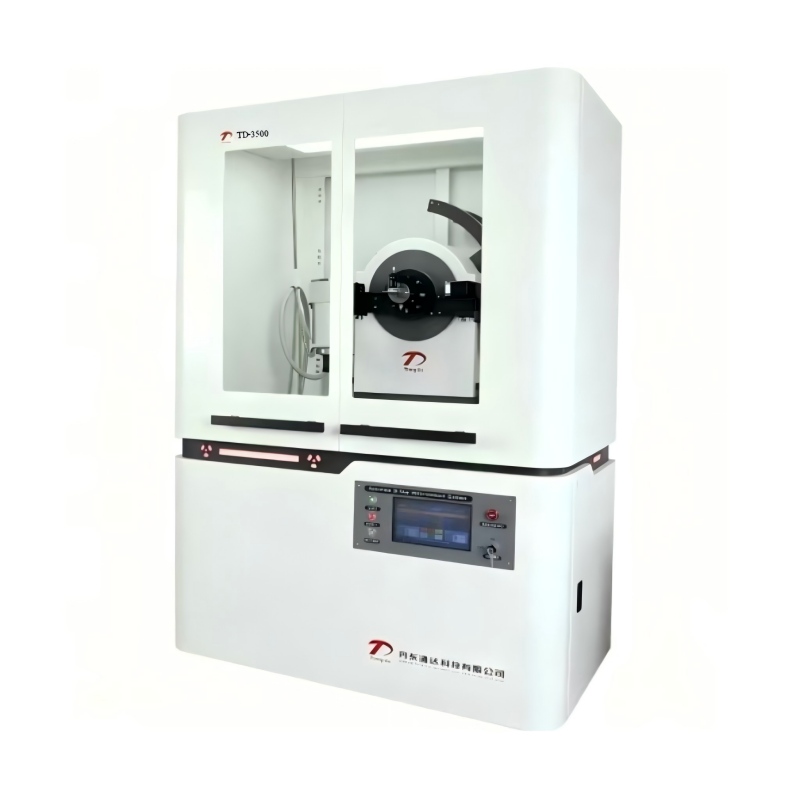
Improving crystal orientator performance requires technological upgrades (advanced scanning, enhanced hardware/software), proper sample preparation, regular calibration and maintenance, professional operator training with standardized procedures, and continued R&D investment for innovation.
EmailMore
Accuracy of X-ray Crystal Analysis Results are affected by: X-ray tube & detector (intensity, noise, resolution), Sample (uniformity, defects, surface), and Environment (thermal drift, humidity, magnetic fields). Controlling these variables is essential for precise structural data.
EmailMore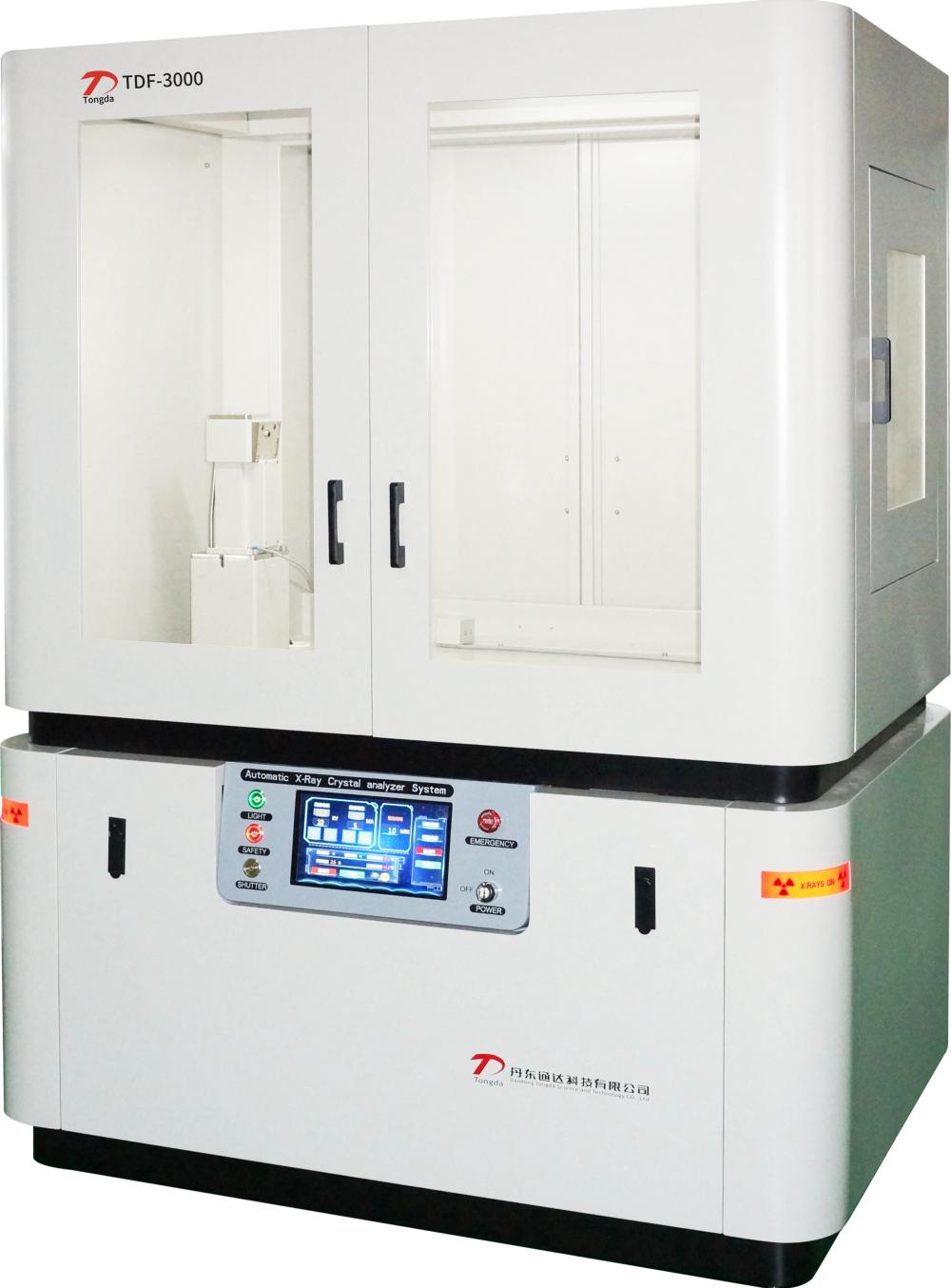

The crystal orientation instrument serves as a critical navigator in high-end manufacturing, enabling precise, non-destructive detection of atomic alignment in materials like silicon and sapphire. It ensures optimal cutting and processing in semiconductor and optical industries, enhancing product performance, reducing waste, and supporting automated, high-precision production.
EmailMore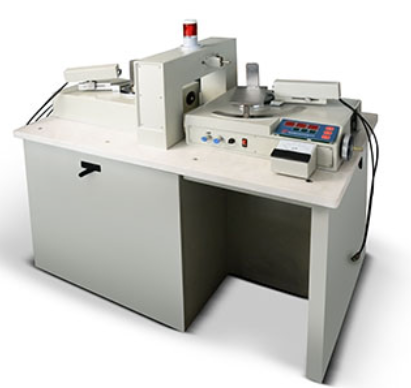
X-ray crystal orientation analyzers are vital for developing high-performance optoelectronic materials like those in LEDs and solar cells. They enable precise control of crystal structure during growth and thin-film production, ensuring optimal quality. Essential for R&D, they bridge fundamental science and industrial manufacturing, supporting innovation in next-generation devices.
EmailMore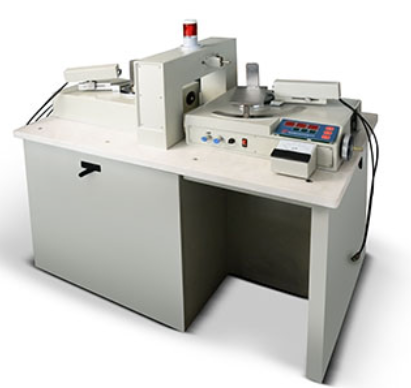
Enhance resolution by upgrading to a high-resolution detector, optimizing crystal quality, employing precise data collection strategies, utilizing advanced software, and ensuring regular instrument maintenance.
EmailMore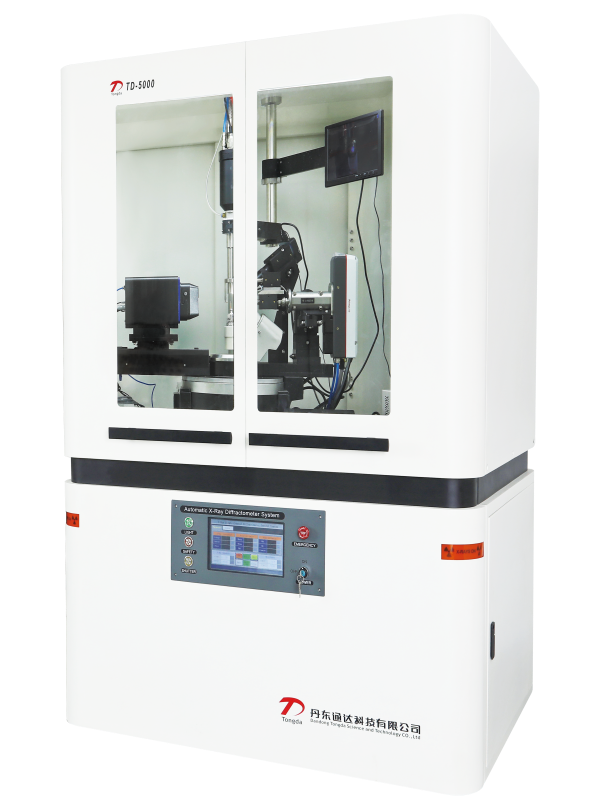
A single-crystal X-ray diffractometer reveals 3D atomic structure by analyzing X-ray diffraction patterns (Bragg's Law). Through data collection, Fourier transformation, and model refinement, it generates electron density maps to determine molecular configurations.
EmailMore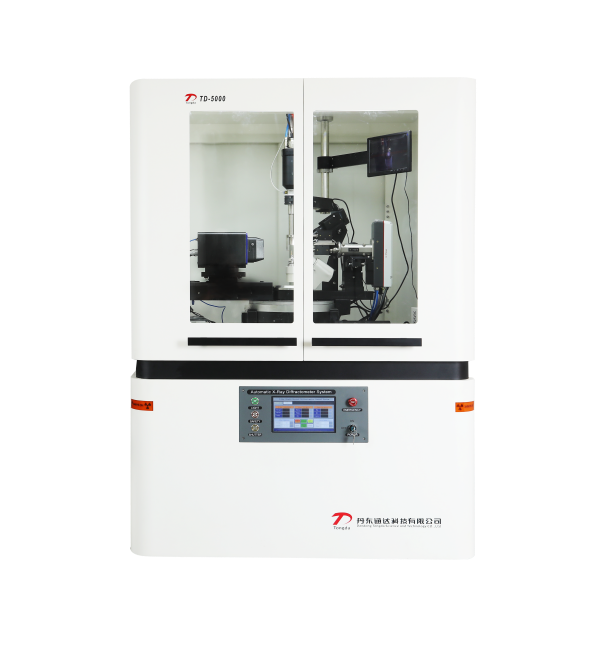
A quality single crystal for X-ray diffraction requires optimal solvent choice (moderate solubility/volatility), proper growth method (evaporation/diffusion), high sample purity, and a vibration-free environment to ensure well-defined morphology and minimal defects.
EmailMore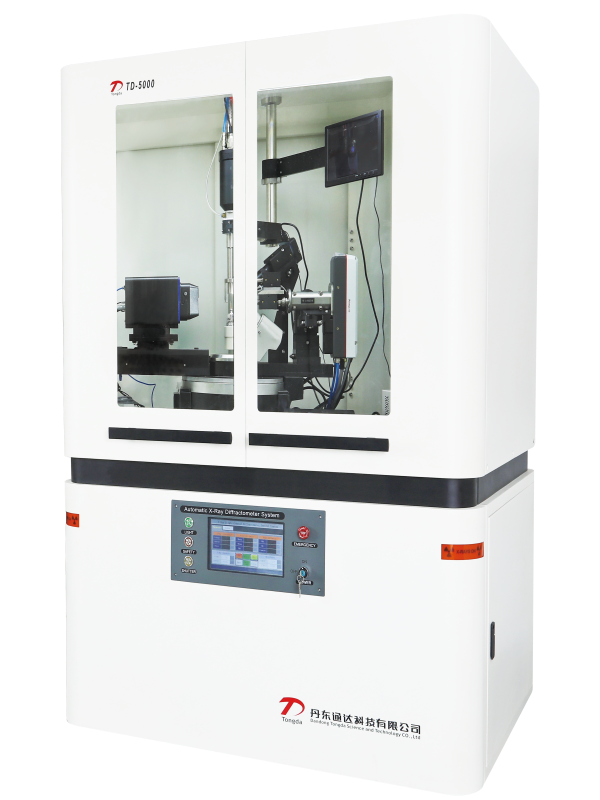
This article details a comprehensive three-pronged strategy to eliminate higher-order diffraction interference in X-ray single-crystal analysis. The methods involve hardware filtration at the source using monochromators and slits, parameter optimization during data collection to suppress detection, and software correction algorithms for residual effects in data processing. This combined approach ensures high-precision crystal structure determination by controlling intensity errors.
EmailMore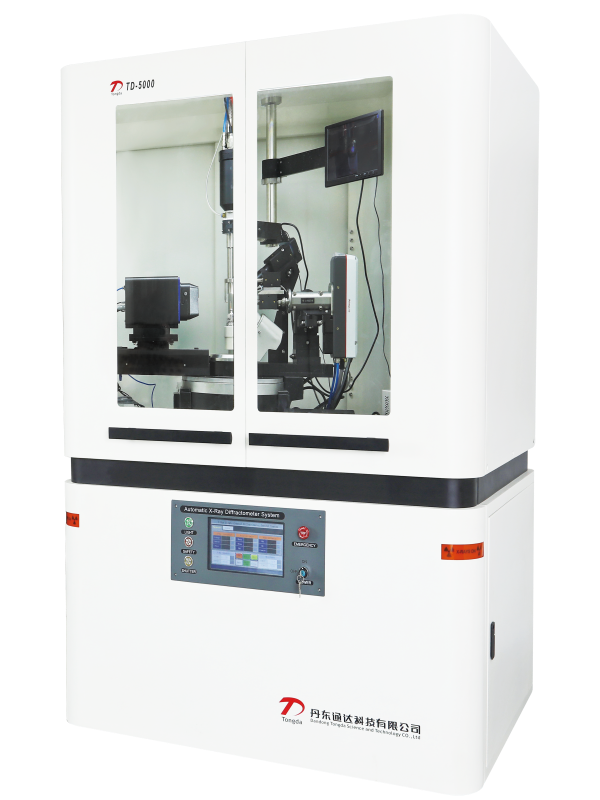
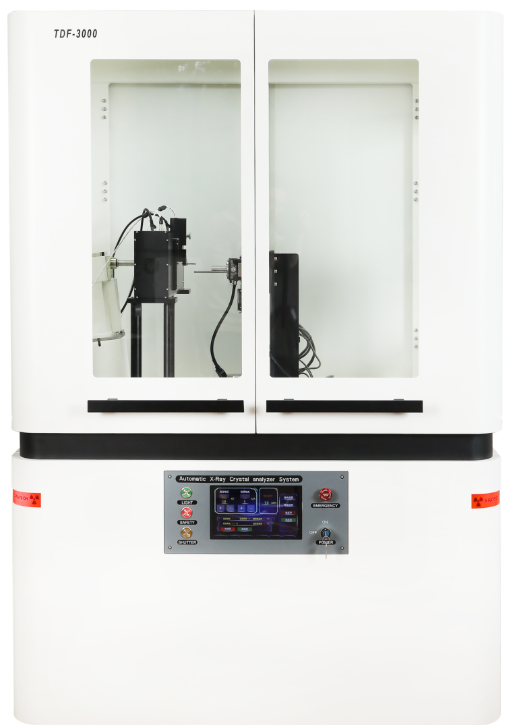
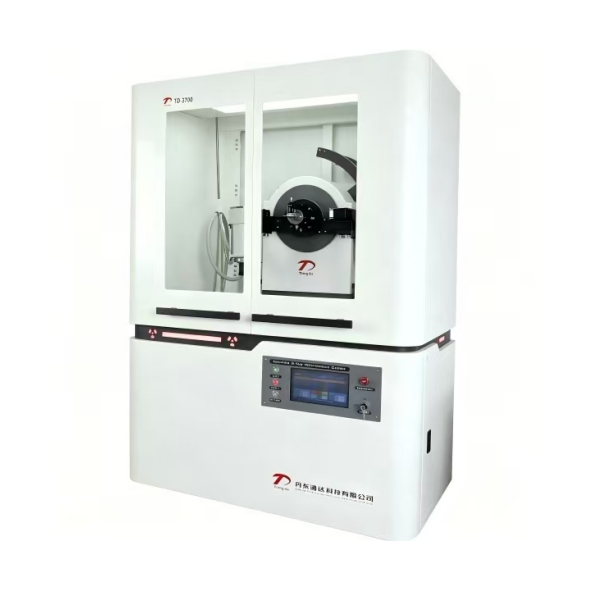
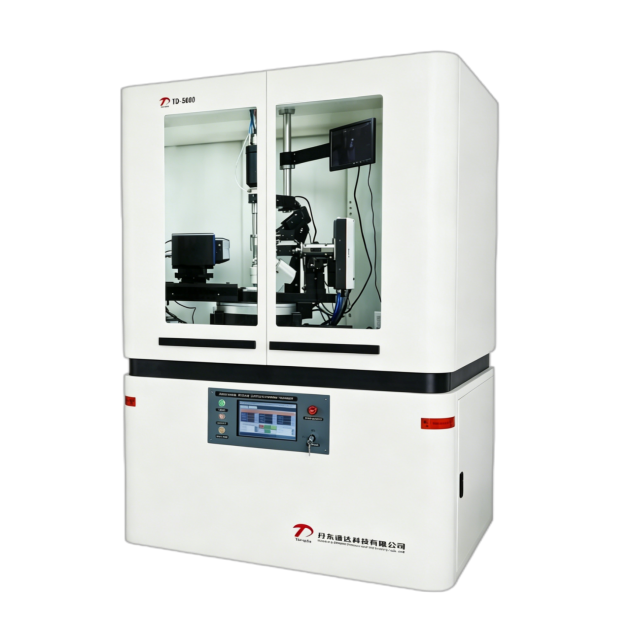
A premier X-ray crystal analyzer enabling precise exploration of material microstructures. Its advanced PLC control, modular design, and robust 5KW output ensure high reliability for global R&D and industrial quality control applications.
EmailMore