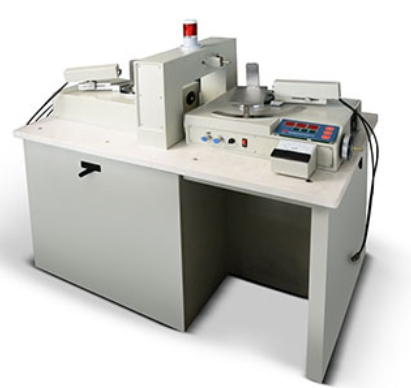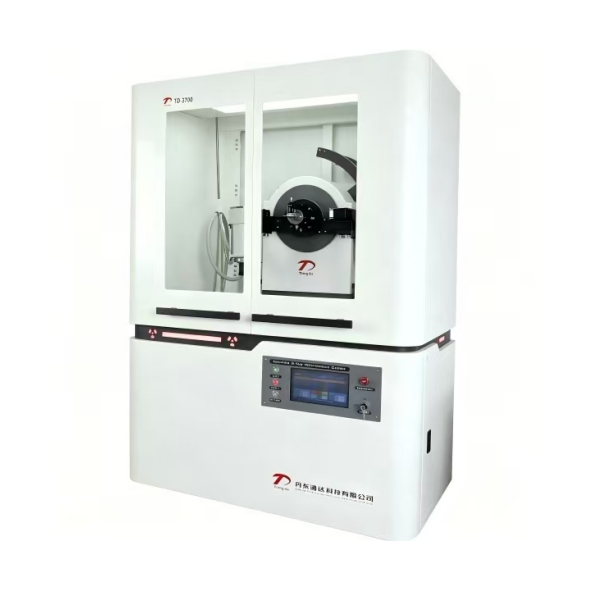
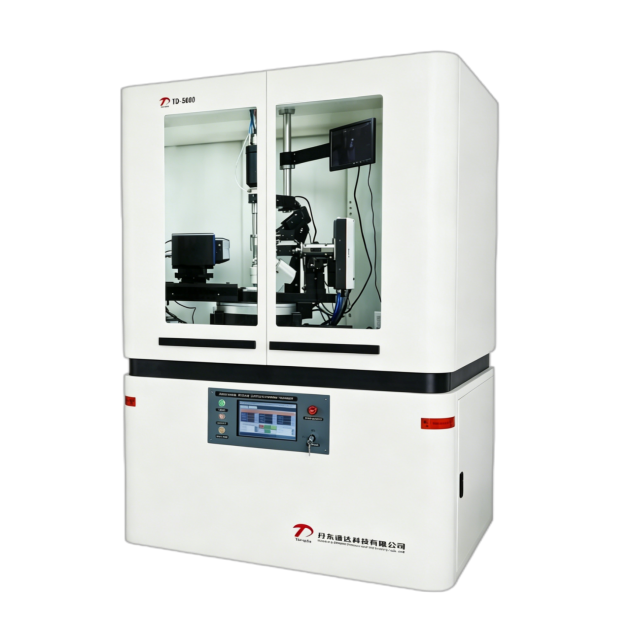
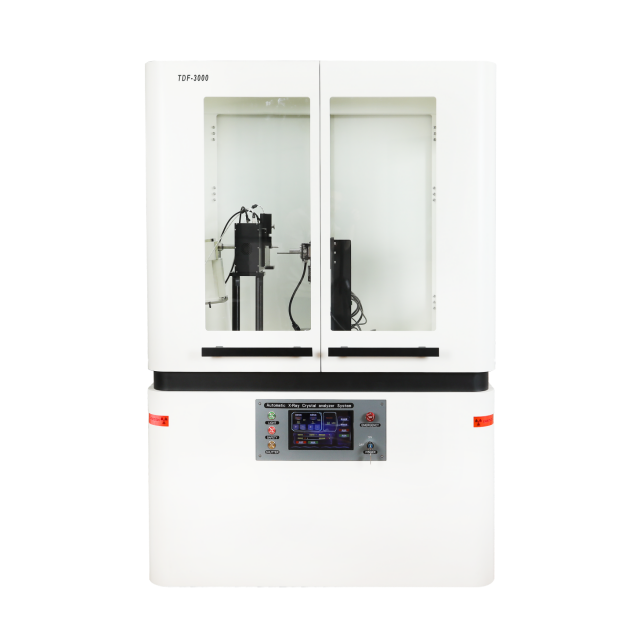
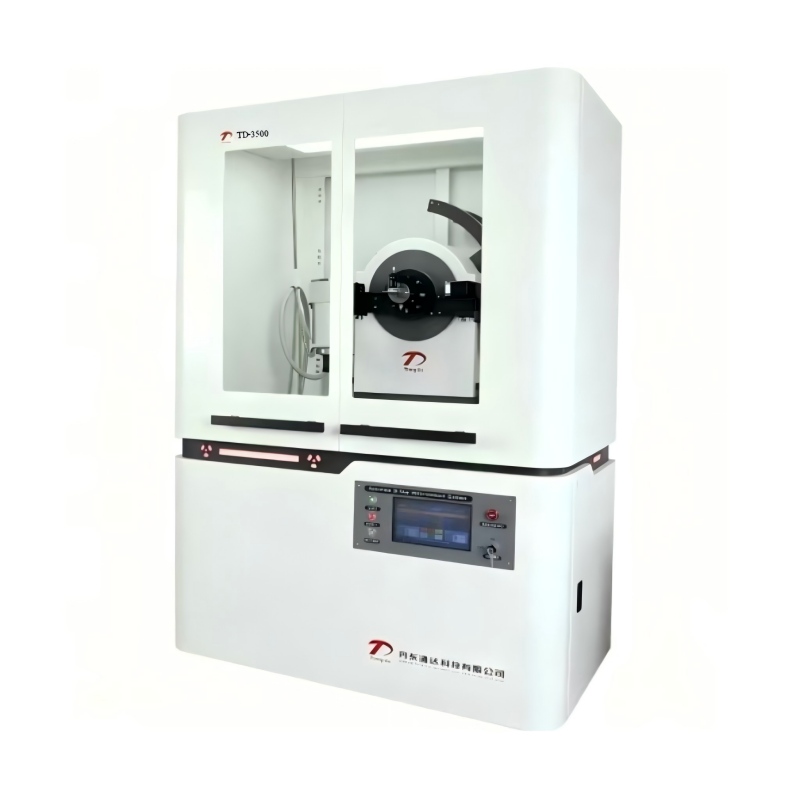
X-ray crystal orientation instruments require strict safety (protective gear, shielding), proper calibration, careful sample prep, precise operation (warm-up, parameter setting), and regular maintenance to ensure accuracy and longevity.
EmailMore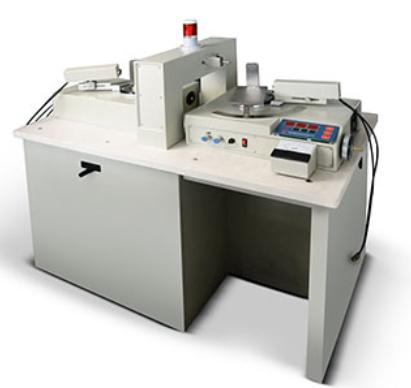
X-ray crystal orientation results depend on three key areas: instrument performance including resolution sensitivity linearity and stability; sample characteristics such as crystal quality size and surface flatness; and environmental conditions like temperature humidity vibration and magnetic fields.
EmailMore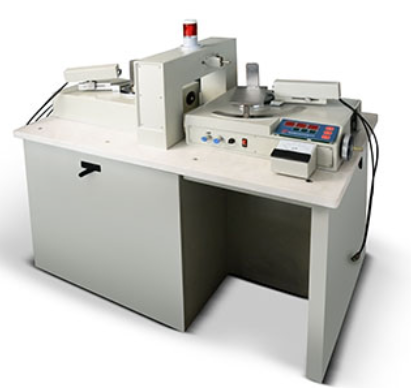
Master X-ray crystal orientation instrument calibration through systematic steps: equipment inspection, standard sample preparation, precision alignment, data acquisition, and iterative verification. This ensures optimal performance and measurement accuracy.
EmailMore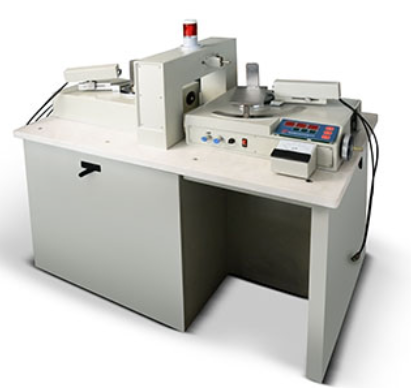
Improving crystal orientator performance requires technological upgrades (advanced scanning, enhanced hardware/software), proper sample preparation, regular calibration and maintenance, professional operator training with standardized procedures, and continued R&D investment for innovation.
EmailMore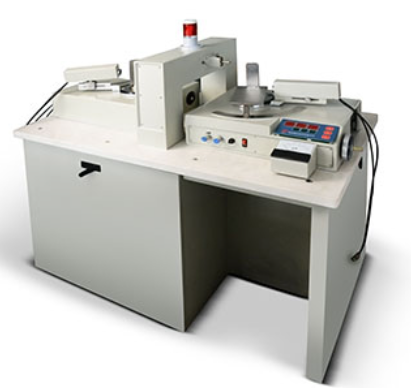
The crystal orientation instrument serves as a critical navigator in high-end manufacturing, enabling precise, non-destructive detection of atomic alignment in materials like silicon and sapphire. It ensures optimal cutting and processing in semiconductor and optical industries, enhancing product performance, reducing waste, and supporting automated, high-precision production.
EmailMore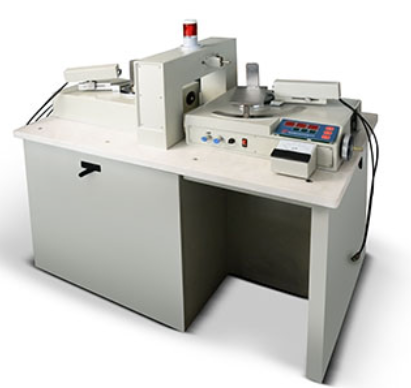
Dandong Tongda's X-ray crystal orienters (±30 arcsec accuracy, 30kg load capacity) deliver precise orientation for piezoelectric, optical, laser, and semiconductor crystals. With specialized models and sample stages, these systems support global crystal research and manufacturing, earning international recognition for Chinese precision instruments.
EmailMore