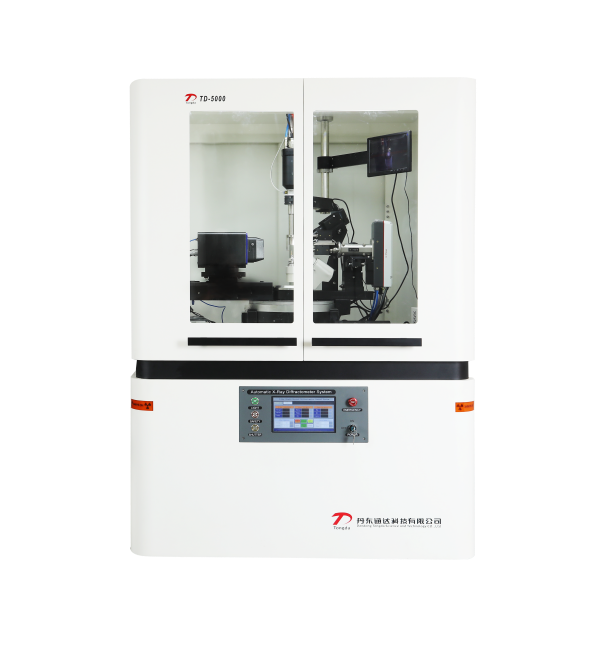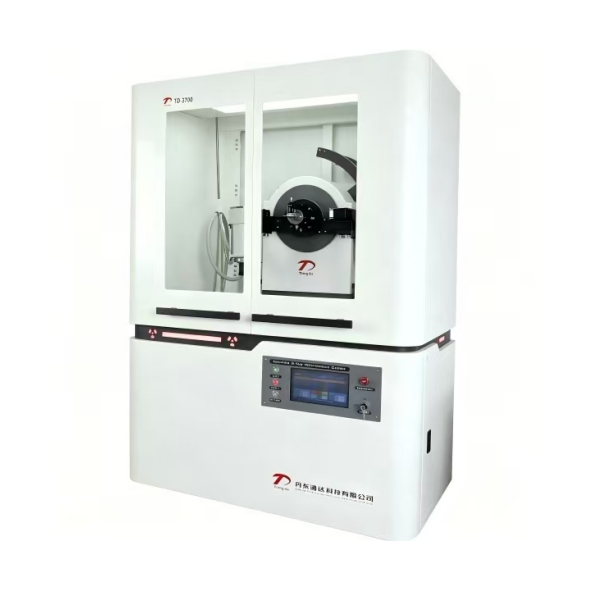
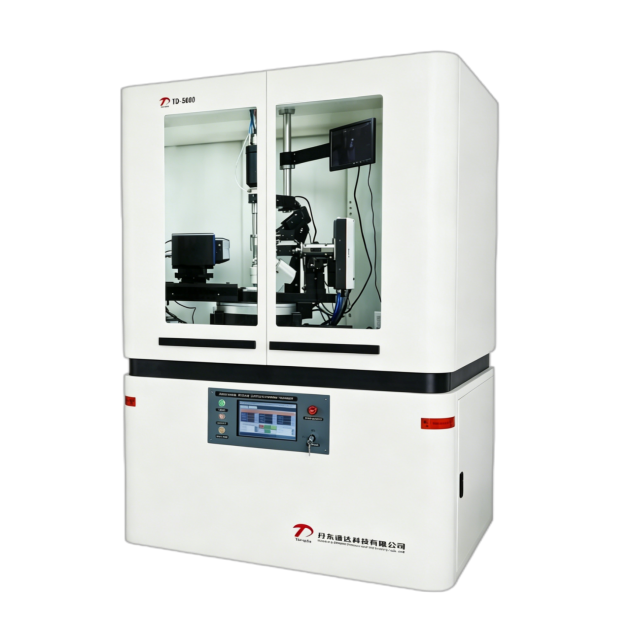
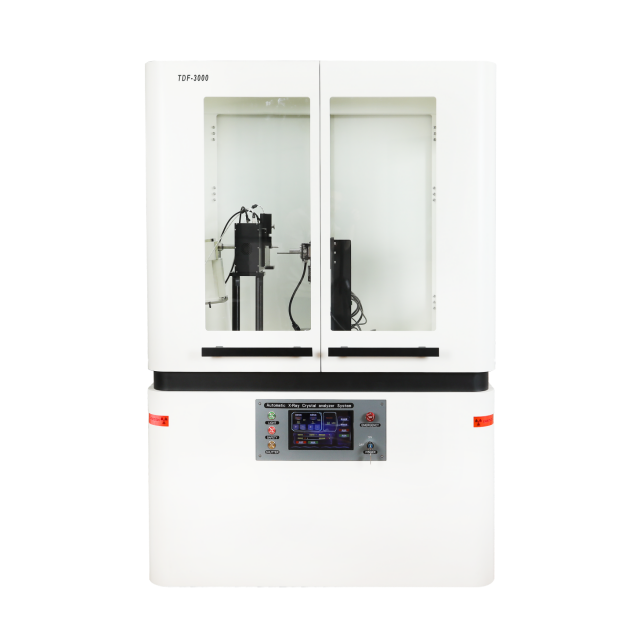
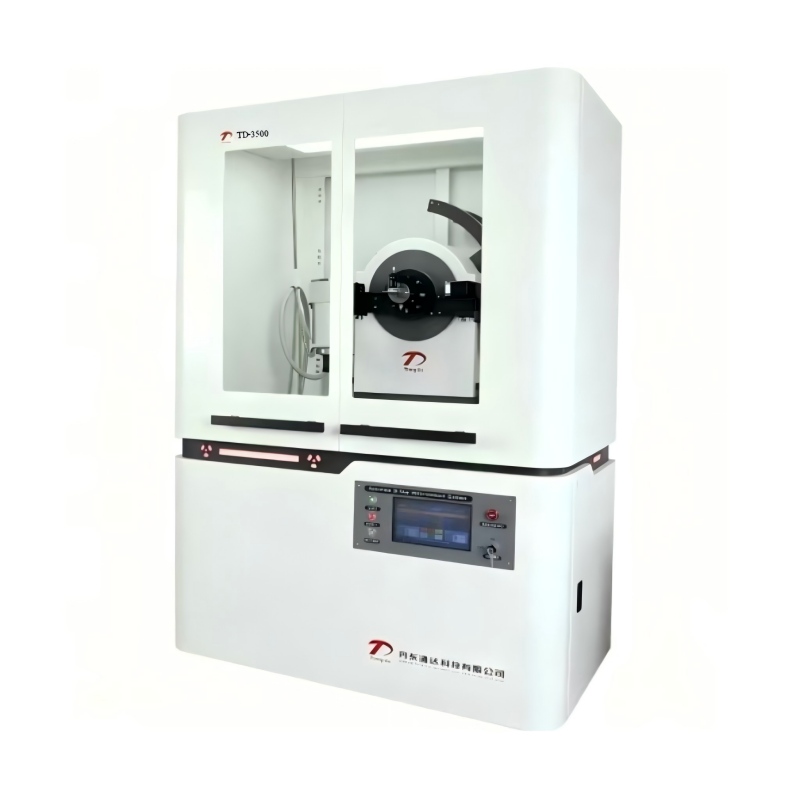
XRD is vital across industries: building materials (cement, concrete), mining/metallurgy (ore analysis, alloy structure), and pharma (crystallinity, polymorphs). Dandong Tongda Technology Co., Ltd. provides reliable XRD equipment for R&D and quality control, bridging lab research and industrial production.
EmailMore
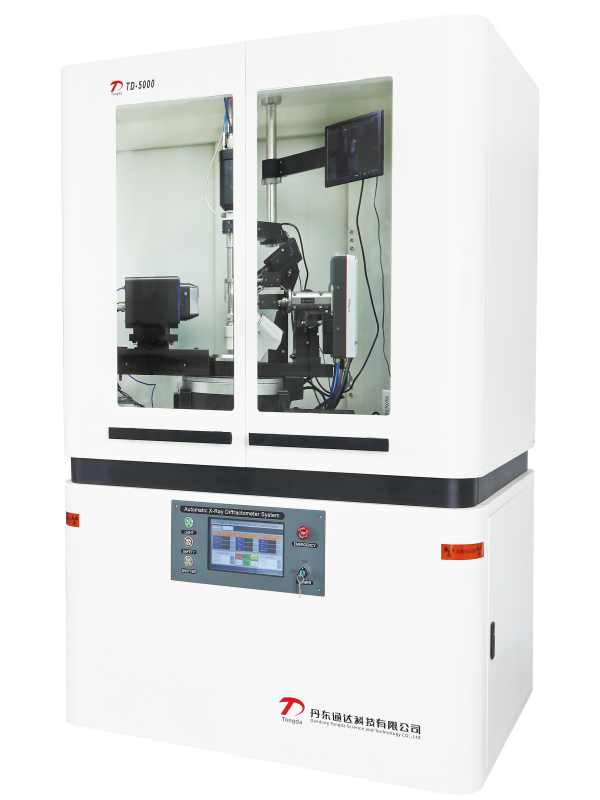
To improve single crystal diffraction data quality, ensure high-quality crystals, select appropriate target, optimize conditions, adjust collection strategies, and perform careful data processing and validation.
EmailMore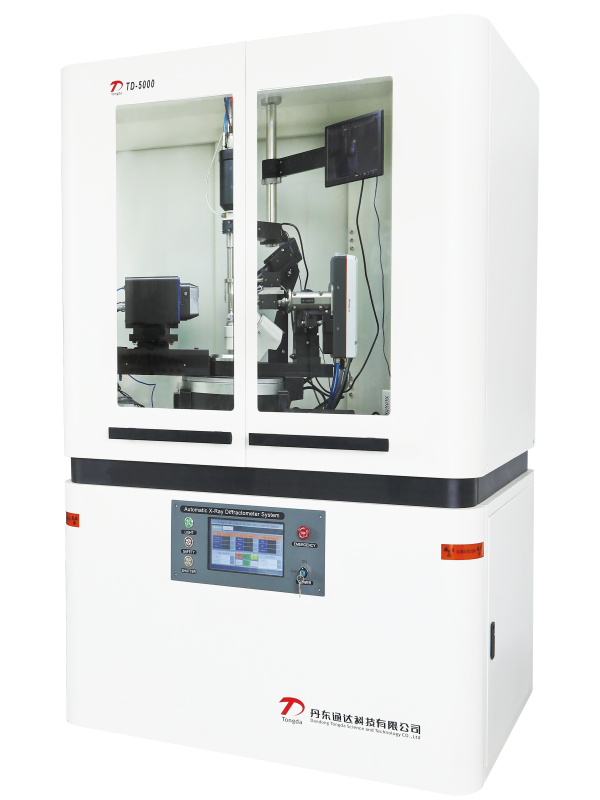
Single-crystal X-ray diffraction is essential in materials science for crystal structure analysis, phase identification, and stress analysis. It enables precise atomic-level characterization, supports rational material design, and is advancing with new technologies like synchrotron radiation and AI-assisted structure determination.
EmailMore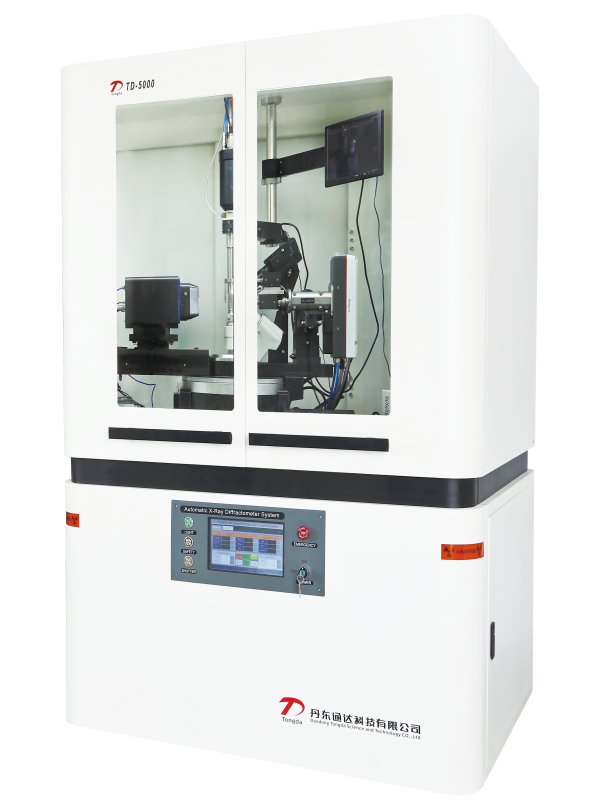
Regular monthly calibration ensures accuracy, with increased frequency for high-precision tests. Weekly cleaning focuses on critical components like lenses, avoiding excess liquid. Use a UPS for power stability and prevent cable interference. Maintain 20–25°C temperature and 40%–60% humidity; control air quality to reduce dust. Keep detailed operation logs, train personnel, stay in touch with the manufacturer for updates, and regularly back up data locally and in the cloud to prevent loss.
EmailMore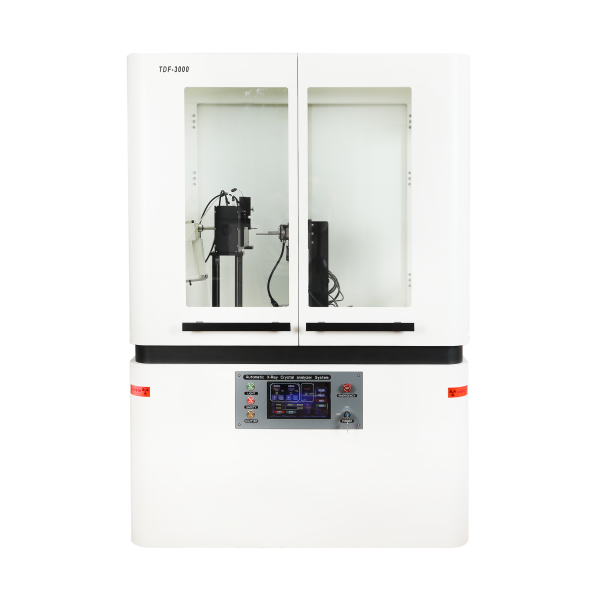
X-ray diffraction (XRD) is a key non-destructive technique for identifying and characterizing new materials. By analyzing diffraction patterns from crystal lattices, it determines phase composition, crystal structure, and microstructure. Critical for developing catalysts, batteries, and biomaterials, XRD enables precise analysis of thin films and structural changes, driving innovation across materials science.
EmailMore
A guide on selecting a single-crystal diffractometer for structural analysis, covering key factors: defining needs, evaluating performance and software, and considering support and cost for an informed choice.
EmailMore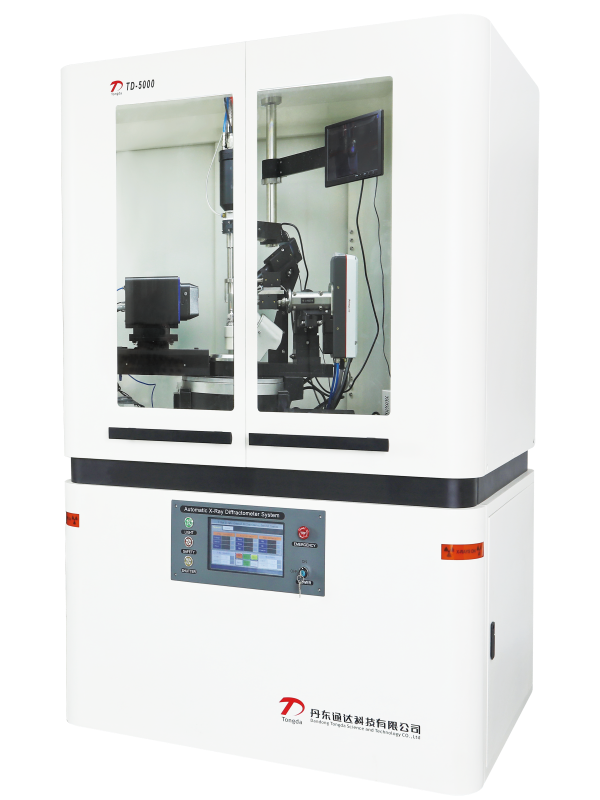
X-ray single crystal diffractometers require systematic maintenance to ensure long-term stability and reliable data. Daily cleaning prevents dust and oil from affecting accuracy or damaging components. Critical parts like the X-ray source and detectors need regular inspection and timely professional servicing. Calibration eliminates error accumulation and maintains measurement precision. Operational details—such as avoiding magnetic interference and proper storage during inactivity—are equally important. Together, these practices support instrument longevity and dependable research performance.
EmailMore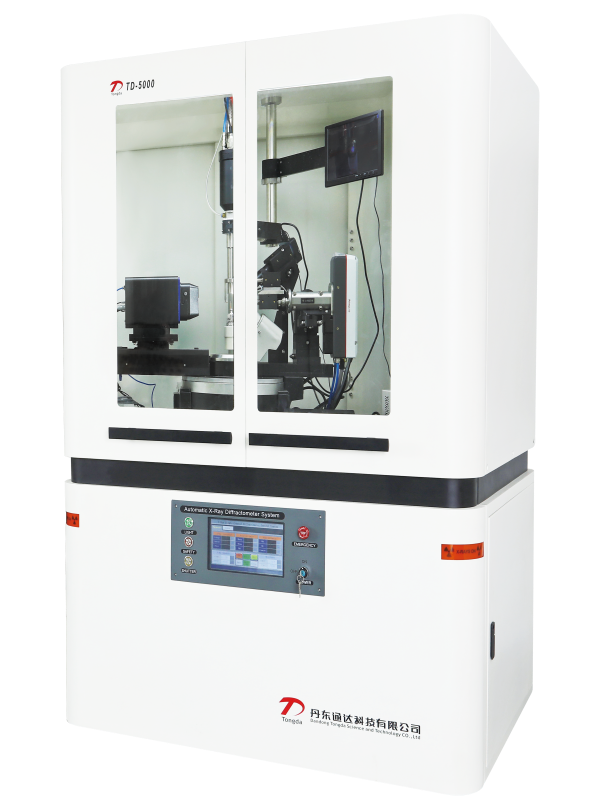
Enhance resolution by upgrading to a high-resolution detector, optimizing crystal quality, employing precise data collection strategies, utilizing advanced software, and ensuring regular instrument maintenance.
EmailMore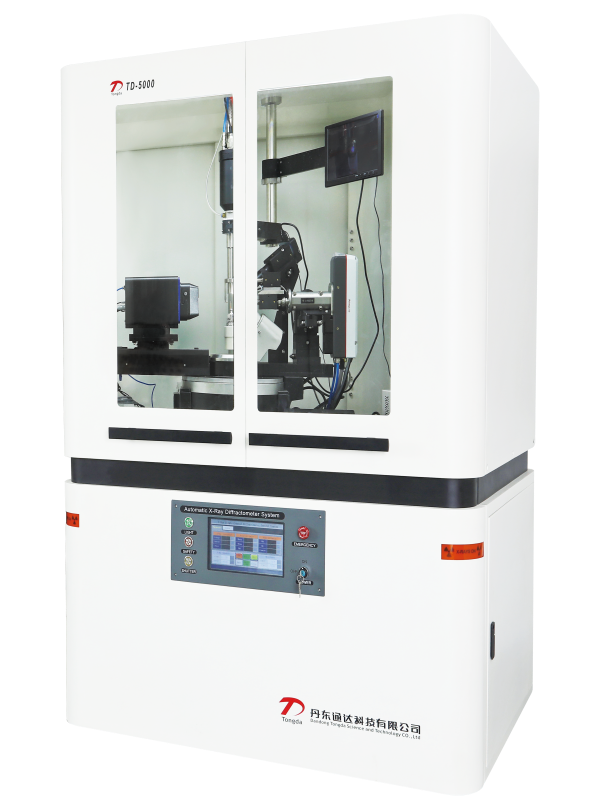
A single-crystal X-ray diffractometer reveals 3D atomic structure by analyzing X-ray diffraction patterns (Bragg's Law). Through data collection, Fourier transformation, and model refinement, it generates electron density maps to determine molecular configurations.
EmailMore