
Regular Calibration
Perform equipment calibration at least once a month to ensure accuracy. If high-precision testing is involved, the calibration frequency can be increased.
Regular Cleaning
Clean the surface of the equipment weekly using appropriate cleaning agents and tools, paying special attention to critical components such as lenses and detectors.
Avoid using excessive liquid during cleaning to prevent moisture from entering the internal circuits of the equipment.
Power Supply Management
Use a high-quality uninterruptible power supply (UPS) and regularly check the stability and cleanliness of power sockets, plugs, and cables.
Avoid tangling power cables with those of other equipment to prevent interference.
Environmental Control
Maintain the equipment's operating environment at a temperature of 20–25°C and a relative humidity of 40%–60%.
Use air conditioning and dehumidification equipment to regulate the indoor environment, and avoid operating the equipment under extreme high or low temperatures.
Regularly test the air quality in the environment and install air purification equipment to reduce dust and particulate matter.
Operation and Maintenance Logs
Keep detailed operation and maintenance logs to record the equipment's operating status, maintenance history, and any issues encountered along with their solutions.
Personnel Training
Provide regular training for operators, covering basic operations, equipment maintenance, and common troubleshooting methods.
Stay in Touch with the Manufacturer
Maintain regular communication with the equipment manufacturer to obtain the latest software updates, maintenance guidelines, and technical support.
Data Backup
Regularly back up equipment and software data to prevent data loss or software crashes. Establish a comprehensive data backup plan, including local and cloud backups.
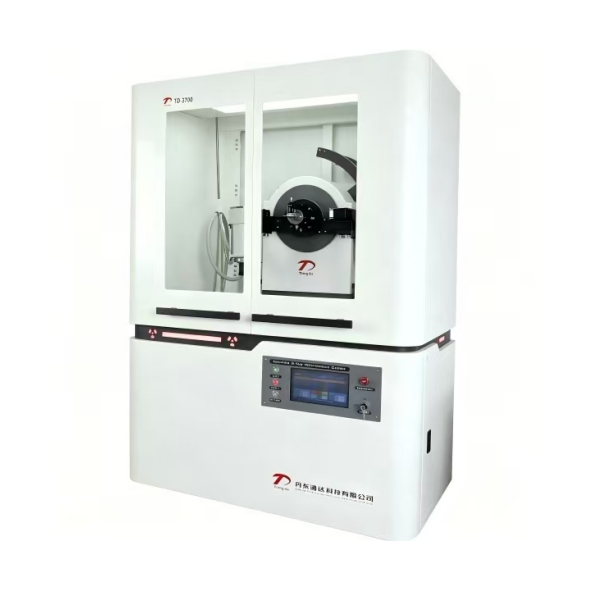
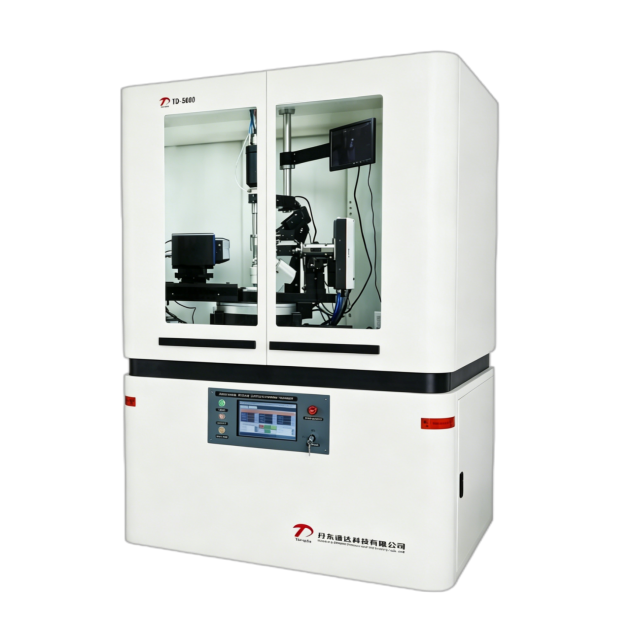
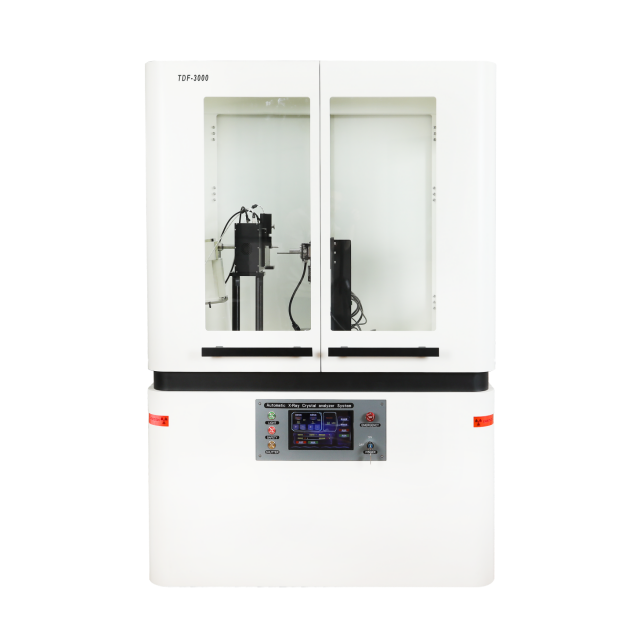
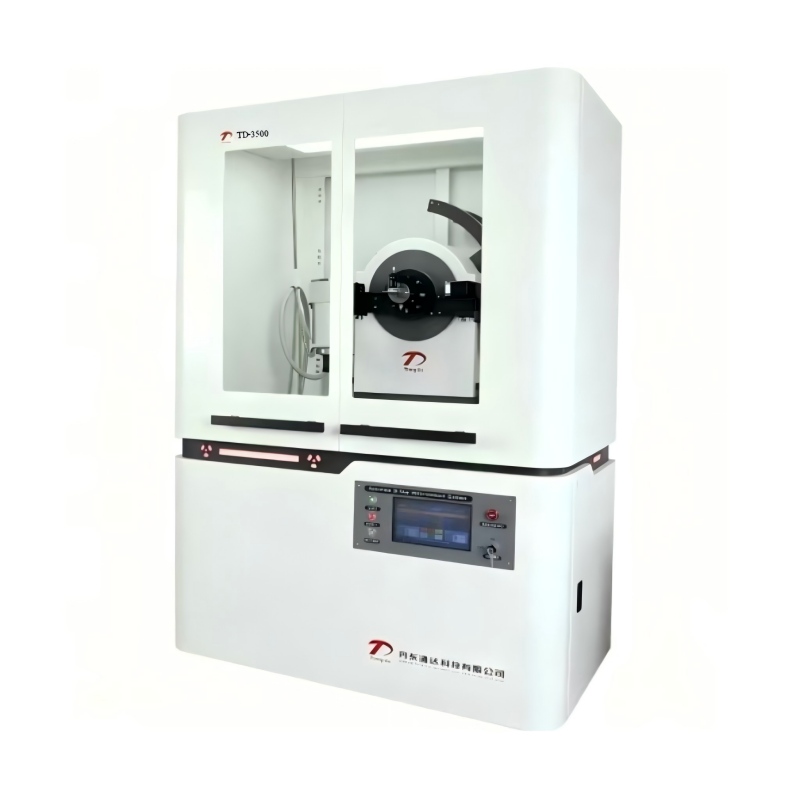
Proper operation and maintenance of X-ray crystal analyzers are key to ensuring equipment stability and accuracy. By following the steps and precautions outlined above, you can maximize the equipment's lifespan and maintain its high performance.

By strictly adhering to these standardized operation and maintenance procedures, laboratories can not only ensure the long-term, stable operation of their X-ray crystal analyzers but also significantly enhance the reliability and reproducibility of experimental data. A comprehensive maintenance strategy—encompassing regular calibration, environmental control, and detailed logging—serves as the foundation for minimizing costly downtime and extending the instrument's service life. Ultimately, prioritizing rigorous operational discipline and proactive equipment care is essential for achieving high-precision analytical results and maximizing the return on investment in this sophisticated scientific instrumentation.