
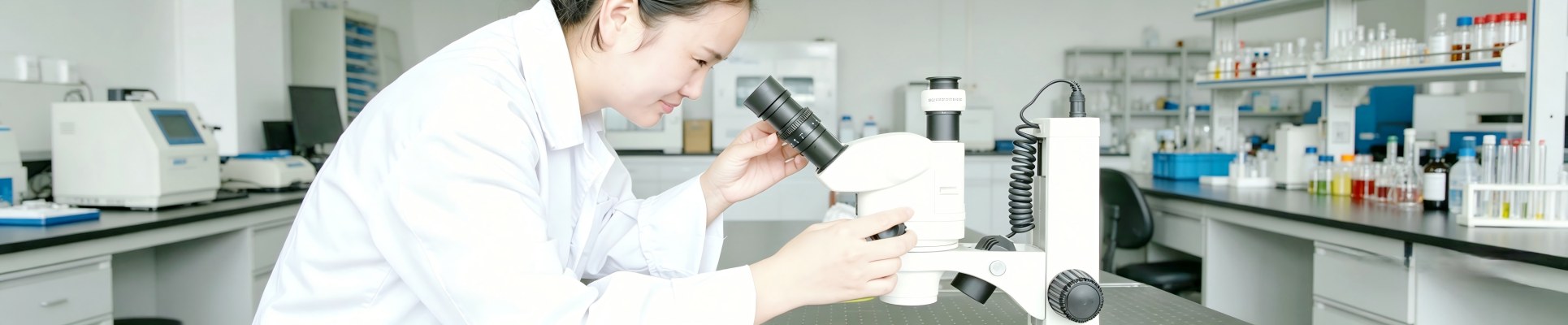
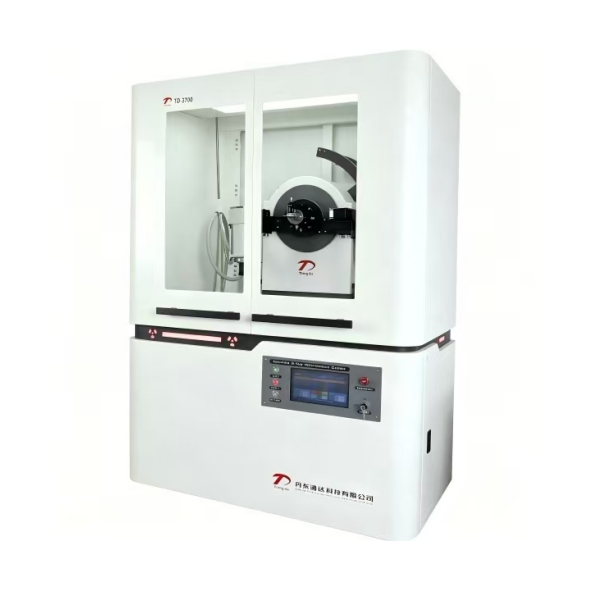
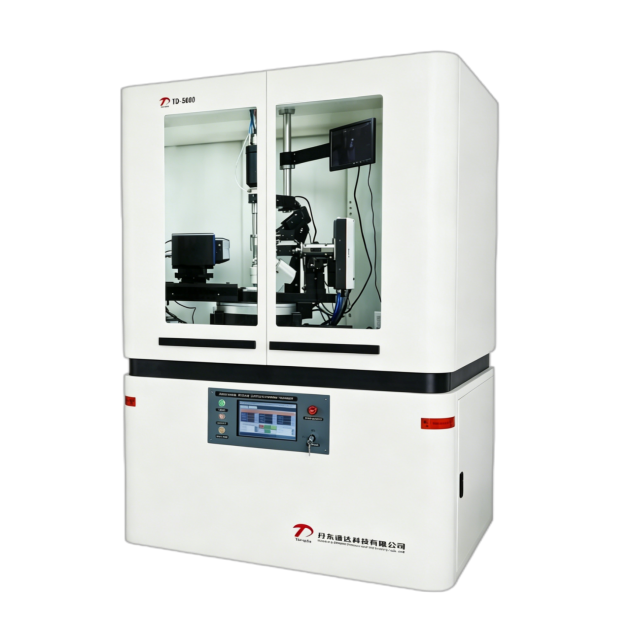
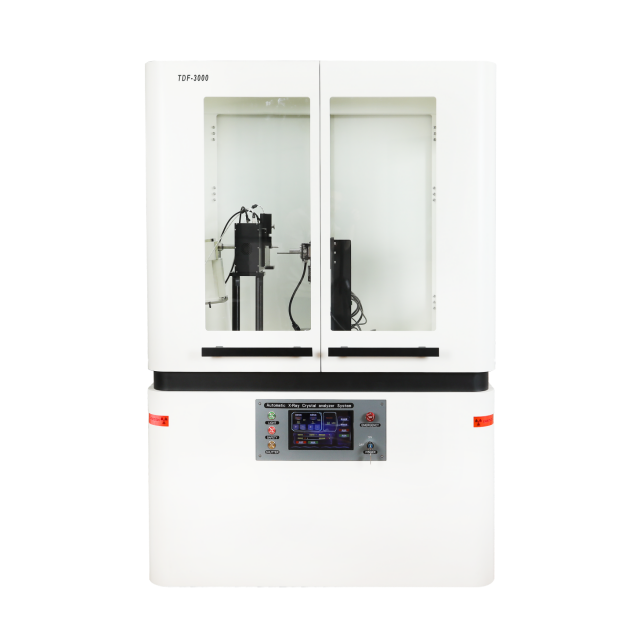
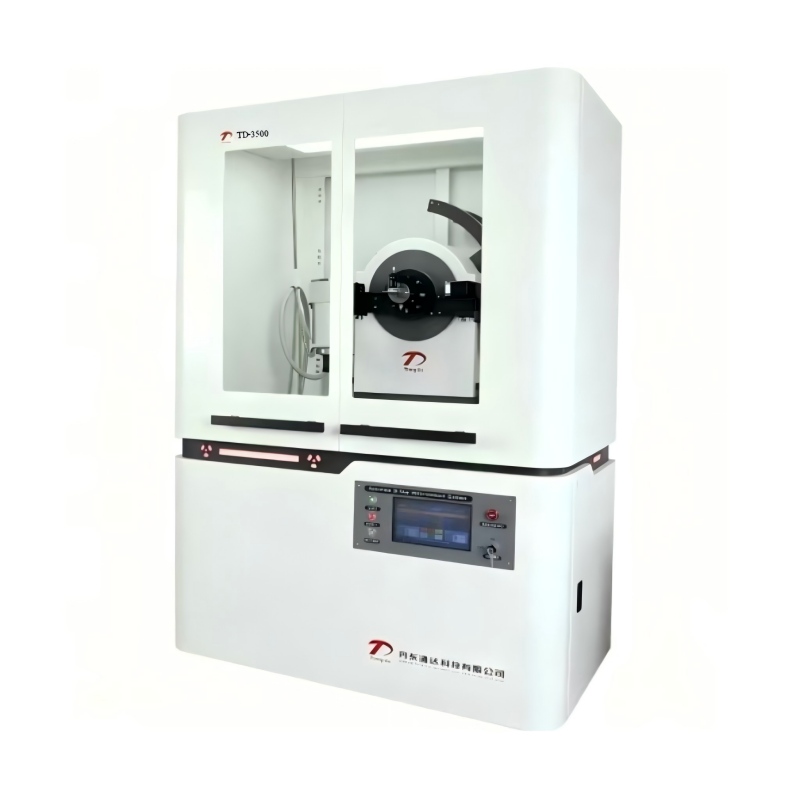
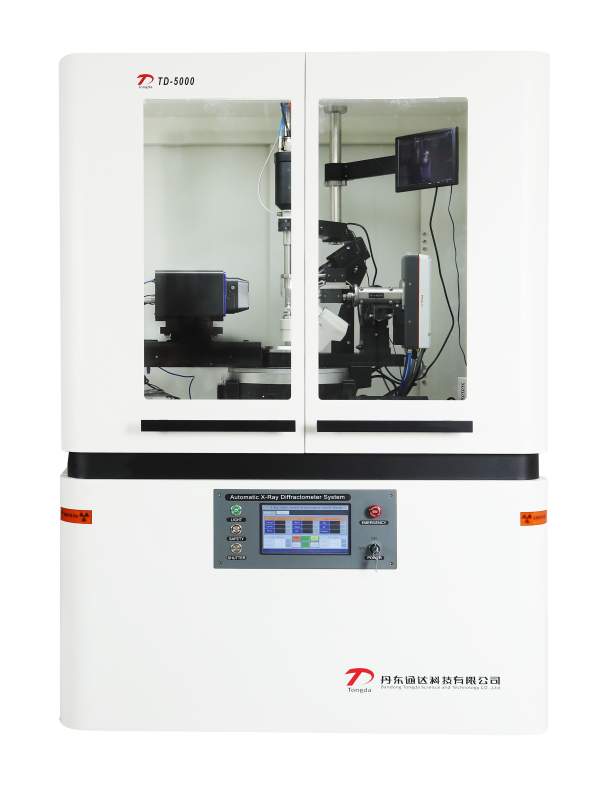
Single-crystal diffractometers are indispensable and important tools in fields such as chemistry, materials science, and biology. They enable precise determination of crystal structures, providing researchers with direct evidence regarding material structures. However, with a wide variety of diffractometers available on the market, each with different performance characteristics, choosing the right one has become a challenge for many laboratories. Below, we will discuss how to make an informed choice from several key aspects.
I. Define Usage Requirements
Before selecting a single-crystal diffractometer, it is essential to first clarify the specific needs of the laboratory. This includes the types of crystals to be analyzed, the range of crystal sizes, and the required resolution and precision. Different crystal structures and research objectives impose varying demands on the diffractometer. Therefore, defining these requirements is the first step in choosing the appropriate instrument.
II. Consider Instrument Performance
The performance of a single-crystal diffractometer directly affects the accuracy and reliability of the test results. When selecting an instrument, attention should be paid to the stability of its X-ray source, the sensitivity and resolution of the detector, and the stability and precision of its mechanical components. These performance indicators will directly impact the quality of experimental data collection and processing.
III. Understand Software Compatibility
Diffractometers typically come with dedicated data collection and analysis software. The user-friendliness and compatibility of this software are also crucial factors to consider when choosing an instrument. Ideal software should feature an intuitive user interface, powerful data processing capabilities, and good expandability to meet the evolving needs of the laboratory.
IV. Consider After-Sales Service and Support
While instrument quality and stability are paramount, good after-sales service and technical support are equally indispensable. When selecting a diffractometer, it is necessary to pay attention to the manufacturer's after-sales service policy, technical support capabilities, and the convenience of instrument maintenance. These factors will directly influence whether problems encountered during instrument use can be resolved promptly and effectively.
V. Comprehensive Evaluation of Cost-Effectiveness
Finally, when choosing a diffractometer, a comprehensive evaluation of its cost-effectiveness is necessary. This includes multiple aspects such as the instrument's price, performance, brand reputation, and subsequent operating costs. Although price is not the sole determining factor, it is an important consideration that laboratories must account for, especially when operating within a limited budget.
Choosing the right single-crystal diffractometerrequires a comprehensive consideration of the laboratory's specific needs, instrument performance, software compatibility, after-sales service and support, and cost-effectiveness. By carefully comparing different models and brands, and considering the actual situation of the laboratory, an informed decision can be made, providing a strong guarantee for the smooth progress of scientific research work.