

X-ray Diffractometer (XRD) is an indispensable quality analysis tool in the cement production process. With the characteristics of non-destructive testing, high accuracy and efficiency, it is widely used in various links of cement production, including raw material screening, raw meal calcination, clinker quality control, finished product testing and solid waste co-processing. It provides reliable technical support for cement enterprises to achieve stable production, improve product performance and realize green transformation.
In the raw material control link, XRD can quickly identify the mineral composition of limestone, siliceous raw materials, iron correction materials and various admixtures. It accurately detects the content of calcium carbonate and quartz phase in limestone, judges the burnability and grindability of raw materials, and provides a scientific basis for raw material proportioning. At the same time, it can analyze the active components and harmful phase ratio of admixtures such as slag and steel slag, evaluate their adaptability, and also detect the occurrence form of sulfur trioxide in gypsum to ensure that the raw material quality meets the standards.
Raw meal calcination and clinker analysis are key links in cement production, where XRD plays a core role. By detecting the content of main mineral phases such as tricalcium silicate, dicalcium silicate, tricalcium aluminate and tetracalcium aluminoferrite in clinker, it can directly judge whether the calcination temperature and time are reasonable. It accurately screens harmful phases such as free calcium oxide and periclase to avoid unqualified cement soundness. At the same time, it can analyze the mineral composition of scale and ring formation in the kiln, providing reference for kiln condition optimization and fault diagnosis.
In finished product testing and hydration research, XRD can quickly determine the proportion of clinker, gypsum and admixtures in finished cement to ensure that the products meet the relevant national standards. At the same time, it can track the hydration progress of main minerals and the formation law of hydration products during the cement hydration process, providing microcosmic data support for improving cement strength and durability. In addition, in the co-processing of industrial solid waste, XRD can quickly detect harmful crystal phases in solid waste to ensure production safety and environmental protection compliance.
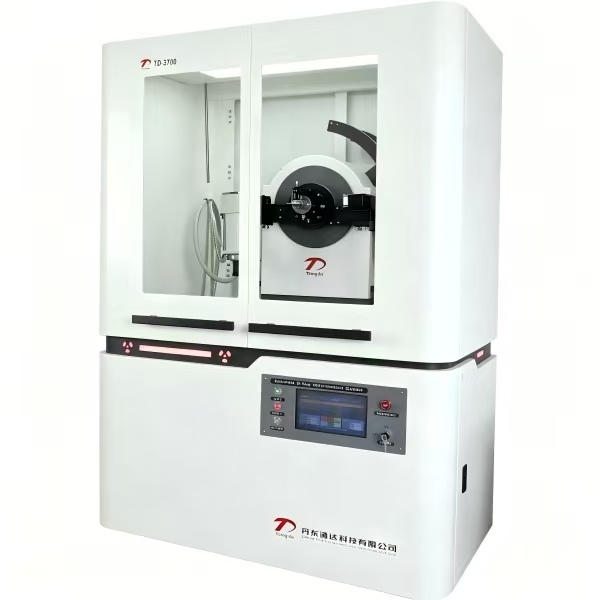
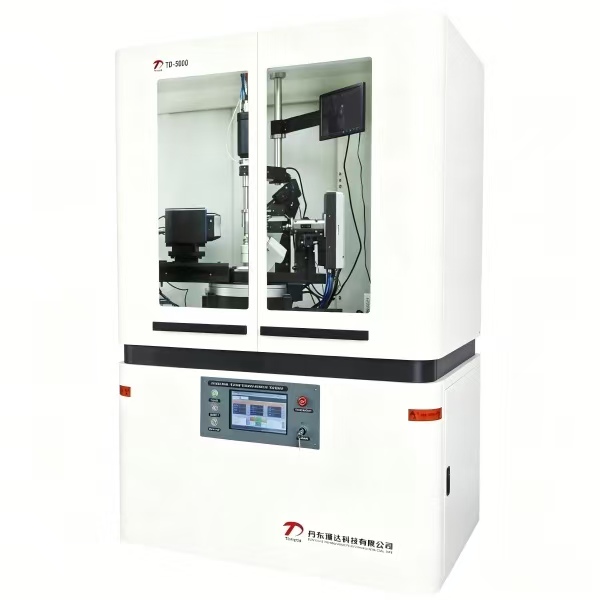
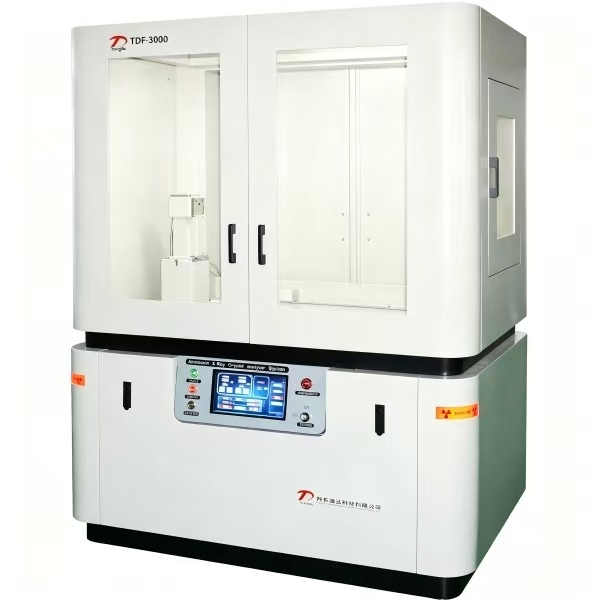
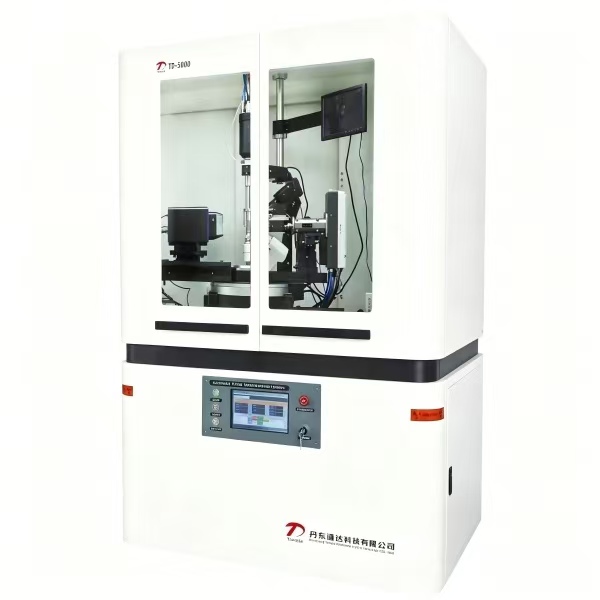
The TD series X-ray diffractometers of Dandong Tongda Science and Technology Co., Ltd. balance stable performance and easy operation, which can flexibly adapt to the testing needs of various links in cement production, effectively help enterprises improve quality control efficiency and contribute to the green and sustainable development of the industry.