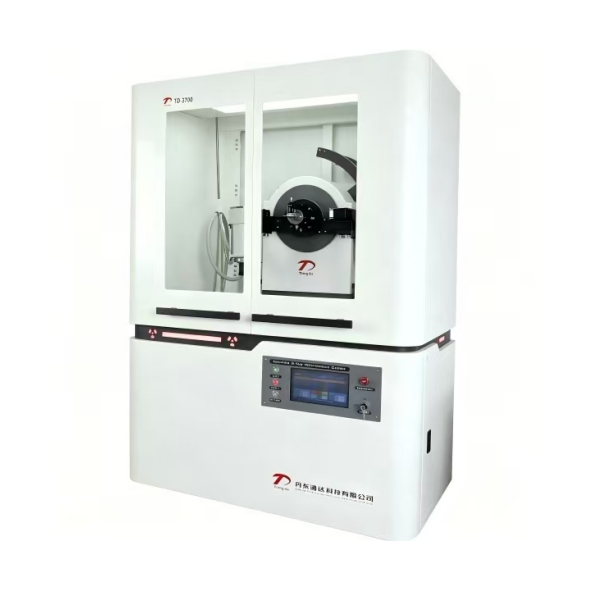
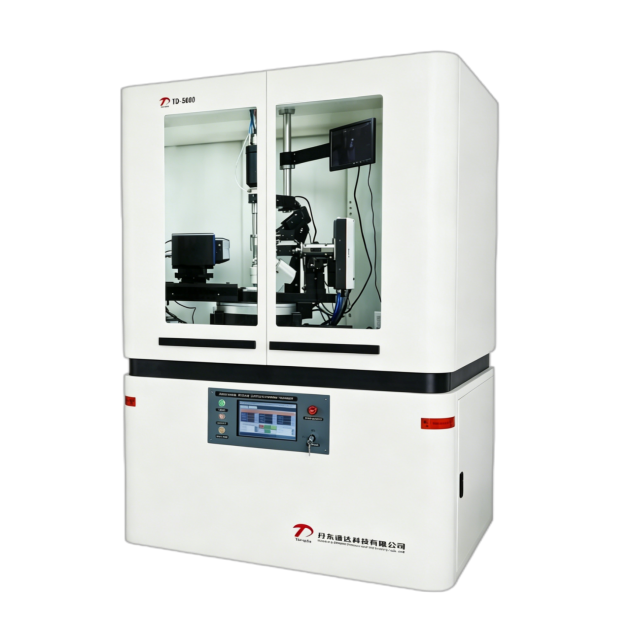
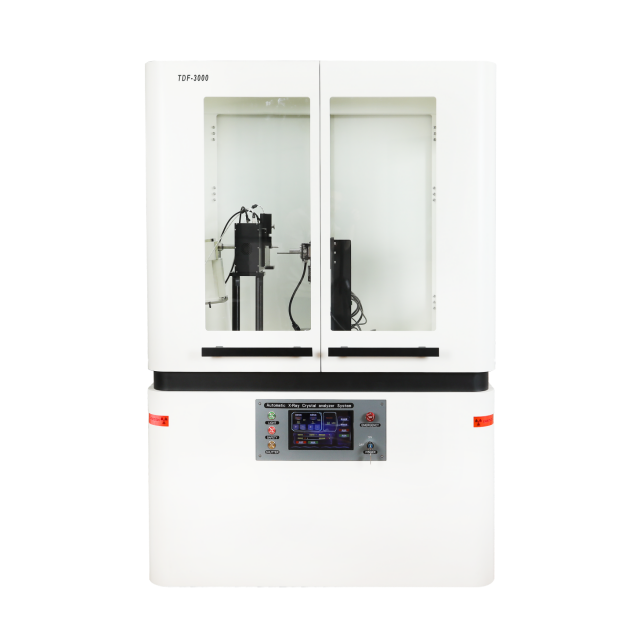
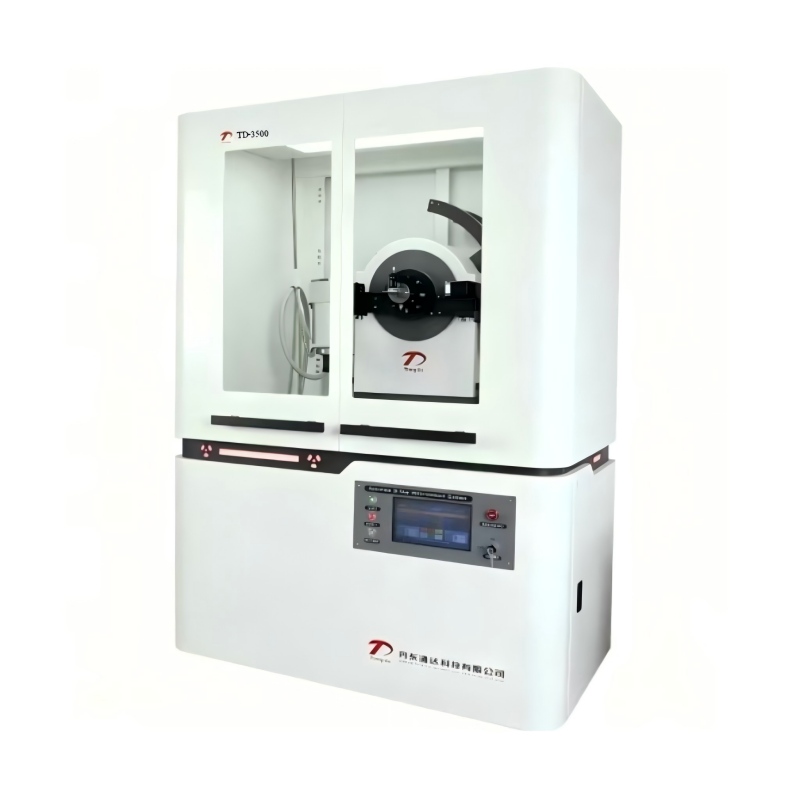
Dandong Tongda offers universal X-ray diffractometers for new materials R&D. Supporting powders, bulk, thin films, and more, our systems deliver phase analysis, crystallinity, and stress measurement. Modular design, PLC control, and comprehensive software meet diverse research needs in universities and institutes worldwide.
EmailMore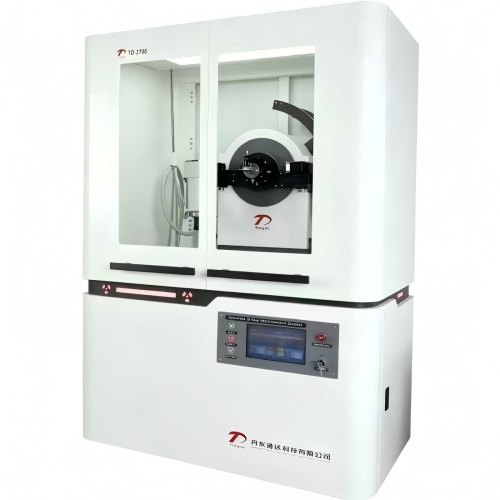
Dandong Tongda's XRD solutions serve both industrial QC and academic research, enabling fast, non-destructive phase analysis, quantitative testing, and microstructural characterization for mining, cement, chemicals, and materials science
EmailMore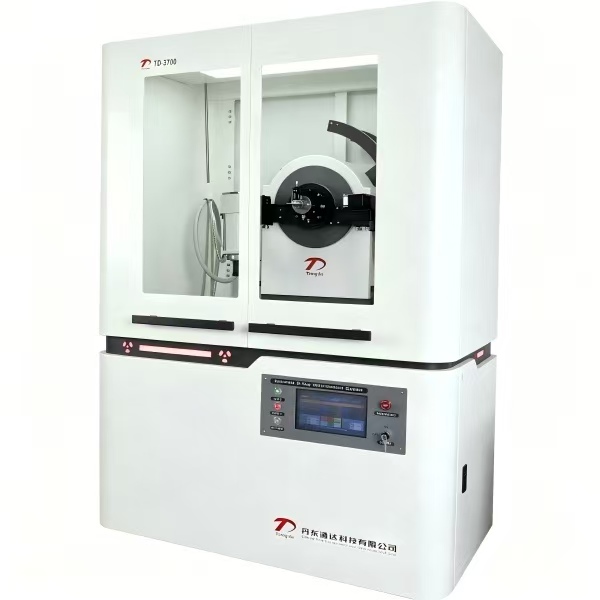
Dandong Tongda TD Series X-ray diffractometer (XRD) delivers high-precision phase analysis, PLC-based automated operation, stable performance in harsh environments, and traceable data management for mining and cement material testing, effectively replacing traditional chemical titration methods.
EmailMore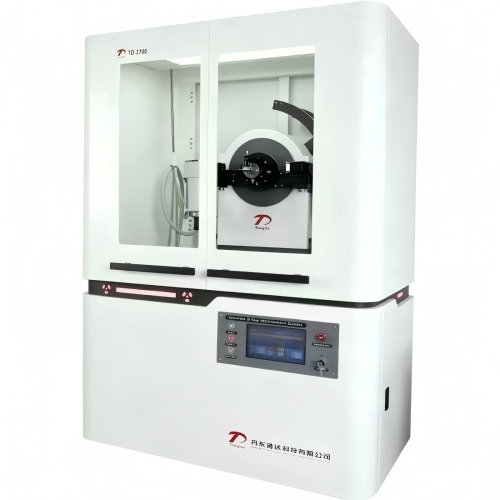
Chinese XRD instrument manufacturer offers fully customizable solutions and full-cycle after-sales support for overseas mining, cement, metallurgy, and research sectors. Addressing poor adaptability, installation constraints, and slow service, the company provides tailored optical, mechanical, and control systems. Products suit high-volume industrial testing and lab research. Global 24/7 support, spare parts, and multilingual training reduce downtime and costs. Exported widely, the reliable "Made in China" devices enhance testing efficiency and quality control.
EmailMore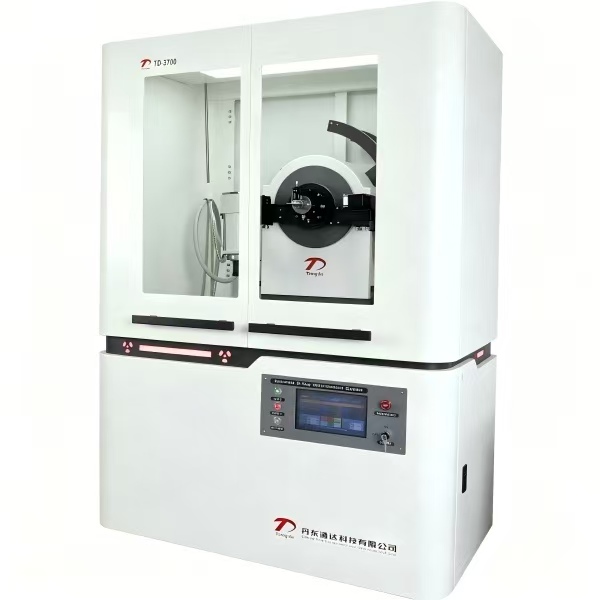
Facing cost pressures from wet chemical analysis, the metallurgical industry is turning to industrial XRD. Dandong Tongda offers cost-effective XRD equipment for rapid on-site mineral phase analysis. It optimizes burden control, reduces testing costs, and supports data-driven quality upgrades for smelters worldwide.
EmailMore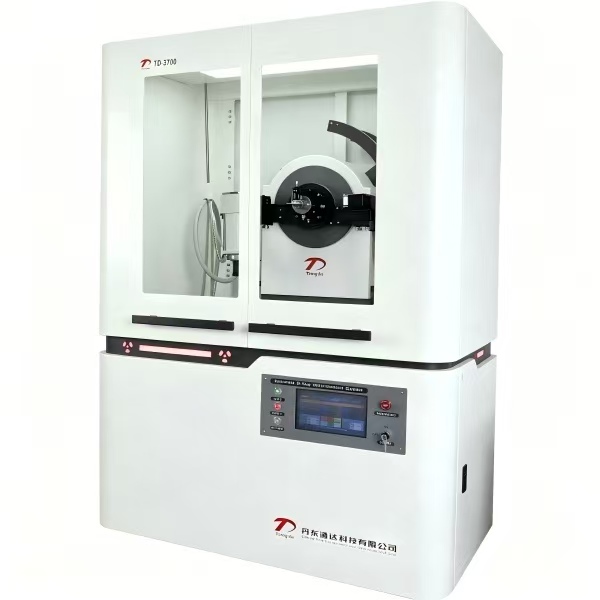
China-made X-ray diffractometers (XRD) offer a cost-effective alternative to expensive imported models, delivering comparable accuracy, stability, and automation at 30–50% of the cost. Dandong Tongda Technology’s TD-series industrial XRD supports phase identification, crystal analysis, and non-destructive screening for metallurgy, cement, mining, and chemicals. Benefits include faster delivery, local after-sales support, one-click operation, and full lifecycle service. Ideal for SMEs and labs seeking budget-friendly, reliable quality control solutions.
EmailMore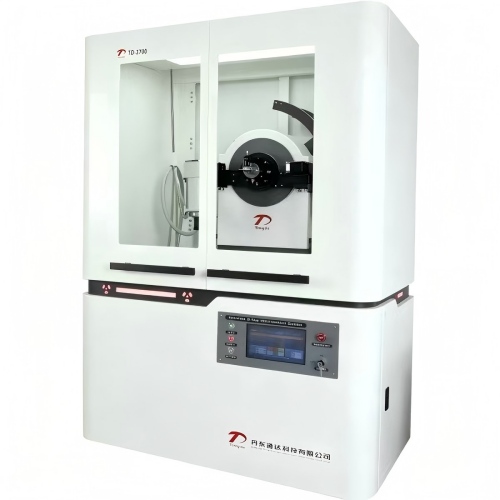
In order to understand the changes in crystal structure during low-temperature refrigeration processes.
EmailMore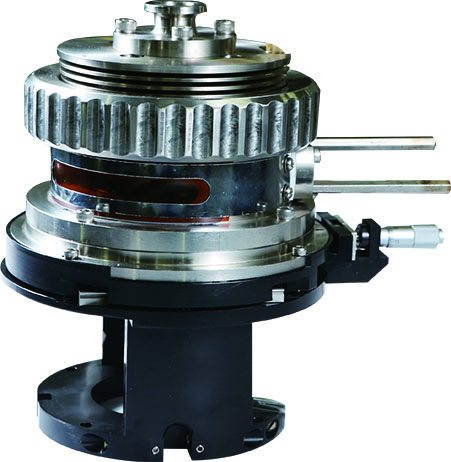
To understand the changes in crystal structure of samples during high-temperature heating and the changes in mutual dissolution of various substances during high-temperature heating.
EmailMore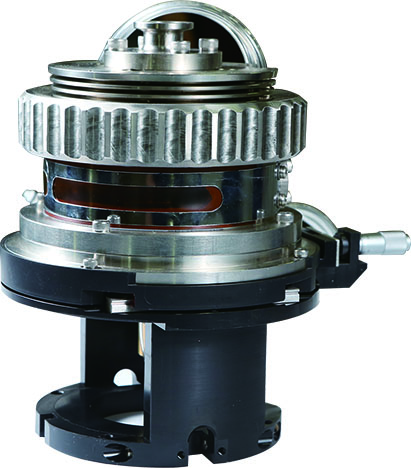
Dandong Tongda Technology Co., Ltd. is a professional enterprise that produces X-ray products. Its main product is X-ray analysis instruments, and in 2013, it became the project undertaker for the National Major Scientific Instrument and Equipment Development Special X-ray Single Crystal Diffraction Instrument of the Ministry of Science and Technology of China. Our company adheres to the principles of customer first, product first, and service first, insists on people-oriented, and has a strong technology team. We are committed to providing users with the highest quality high-tech products with advanced technology, and providing strong support and services to users with efficient technical consulting and after-sales service institutions.
EmailMore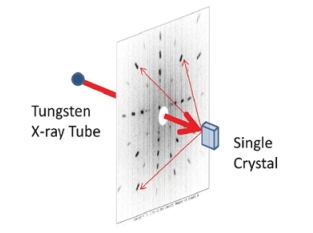
X-ray diffractometer is mainly used for phase qualitative and quantitative analysis, crystal structure analysis, material structure analysis, crystal orientation analysis, macroscopic or microscopic stress determination, grain size determination, crystallinity determination, etc. of powder, block or film samples.
EmailMore