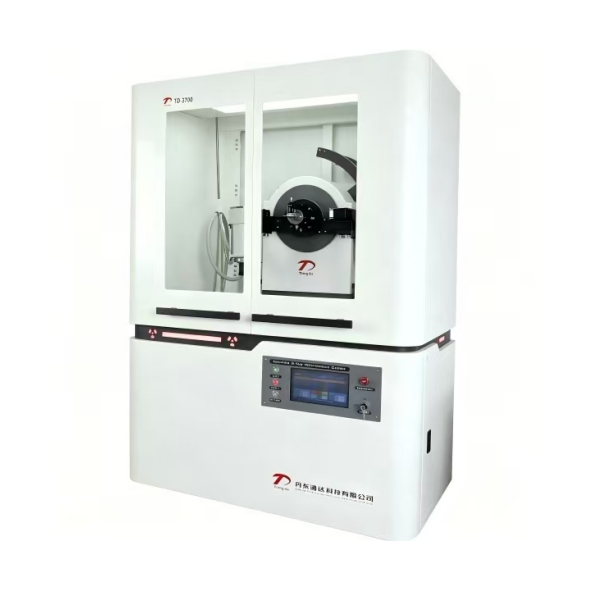
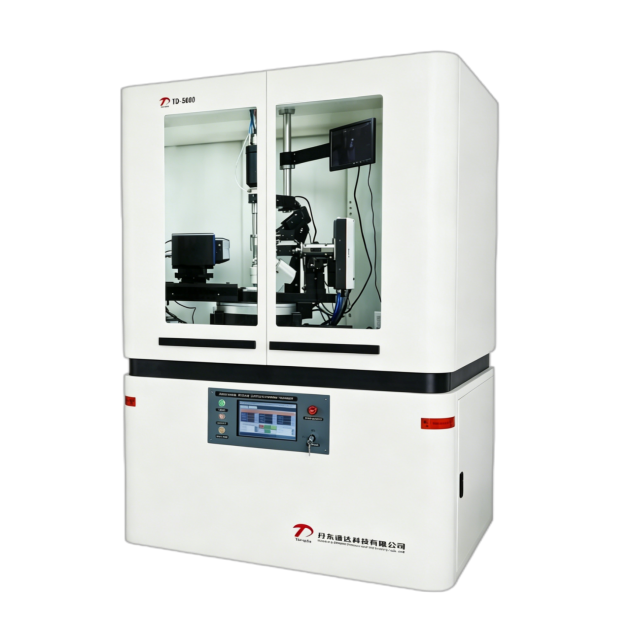
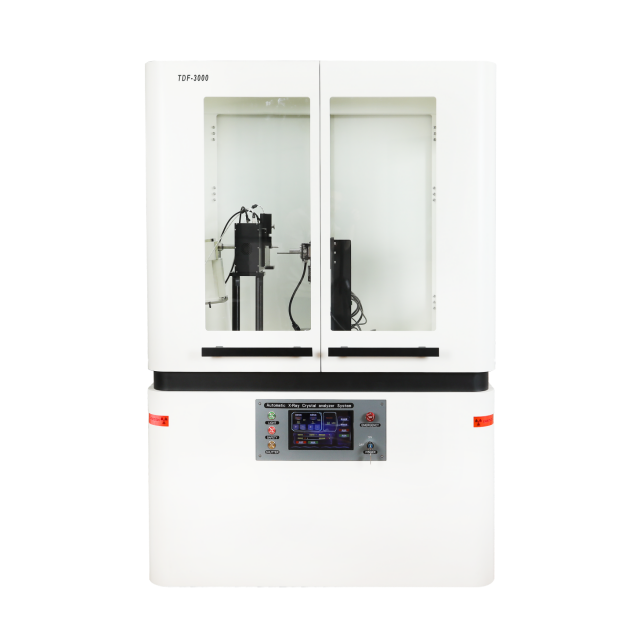
Dandong Tongda launches TD-5000, a self-developed high-precision X-ray single crystal diffractometer with 3kW generator, Kappa four-circle goniometer (0.0001° accuracy), hybrid pixel detector, and cryo-control (100–300K). Fully automated, CE-certified, ISO9001, offering cost-effective, reliable structural analysis for global research and industrial users.
EmailMore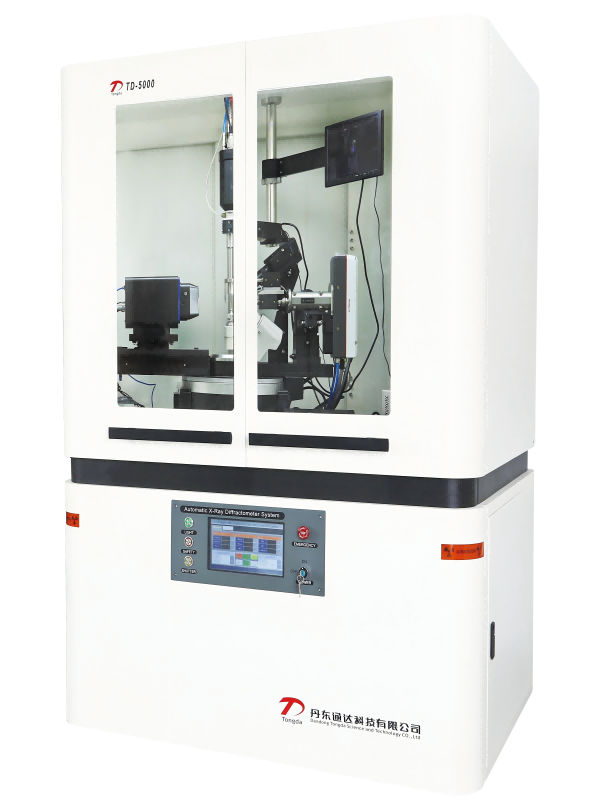
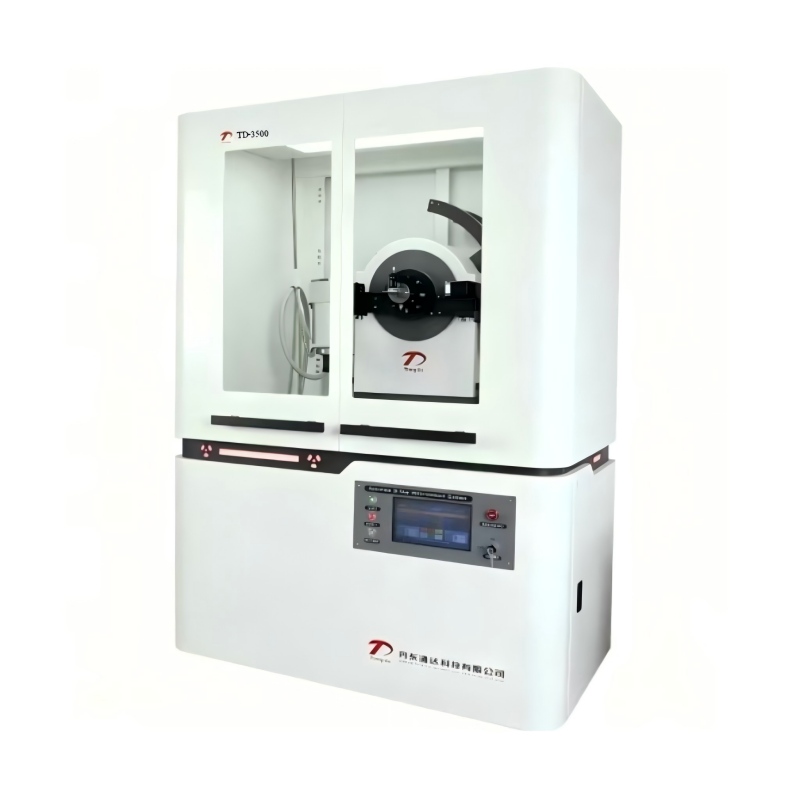
China-made X-ray diffractometers (XRD) offer a cost-effective alternative to expensive imported models, delivering comparable accuracy, stability, and automation at 30–50% of the cost. Dandong Tongda Technology’s TD-series industrial XRD supports phase identification, crystal analysis, and non-destructive screening for metallurgy, cement, mining, and chemicals. Benefits include faster delivery, local after-sales support, one-click operation, and full lifecycle service. Ideal for SMEs and labs seeking budget-friendly, reliable quality control solutions.
EmailMore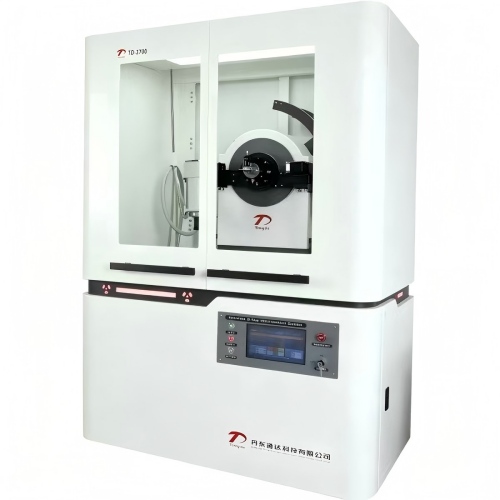
Tongda provides X-ray diffraction solutions with custom services. Advanced facilities & key technologies make its products near world-class. Used across many fields. R&D team of 30 drives continuous improvement.
EmailMore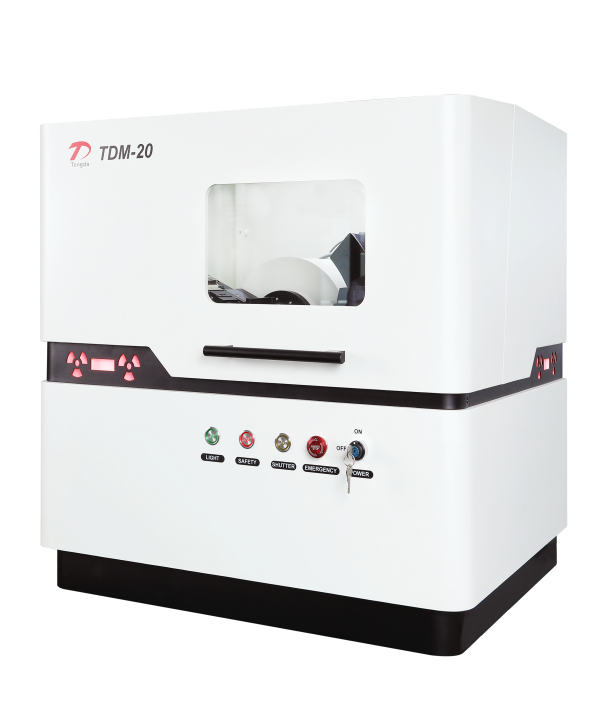
Multifunctional X-ray diffractometer for material science. Performs phase, crystal, thin film, micro-area, and stress analysis. Key advantages: high-precision measurement, stable control, programmable operation, innovative non-concentric goniometer design, and configurable accessories. An indispensable tool for researchers.
EmailMore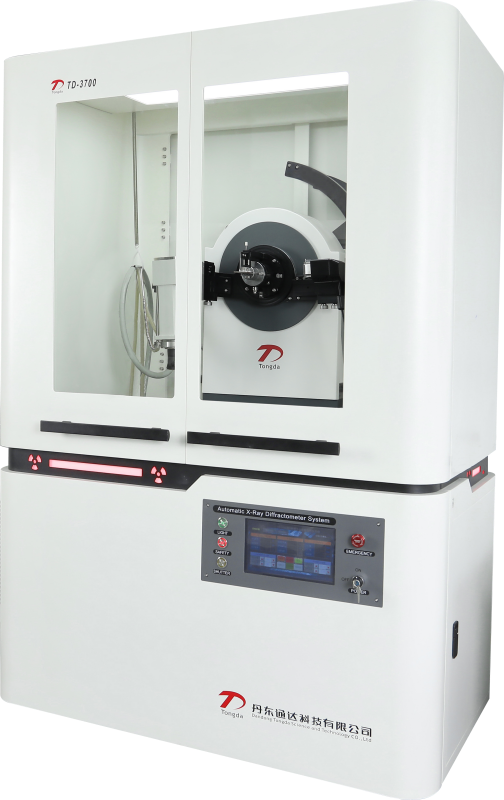
The crystal orientation instrument serves as a critical navigator in high-end manufacturing, enabling precise, non-destructive detection of atomic alignment in materials like silicon and sapphire. It ensures optimal cutting and processing in semiconductor and optical industries, enhancing product performance, reducing waste, and supporting automated, high-precision production.
EmailMore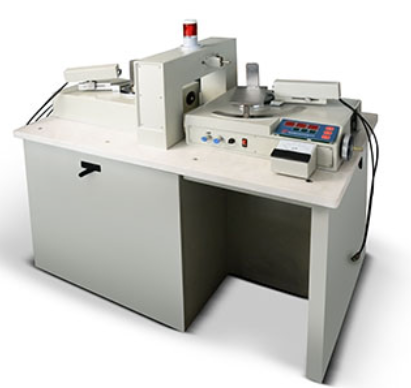
China-made X-ray diffractometers offer high spatial/energy resolution, non-destructive testing, and reliable operation. They are vital for analyzing crystal structures in materials science, rock compositions in geology, and protein structures in biology, driving research and innovation across multiple fields.
EmailMore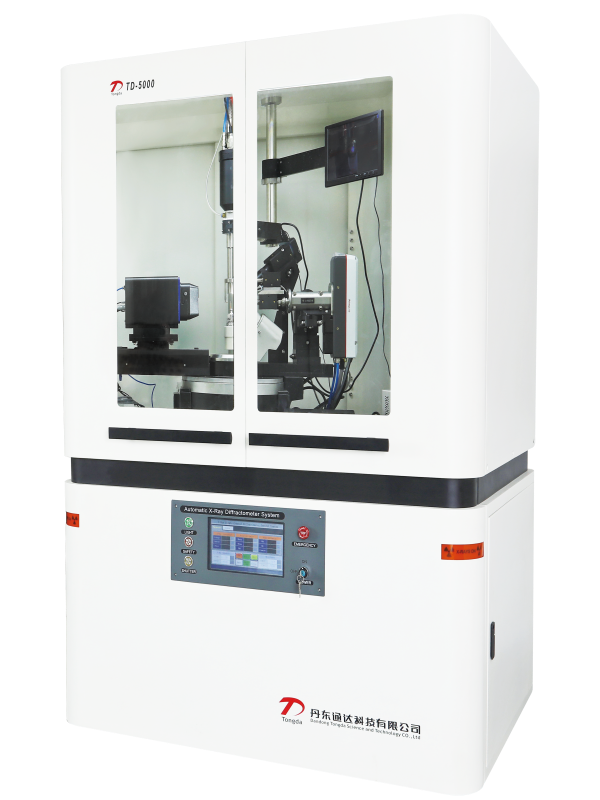
Dandong Tongda's TDF Series X-ray Crystal Analyzer represents China's breakthrough in high-end, self-developed analytical instruments. It delivers precise, safe, and reliable crystal structure analysis for global materials science and pharmaceutical R&D.
EmailMore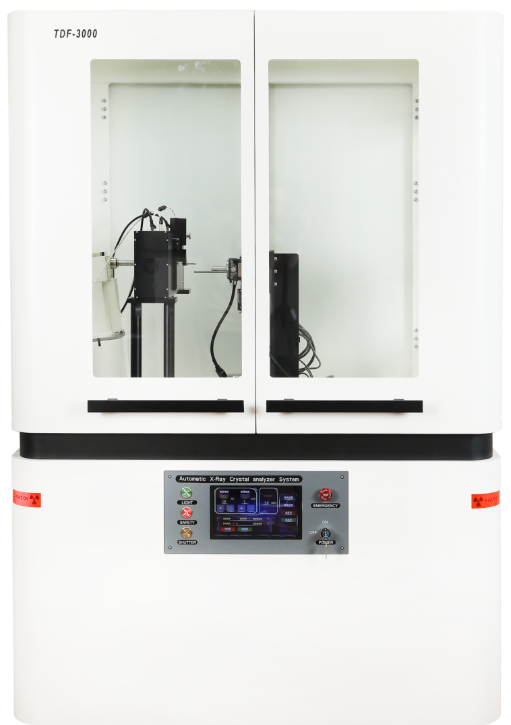
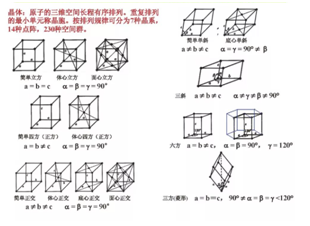
The three-dimensional space of atoms is arranged in a long-range order, and the smallest unit of repeated arrangement is called the cell, which can be divided into 7 kinds of crystal systems, 14 kinds of lattice, and 230 kinds of space groups according to the arrangement law.
EmailMore