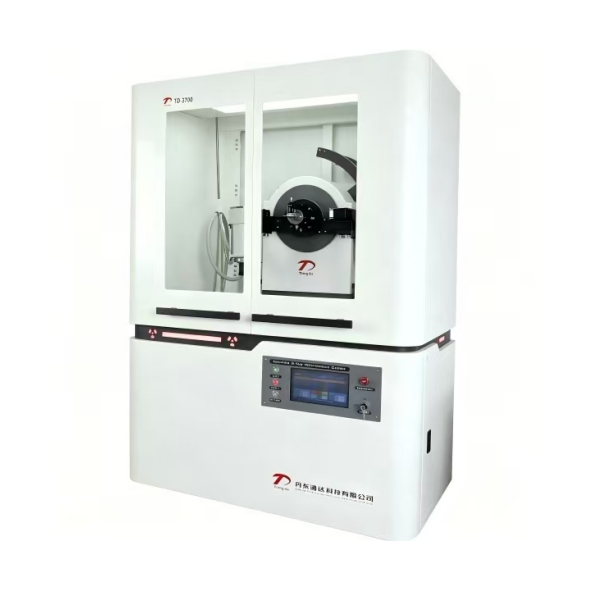
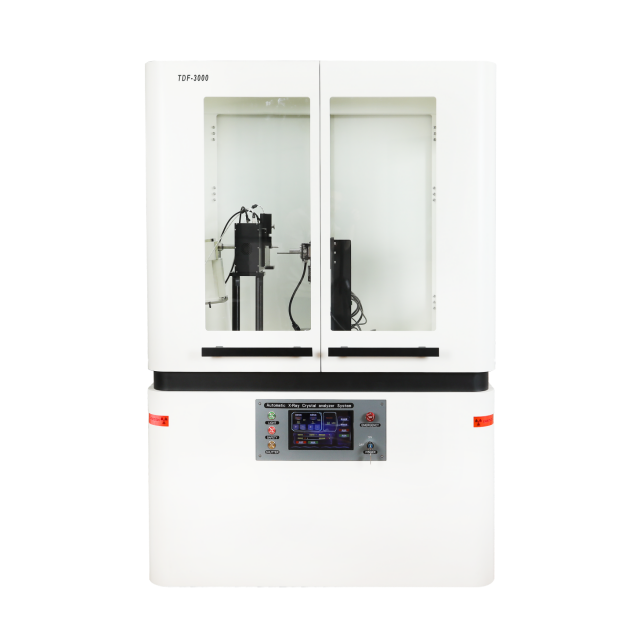
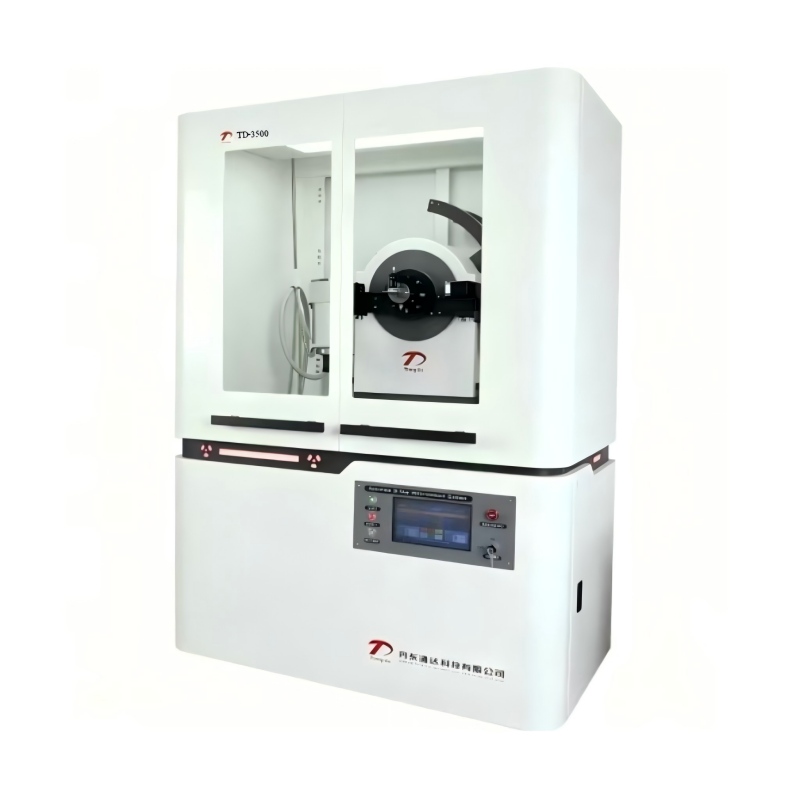
Dandong Tongda Technology provides superior X-ray tubes for analytical instruments. Our specialized tubes (ceramic, metal-ceramic, glass) ensure excellent compatibility with XRD, XRF, and crystal analyzers. Offering diverse target materials, precise focal spots, and robust power outputs (2.4kW/2.7kW). Committed to quality and reliability for global partners in industrial and research applications.
EmailMore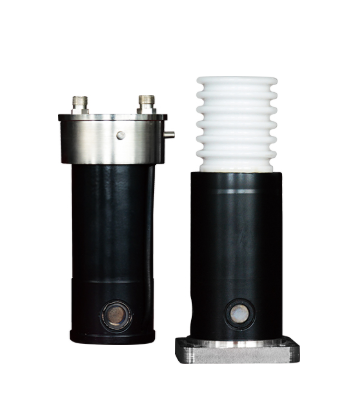
Dandong Tongda's X-ray non-destructive testing equipment ensures precise internal inspection for aerospace, automotive and construction sectors. Featuring portable design and advanced safety systems, it delivers reliable defect detection while maintaining complete operational safety.
EmailMore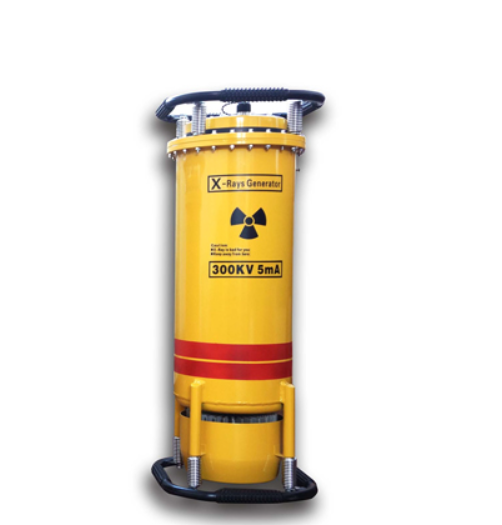
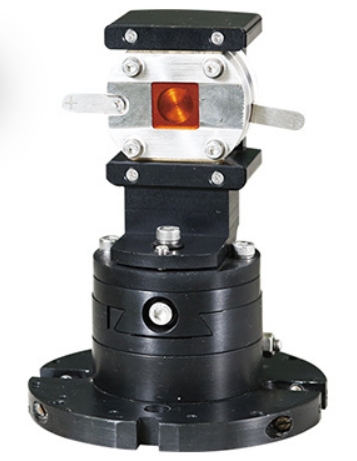
The Multifunctional Integrated Measurement Attachment from Dandong Tongda is a high-precision sample analysis platform mounted on wide-angle goniometers to significantly enhance X-ray analytical capabilities. This multi-axis system enables sophisticated material analysis, including phase identification, residual stress testing, and thin film in-plane structure characterization. Featuring α-axis tilt (-45°-90°), β-axis 360° rotation, and XYZ translation (±10mm) with 0.001°/.001mm resolution, it supports both transmission/reflection pole figure measurements and iso-/side-inclination stress methods. Essential for advanced materials research, it facilitates texture analysis, stress evaluation, and multilayer film studies on metals, ceramics, and various substrates, making it a powerful tool for both research and industrial inspection applications.
EmailMore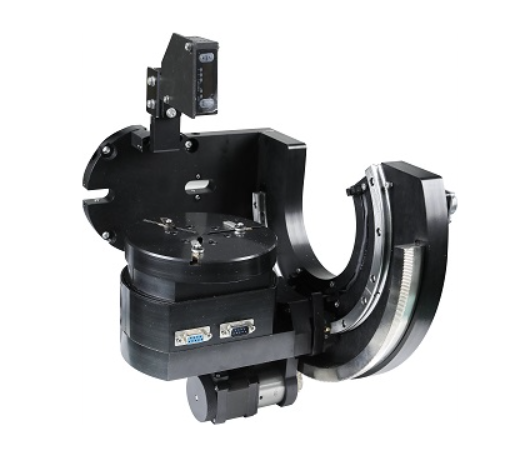
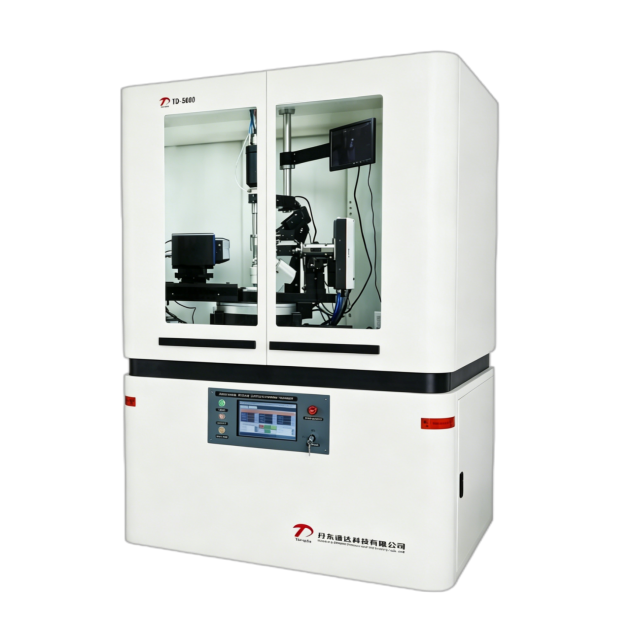
The TD-5000 X-ray Single-Crystal Diffractometer is the outcome of a Major Scientific Instrument Development Project funded by China's Ministry of Science and Technology, with Dandong Tongda Science and Technology Co., Ltd. as the lead unit. This instrument represents a significant breakthrough for China in the high-end scientific instrument sector, filling a longstanding domestic gap in the development and manufacturing of single-crystal diffractometers. Its industry recognition is underscored by the prestigious "3i Award - 2022 Outstanding New Instrument of the Year," a highly authoritative accolade in the field.The TD-5000 X-ray Single-Crystal Diffractometer is capable of determining the three-dimensional spatial structure and electron density distribution of crystalline substances, including inorganic compounds, organic compounds, and metal complexes. It can analyze key crystal parameters such as bond lengths, bond angles, configuration, conformation, unit cell parameters, space group, and intermolecular interactions. The instrument is designed to determine the precise three-dimensional spatial structure of new compounds (in crystalline form)—including bond lengths, angles, configuration, conformation, and even bonding electron density—as well as the actual arrangement of molecules within the crystal lattice. It provides comprehensive structural information such as unit cell parameters, space group, molecular crystal structure, hydrogen bonding and weak intermolecular interactions, and molecular configuration and conformation.It is widely used in analytical research across various fields including chemical crystallography, molecular biology, pharmaceutical sciences, mineralogy, and materials science.The system is user-friendly, featuring one-click collection and a modular design. It employs high-precision goniometry with four-circle concentric technology to ensure goniometer center stability. Additionally, it is equipped with a high-performance detector and offers the option of a PILATUS hybrid pixel array detector, enabling high data quality and very fast scanning speeds. Beyond performance, the instrument is safe and reliable, featuring an electronic lead glass door interlock system that provides dual protection. The TD-5000 X-ray Single-Crystal Diffractometer is a precision analytical instrument designed for scientific research and high-end industrial applications. It excels in key performance metrics through sophisticated design and represents a significant breakthrough in its category. For users with relevant procurement needs who demand high-quality, high-standard instrumentation, it is a option worthy of serious consideration. Dandong Tongda Technology Co., Ltd. is committed to fully meeting your expectations with reliable performance and professional support. We look forward to your inquiries and potential collaboration.
EmailMore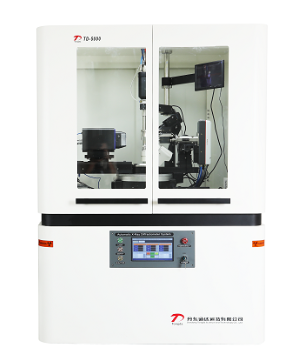
In X-ray diffraction analysis, thin film samples present significant challenges due to their extremely thin thickness, weak signals, and typical attachment to a substrate. Traditional testing methods are prone to interference from substrate signals, causing the signals from the thin film itself to be masked or distorted. The core design of the parallel beam thin film accessory lies in increasing the length of the grating slices to filter out more scattered rays. This approach offers two significant advantages: Reduces Substrate Signal Interference: Effectively suppresses non-target signals originating from the sample substrate. Enhances Thin Film Signal Strength: Makes the analytical signals from the target thin film more prominent, thereby yielding clearer and more accurate analysis results. Application Fields: The parallel beam thin film accessory is primarily applied in cutting-edge fields such as environmental protection and electronics. In these industries, the performance of thin film materials often directly determines the quality of the final product. For example, in the electronics industry, various functional thin films are widely used in products like semiconductor devices, display screens, and solar cells. The crystal structure, orientation, and stress state of the thin films significantly impact their electrical, optical, and mechanical properties. By utilizing the parallel beam thin film attachment, researchers can evaluate these key parameters more precisely, providing robust support for product development and quality control. Dandong Tongda Science and Technology Co., Ltd. is a National High-Tech Enterprise specializing in the production of X-ray analysis instruments and non-destructive testing equipment. It was also the undertaking unit of the "National Major Scientific Instrument and Equipment Development Project" initiated by the Ministry of Science and Technology in 2013. Tongda Science and Technology has completed the serialization of its two main product lines: analytical instruments and non-destructive testing instruments.
EmailMore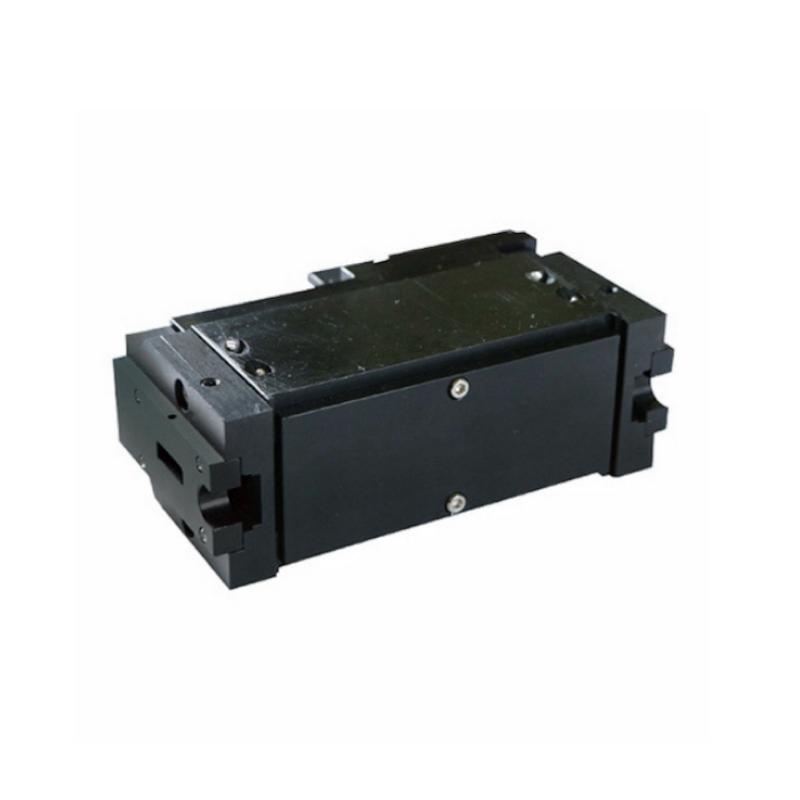
In the fields of materials science and industrial testing, precise sample analysis relies on reliable instruments. The rotating sample stage produced by Dandong Tongda Technology Co., Ltd. is precisely such a critical accessory dedicated to enhancing the quality of X-ray diffraction (XRD) analysis. In X-ray diffraction analysis, the characteristics of the sample itself often pose challenges. For example, when the grains are excessively coarse, the material exhibits significant texture (or "preferred orientation," meaning the grains are not randomly arranged), or the sample has specific crystal habits (crystal growth patterns), obtaining diffraction data that is statistically representative and truly reflects the overall material properties becomes difficult. When measuring such samples with traditional static sample stages, the diffraction intensity may be distorted due to the aforementioned factors, affecting the accuracy of phase identification, texture analysis, and other evaluations. The core design philosophy of Tongda Technology's rotating sample stage is to address these challenges by enabling smooth rotation of the sample within its own plane. Core Function: Eliminating Orientation Errors and Enhancing Data Reliability The working principle of this rotating sample stage is intuitive and effective. By driving the sample to rotate continuously or in a stepwise manner, it ensures that the X-ray beam covers more grains with different orientations on the sample during irradiation. The main advantages of this approach are: Effective Reduction of Measurement Errors: Through the rotation averaging effect, it significantly mitigates measurement deviations caused by coarse grains or preferred orientation, making the diffraction data more representative of the material's overall properties. Ensuring Result Reproducibility: Whether the sample itself has texture or not, it guarantees good reproducibility of diffraction intensity across multiple measurements or between different laboratories, enhancing the reliability and comparability of data. Simplified Sample Preparation Requirements: It reduces the stringent demands for perfect sample preparation to a certain extent, improving analysis efficiency. Technical Specifications: Precision Control and Flexible Adaptability The rotating sample stage from Dandong Tongda Technology offers the following key technical parameters to meet the rigorous demands of scientific research and industrial testing: ParameterDescription Rotation Methodβ-axis (sample rotates within its own plane) Rotation Speed Range1 ~ 60 RPM (revolutions per minute) Adjustable based on experimental requirements Stepping PrecisionMinimum step width: 0.1º Supports high-precision positioning scanning Operation ModesConstant-speed rotation (for sample scanning), stepping, continuous, and other modes Adapts to various testing workflows and data acquisition needs Typical ApplicationsQuality control and R&D in industries such as environmental protection and electronics CompatibilityPrimarily used as an accessory for X-ray diffraction spectrometers (XRD) Application Scenarios: Serving the Environmental Protection and Electronics Industries This rotating sample stage is not merely a "showpiece" in the laboratory; it directly serves industries with high requirements for material analysis, such as environmental protection and electronics. In areas such as quality control, new product development, and failure analysis in these fields, it assists engineers and researchers in conducting more accurate phase analysis on samples of various forms, including powders, bulk materials, and thin films, ensuring the authenticity and reliability of data.
EmailMore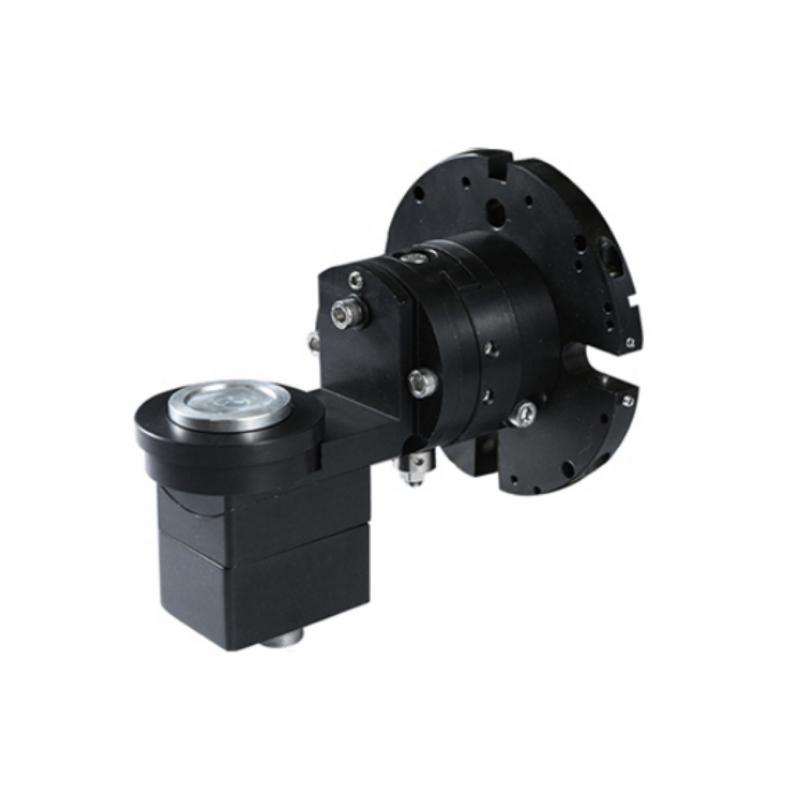
In the field of lithium-ion battery research and development, understanding the dynamic changes in the microstructure of electrode materials during charge and discharge processes is crucial. Traditional offline detection methods cannot capture these changes in real time, while the emergence of in situ characterization techniques provides researchers with a powerful tool. Leveraging its expertise in X-ray diffraction (XRD) technology, Dandong Tongda Technology Co., Ltd. has developed an in situ battery accessory for battery research, offering an efficient window to explore the reaction processes inside the "black box" of batteries. Technical Principle: Dynamically Monitoring Microscale Changes in Battery Materials The core design goal of Dandong Tongda's originally battery accessory is to enable real-time monitoring of the evolution of the crystal structure of electrode materials using X-ray diffraction (XRD) technology while the battery is operating normally (during charge and discharge). This accessory typically needs to work in synergy with an electrochemical testing system (such as the LAND battery test system) and an X-ray diffractometer (such as Tongda Tech's TD-3500 model). It forms a specialized battery chamber that allows X-rays to penetrate and probe the electrode materials of the battery during operation. The key lies in the design of window materials (such as beryllium windows) with extremely low X-ray absorption rates on the battery components, ensuring effective incidence and emission of X-rays. Simultaneously, the accessory integrates necessary electrodes, insulation, and sealing components to ensure normal electrochemical reactions and maintain excellent sealing during testing. Key Functions and Application Value The value of this in situ battery accessory lies in its ability to help researchers intuitively and dynamically observe a series of microscopic changes in electrode materials during battery charge and discharge processes: Real-Time Observation of Phase Transition Processes: Many electrode materials undergo phase transitions during lithium-ion intercalation and deintercalation. In situ XRD can capture the formation, disappearance, and transformation of these phases in real time, which is critical for understanding the battery's reaction mechanisms. Monitoring Lattice Parameter Changes: By precisely tracking the shifts in XRD diffraction peaks, subtle changes in lattice parameters can be calculated, reflecting the expansion and contraction of the lattice. This is closely related to battery performance metrics such as voltage platforms and cycle life. Unveiling Capacity Decay Mechanisms: Capacity decay during battery cycling is often related to structural degradation of electrode materials, side reactions, and other factors. In situ monitoring can correlate electrochemical performance degradation with structural changes, providing direct insights for improving battery materials and optimizing design. Accelerating New Material Development: For evaluating novel electrode materials, in situ XRD technology can quickly provide key information on structural stability and reaction pathways, speeding up the R&D process.
EmailMore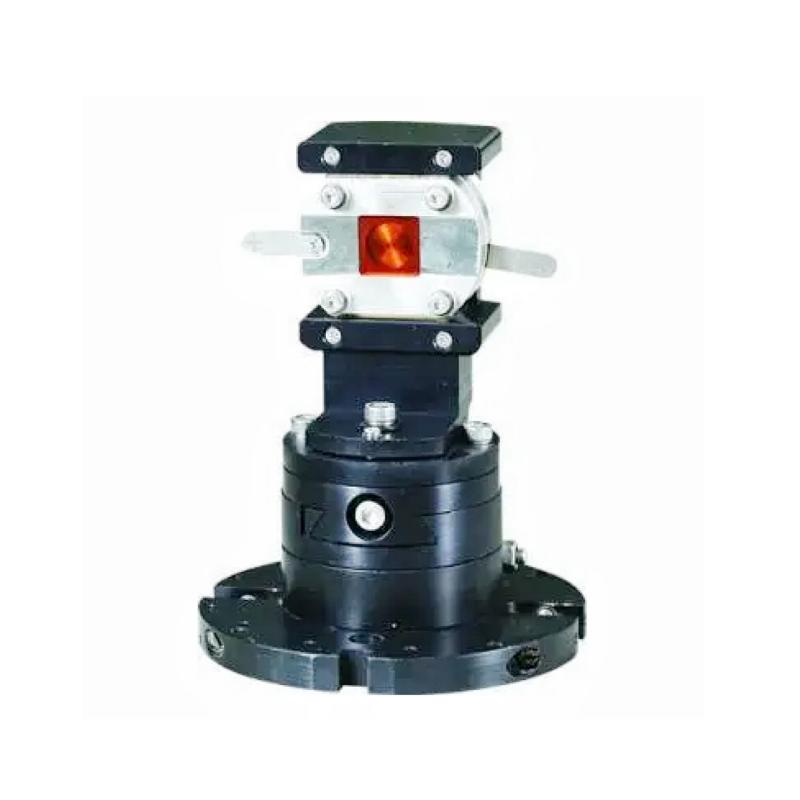
Non-Destructive Testing (NDT) is an indispensable quality assurance technology in modern industry. It enables the detection of internal defects, structures, and property conditions of materials by utilizing characteristics such as acoustic, optical, magnetic, and electrical properties—all without damaging or affecting the performance of the tested object. Compared to destructive testing, NDT has the following characteristics: First, it is non-destructive, as it does not impair the performance of the test object. Second, it is comprehensive. Since the testing is non-destructive, it allows for 100% full inspection of the test object when necessary, which is impossible with destructive testing. Third, it is full-process applicable. Destructive testing is generally only suitable for raw materials, such as tensile, compression, and bending tests commonly used in mechanical engineering. Destructive testing is conducted only on raw materials for manufacturing. For finished products and in-service equipment, destructive testing cannot be performed unless they are no longer intended for use. In contrast, NDT does not damage the test object’s performance, making it suitable for full-process testing, from raw materials and intermediate manufacturing stages to final products, as well as for in-service equipment. Among the many manufacturers of non-destructive testing equipment, Dandong Tongda Technology Co., Ltd. has developed a variety of NDT instruments that approach or achieve internationally advanced levels, thanks to its solid technical expertise and innovative capabilities. Technical Features: Portability, Safety, and Intelligence Tongda Technology's NDT Portable X-ray Welding Testing Machine exhibit several outstanding features. Their X-ray generators adopt an anode grounding and fan-forced cooling design, making them compact, lightweight, portable, and easy to operate. In terms of safety performance, the equipment is equipped with a delayed exposure function, effectively ensuring operator safety. The devices operate on a 1:1 work-rest cycle, with a rational duty cycle design that ensures detection efficiency while extending the equipment’s service life. The company’s products incorporate Programmable Logic Controller (PLC) technology and a modular design concept, enhancing automation, improving anti-interference capabilities, and ensuring an extremely low failure rate. Application Areas: Wide Adoption Across Multiple Industries Tongda Technology's NDT Portable X-ray Welding Testing Machine are suitable for various industrial sectors, including national defense, shipbuilding, petroleum, chemicals, machinery, aerospace, and construction. These instruments are used to inspect the welding quality of materials and components such as ship hulls, pipelines, high-pressure vessels, boilers, aircraft, vehicles, and bridges, as well as the internal quality of various lightweight metals, rubber, ceramics, and other materials.
EmailMore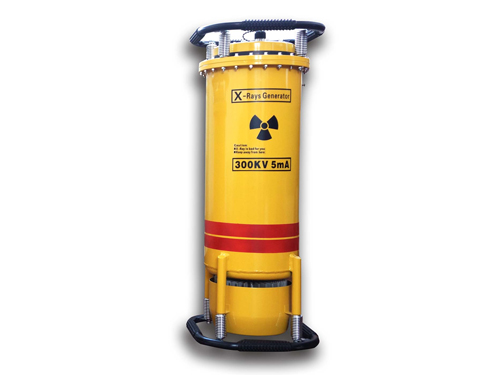
Dandong Tongda XAFS Spectrometer: A Material Structure Analysis Tool for the Laboratory Precise analysis of atomic material structure without dependence on synchrotron radiation sources. X-ray Absorption Fine Structure (XAFS) spectroscopy serves as an important technique for investigating the local atomic and electronic structures of materials, with broad applications in catalysis, energy research, and materials science. Conventional XAFS methodology primarily relies on synchrotron radiation sources, which presents challenges including limited beam availability, complex application procedures, and the necessity to transport samples to large-scale scientific facilities for analysis. The X-ray Absorption Fine Structure developed by Dandong Tongda Technology Co., Ltd. aims to integrate this sophisticated analytical capability into standard laboratory environments. Core Advantages and Practical Value This instrument's design addresses several critical challenges researchers encounter: Laboratory-Based Alternative to Synchrotron Radiation: Eliminates the traditional dependency on synchrotron radiation sources, enabling researchers to conduct routine XAFS testing efficiently within their own laboratory settings, thereby significantly enhancing research productivity. In-Situ Testing Capabilities: Supports integration of various in-situ sample chambers (e.g., electrochemical, temperature-variable), enabling real-time monitoring of dynamic changes in material local atomic structure under simulated operational conditions (such as catalytic reactions or battery charge/discharge processes), providing valuable insights into reaction mechanisms. Automated Operation for Enhanced Efficiency: An 18-position sample turret enables automatic sample changing, facilitating continuous automated measurement of multiple samples and unmanned operation, thereby streamlining batch sample screening and extended in-situ experiments. Broad Application Scope The TD-XAFS spectrometer finds applications across numerous fields requiring detailed investigation of material local structures: New Energy Materials: Analysis of valence state changes and structural stability in lithium-ion battery electrode materials during charge/discharge processes; investigation of coordination environments at catalytic active sites in fuel cells. Catalysis Science: Particularly suitable for studying precise coordination structures of nanocatalysts and single-atom catalysts, active site characteristics, and their interactions with support materials, even at low metal loadings (<1%). Materials Science: Investigation of disordered structures, amorphous materials, surface/interface effects, and dynamic phase transition processes. Environmental Science: Analysis of valence states and coordination structures of heavy metal elements in environmental samples (e.g., soil, water), crucial for assessing toxicity and mobility. Biological Macromolecules: Study of electronic structures and geometric configurations of metal active centers in metalloproteins and enzymes. Summary Dandong Tongda's TD-XAFS spectrometer represents a high-performance domestic benchtop testing platform designed for universities, research institutions, and corporate R&D centers. It successfully incorporates synchrotron-level capabilities into conventional laboratories, substantially reducing the accessibility barrier to XAFS technology. The instrument provides researchers with convenient, efficient, and flexible tools for microscopic material structure analysis, serving as a practical solution for scientists exploring the microscopic world of matter.
EmailMore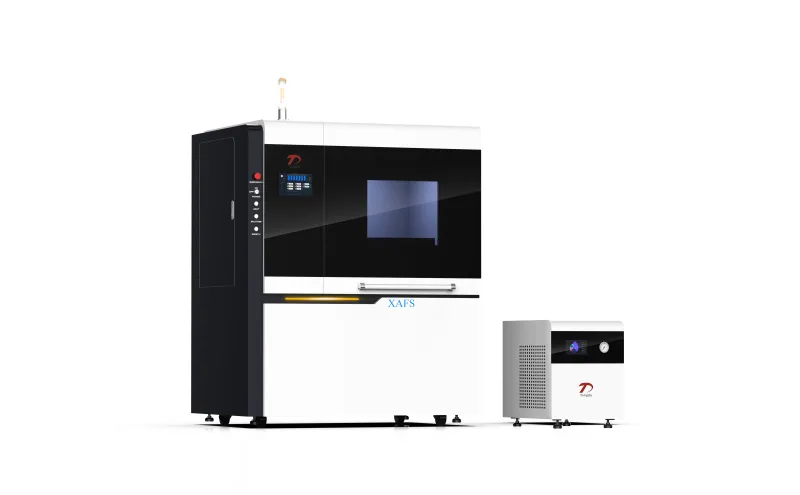
Originally battery accessories are experimental devices designed specifically for electrochemical testing, mainly used for in-situ characterization of battery materials during charging and discharging processes, commonly found in X-ray diffraction (XRD). 1. Core functions and application scenarios of originally battery accessories (1)Originally testing: Real time monitoring of material phase structure changes (such as crystal structure and phase transition) during battery charging and discharging can avoid sample contamination or state changes caused by battery disassembly. Support multiple electrochemical systems, including composites containing carbon, oxygen, nitrogen, sulfur, metal embedment, etc. (2) Multimodal compatibility: X-ray diffraction (XRD): used to analyze the structural evolution of positive/negative electrode materials during charge and discharge processes. 2. Structural composition and technical characteristics of originally battery accessories (1) Key components: Lower insulation cover: usually made of alumina ceramic or polytetrafluoroethylene material, containing coolant flow channels or resistance wire installation pipelines, used for temperature control. Upper conductive cover: connected to the lower insulating cover by bolts to form a closed space, with a beryllium window (diameter 15mm, thickness 0.1mm) at the top to transmit X-rays. Electrode system: originally battery accessories includes a lower electrode (with a support column) and a butterfly spring, which are electrically connected through compression fixation, simplifying the assembly process. (2) Technological innovation: Formal design: Compared with the traditional inverted method, the formal structure does not require flipping assembly, making it easy to operate in the glove box and ensuring the flatness of the beryllium window and diaphragm. Sealing and temperature control: Integrated coolant circulation pipeline and resistance wire heating device, suitable for a temperature range of -400 ℃ to 400 ℃. 3. Technical advantages of originally battery accessories (1) Simplified operation: Reduce assembly steps, decrease operating time inside glove boxes, and improve efficiency. The butterfly spring fixes the electrode without the need for rotation and tightening, avoiding interference with the simulated structure of the battery. (2) Performance improvement: The high X-ray transmittance (>90%) of beryllium windows ensures the detection signal strength. The multifunctional sample stage supports automatic sample changing and is suitable for high-throughput testing. Overall, originally battery accessoriesare important tools for electrochemical research, as their design optimizes the assembly process of traditional battery simulation structures and enhances the reliability and applicability of originally testing.
EmailMore