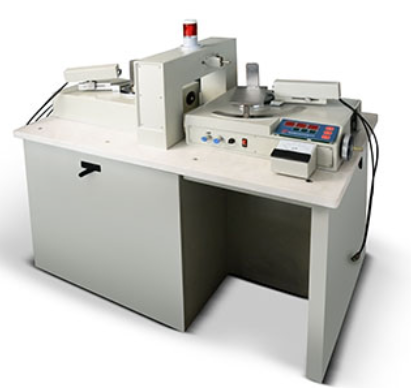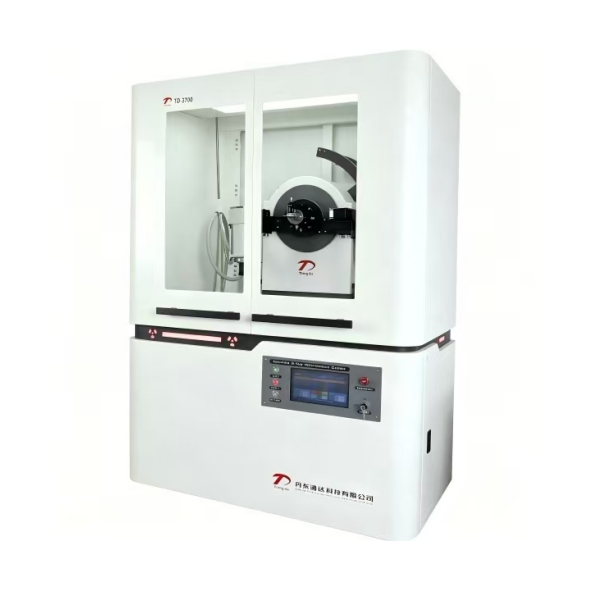
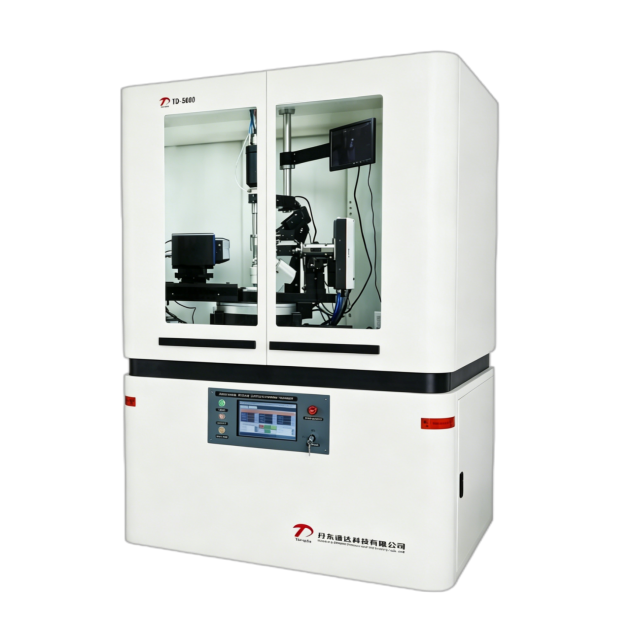
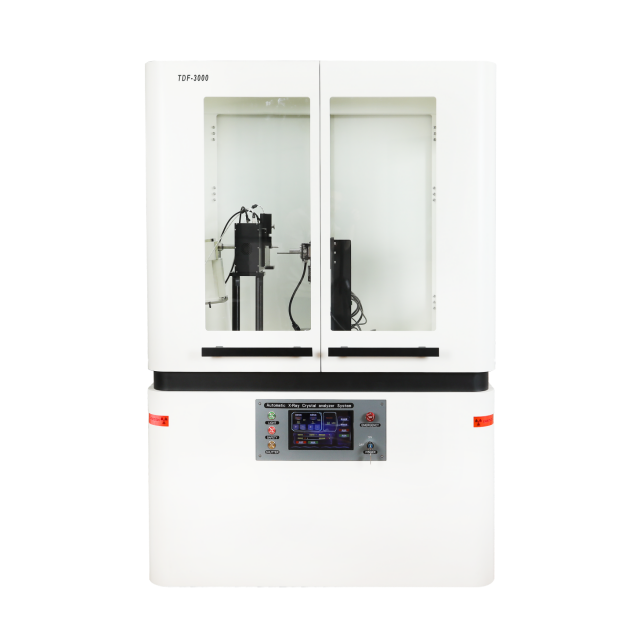
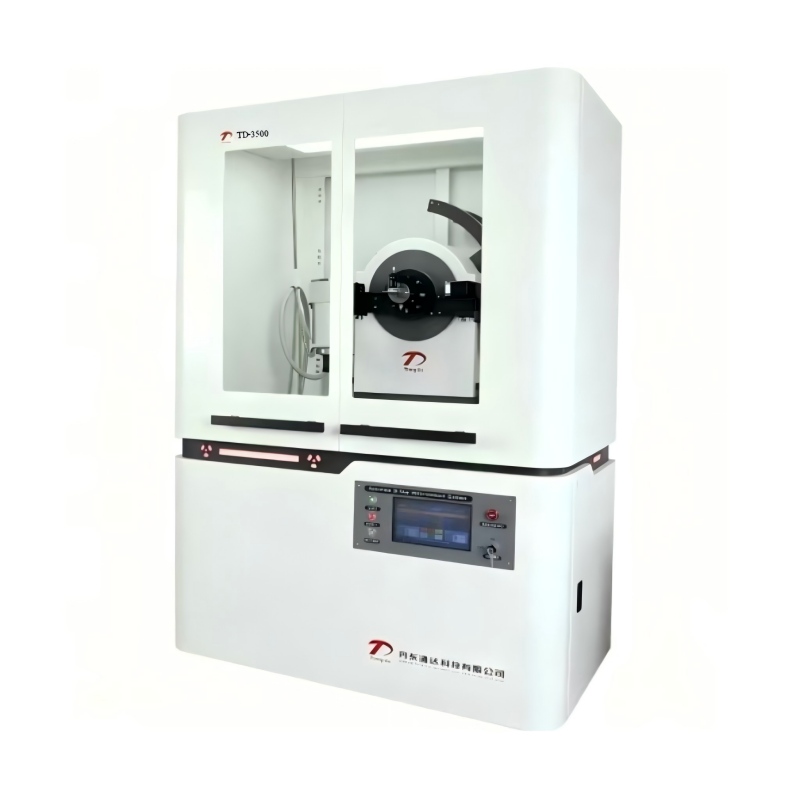
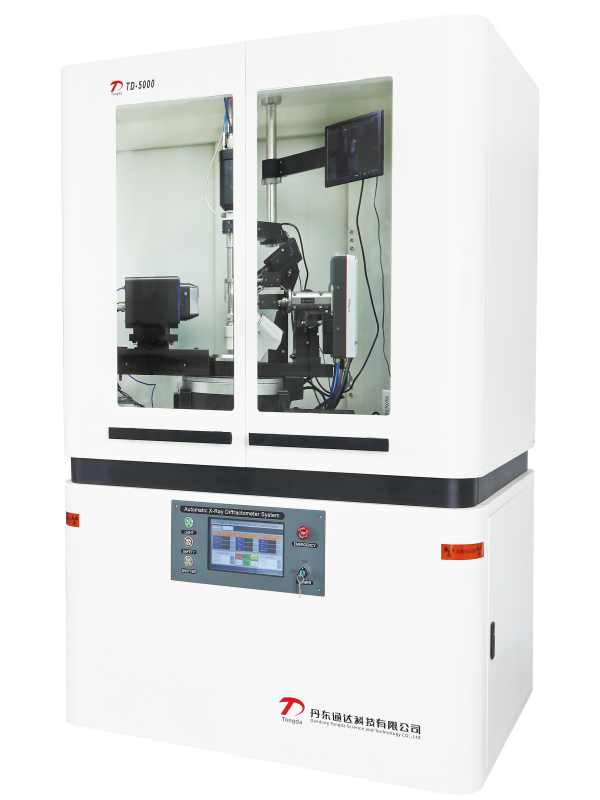
Benchtop XRD performance depends on instrument resolution (FWHM <0.04°2θ), goniometer linearity (±0.02°2θ), and low-angle ability. Sample form, size, and quantity matter. Voltage, current, scan speed/range, and method are key settings. Cooling, lab environment, and maintenance ensure stability and accuracy.
EmailMore
To improve single crystal diffraction data quality, ensure high-quality crystals, select appropriate target, optimize conditions, adjust collection strategies, and perform careful data processing and validation.
EmailMore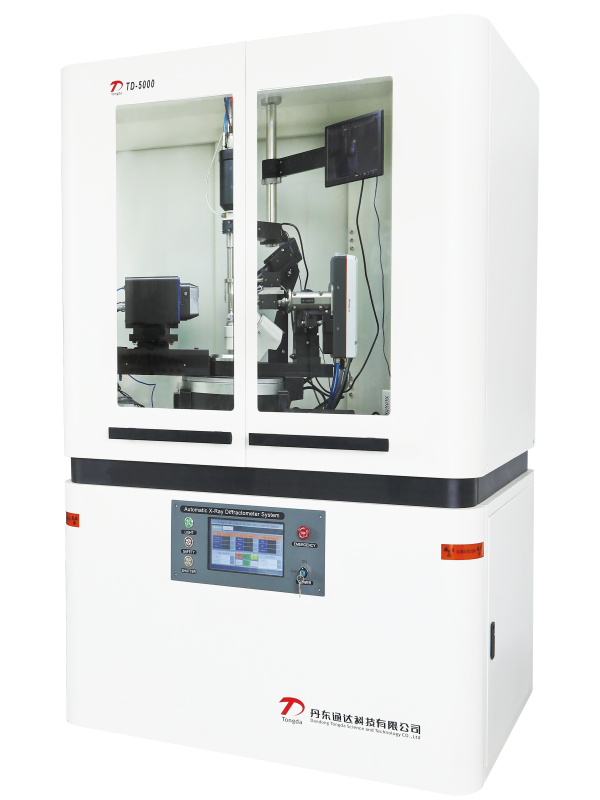
Single-crystal X-ray diffraction is essential in materials science for crystal structure analysis, phase identification, and stress analysis. It enables precise atomic-level characterization, supports rational material design, and is advancing with new technologies like synchrotron radiation and AI-assisted structure determination.
EmailMore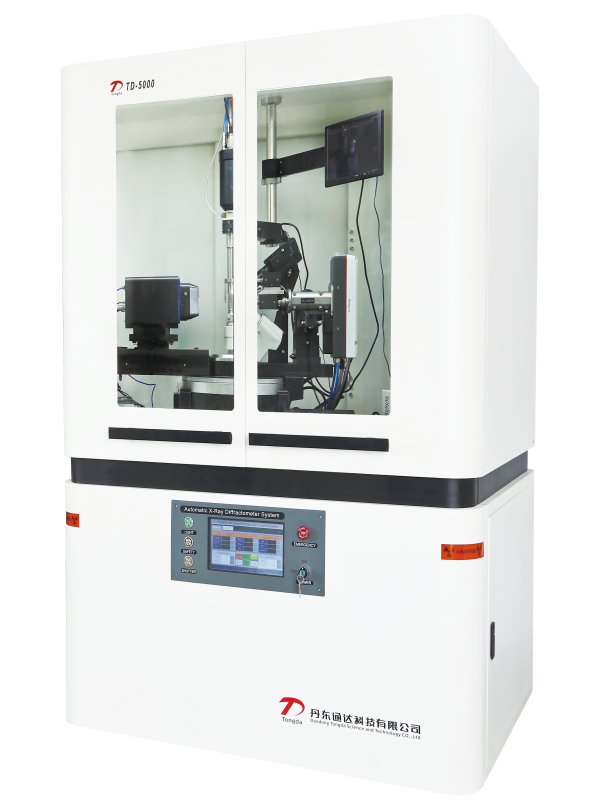
X-ray crystal orientation instruments require strict safety (protective gear, shielding), proper calibration, careful sample prep, precise operation (warm-up, parameter setting), and regular maintenance to ensure accuracy and longevity.
EmailMore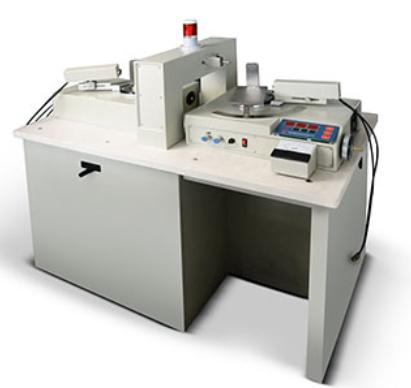
X-ray Absorption Spectroscopy (XAS) core technique probing atomic structure via X-ray absorption. Analyzes XANES/EXAFS for electronic/coordination info. Key in materials, chemistry, biomedicine. Advancements enable in-situ studies, driving future sustainability applications.
EmailMore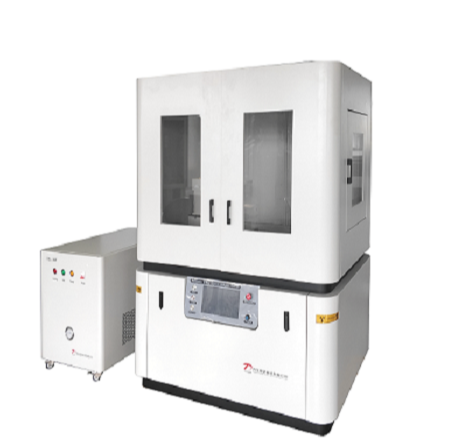
X-ray diffraction (XRD) is a key non-destructive technique for identifying and characterizing new materials. By analyzing diffraction patterns from crystal lattices, it determines phase composition, crystal structure, and microstructure. Critical for developing catalysts, batteries, and biomaterials, XRD enables precise analysis of thin films and structural changes, driving innovation across materials science.
EmailMore
A guide on selecting a single-crystal diffractometer for structural analysis, covering key factors: defining needs, evaluating performance and software, and considering support and cost for an informed choice.
EmailMore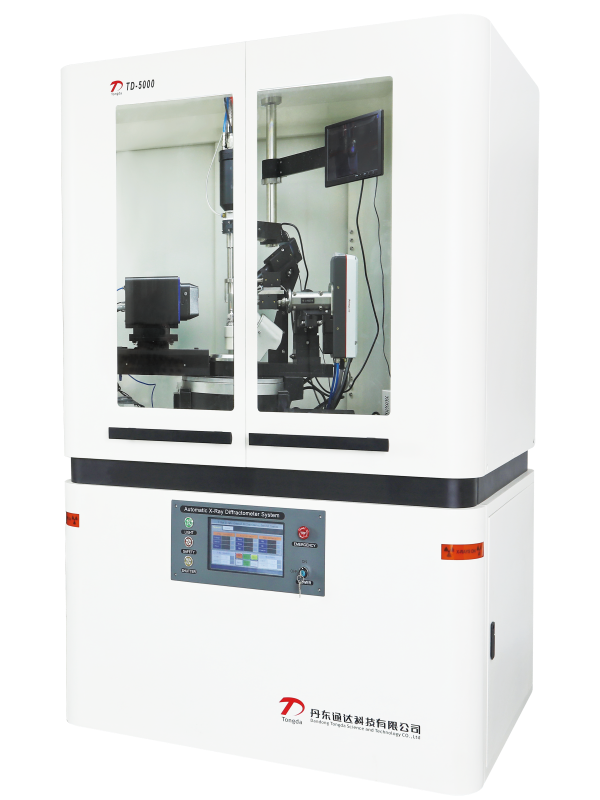
X-ray single crystal diffractometers require systematic maintenance to ensure long-term stability and reliable data. Daily cleaning prevents dust and oil from affecting accuracy or damaging components. Critical parts like the X-ray source and detectors need regular inspection and timely professional servicing. Calibration eliminates error accumulation and maintains measurement precision. Operational details—such as avoiding magnetic interference and proper storage during inactivity—are equally important. Together, these practices support instrument longevity and dependable research performance.
EmailMore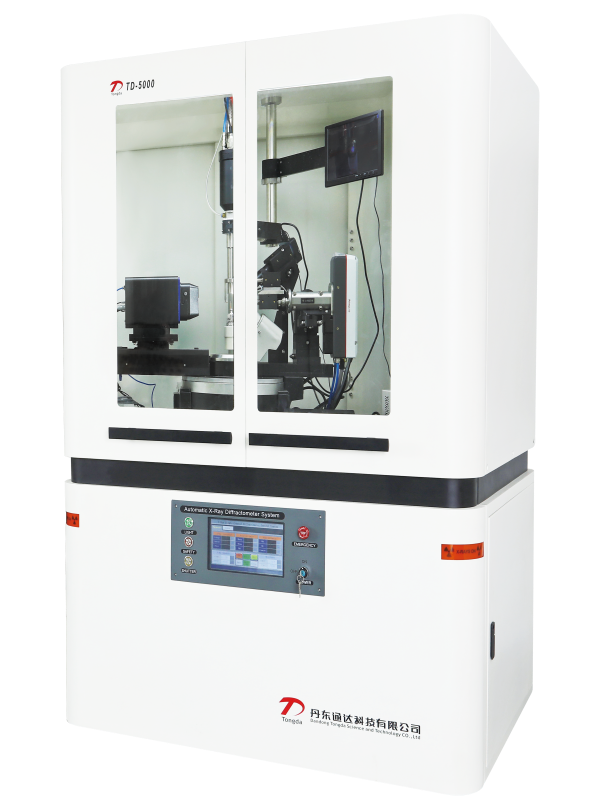
X-ray crystal orientation results depend on three key areas: instrument performance including resolution sensitivity linearity and stability; sample characteristics such as crystal quality size and surface flatness; and environmental conditions like temperature humidity vibration and magnetic fields.
EmailMore