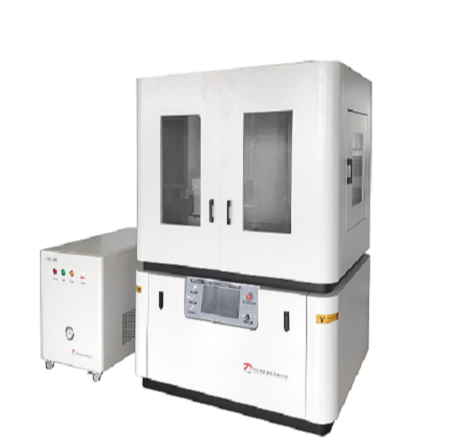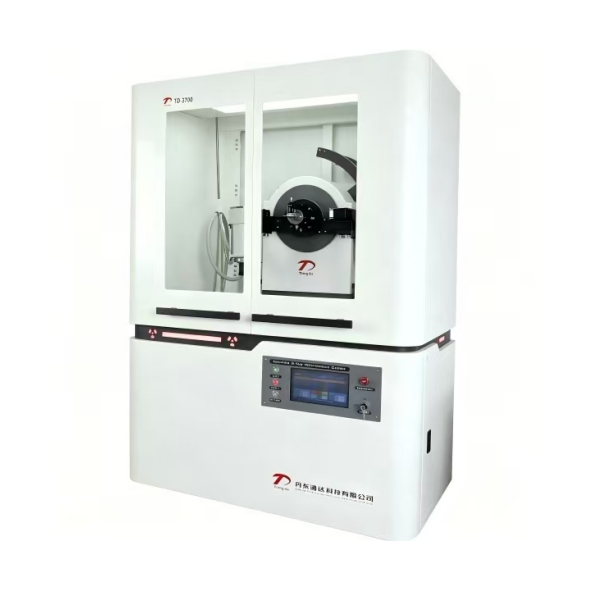
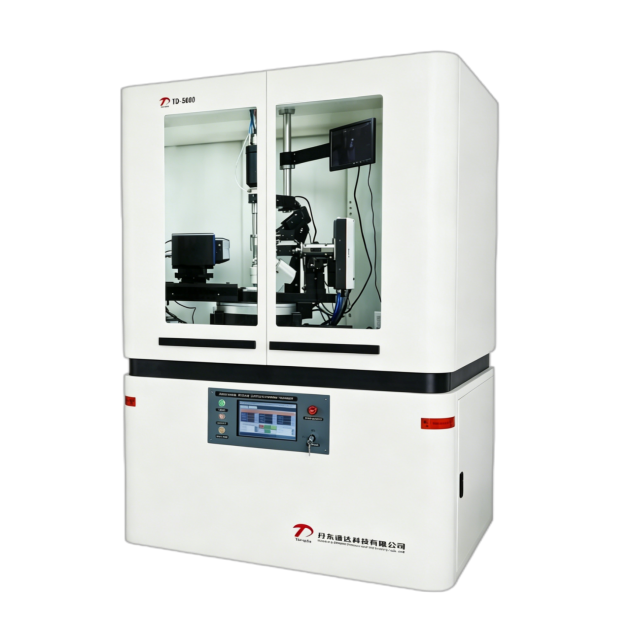
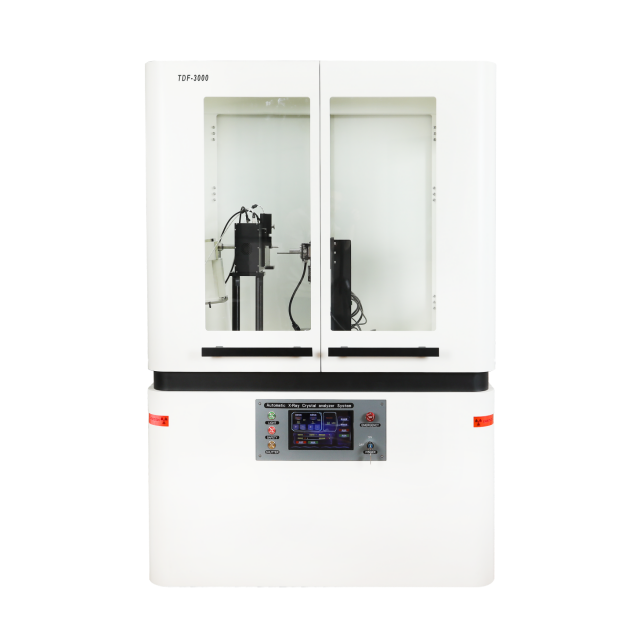
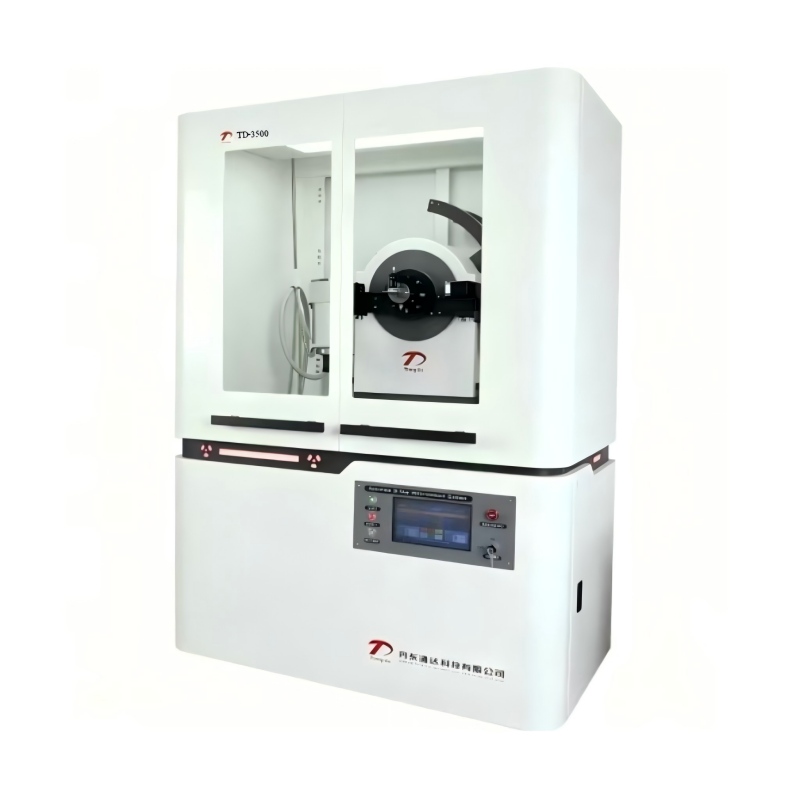
Dandong Tongda Science and Technology launches high-cost-performance industrial XRD analyzers for mining and cement industries. The equipment delivers detection accuracy meeting industrial quantitative analysis requirements, enabling rapid phase identification, grade quantification, and real-time process control. It significantly reduces reliance on third-party labs, cuts quality control costs, stabilizes product quality, and supports intelligent, sustainable production.
EmailMore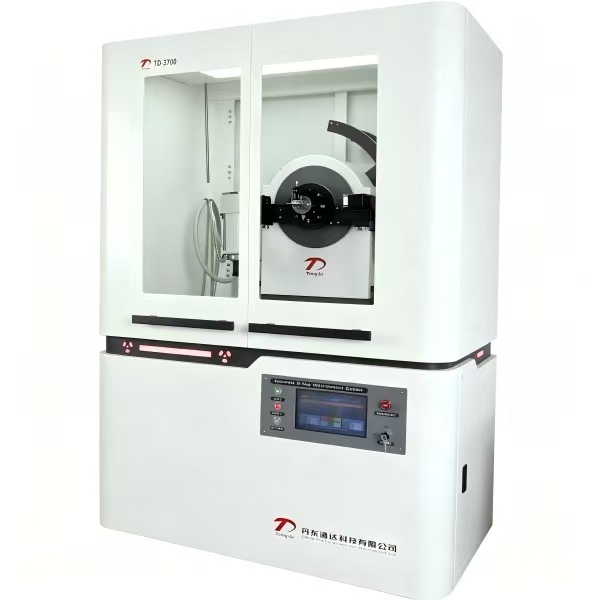
China-made X-ray diffractometers (XRD) offer a cost-effective alternative to expensive imported models, delivering comparable accuracy, stability, and automation at 30–50% of the cost. Dandong Tongda Technology’s TD-series industrial XRD supports phase identification, crystal analysis, and non-destructive screening for metallurgy, cement, mining, and chemicals. Benefits include faster delivery, local after-sales support, one-click operation, and full lifecycle service. Ideal for SMEs and labs seeking budget-friendly, reliable quality control solutions.
EmailMore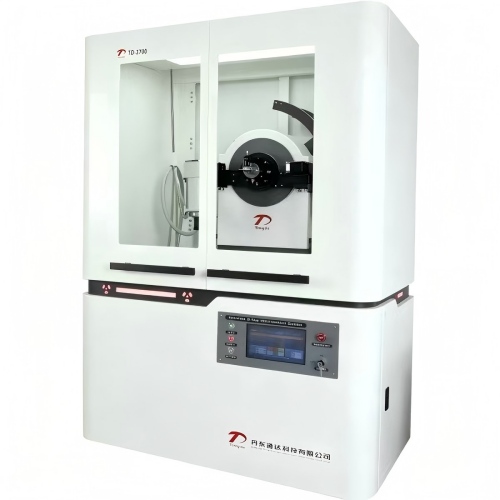
XRD enables non-destructive phase analysis, crystallinity quantification, and residual stress measurement across cement, metals, chemicals, semiconductors, and pharmaceuticals. It supports end-to-end quality control, reducing defects and ensuring compliance. Benchtop and high-resolution systems are available for production or lab use.
EmailMore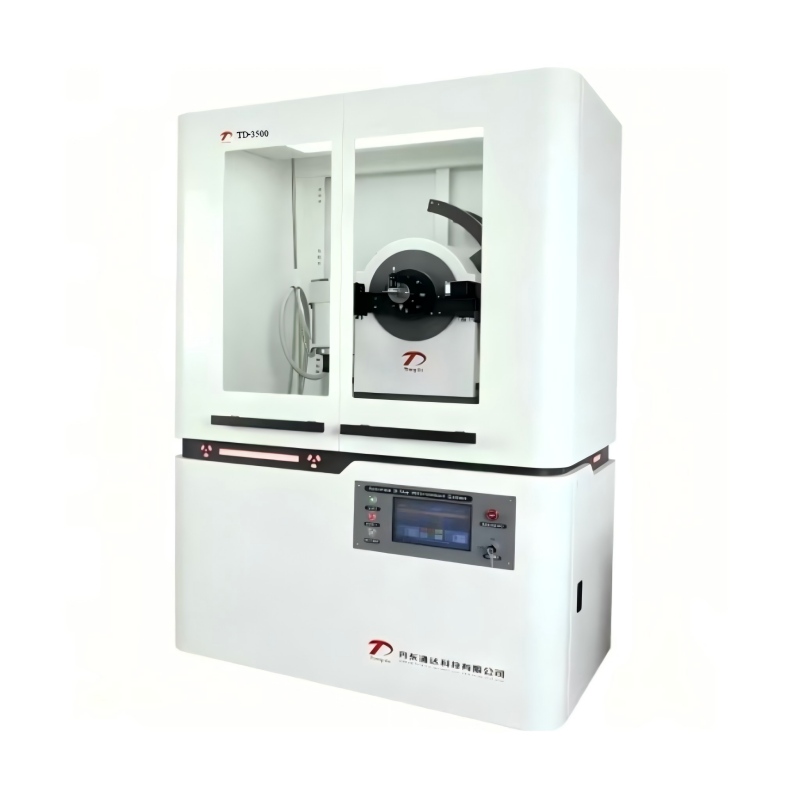
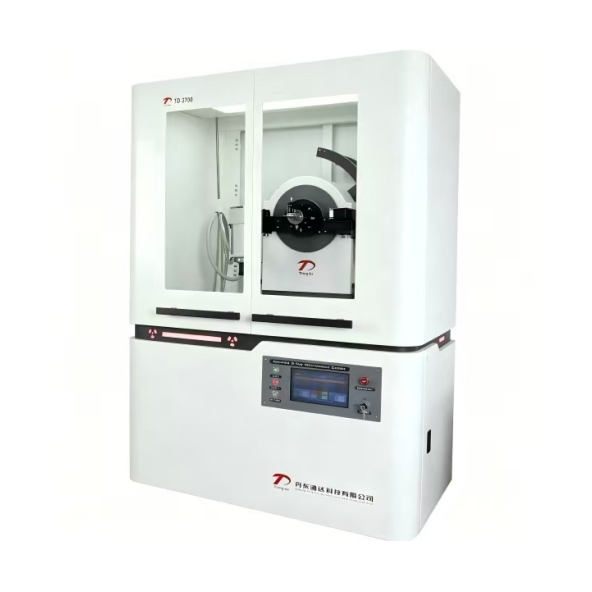
X-ray diffractometers (XRD) enable precise phase analysis, non-destructive testing, and intelligent quality control. Dandong Tongda Science and Technology offers high-performance, cost-effective industrial XRD solutions with global service support, empowering metallurgy, mining, chemicals, and advanced materials industries to enhance product quality and reduce testing losses.
EmailMore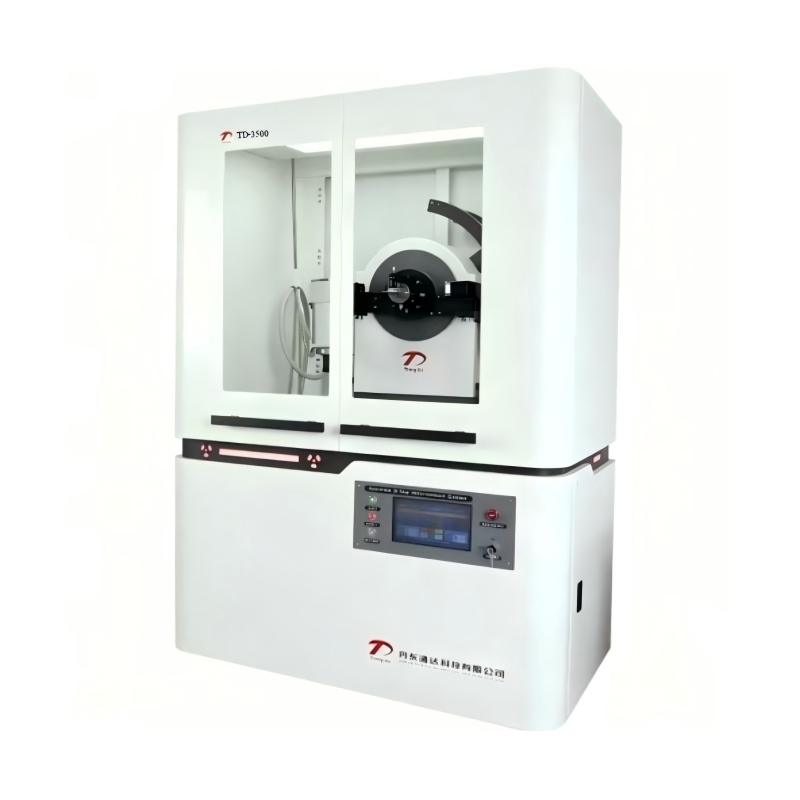
XRD is vital across industries: building materials (cement, concrete), mining/metallurgy (ore analysis, alloy structure), and pharma (crystallinity, polymorphs). Dandong Tongda Technology Co., Ltd. provides reliable XRD equipment for R&D and quality control, bridging lab research and industrial production.
EmailMore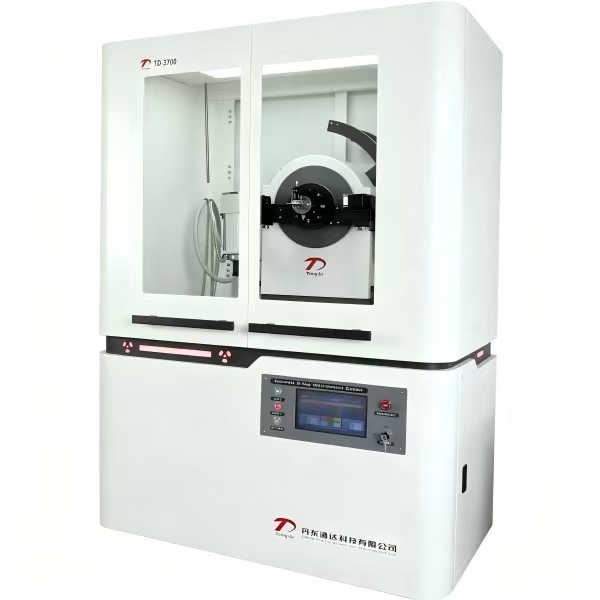
Titanium dioxide (TiO₂) is a high-performance functional material widely used in various industrial fields, and its quality directly affects application effects and safety. Dandong Tongda Technology provides full-chain, high-precision XRD testing services for titanium dioxide, covering crystal structure, purity and impurity detection. The test results comply with international standards, providing reliable data support for production quality control, helping enterprises optimize processes and enhance global competitiveness.
EmailMore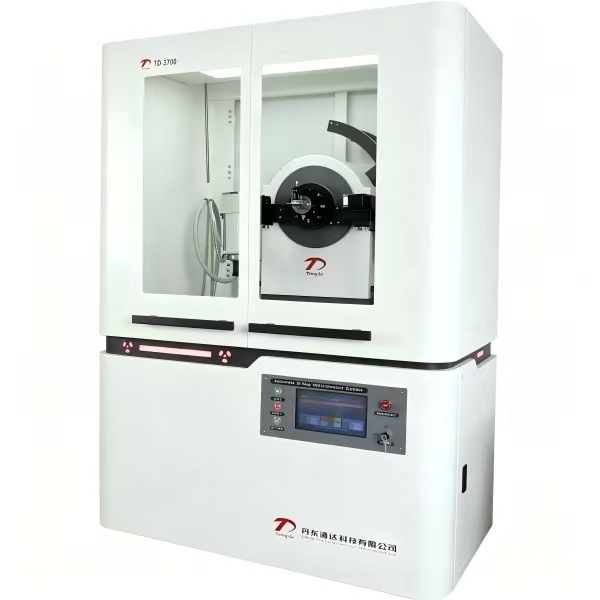
Tongda Science and Technology developed China's first X-ray single crystal diffractometer (TD-5000). It offers diffractometers, orienters, analyzers with AI robotics and remote control. 30% R&D staff, 23 patents. Exported globally.
EmailMore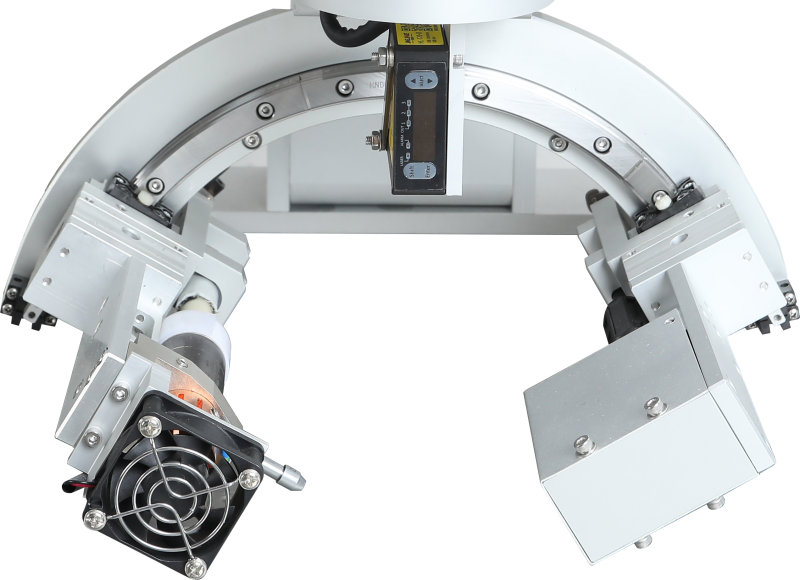
Tongda provides X-ray diffraction solutions with custom services. Advanced facilities & key technologies make its products near world-class. Used across many fields. R&D team of 30 drives continuous improvement.
EmailMore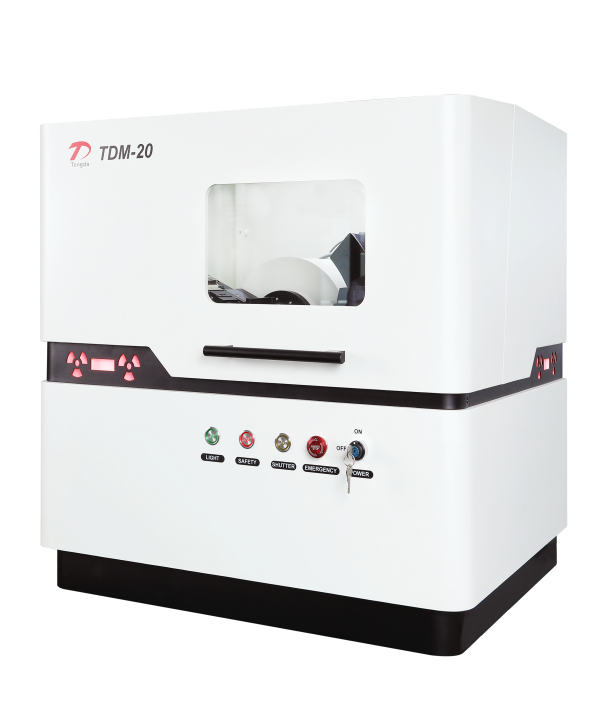
X-ray absorption spectrometers measure absorption coefficient vs. photon energy to reveal local atomic/electronic structure. XANES gives valence/coordination; EXAFS extracts bond lengths, coordination numbers. Trends: 4th-gen synchrotrons and benchtop breakthroughs. Applications include catalysis, batteries, environment, biomedicine. Non-destructive, element-specific, 0.5 wt% detection limit.
EmailMore