
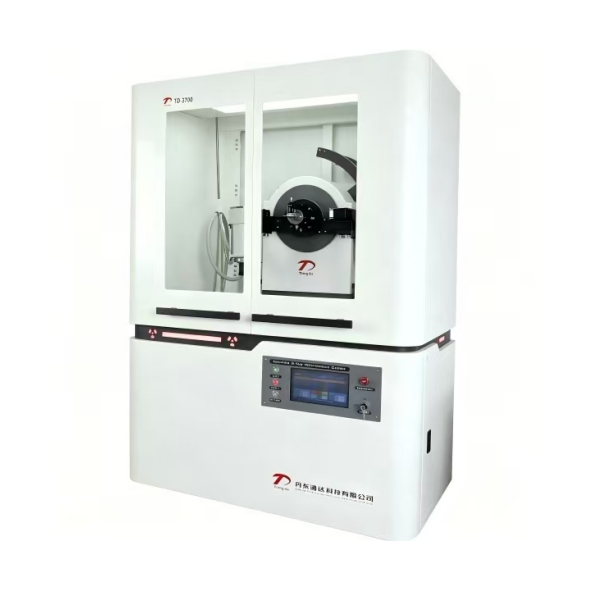
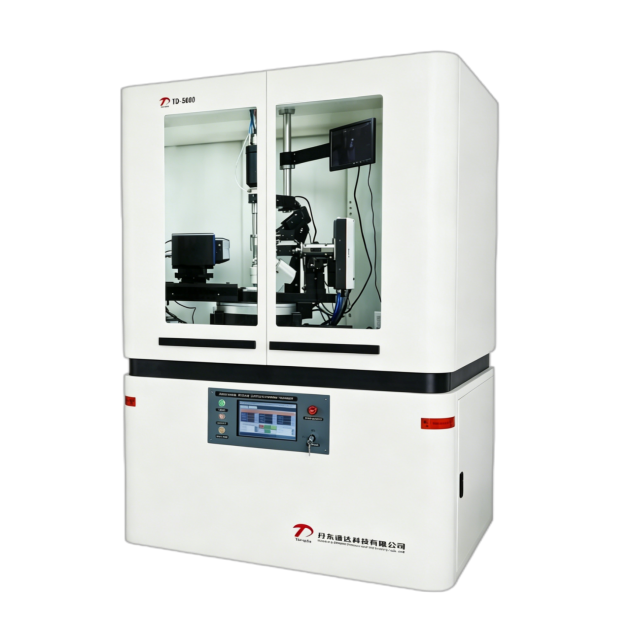
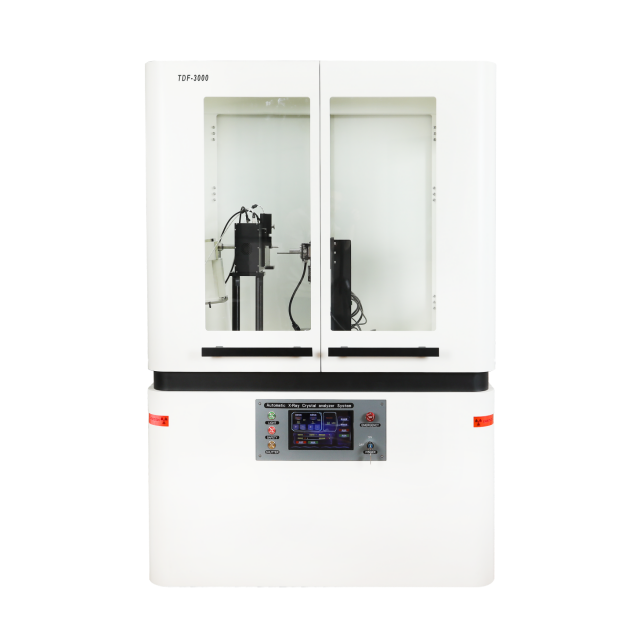
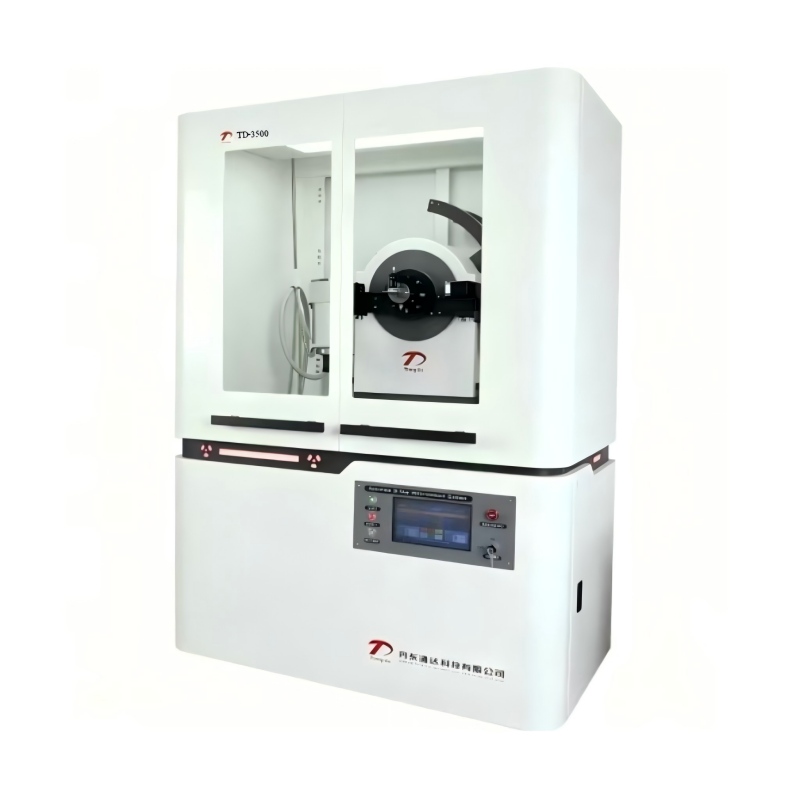
XRD diffractometers are essential precision instruments for materials research, industrial quality control, and material analysis. When planning equipment procurement, most companies and laboratories face a common challenge: how to reasonably control long-term operating costs while meeting required detection performance standards, avoiding both unnecessary high-end configurations and low-cost pitfalls. Rational equipment selection hinges on striking the right balance between performance and cost — which is the core focus of this XRD procurement guide.
A notable polarization currently exists in the global XRD procurement market. High-end, fully loaded XRD systems deliver excellent detection accuracy, data stability, and repeatability, meeting the demanding requirements of advanced research and industrial testing. However, they often come with high purchase prices, expensive spare parts, and long after-sales service lead times, driving up total ownership costs significantly. At the other end of the spectrum, low-cost entry-level systems offer lower initial investment but frequently suffer from inadequate stability, high failure rates, and limited capacity for sustained, routine testing. This leads to substantially higher hidden maintenance costs over time. Therefore, following a professional XRD procurement guide is essential for mitigating risks and maximizing cost-effectiveness.
For global buyers, cost-effective procurement does not simply mean choosing the cheapest or the most advanced system — it means finding the optimal solution that fits your specific application. Today’s high-value, standardized XRD systems offer a compelling alternative to premium models, effectively resolving common procurement issues such as over-specification, underperformance, and runaway costs.
I. Application-Specific Selection: Divergent Standards for Research and Industrial XRD
There is no one-size-fits-all XRD selection standard. Laboratory research and industrial quality control differ fundamentally in usage scenarios, testing requirements, and operating environments. Equipment selection must be tailored accordingly.
1. Research Laboratory Settings
In universities, research institutes, and advanced materials R&D companies, the core requirements are high-precision, high-repeatability measurements. Research involves diverse sample types and broad test parameters, including phase analysis, trace material detection, thin-film structure analysis, and other complex experiments. For these scenarios, prioritize high-stability XRD systems, focusing on instrument flexibility and detection accuracy to support long-term, evolving research needs while ensuring reliable experimental data within a reasonable budget.
2. Industrial Quality Control Settings
In industries such as metallurgy, chemicals, building materials, and high-volume new materials production, routine, batch-oriented XRD testing of industrial materials is the norm. Equipment operates for long hours at high frequency, demanding durability, low failure rates, and ease of maintenance. Selection should focus on continuous operation capability, simple calibration and maintenance features, and tight control over long-term upkeep costs. Avoid chasing peak specifications; prioritize systems that are fit-for-purpose, robust, and easy to maintain.
II. Common Procurement Pitfalls Leading to Cost-Performance Imbalance
Many XRD procurements deliver poor value not because of equipment quality issues, but due to decision-making errors that drive up total lifecycle costs.
1. Blindly Buying High-End → Performance Waste
Many industrial users opt for premium, fully loaded XRD systems aiming for a "future-proof" solution, yet their daily work requires only basic phase identification and quantitative analysis. Advanced features remain idle, inflating initial capital expenditure and increasing ongoing costs for calibration, maintenance, and spare parts — a serious waste of resources and budget.
2. Chasing the Lowest Price → Ignoring Long-Term Costs
Some procurement processes overemphasize upfront cost reduction, prioritizing low-priced, under-specified systems while overlooking long-term operating expenses. These systems typically suffer from instability, data fluctuations, and frequent failures. The hidden costs — repeated repairs, downtime, production delays, and re-runs of experiments — far exceed any initial price difference, ultimately undermining total procurement value.
3. Forcing Universal Models into Specialized Applications
Different industries have distinct sample characteristics, testing standards, and environmental conditions. Universal XRD systems cannot accurately meet the specific needs of specialized sectors. Forcing such systems into these roles often results in low testing efficiency, data inaccuracies, and frequent calibration or adjustment needs, continuously increasing maintenance burdens and failing to deliver real value.
III. Scientific Selection Principles: Achieving Performance-Cost Balance
A mature XRD procurement strategy does not chase flashy specifications or blindly follow high-end or low-cost trends. It centers on application fit and total lifecycle value.
1. Match Performance to Actual Needs — Eliminate Redundancy
Select your system based on actual test items, sample types, required accuracy, and usage frequency. Research-grade precision systems for sophisticated lab work; standardized, durable systems for routine industrial QC. Configure functions as needed to prevent budget waste from the start.
2. Prioritize Stability to Lower Maintenance Overhead
The major cost difference between XRD systems emerges during long-term operation. Equipment with mature modular design and robust core hardware delivers consistent data quality, low failure rates, and reduced need for frequent calibration or repair. This dramatically cuts costs associated with manual maintenance, spare parts replacement, and downtime, offering far superior long-term value compared to low-cost, low-stability alternatives.
3. Value Global After-Sales Support
For users worldwide, after-sales capability directly determines equipment service life and operational reliability. During procurement, evaluate suppliers on multilingual technical support, remote troubleshooting capabilities, delivery lead times, and global spare parts availability — mitigating the risk of prolonged downtime due to unresolved equipment failures.
IV. High-Value XRD Solutions for Global Buyers
Today’s high-standard, standardized XRD systems effectively bridge the gap between expensive, slow-to-support premium models and unreliable budget units. By eliminating unnecessary brand premiums while delivering research-grade detection performance and industrial durability, these systems are fully adaptable to both laboratory R&D and high-throughput industrial quality control — providing global users with a cost-effective procurement choice.
Conclusion
Rational XRD equipment procurement is about making thoughtful trade-offs: avoid blindly pursuing high-end specifications, and avoid shortsighted cost-cutting. Select equipment that fits your application, offers proven stability, and is easy to maintain — strictly managing total lifecycle cost. That is the highest-value procurement decision you can make.
Need a tailored XRD selection proposal and budget estimate based on your industry, sample types, and testing standards? Contact our technical team for customized, cost-effective material analysis solutions.