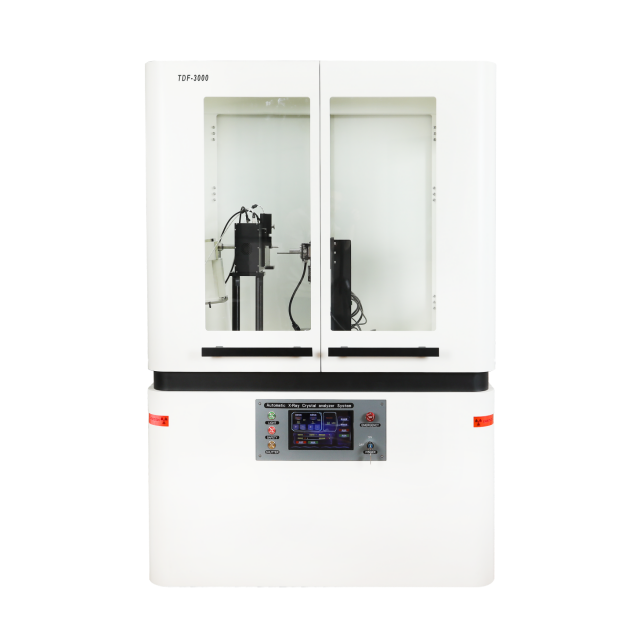
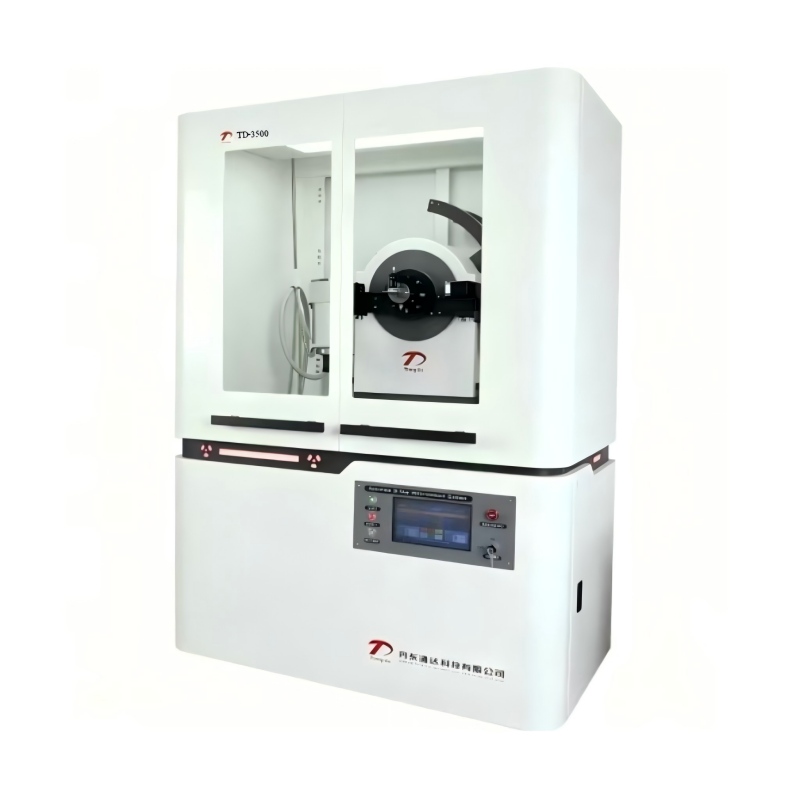
Nondestructive testing is based on the development of modern science and technology. With the development of modern industry, the application of non-destructive testing is more and more popular.
EmailMore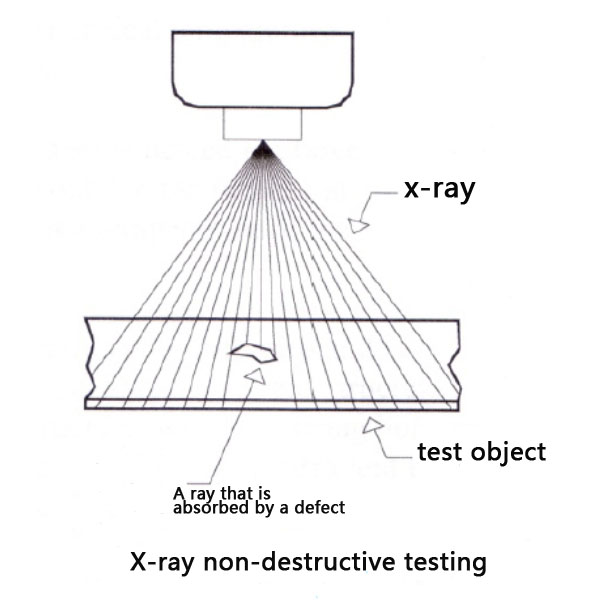
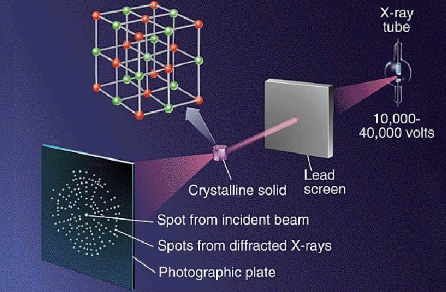
X-ray diffraction (XRD) is currently a powerful method for studying crystal structure (such as the type and location distribution of atoms or ions and their groups, cell shape and size, etc.).
EmailMore
X-ray crystallography is a technique used to determine the atomic and molecular structure of a crystal, where the crystal structure causes the incident X-ray beam to diffract into many specific directions.
EmailMore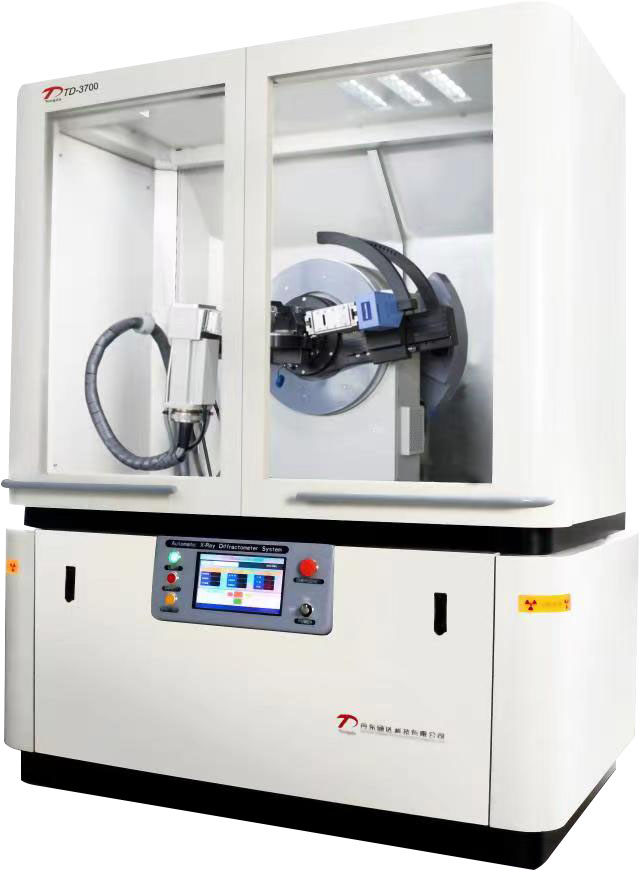
X-rays are a type of electromagnetic radiation widely used in medical and industrial fields. Although most X-rays are produced artificially, there are also some phenomena in nature that produce X-rays.
EmailMore
Based on Bragg's Law, in-situ X-ray diffraction (XRD) can be used to monitor the change of phase and its lattice parameters in the electrode or electrode-electrolyte interface in real time during the charge-discharge cycle of a battery.
EmailMore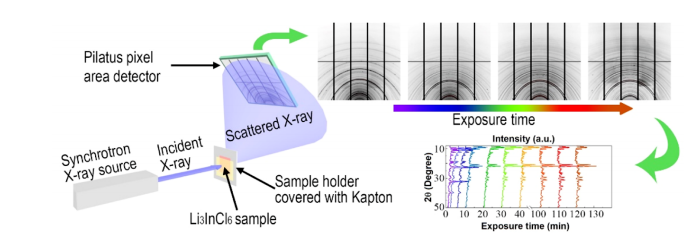
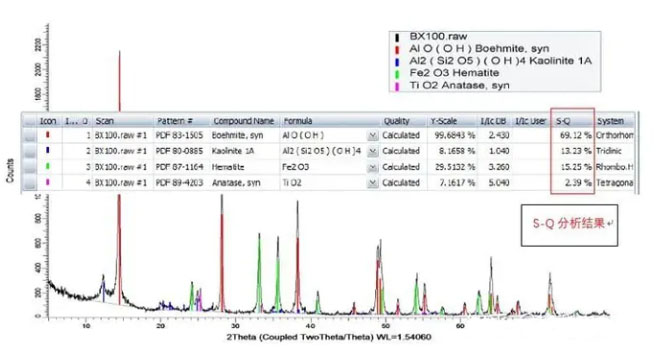
X-ray testing is a non-destructive testing method that does not damage the object itself, and has been widely used in material testing (QC), failure analysis (FA), quality control (QC), quality assurance and reliability (QA/QC), research and development (R&D) and other fields.
EmailMore
Three single point detectors are shared below: proportional counter, scintillation counter, and semiconductor solid state detector.
EmailMore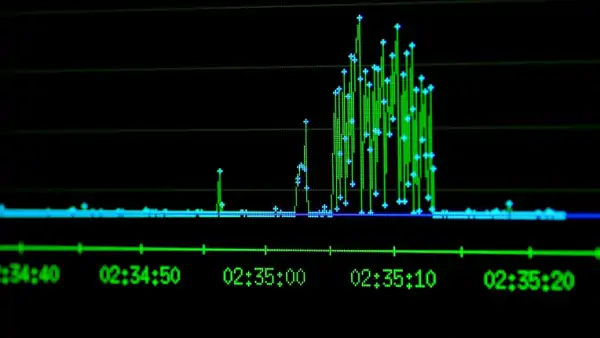
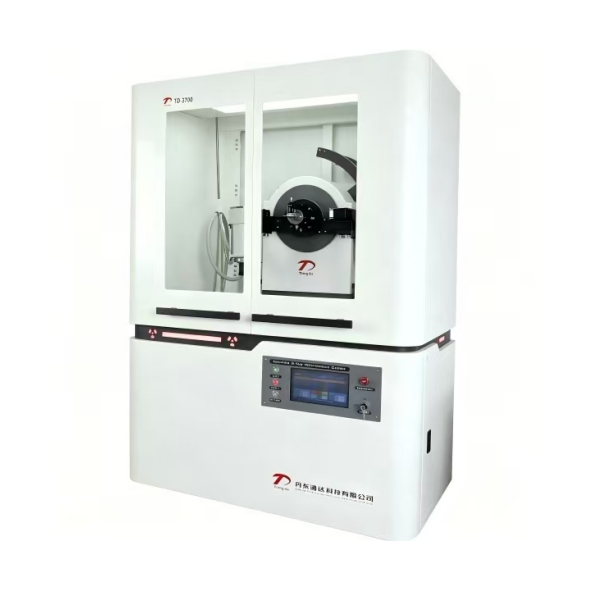
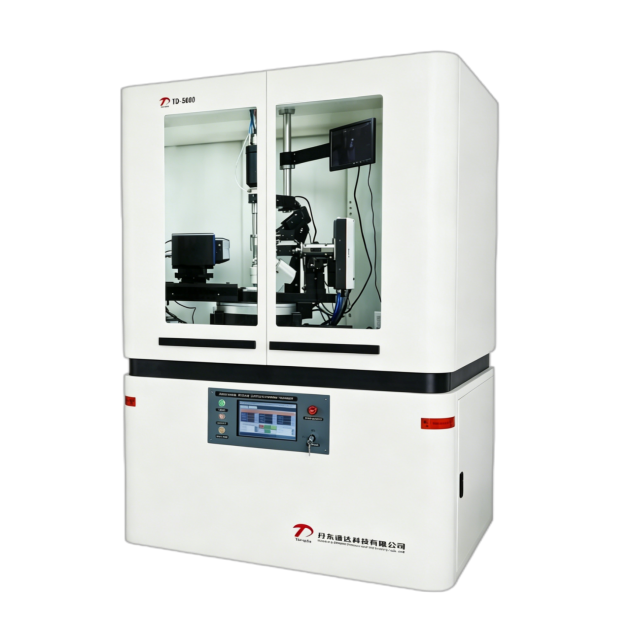
X-ray crystal analyzer is a kind of large analytical instrument for studying the internal microstructure of substances, mainly used in single crystal orientation, defect detection, residual stress determination, single crystal dislocation and so on.
EmailMore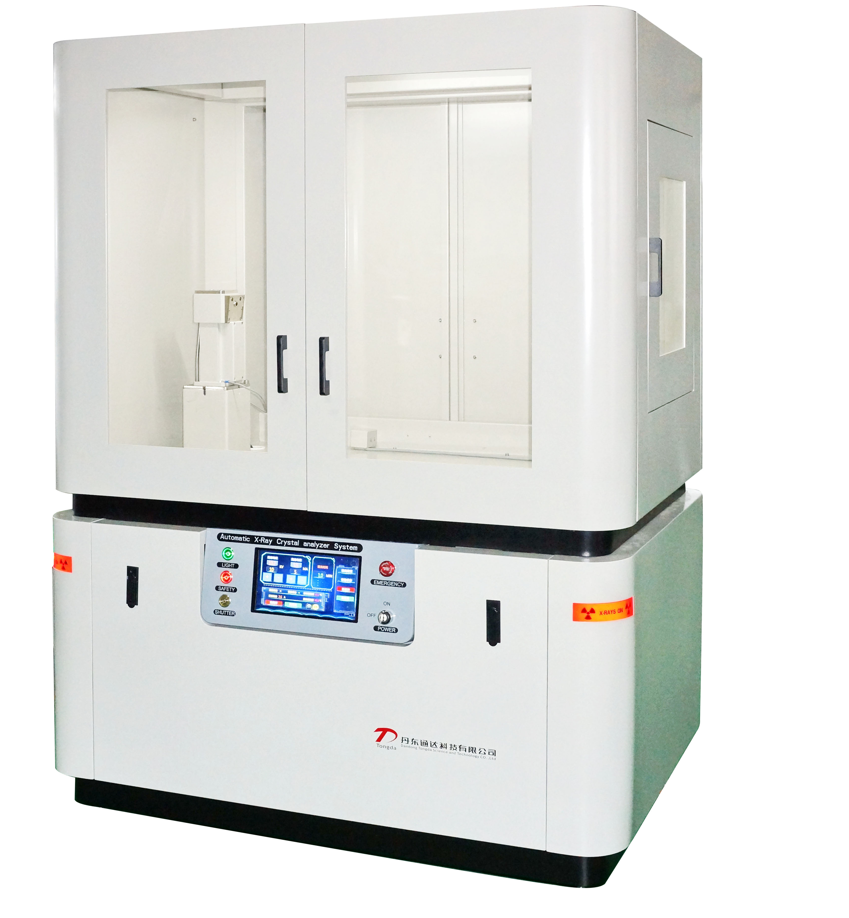
X-ray diffraction, through the X-ray diffraction of a material, the analysis of its diffraction pattern, to obtain the composition of the material, the structure or shape of the atoms or molecules inside the material and other research means.
EmailMore