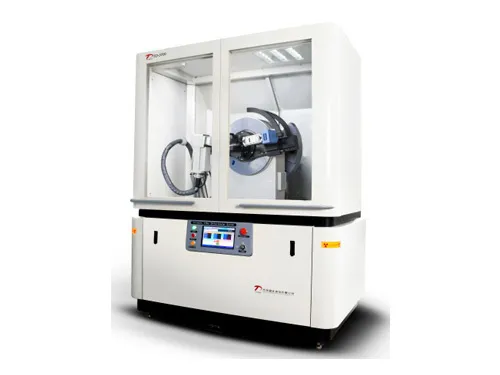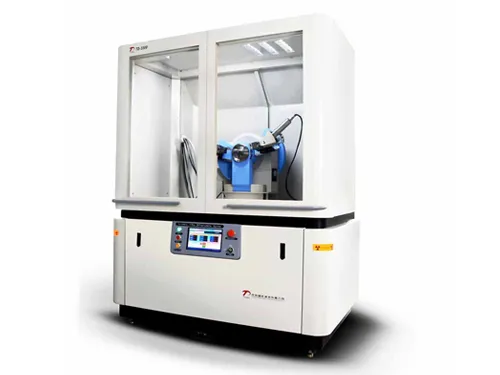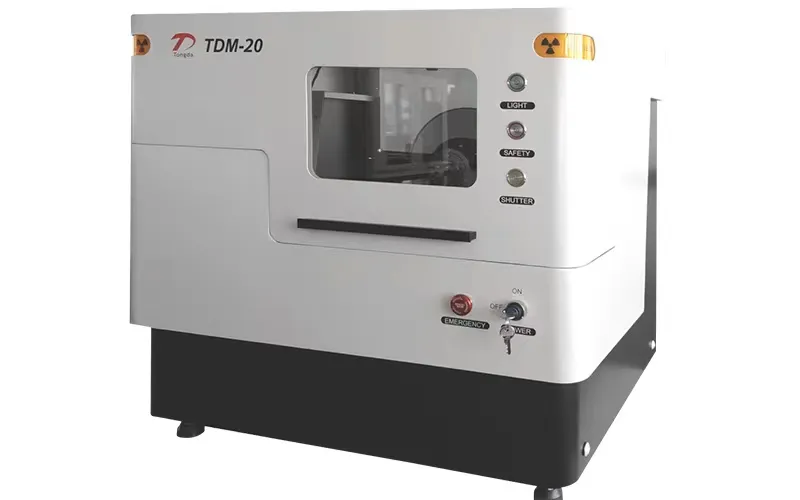

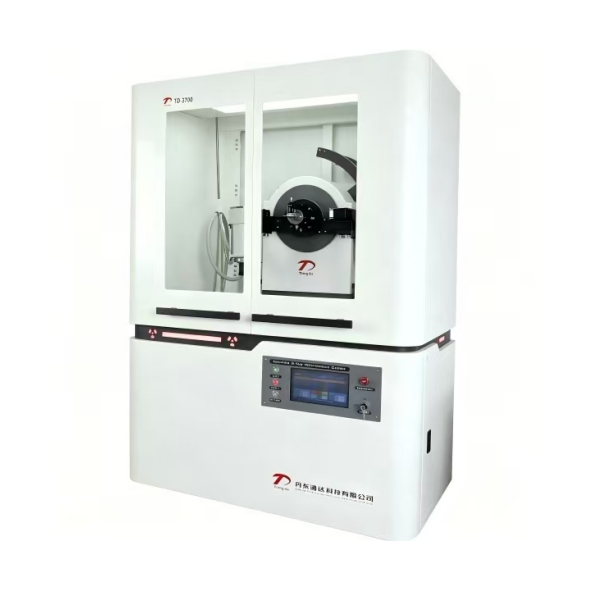
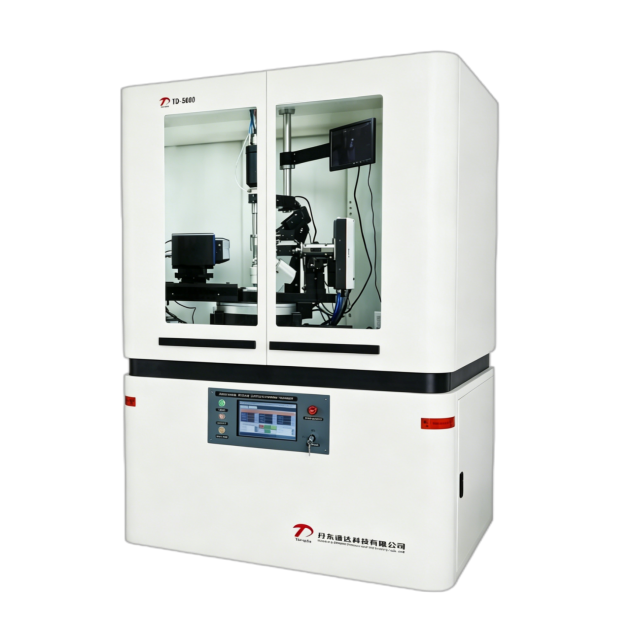
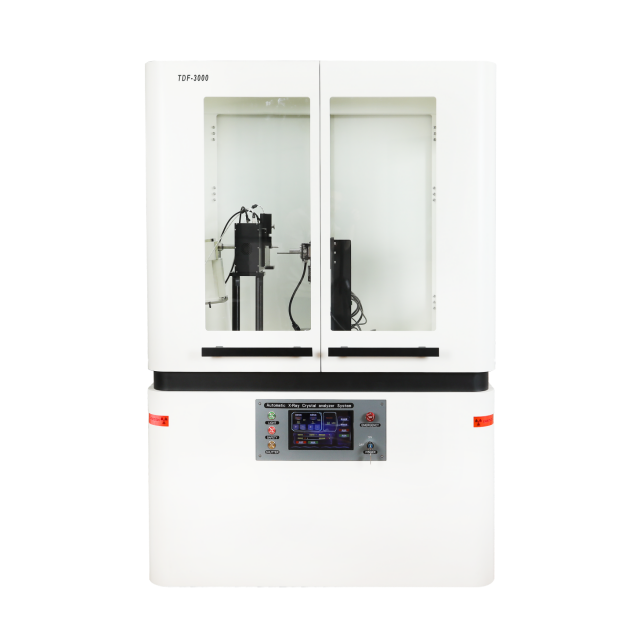
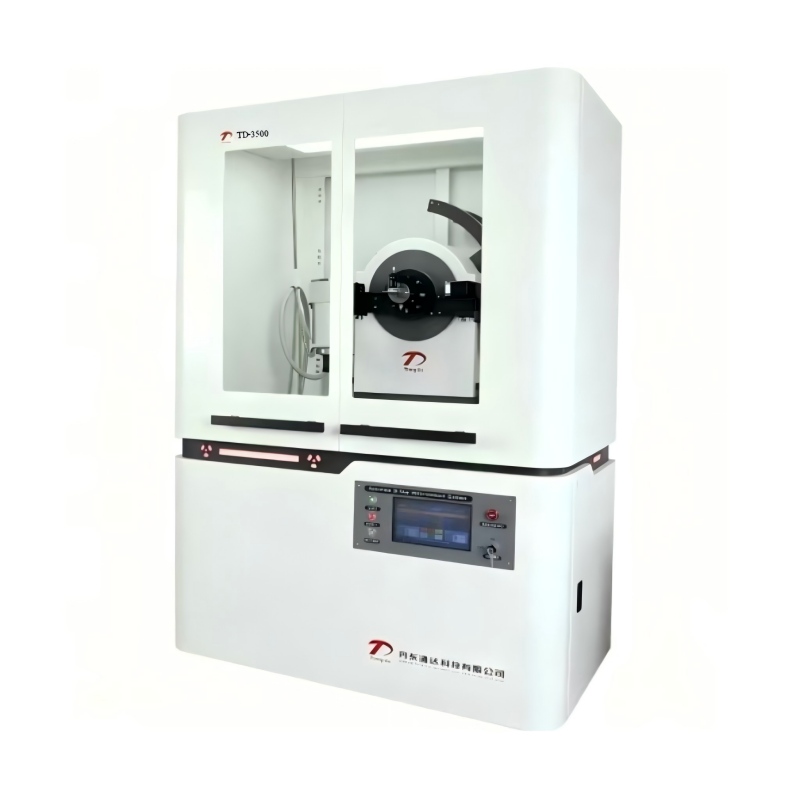
X-rays scatter when they hit matter. The coherent scattering of X-raygenerated by crystalline matter is manifested as diffraction phenomenon, that is, the incident beam does not diverge but the direction of the beam is changed and the wavelength remains unchanged when the incident beam emerges, which is a unique phenomenon of crystalline matter.
The vast majority of solid substances are crystalline or microcrystalline or quasicrystalline substances, which can produce X-ray diffraction. The microstructure of crystals is characterized by periodic long-range ordered structures. The X-ray diffraction pattern of crystal is a physical transformation of the three-dimensional scene of crystal microstructure, which contains all the information of crystal structure. The X-ray diffraction pattern can be obtained by using a small amount of solid powder or small sample.
X-ray diffraction (XRD) is currently a powerful method for studying crystal structure (such as the type and location distribution of atoms or ions and their groups, cell shape and size, etc.).
XRD is especially suitable for phase analysis of crystalline substances. If the composition elements or groups of crystalline substances are different or their structures are different, their diffraction spectra show differences in the number of diffraction peaks, the Angle position, the relative intensity order and the shape of the diffraction peaks. Therefore, the phase composition and structure of the sample can be qualitatively identified by comparing the X-ray diffraction pattern of the sample with that of the known crystalline substance. By analyzing and calculating the diffraction intensity data of the sample, the quantitative analysis of the phase composition of the sample can be completed. XRD can also determine the size of the grain in the material or its configuration orientation (texture of the material), etc., and its application is very common and extensive.
At present, XRD is mainly applicable to inorganic substances, and relatively few applications for organic matter.