



- Home
- >
News
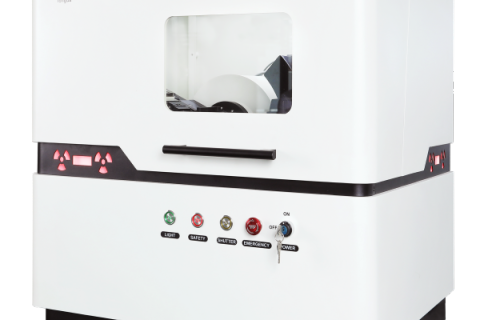
X-ray diffractometers are used in materials science, chemical analysis, on-site rapid testing (drugs/explosives), pharmaceuticals (crystal form analysis), and forensics (crystalline materials like minerals, soil, coatings). They enable crystal structure analysis, phase identification, and rapid on-site detection.
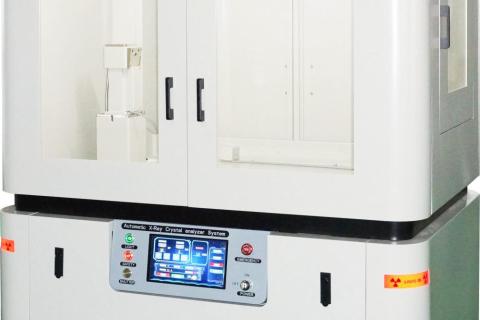
X-ray crystallography analyzer reveals atomic structure via Bragg’s Law diffraction. Essential for metals, semiconductors, biomolecules. Maps crystal arrangement, defects, stress. Widely used in R&D, semiconductor quality control, drug design, nanomaterials. Modern units feature faster detectors & simpler software. A vital tool across science & industry.
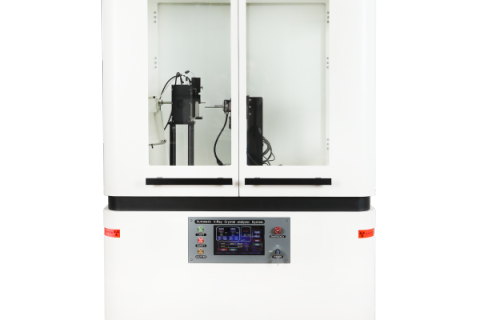
Regular monthly calibration ensures accuracy, with increased frequency for high-precision tests. Weekly cleaning focuses on critical components like lenses, avoiding excess liquid. Use a UPS for power stability and prevent cable interference. Maintain 20–25°C temperature and 40%–60% humidity; control air quality to reduce dust. Keep detailed operation logs, train personnel, stay in touch with the manufacturer for updates, and regularly back up data locally and in the cloud to prevent loss.
XAS reveals atomic and electronic structures by measuring element-specific X-ray absorption. It provides key info on valence states and local coordination. Widely used in materials, environmental, and biological sciences. With advanced synchrotron techniques, it enables in-situ studies and dynamic tracking, driving future scientific innovation.
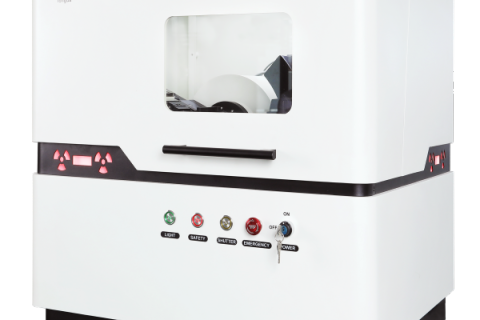
A powder diffractometer enables precise crystal structure analysis, driving innovation across pharmaceuticals, materials science, environmental monitoring, and archaeology. It accelerates R&D, solves complex structural challenges, and supports scientific breakthroughs, making it an essential tool for modern research and industrial advancement.

X-ray diffraction (XRD) is a key non-destructive technique for identifying and characterizing new materials. By analyzing diffraction patterns from crystal lattices, it determines phase composition, crystal structure, and microstructure. Critical for developing catalysts, batteries, and biomaterials, XRD enables precise analysis of thin films and structural changes, driving innovation across materials science.
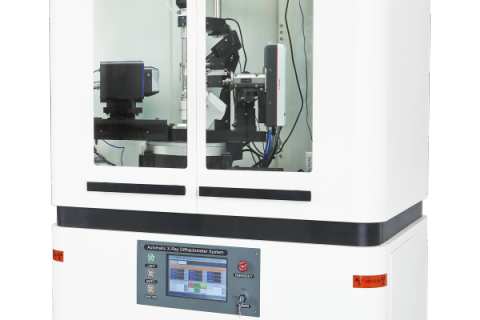
A guide on selecting a single-crystal diffractometer for structural analysis, covering key factors: defining needs, evaluating performance and software, and considering support and cost for an informed choice.
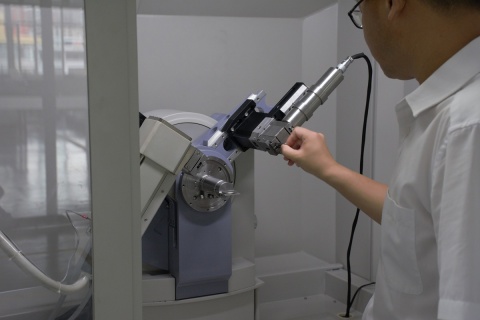
XRD common failures: sample shift, detector sensitivity drop, poor cooling, generator failure, software crashes. Solutions: check holder/alignment, clean/calibrate detector, verify coolant flow, replace X-ray tube, update software regularly.
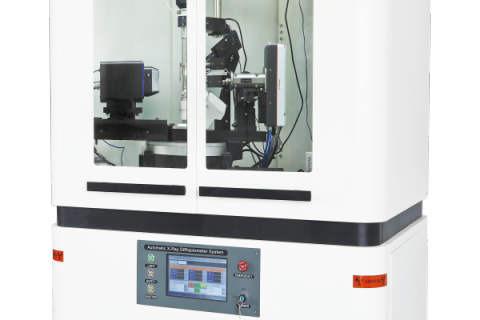
X-ray single crystal diffractometers require systematic maintenance to ensure long-term stability and reliable data. Daily cleaning prevents dust and oil from affecting accuracy or damaging components. Critical parts like the X-ray source and detectors need regular inspection and timely professional servicing. Calibration eliminates error accumulation and maintains measurement precision. Operational details—such as avoiding magnetic interference and proper storage during inactivity—are equally important. Together, these practices support instrument longevity and dependable research performance.
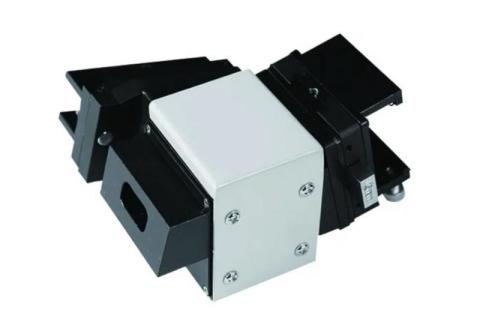
Ensure the longevity of your Graphite Curved Crystal Monochromator with proper maintenance. Key steps: store in a dry environment, handle gently, and clean regularly. Adhering to these guidelines and the manufacturer's instructions guarantees reliable performance and extends equipment life.
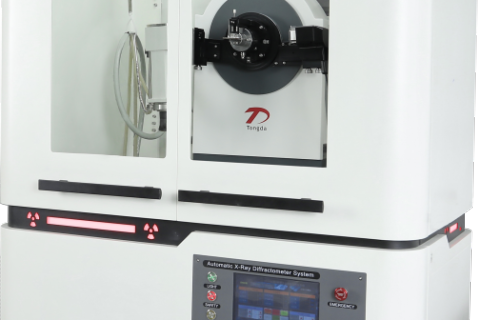
Multifunctional X-ray diffractometer for material science. Performs phase, crystal, thin film, micro-area, and stress analysis. Key advantages: high-precision measurement, stable control, programmable operation, innovative non-concentric goniometer design, and configurable accessories. An indispensable tool for researchers.
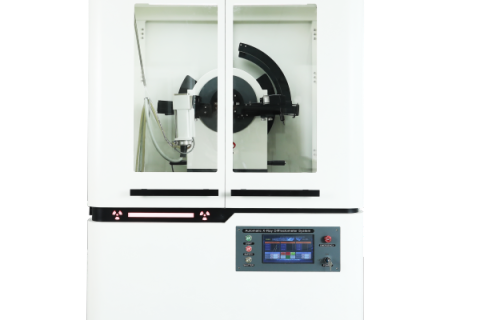
A 2D X-ray diffractometer requires strict daily maintenance to ensure accuracy. Key tasks include managing the operating environment (temperature 15–25°C, humidity 20–80%, dust and vibration-free). Regular cleaning of the sample holder and internal components is essential, alongside maintaining the recirculating cooling water system to prevent blockages. X-ray tubes need proper conditioning after extended inactivity and must be set to standby or shut down appropriately. The computer workstation requires data backup, and strict safety precautions, such as avoiding contact with beryllium windows and never bypassing safety interlocks, are critical.