



How to Choose the Right X-ray Diffractometer
2026-02-05 08:24In fields such as materials science, mineralogy, and pharmaceutical formulation, X-ray diffractometers (XRD) are essential tools for investigating the microstructure of substances. Purchasing such sophisticated equipment requires comprehensive consideration of multiple factors to ensure that the selected instrument meets research needs and maintains long-term application value. The following points should be taken into account when selecting an X-ray diffractometer:
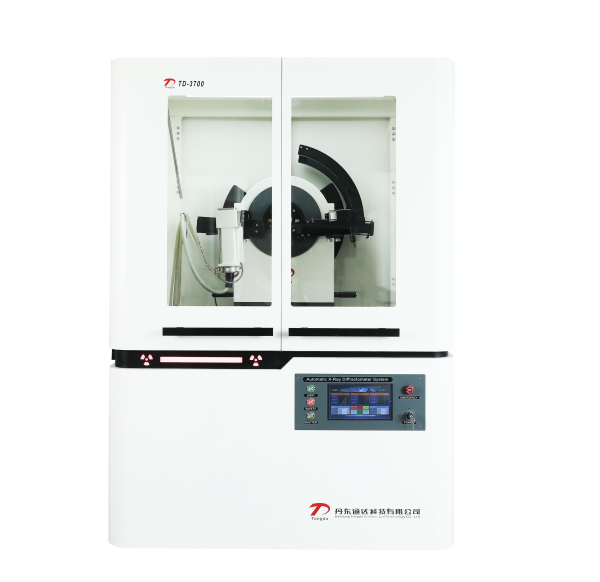
Performance Parameters: Performance parameters are the primary consideration when purchasing an XRD, including angular accuracy, detector resolution, minimum step angle, etc. High-precision performance indicators such as high stability and high resolution ensure the quality of experimental data. A high-speed data acquisition system can obtain high-quality diffraction patterns in a short time, effectively improving experimental efficiency.
Sample Compatibility: A versatile XRD should be capable of accommodating samples in various states, such as solids, liquids, and even powders. Scientific sample chamber design and support for multiple sample holders facilitate the simulation of different experimental environments.
Ease of Operation: A user-friendly software interface and simplified operational procedures greatly enhance the user experience and reduce the difficulty of learning and operation. Intuitive interaction design enables even beginners to quickly get started and efficiently complete experimental setup and data analysis.
Reliability and Maintenance: Stable and reliable performance ensures long-term continuous operation, while an easy-to-maintain design reduces time and cost losses due to unexpected failures.
Price and Budget: While the initial investment cost is important, long-term operational costs and the value of scientific research contributions are key. Choosing equipment with high cost-effectiveness can meet current needs while allowing room for future upgrades.
Safety Performance: Safety is a critical consideration for laboratory equipment, including radiation safety and operational safety. According to data from the International Commission on Radiological Protection (ICRP), the absorbed radiation dose for the general public should not exceed 1 millisievert per year. The system should also ensure the safety of operators, with no potential for physical harm from movable parts, electricity, or other components.
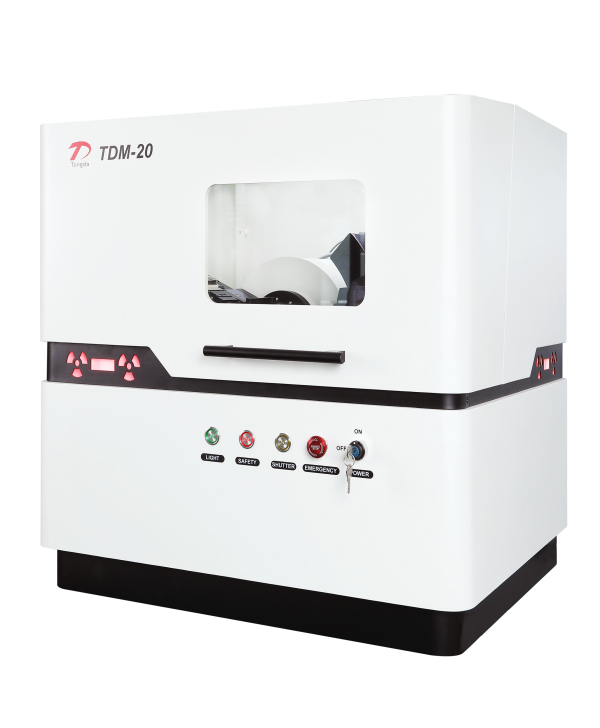
Training Services: After purchasing the equipment, personnel proficient in both computer software/hardware knowledge and X-ray diffraction technology, as well as those responsible for instrument maintenance, should be selected for training. The training content should be agreed upon in advance, preferably confirmed in writing.
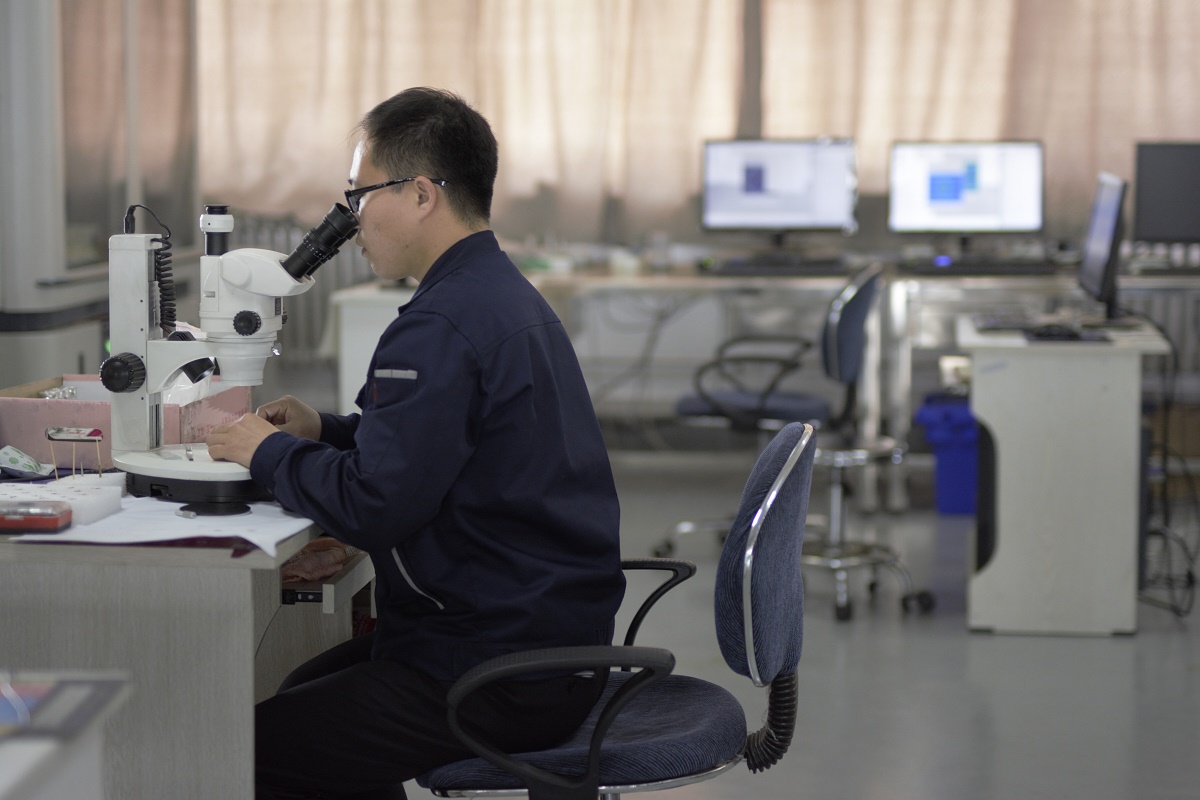
Application Support and Service Support: An XRD supplier should have application scientists to provide advice on correctly analyzing materials and answer any questions that may arise. The supplier should also have sufficient service engineers to maintain and repair the system. Local support is key to ensuring maximum uptime and optimal utilization of the investment.
When purchasing an X-ray diffractometer, users should also pay attention to the following specific issues:
Assess whether the laboratory space and environment are suitable for installing the selected equipment.
Determine whether the laboratory has appropriate facilities to support the operation of the instrument, such as cooling systems, gas supply, etc.
Consider potential future upgrade needs and inquire with the manufacturer about the possibility and cost of upgrades when purchasing.
Understand different brands and models of equipment on the market and compare their performance, prices, and services.
Arrange for professional personnel to install, debug, and perform regular maintenance of the instrument.