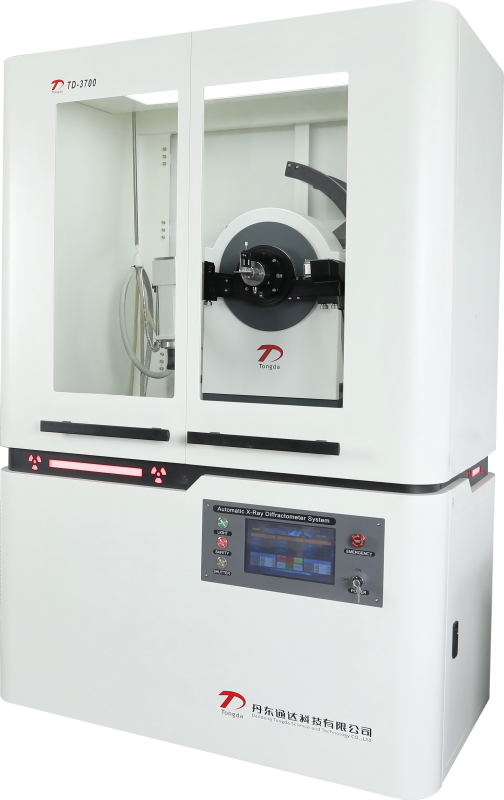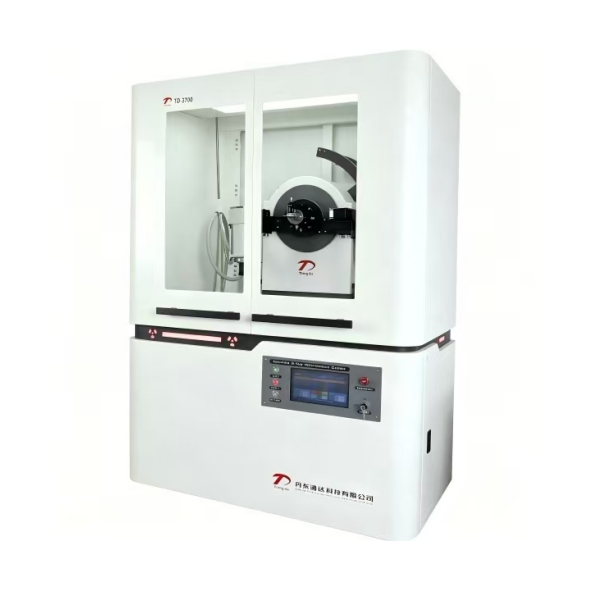
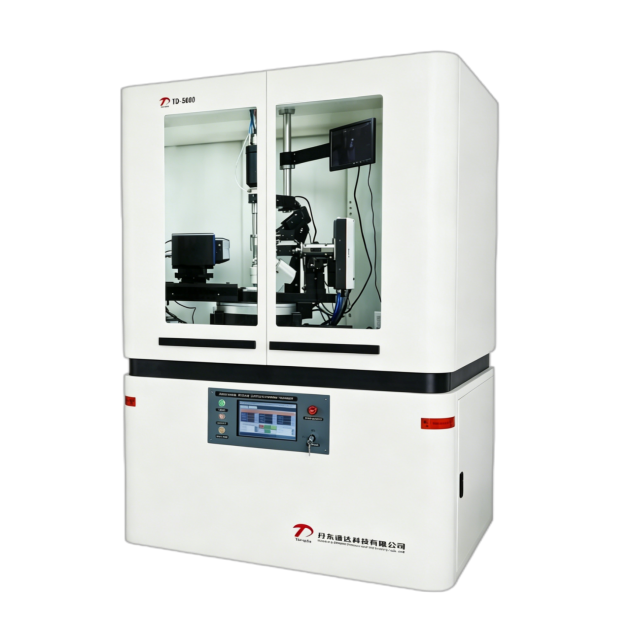
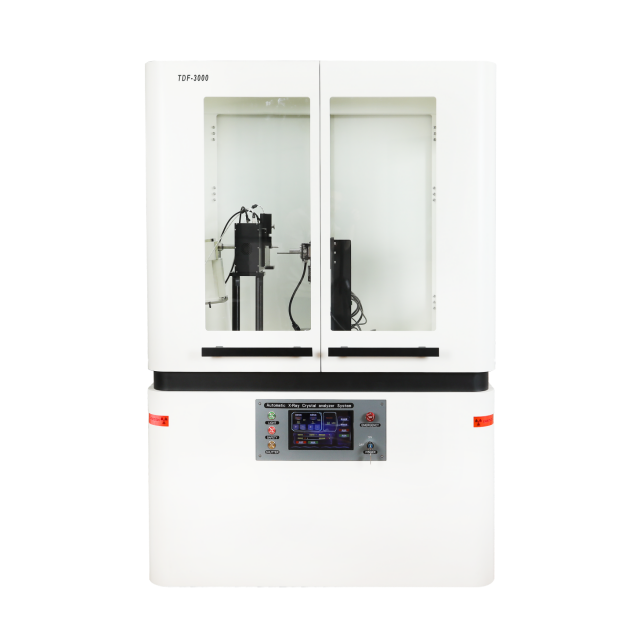
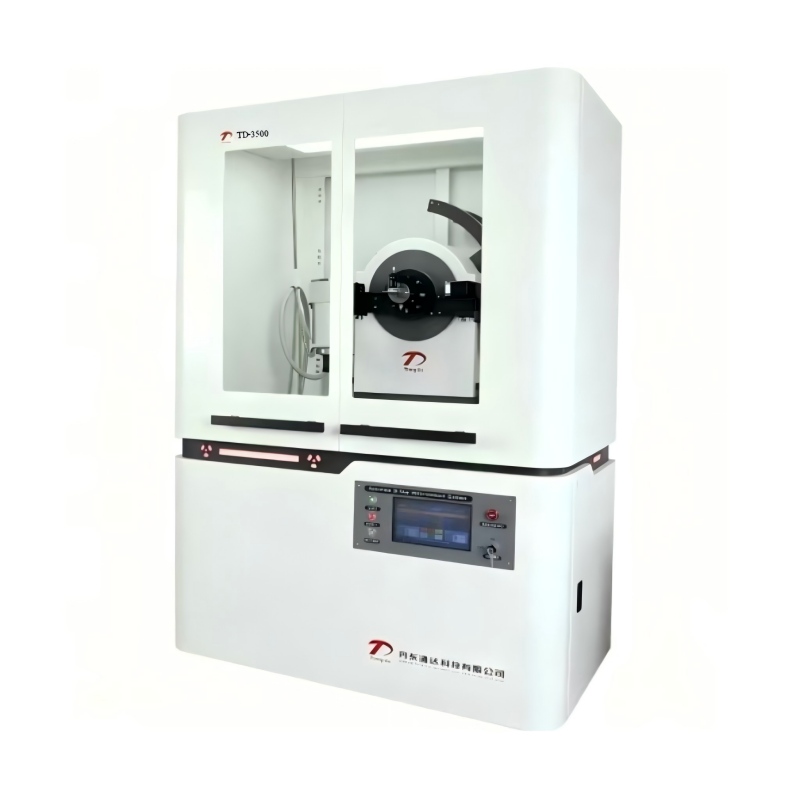
Selecting an XRD requires evaluating performance, sample compatibility, ease of use, reliability, budget, safety, training, and support. Also assess lab space, facilities, future upgrades, brand comparisons, and professional installation.
EmailMore
Benchtop XRD performance depends on instrument resolution (FWHM <0.04°2θ), goniometer linearity (±0.02°2θ), and low-angle ability. Sample form, size, and quantity matter. Voltage, current, scan speed/range, and method are key settings. Cooling, lab environment, and maintenance ensure stability and accuracy.
EmailMore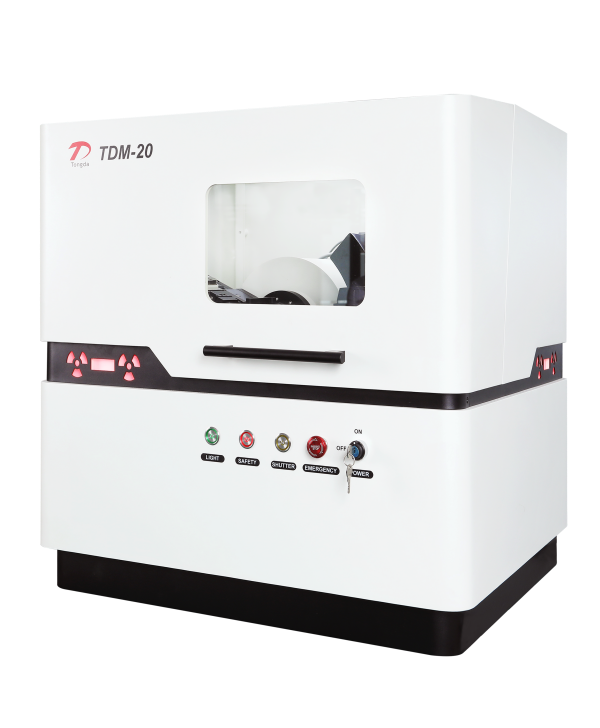
To improve single crystal diffraction data quality, ensure high-quality crystals, select appropriate target, optimize conditions, adjust collection strategies, and perform careful data processing and validation.
EmailMore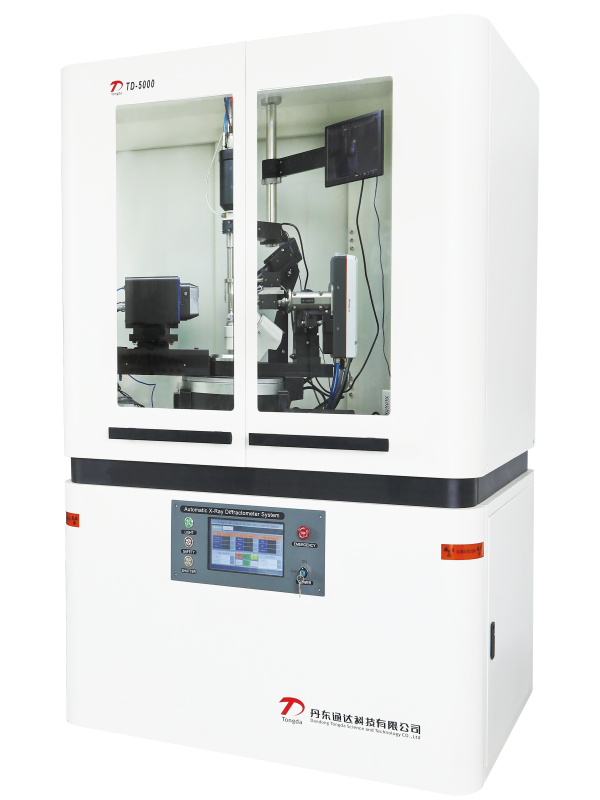
Single-crystal X-ray diffraction is essential in materials science for crystal structure analysis, phase identification, and stress analysis. It enables precise atomic-level characterization, supports rational material design, and is advancing with new technologies like synchrotron radiation and AI-assisted structure determination.
EmailMore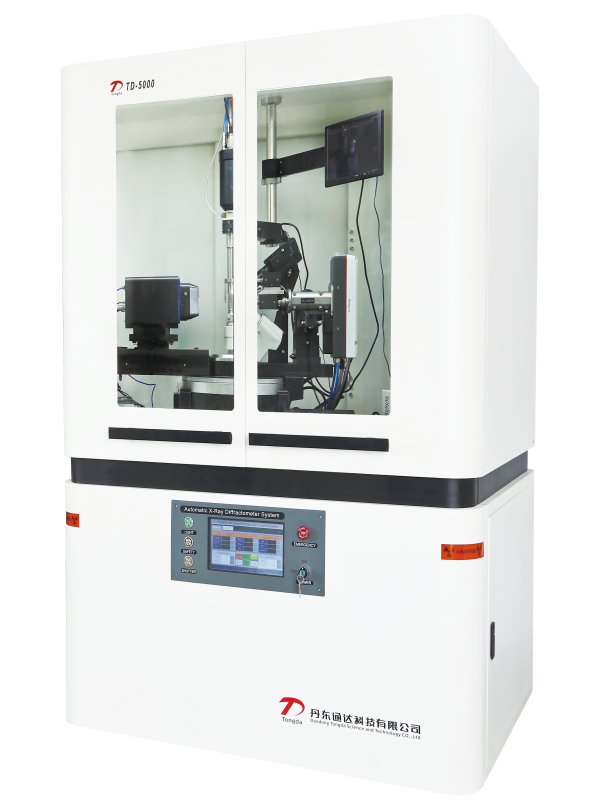
XRD common failures: sample shift, detector sensitivity drop, poor cooling, generator failure, software crashes. Solutions: check holder/alignment, clean/calibrate detector, verify coolant flow, replace X-ray tube, update software regularly.
EmailMore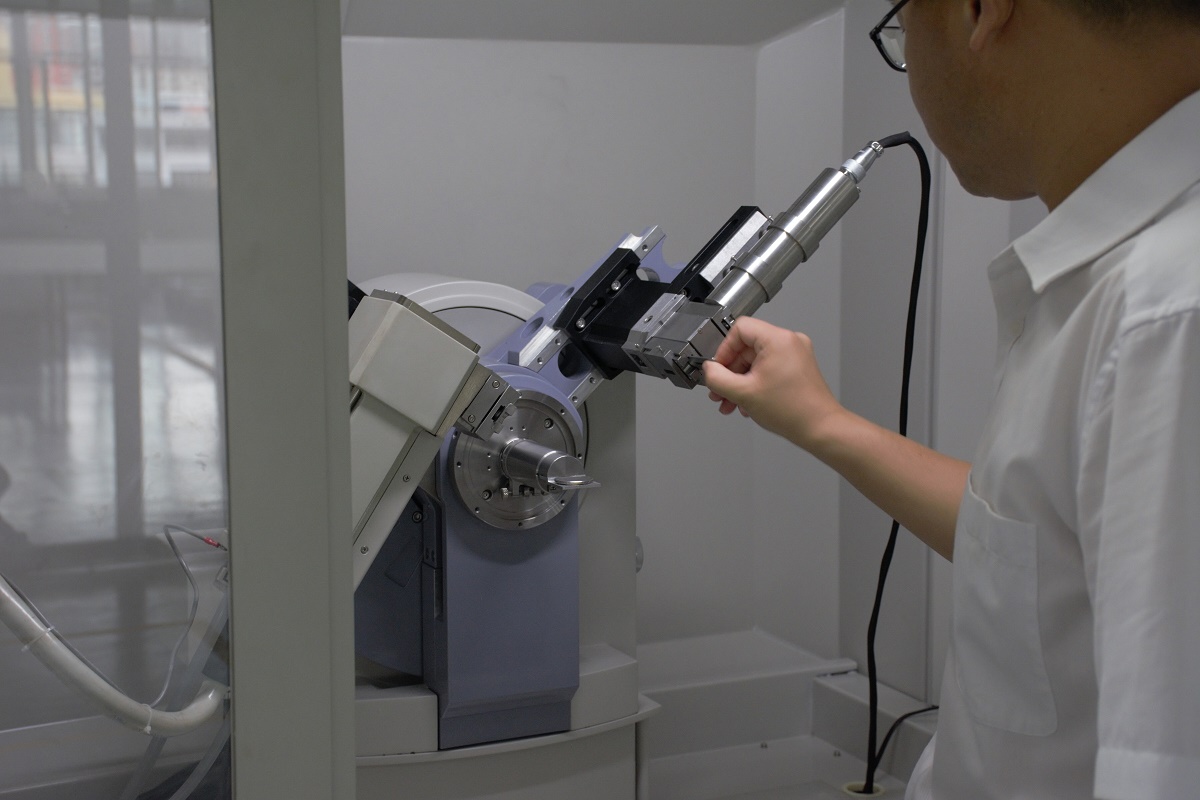
Benchtop XRD: A vital nanotechnology tool for atomic-scale analysis. It decodes crystal structure, phase composition, and grain size via diffraction patterns. Essential for understanding nano-properties, controlling synthesis, and designing composites, its enhanced resolution powers research and innovation across pharmaceuticals, energy, and electronics.
EmailMore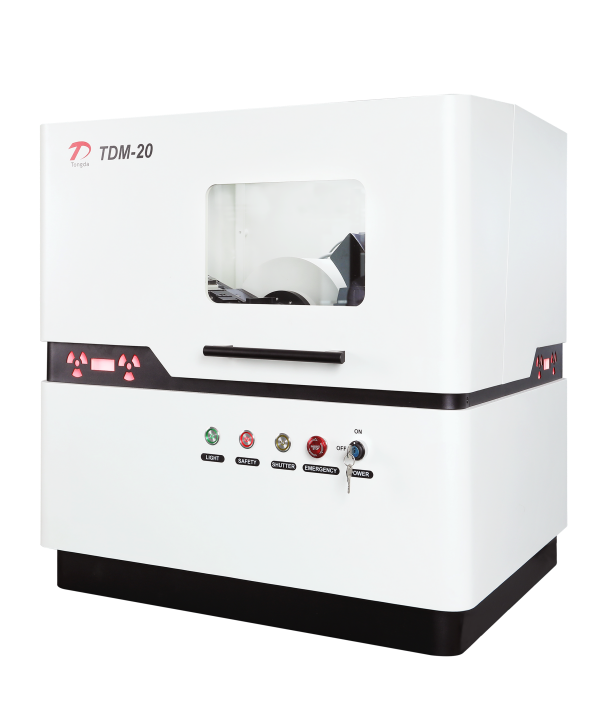

High-resolution X-ray diffractometers analyze materials by capturing precise diffraction patterns, revealing crystal structure, lattice parameters, atomic positions, and chemical composition. The process involves sample preparation, instrument adjustment, pattern acquisition, and data analysis, offering critical insights for material research and development.
EmailMore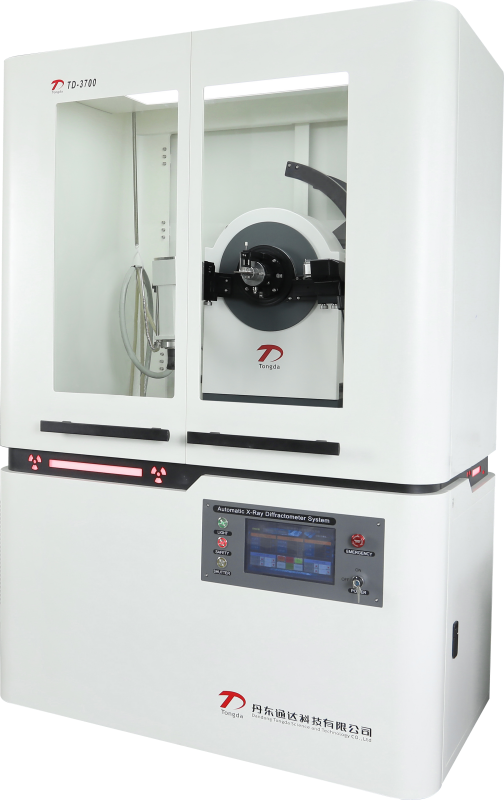
XRD maintenance requires strict environmental control (temperature, humidity), regular cooling system care, and X-ray tube upkeep. Key troubleshooting includes resolving high voltage startup, shutter operation, goniometer errors, and cooling water alarms to ensure instrument stability and data accuracy.
EmailMore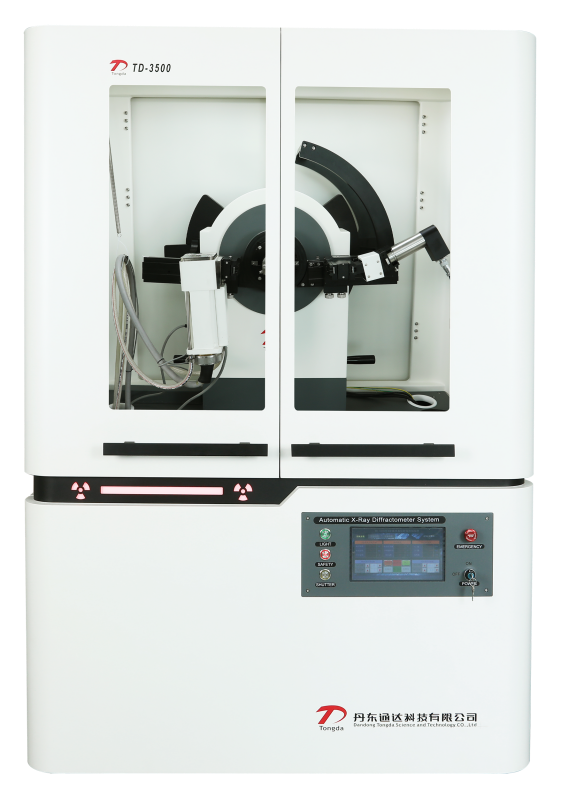
Powder XRD enables non-destructive residual stress analysis by detecting lattice strain via diffraction peak shifts, using the fixed ψ method and Hooke's law. It's vital for materials, aerospace, automotive, and manufacturing.
EmailMore