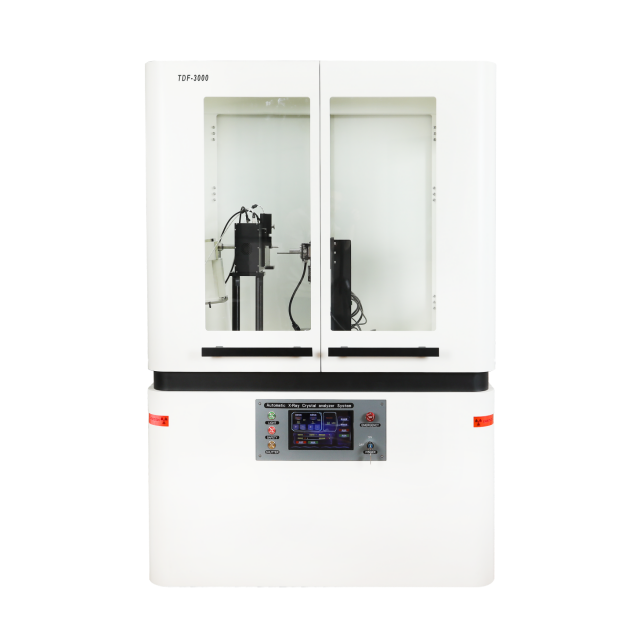
Benchtop X-ray Diffractometers are vital for quality control, providing non-destructive, precise analysis of material crystal structure, composition, and stress. They enable defect detection, process optimization, and failure analysis across R&D and production, enhancing efficiency, reliability, and compliance.
EmailMore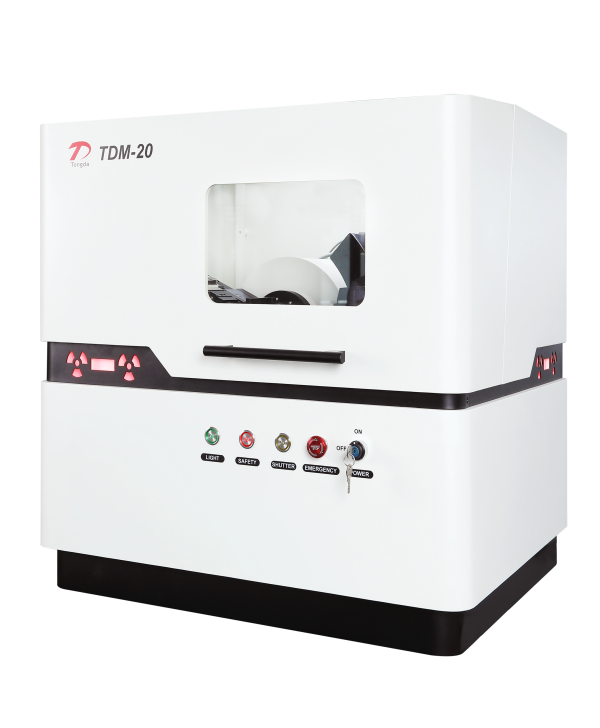
A single-crystal X-ray diffractometer reveals 3D atomic structure by analyzing X-ray diffraction patterns (Bragg's Law). Through data collection, Fourier transformation, and model refinement, it generates electron density maps to determine molecular configurations.
EmailMore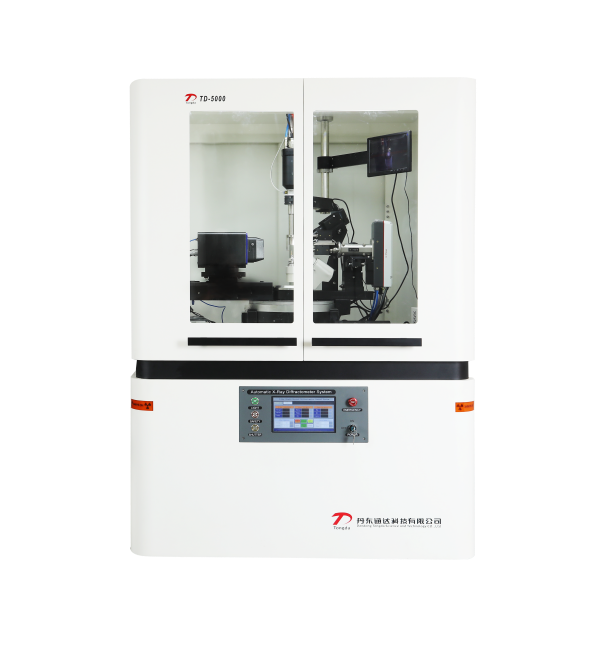
A quality single crystal for X-ray diffraction requires optimal solvent choice (moderate solubility/volatility), proper growth method (evaporation/diffusion), high sample purity, and a vibration-free environment to ensure well-defined morphology and minimal defects.
EmailMore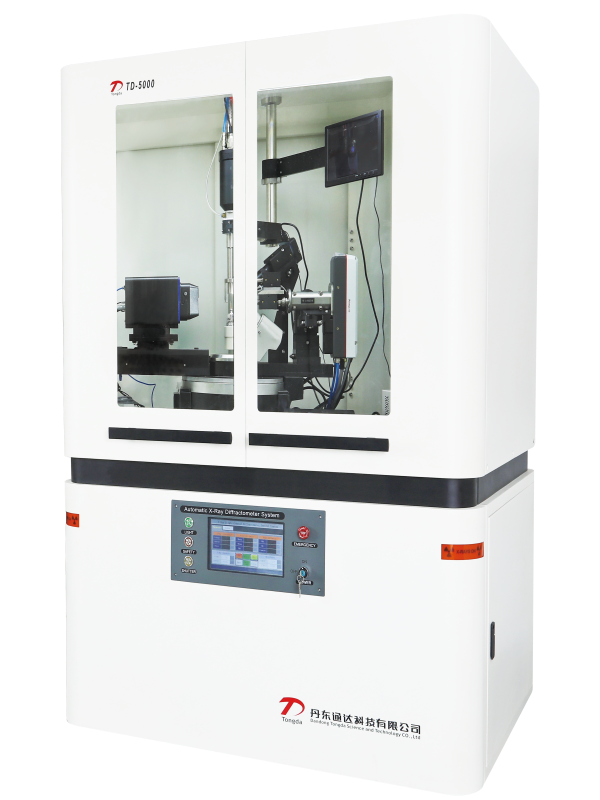
This article details a comprehensive three-pronged strategy to eliminate higher-order diffraction interference in X-ray single-crystal analysis. The methods involve hardware filtration at the source using monochromators and slits, parameter optimization during data collection to suppress detection, and software correction algorithms for residual effects in data processing. This combined approach ensures high-precision crystal structure determination by controlling intensity errors.
EmailMore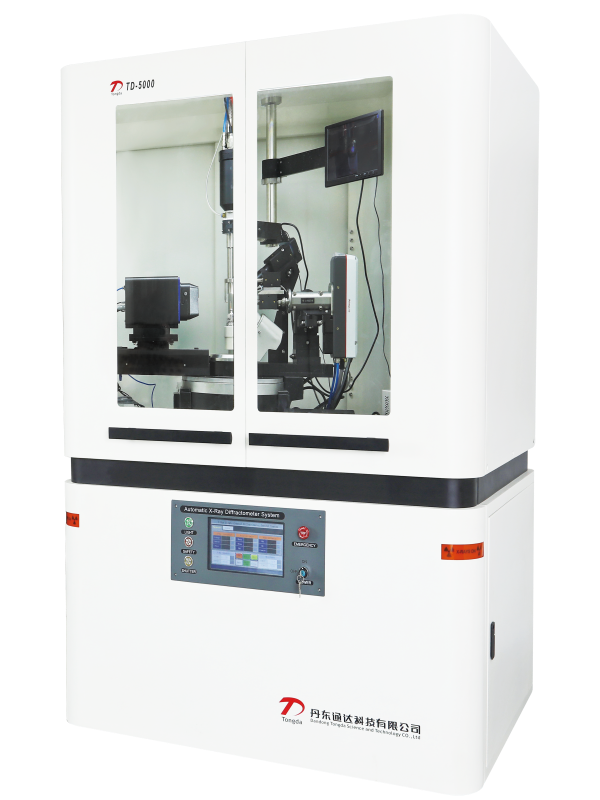
A premier X-ray crystal analyzer enabling precise exploration of material microstructures. Its advanced PLC control, modular design, and robust 5KW output ensure high reliability for global R&D and industrial quality control applications.
EmailMore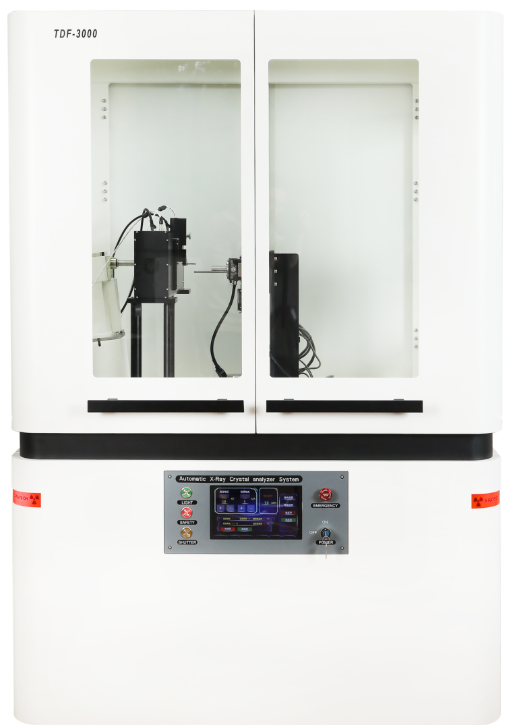
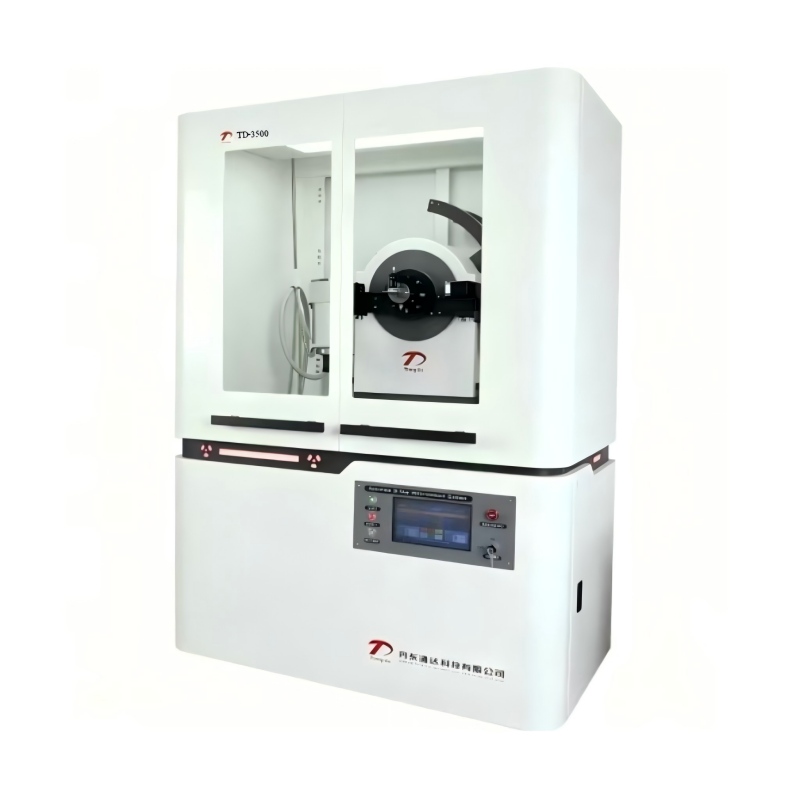
The TD-3500 X-ray Diffractometer ensures stable operation through full-chain PLC automation and a high-precision goniometer with real-time error correction, achieving exceptional angular reproducibility. It offers flexible configurations for diverse applications and performs comprehensive analyses across various critical fields.
EmailMore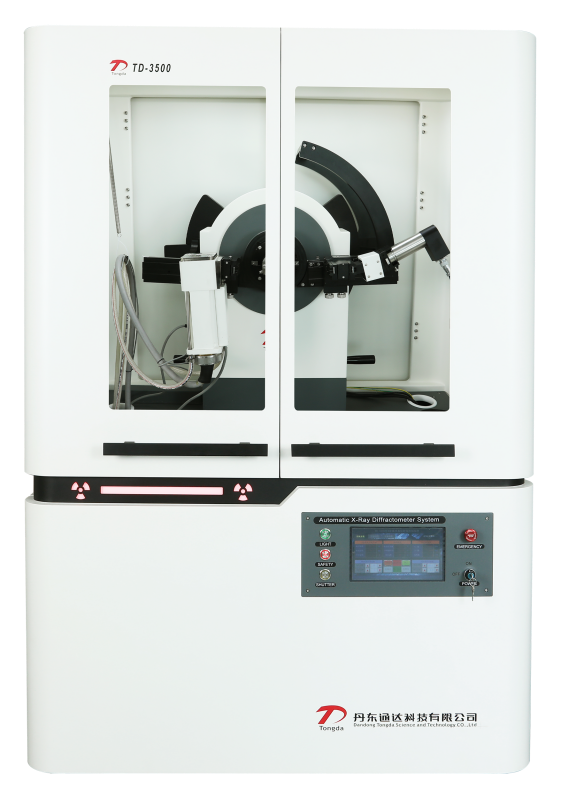
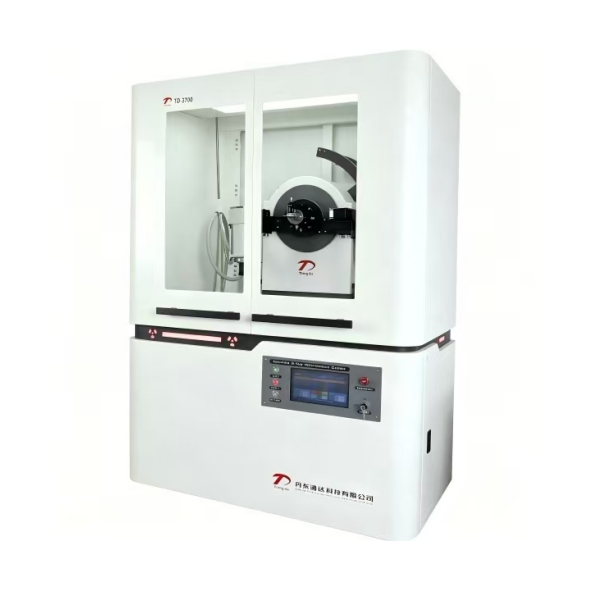
The TD-3700 is a next-gen X-ray diffractometer featuring a high-speed array detector for intensity scores of times higher and rapid, noise-free analysis. Its transmission mode excels with trace samples. Modular and one-touch, it ensures easy operation and global compliance for diverse lab applications worldwide.
EmailMore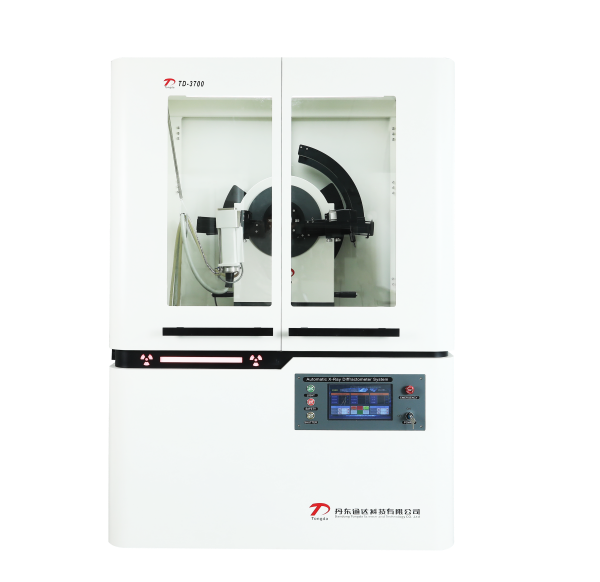
The TDM-20 benchtop XRD redefines performance standards with a groundbreaking 1200W power core—double the mainstream level. This enables faster, more precise analysis from R&D to QC in pharmaceuticals, materials science, mining, and food safety.
EmailMore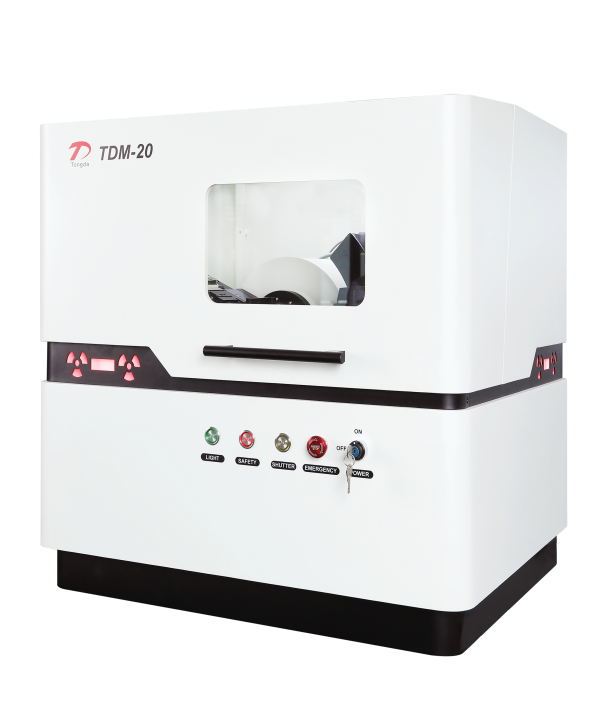
The Diffractometer X-Ray Tube manufactured by Dandong Tongda Technology Co., Ltd. serves as a core component in numerous X-ray analytical instruments within China. Dandong Tongda's Diffractometer X-Ray Tube primarily features the following technical characteristics: Diverse Target Material Options: This X-ray tube offers a variety of target material choices, including Cu, Co, Fe, Cr, Mo, Ti, W, and more. Users can select the most suitable target material based on the elemental composition of the material being tested and the specific analysis requirements, to achieve optimal analytical results. Flexible Focal Spot Configurations: The product provides different focal spot sizes, such as 0.2×12mm, 0.4×14mm (fine focus), and 1×10mm. Smaller focal spot sizes help improve spatial resolution, while the different shape designs meet the optical system requirements of various analytical instruments like XRD and XRF. Wide Power Range: The maximum output power of the X-ray tube covers multiple levels, including 2.0kW, 2.4kW, and 2.7kW, enabling it to adapt to various application scenarios from routine analysis to those requiring high power. Key Technologies and Performance Advanced Generator Technology: The high-frequency, high-voltage generator designed for use with the X-ray tube can achieve a maximum output power of 5kW. It utilizes microcomputer automatic control, with tube voltage adjustment precision up to 1kV per step and tube current adjustment precision up to 1mA per step, ensuring precise and stable output signals. Exceptional Stability Performance: The output stability of the generator is better than 0.01%. The comprehensive stability of some high-end models can even reach ≤0.3%. This high level of stability is crucial for precision analytical work that requires long-term data acquisition. Comprehensive Safety Protection: The equipment is equipped with extensive alarm and protection devices, including multiple protection functions such as over-voltage, over-current, over-power, water shortage, and X-ray tube over-temperature, ensuring safe and reliable operation. Main Application Areas Dandong Tongda's X-ray tubes are primarily used in the following types of analytical instruments: X-Ray Diffractometers (XRD): Used for phase analysis of materials, crystal structure determination, etc. X-Ray Fluorescence Spectrometers (XRF): Used for qualitative and quantitative elemental analysis. Crystal Analyzers and Orienters: Can be used for single crystal orientation, defect inspection, etc.
EmailMore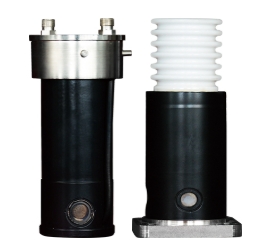
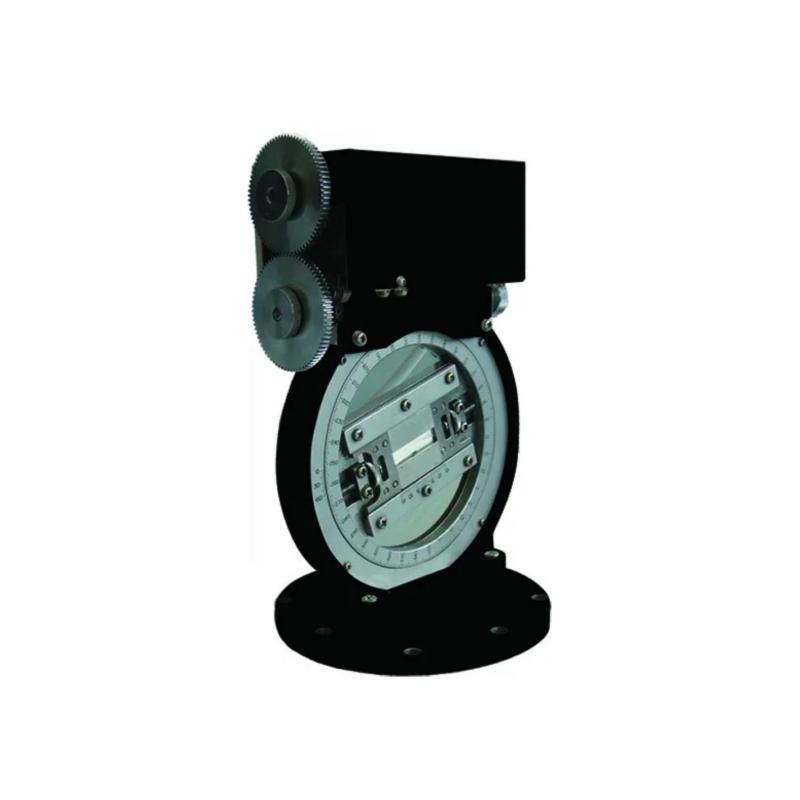
Fiber Accessories utilize the X-ray diffraction (transmission) method to analyze the unique crystal structure of fibers. Parameters such as crystallinity and full width at half maximum (FWHM) are used to determine the orientation degree of the sample. Main Functions and Features of Fiber Accessories: Maintaining Fiber Orientation: This is the most critical aspect. Fibers typically exhibit high anisotropy, with crystals preferentially aligned along the fiber axis. Fiber Accessories can straighten and secure fiber bundles, preserving their original orientation to measure orientation degree and distribution. Adapting to Different Sample Forms: Single Fiber: Extremely thin, requiring special clamps or frames for fixation. Fiber Bundle: Multiple fibers arranged in parallel; Fiber Accessories must align and tension them uniformly. Fiber Fabric: Materials like cloth require a flat frame to stretch them taut. Enabling Special Testing Modes: Transmission Mode: Suitable for thin fiber bundles or single fibers. Fiber Accessories include a dedicated frame to tension the fiber, allowing X-rays to penetrate the sample directly. Reflection Mode: Used for thicker fiber bundles or fabrics. Fiber Accessories provide a flat sample surface for this mode. Fiber Sample Holder: This is a simple metal or plastic frame equipped with slots or knobs. During operation, both ends of the fiber bundle are fixed to the holder, and knobs are rotated to tension the fiber, keeping it straight and parallel. The entire holder can be placed in the XRD goniometer for testing, similar to a standard sample. In summary, Fiber Accessories for XRD are specialized sample fixation devices designed for testing fibrous samples with anisotropic structures. Their core function is to maintain and regulate fiber orientation, while advanced versions may support in-situ stretching and other functionalities, providing critical insights into the orientation of crystal structures in fibers.
EmailMore