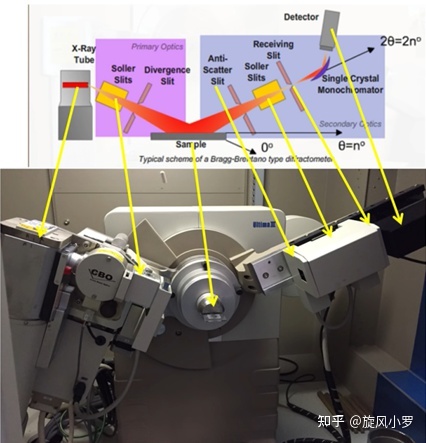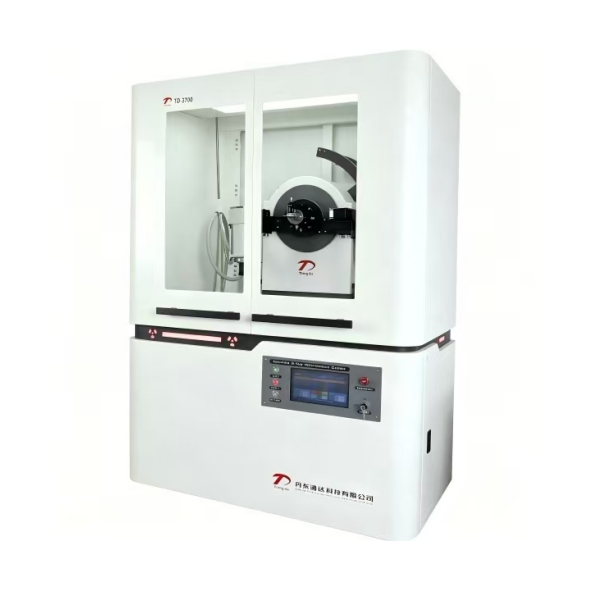
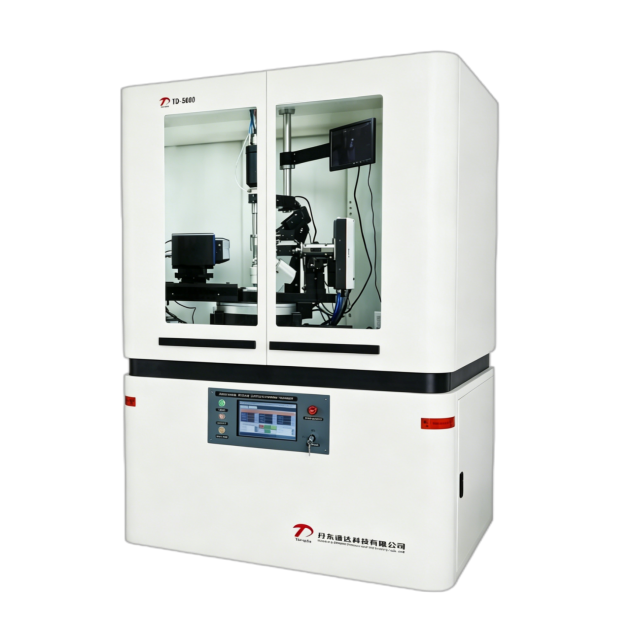
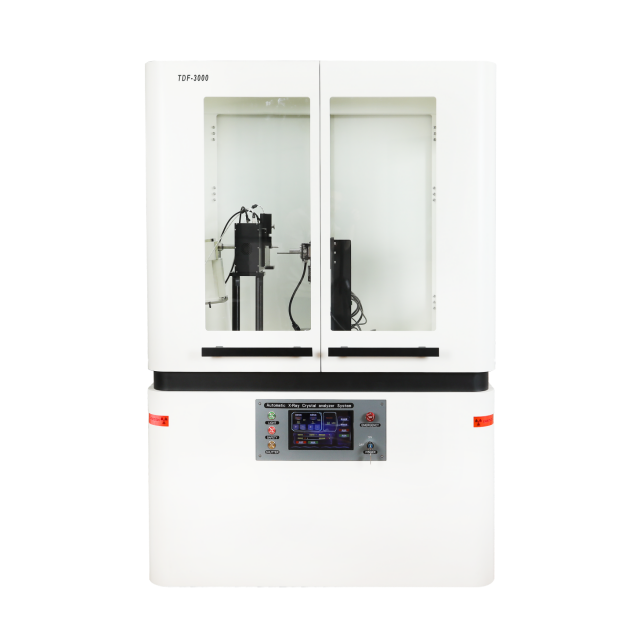
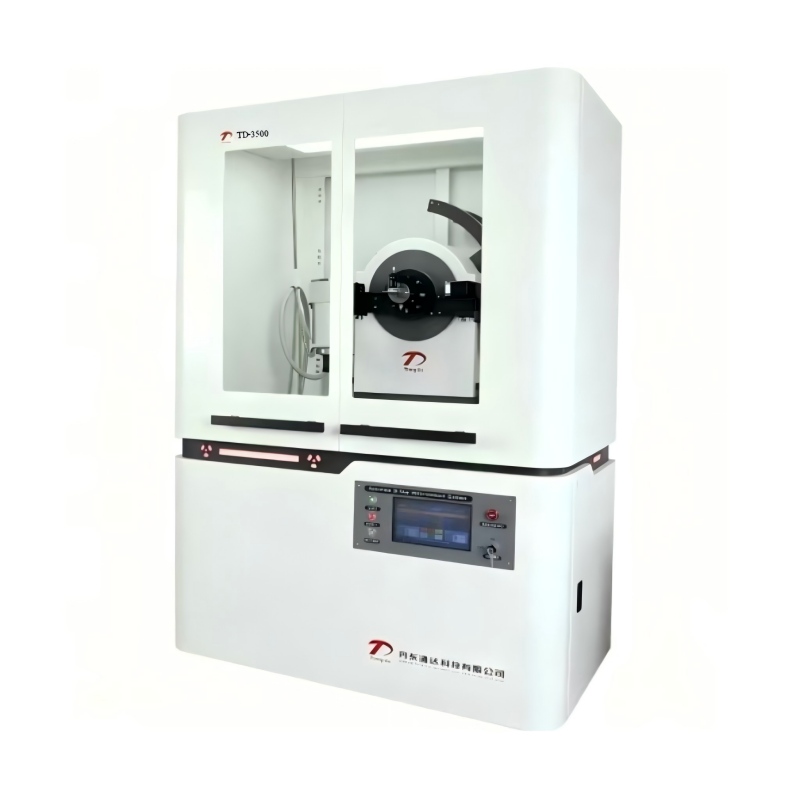
XRD is a means of research which is Diffraction by X-Ray diffraction of a material to analyze its diffraction pattern to obtain information such as the composition of the material, the structure or shape of atoms or molecules inside the material.
EmailMore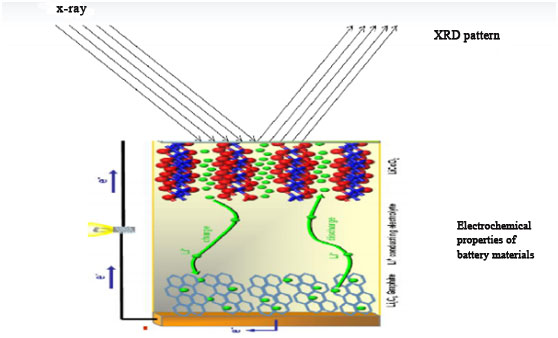
Grazing-incidence X-ray diffraction (GI-XRD) is a kind of X-ray diffraction technique, which is different from the traditional XRD experiment, mainly by changing the Angle of X-ray incidence and the orientation of the sample.
EmailMore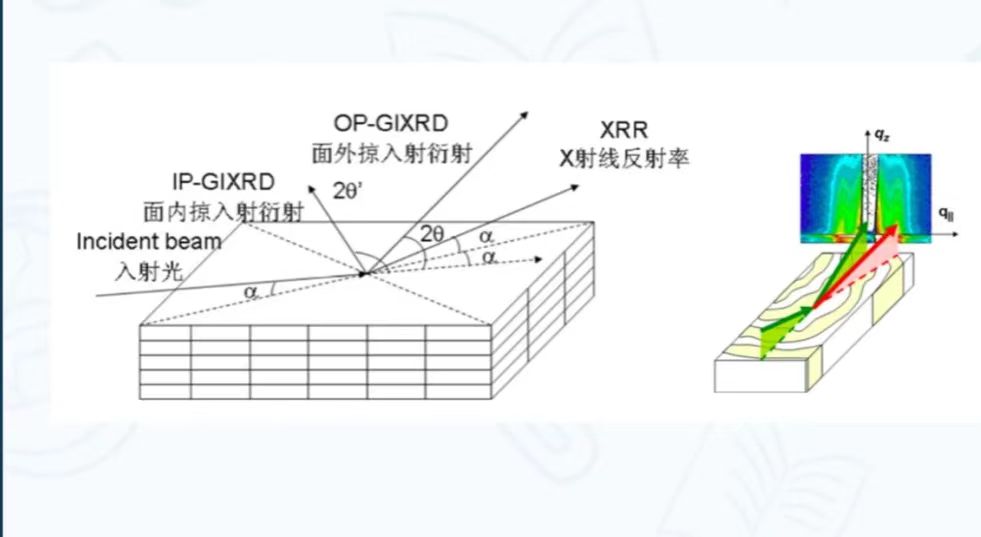
X-ray diffraction (XRD) is currently a powerful method for studying crystal structure (such as the type and location distribution of atoms or ions and their groups, cell shape and size, etc.).
EmailMore
Based on Bragg's Law, in-situ X-ray diffraction (XRD) can be used to monitor the change of phase and its lattice parameters in the electrode or electrode-electrolyte interface in real time during the charge-discharge cycle of a battery.
EmailMore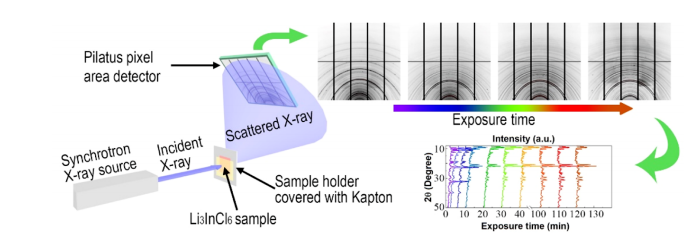
X-ray diffraction, through the X-ray diffraction of a material, the analysis of its diffraction pattern, to obtain the composition of the material, the structure or shape of the atoms or molecules inside the material and other research means.
EmailMore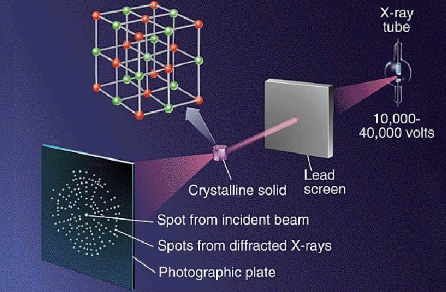
Some "JADE software to analyze and process XRD data" related content.
EmailMore
Today we share some knowledge about "JADE software analysis and processing XRD data"
EmailMore
This article mainly shares some relevant issues about "JADE software analysis and processing XRD data".
EmailMore
X-ray diffraction is the most effective and most widely used means, and X-ray diffraction is the first method used by humans to study the microstructure of matter.
EmailMore