To determine whether there is asbestos in talc is usually a combination of polarizing or electron microscopy and X-ray diffraction, and the quantitative analysis of asbestos mainly uses X-ray diffraction method.
EmailMore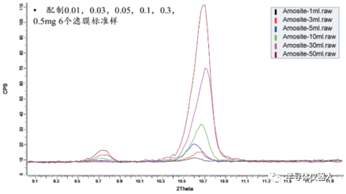
With the gradual increase of drug crystal regulation, the quantitative analysis of the effective crystal in drug preparations is a very important link in the quality control process of drug production.
EmailMore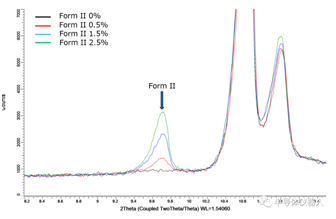
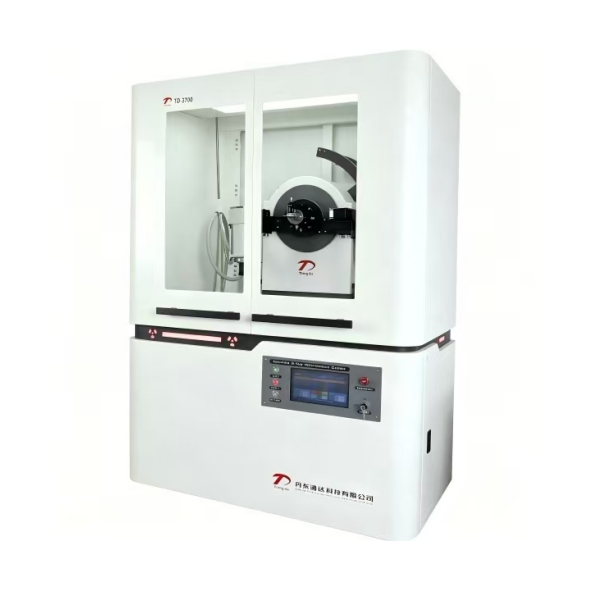
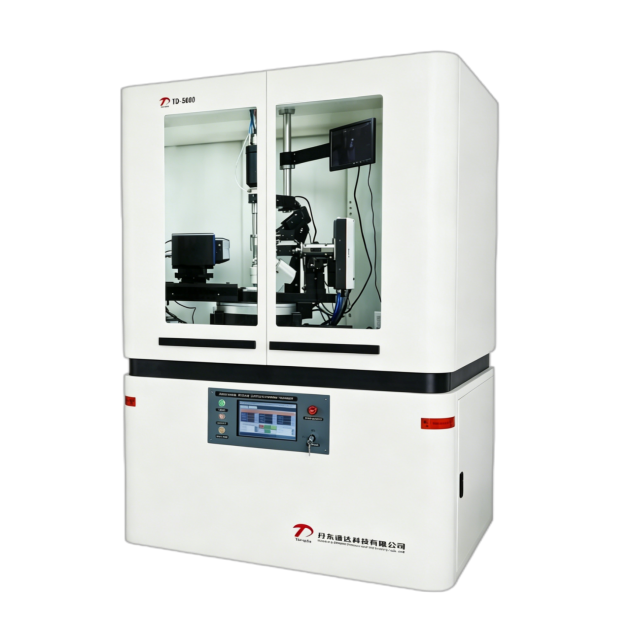
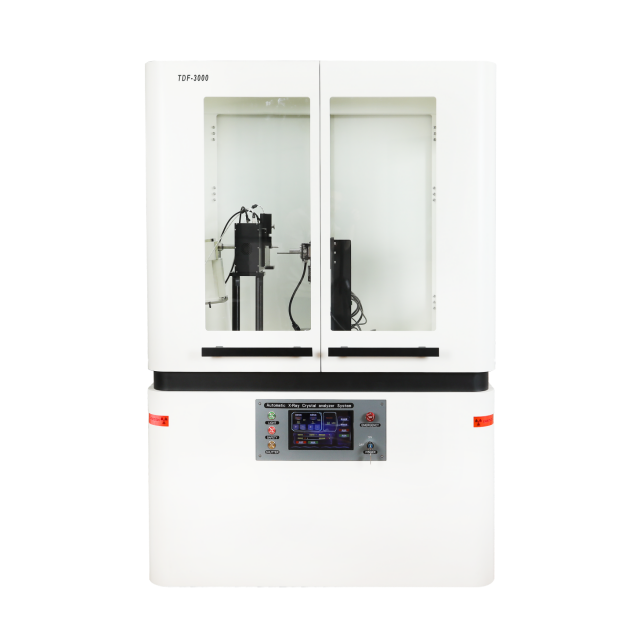
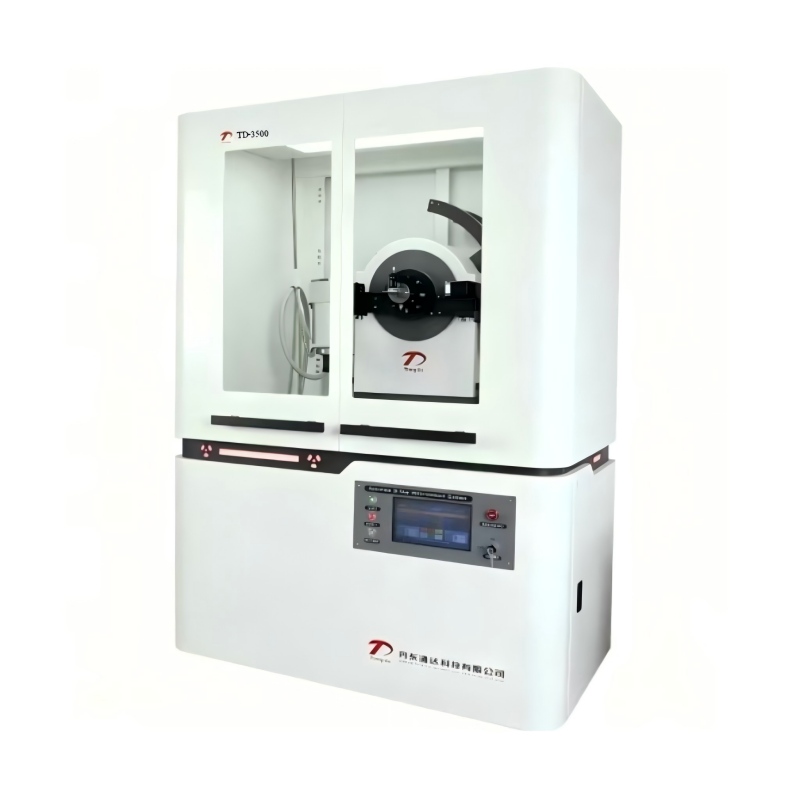
Dandong Tongda Technology Co., Ltd. is a professional manufacturer of X-ray diffractometer, has a history of 14 years, and has reached cooperation with many universities and enterprises at home and abroad.
EmailMore
With the development of XRD detection technology, instrument miniaturization, low energy consumption, simple use, intelligent detection is becoming more and more popular, and has become the trend of instrument update.
EmailMore
Asbestos, also known as "asbestos", refers to silicate mineral products with high tensile strength, high flexibility, resistance to chemical and thermal erosion, electrical insulation and spinnability. The three most common types are chrysotile, iron and cyanite.
EmailMore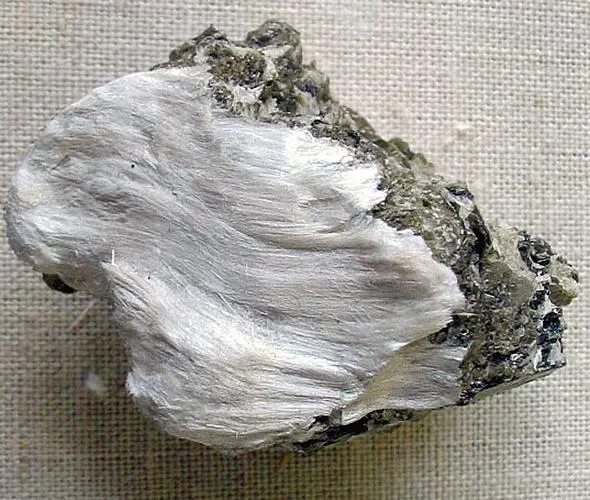
An important indicator of XRD is that there is a very good X-ray light source. The so-called good X-ray light source usually refers to high intensity, high parallelism and high purity. This paper will introduce one of the core technologies of neo-Confucianism, CBO optical path.
EmailMore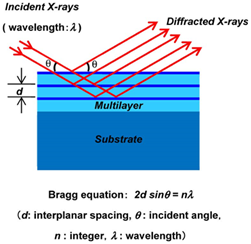
X-ray diffraction technology is widely used in the research of lithium-ion batteries. XRD is a conventional method for qualitative and quantitative analysis of phases in materials.
EmailMore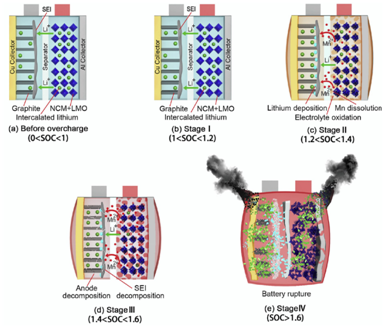
Taking deposition scaling as an example, this paper introduces how to use X-ray diffractometer for qualitative phase and quantitative analysis.
EmailMore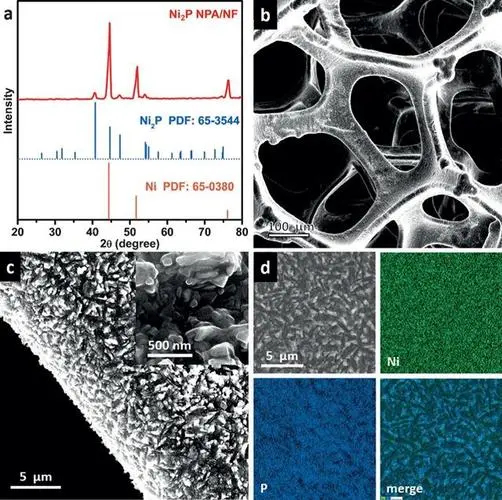
Total reflection X-ray fluorescence (TXRF) is a surface element analysis technique commonly used to analyze particles, residues, and impurities on smooth surfaces.
EmailMore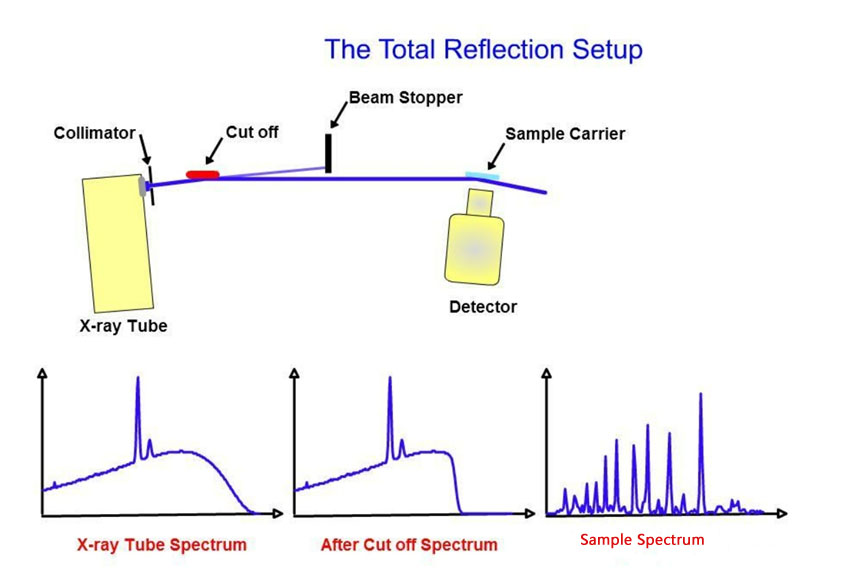
X-ray diffraction (XRD) is currently a powerful method for studying crystal structure (such as the type and location distribution of atoms or ions and their groups, cell shape and size, etc.).
EmailMore