Products

Featured products

  • Diffractometer
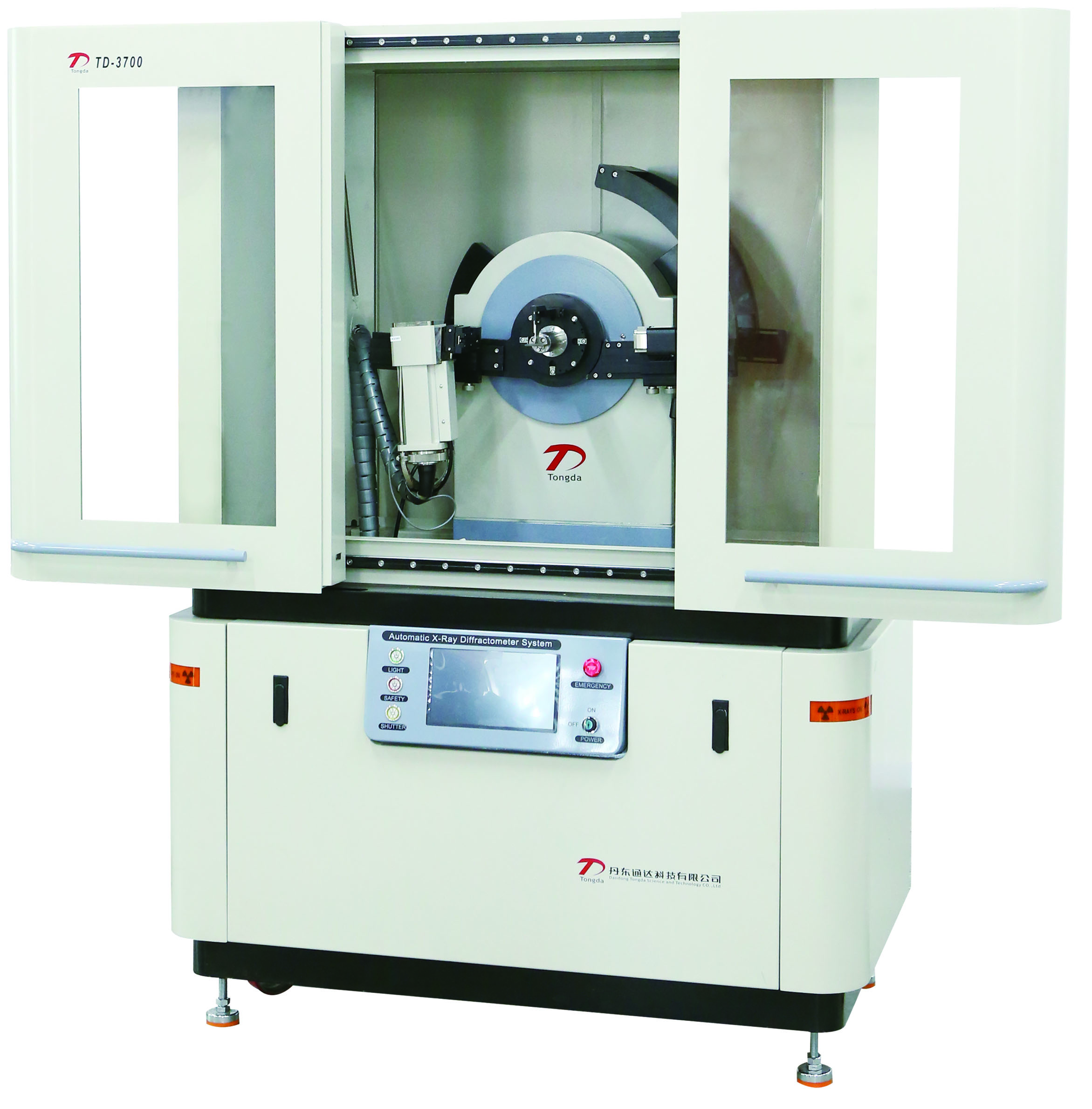
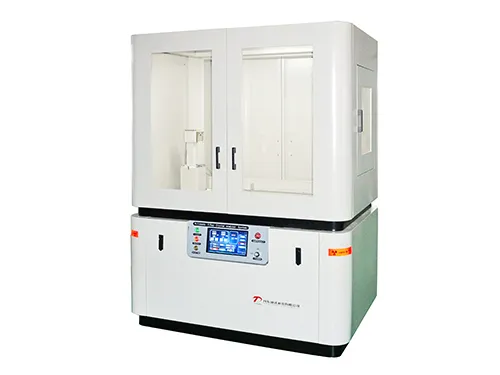
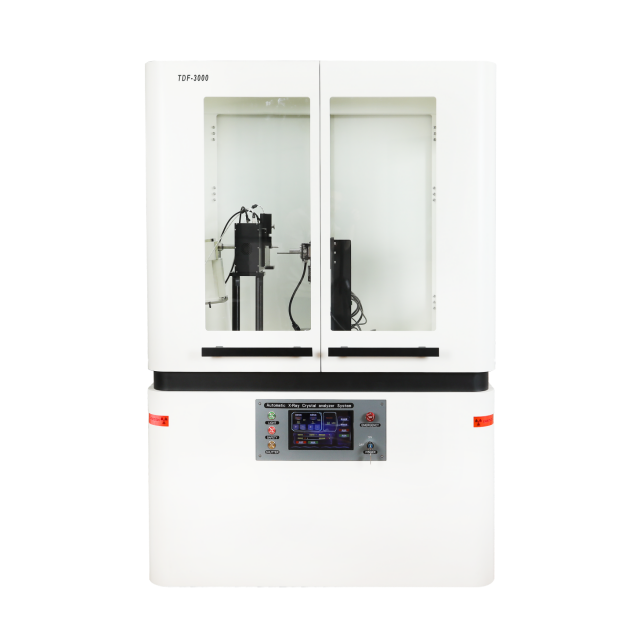
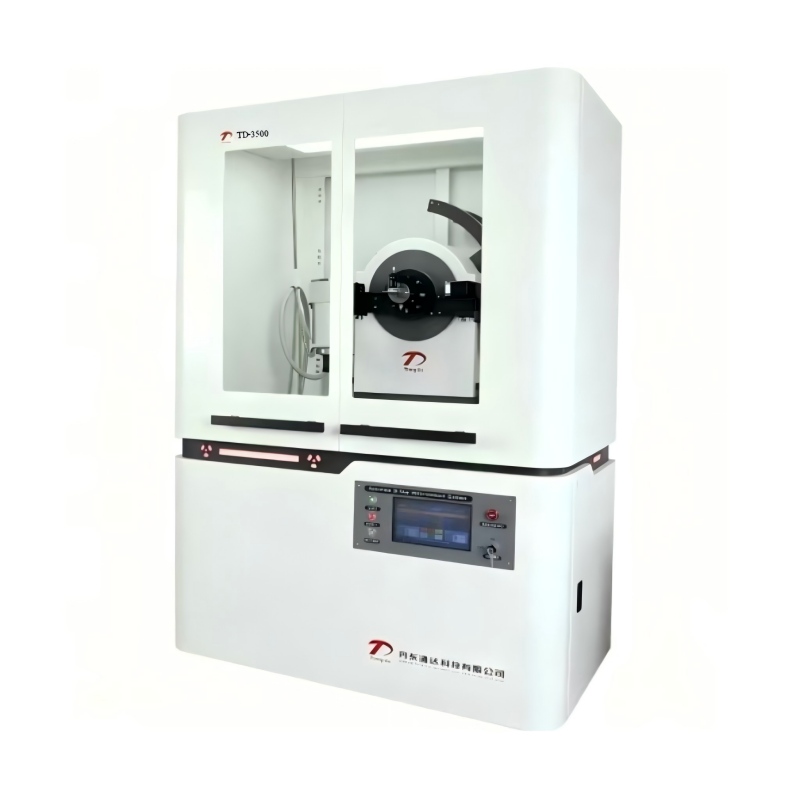
    Diffractometer
    1. The accuracy of Diffractometer is high. 2. The application range of Diffractometer is wide. 3. Diffractometer is easy to operate, convenient and efficient.
    More
  • Single Crystal XRD
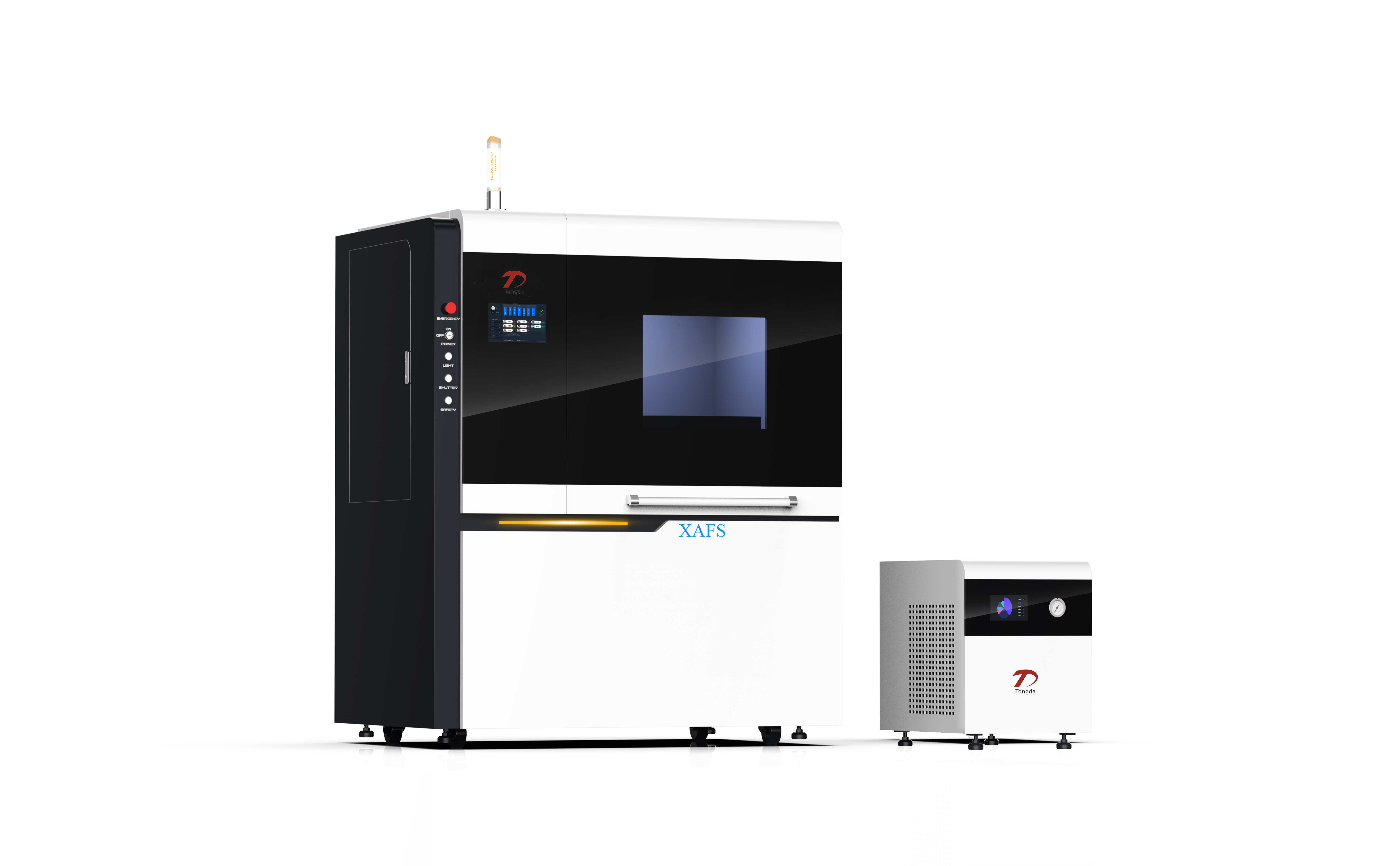
    Single Crystal XRD
    1.The single crystal machine adopts PLC control technology. 2.Modular design, accessories plug and play. 3.Electronic lead door interlocking equipment with double protection. 4.Single crystal X-ray tube: a variety of targets can be selected, such as Cu, Mo,etc. 5. Single crystal adopts four-circle concentric technology to ensure that the center of no goniometer remains unchanged.
    More
  • A 2D X-ray Diffractometer
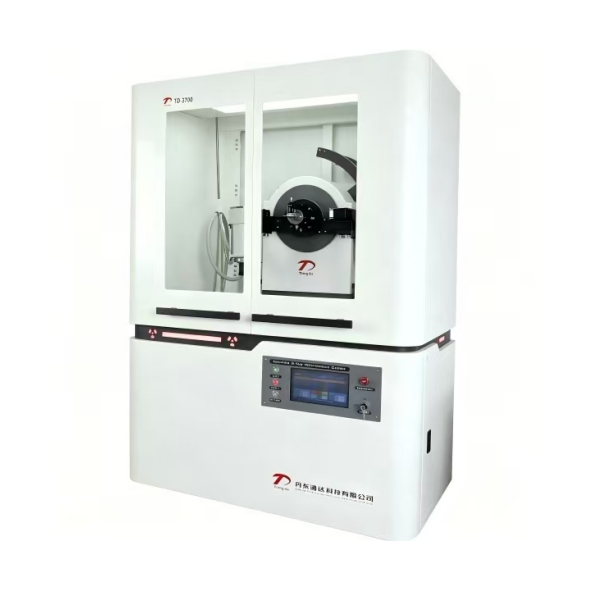
    A 2D X-ray Diffractometer
    Advantages: Continuously adjustable X-ray penetration depth Capability to observe the distribution of crystal planes with different orientations Analysis of orientation distribution in samples such as fibers, thin films, and powders Examination of structural characteristics like lattice distortion and crystallite size
    More
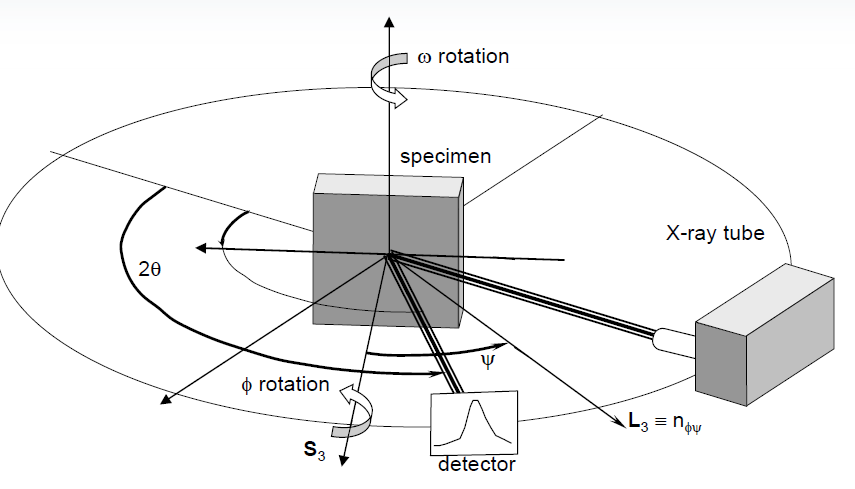
  • X-ray Diffraction Residual Stress Analyzer
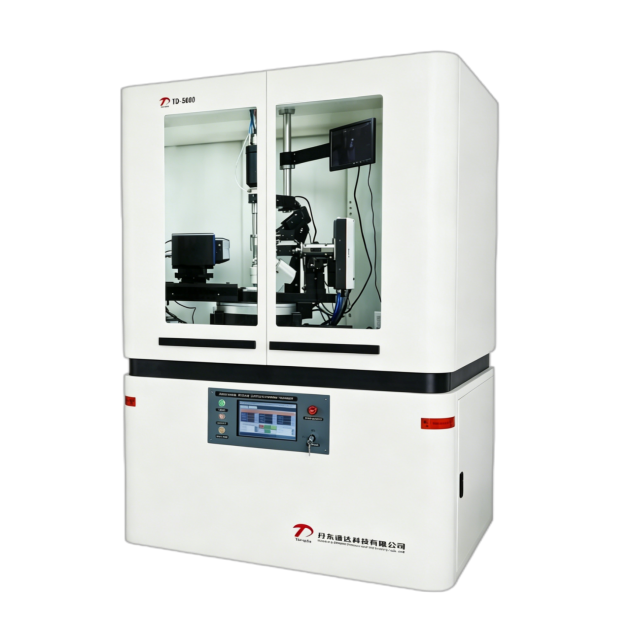
    X-ray Diffraction Residual Stress Analyzer
    TD-RSD XRD Residual Stress Analyzer ±7MPa accuracy, dual-detector innovation, full-auto operation & powerful software. Optimize processes, enhance product reliability. Compact, efficient, leading solution.
    More

Contact us

news

  • IN-suit XRD
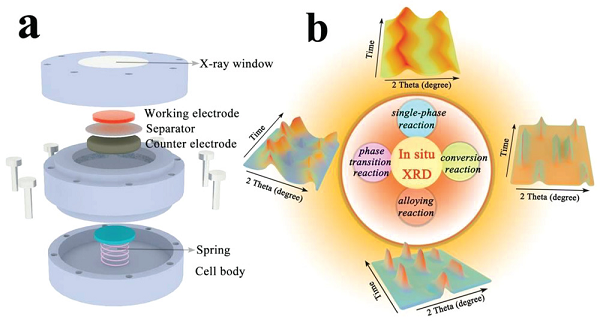
    In-situ XRD, also known as In situ X-ray Diffraction, is a technique for making X-ray diffraction measurements during a structure or phase transition. This technology can monitor the dynamic change of the structure of the material under external force in real time.
    More
    2024
    03-01
  • In situ XRD application
    In-situ XRD is one of the most popular and developed advanced characterization techniques for studying lithium-ion and sodium-ion battery systems in electrochemical processes.
    More
    2024
    02-28
  • Application of XRD technology in ceramic materials
    XRD technology plays an important role in the research and development of ceramic materials. It provides a reliable scientific basis for the synthesis, preparation process optimization, performance improvement and application popularization of ceramic materials.
    More
    2024
    02-26
  • X-ray powder diffraction of Portland cement clinker
    It is difficult to quantify the amorphous and crystalline phases of cement materials due to the complexity of the mineral phases in the mixture and the significant overlapping peaks. Excellent results can be obtained by Rietveld refinement of the measured sample using standard measurement configurations.
    More
    2024
    02-25
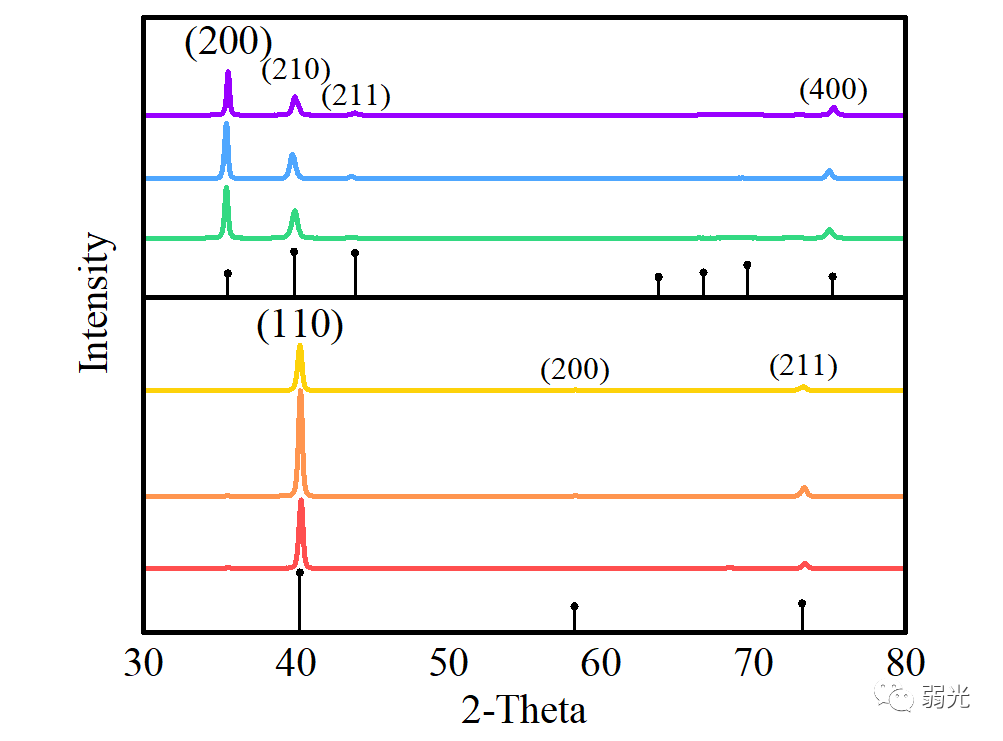
  • XRD data were used to calculate the grain size and dislocation density
    In materials science research, X-ray diffraction (XRD) is an important experimental method. Through XRD data, we can obtain information such as grain size, lattice distortion and dislocation density.
    More
    2024
    02-23
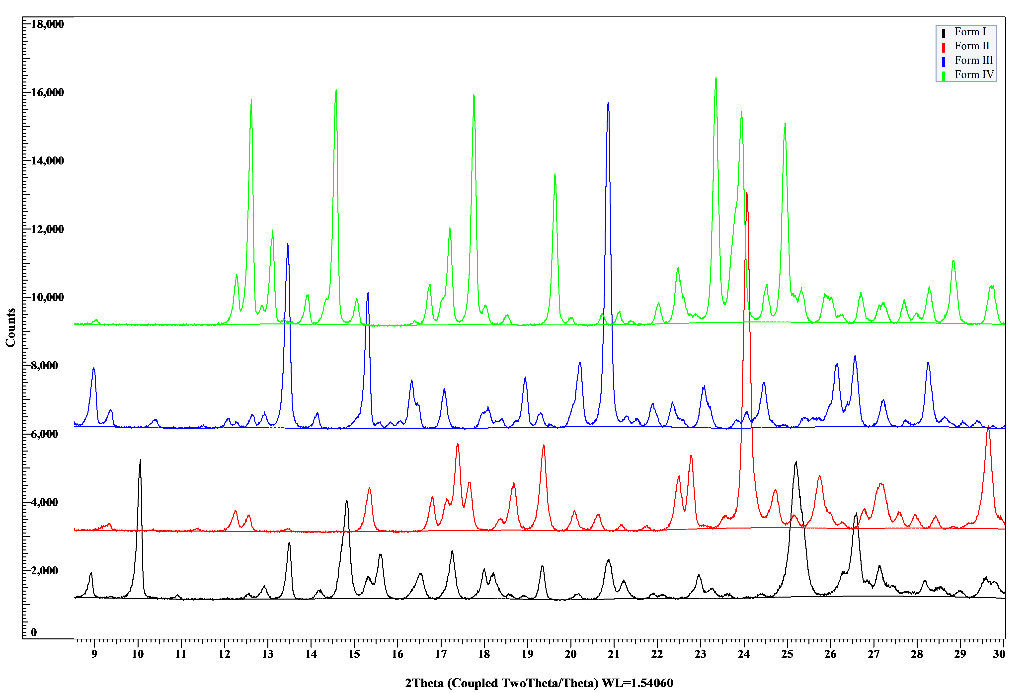
  • Diffractometer application case - qualitative analysis of raw materials
    Powder X-ray diffraction, as one of the methods for the study of drug polymorphism, has the advantages of not destroying samples and simple operation, and is the main method for the qualitative and quantitative analysis of drug polymorphism at present.
    More
    2024
    02-21
  • XRD temperature clustering - Bragg glass
    The Bragg glass phase is a near-perfect crystalline phase with glassy characteristics that is expected to occur in vortex lattices and charge density wave systems in the presence of disorder.
    More
    2024
    02-20
  • X-ray characteristics
    X-ray frequency and energy is second only to gamma rays, with penetration, frequency range 30PHz~300EHz, corresponding wavelength of 1pm~10nm, energy of 124eV~1.24MeV. Let's take a look at the properties and applications of X-rays.
    More
    2024
    02-19
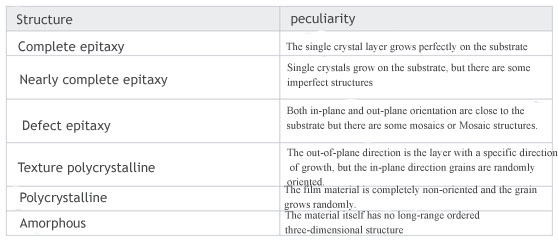
  • Crystal type and crystal fetish
    This paper introduces the related knowledge of crystal pattern and crystal fetish
    More
    2024
    02-18
  • The radiation field distribution of X-ray detector for nondestructive testing
    The X-ray intensity of nondestructive testing at a point in space is the sum of the number of photons and the energy product over a unit area perpendicular to the X-ray propagation direction in unit time.
    More
    2024
    02-13

Get the latest price? We will reply as soon as possible (within 12 hours)

top