In drug research and development, crystal research runs through all stages from the screening of lead compounds to the final drug marketing.
EmailMore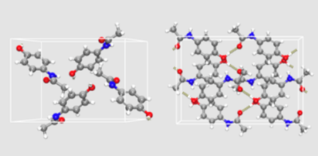
Micro-xrd can analyze the original state of the sample and carry out phase analysis of various parts of the sample. In this paper, a geological sample lapis Lazuli is taken as an example to further illustrate the effect of micro-diffraction.
EmailMore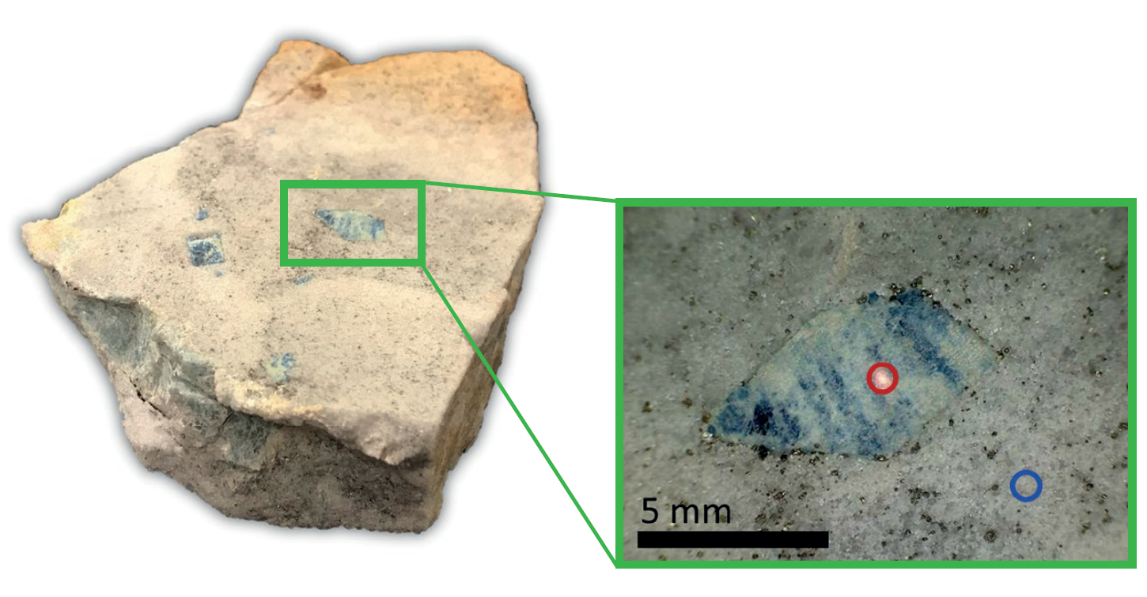
Petrological studies often require the identification of mineral compositions in rocks, especially those that are less abundant. Therefore, the qualitative analysis of minerals is the most important application of X-ray diffraction in the study of mineral petrology.
EmailMore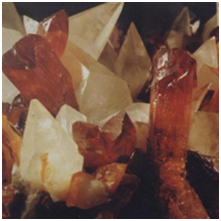
Polymers are commonly synthesized as fibers, sheets, and other solid forms. Its properties are greatly affected by its structural parameters such as crystallinity, crystal structure and orientation, and can be studied using XRD
EmailMore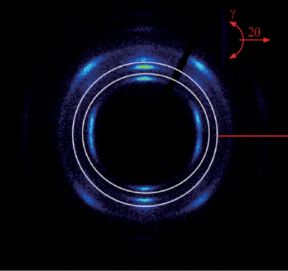
X-ray diffraction is divided into two kinds of single crystal diffraction and powder diffraction, single crystal is mainly used for the determination of molecular weight and crystal structure, powder is mainly used for the identification and purity of crystalline substances.
EmailMore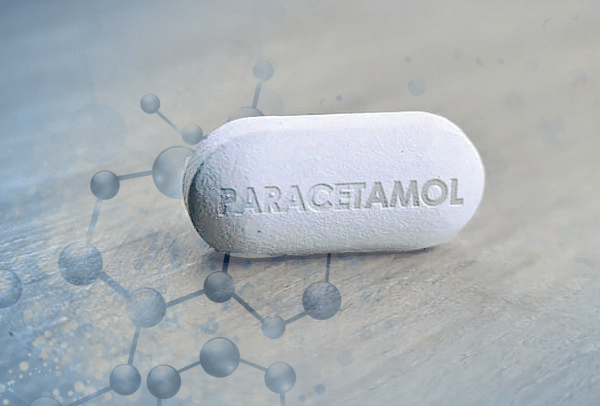
With the development of XRD detection technology, instrument miniaturization, low energy consumption, simple use, intelligent detection is becoming more and more popular, and has become the trend of instrument update.
EmailMore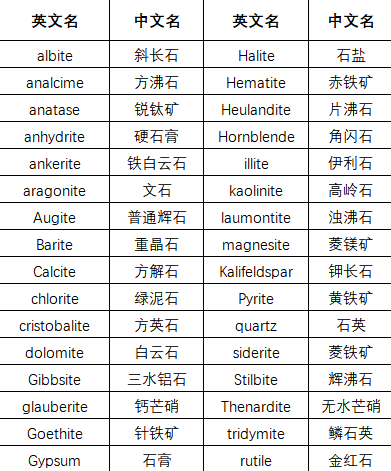
An X-ray diffractometer is an instrument used to measure residual stress inside a material. By analyzing the X-ray diffraction pattern of the material, the residual stress distribution inside the material is calculated.
EmailMore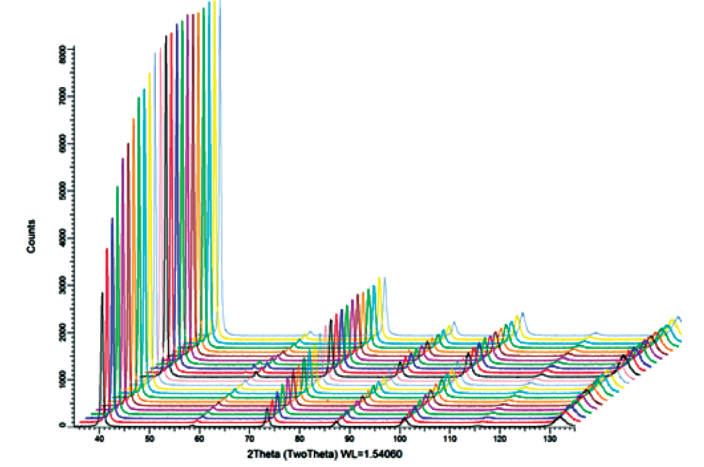
The polycrystalline phenomenon of drugs refers to the formation of different crystal states of a compound molecule in the solid state due to the different crystal arrangement and filling methods.
EmailMore
Asbestos, also known as "asbestos", refers to silicate mineral products with high tensile strength, high flexibility, resistance to chemical and thermal erosion, electrical insulation and spinnability. The three most common types are chrysotile, iron and cyanite.
EmailMore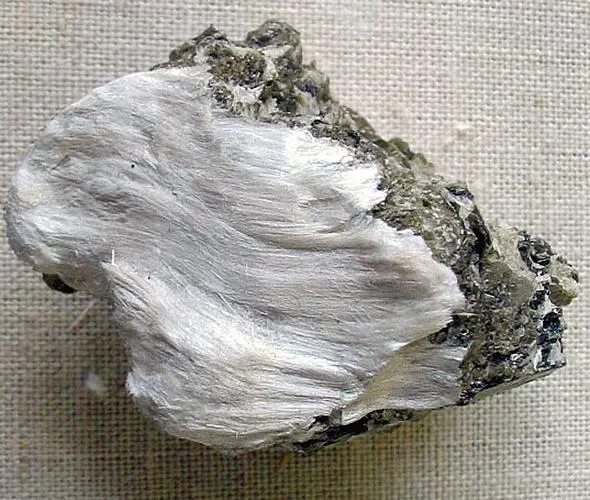
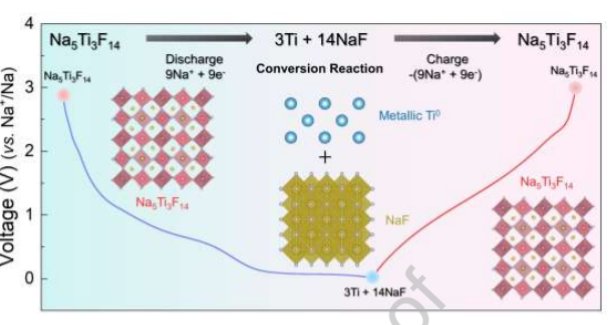
Sungkyunkwan University in South Korea has demonstrated that nano-Na5Ti3F14 / carbon nanocomposites have excellent electrochemical properties as the negative electrode of sodium-ion batteries.
EmailMore