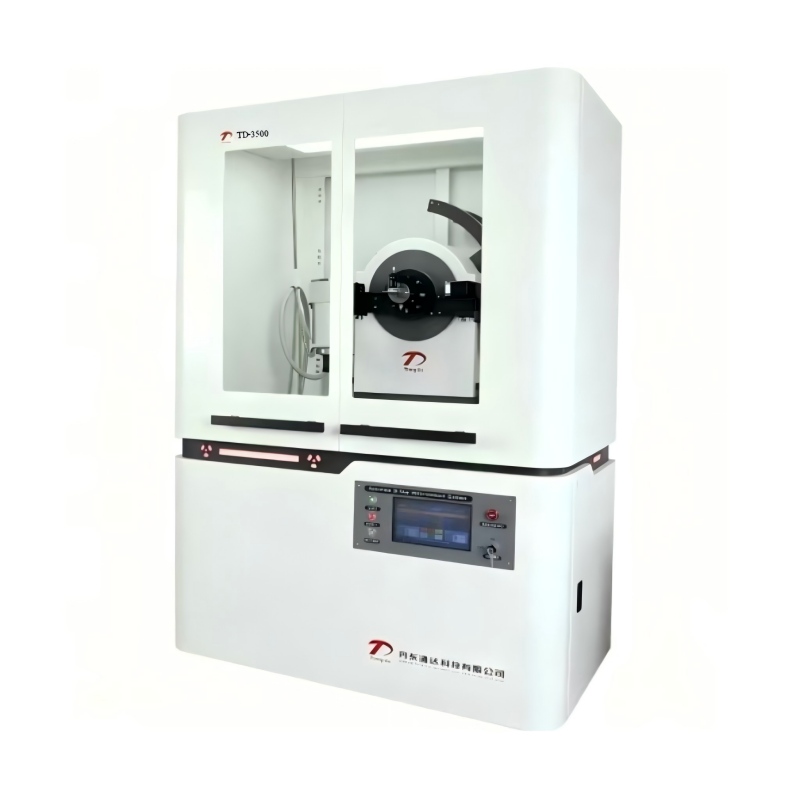
High-resolution XRD (HR-XRD) is a common method for measuring the composition and thickness of compound semiconductors such as SiGe, AlGaAs, InGaAs, etc.
EmailMore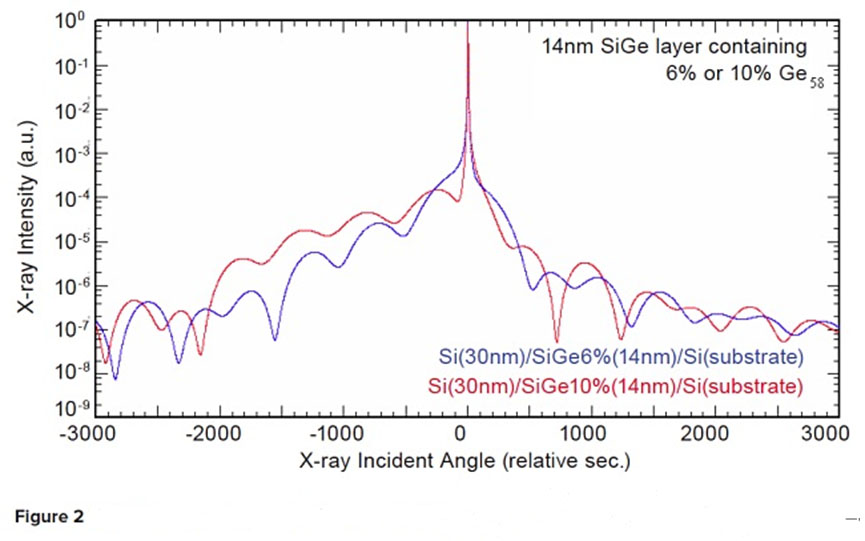
X-ray diffractometer (XRD) can be divided into X-ray powder diffractometer and X-ray single crystal diffractometer, the basic physical principle of the two is the same.
EmailMore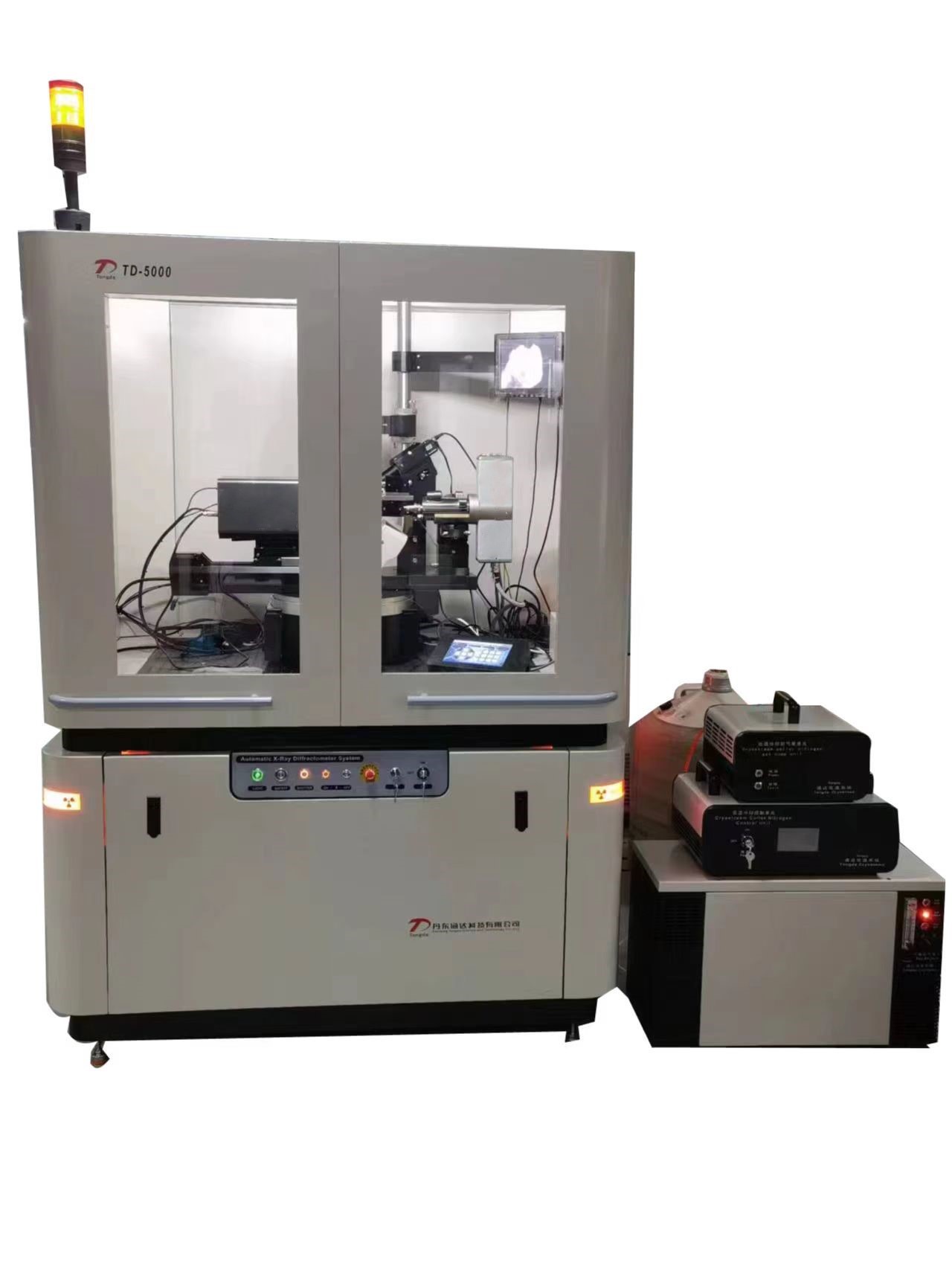
XRD is a means of research which is Diffraction by X-Ray diffraction of a material to analyze its diffraction pattern to obtain information such as the composition of the material, the structure or shape of atoms or molecules inside the material.
EmailMore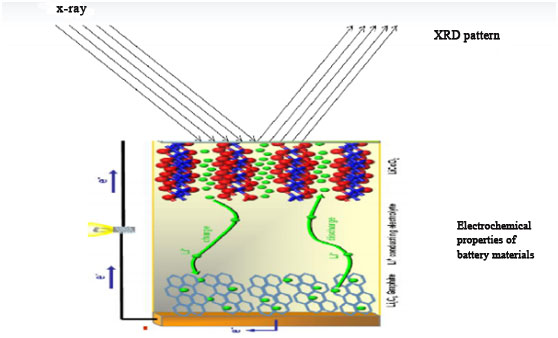
Grazing-incidence X-ray diffraction (GI-XRD) is a kind of X-ray diffraction technique, which is different from the traditional XRD experiment, mainly by changing the Angle of X-ray incidence and the orientation of the sample.
EmailMore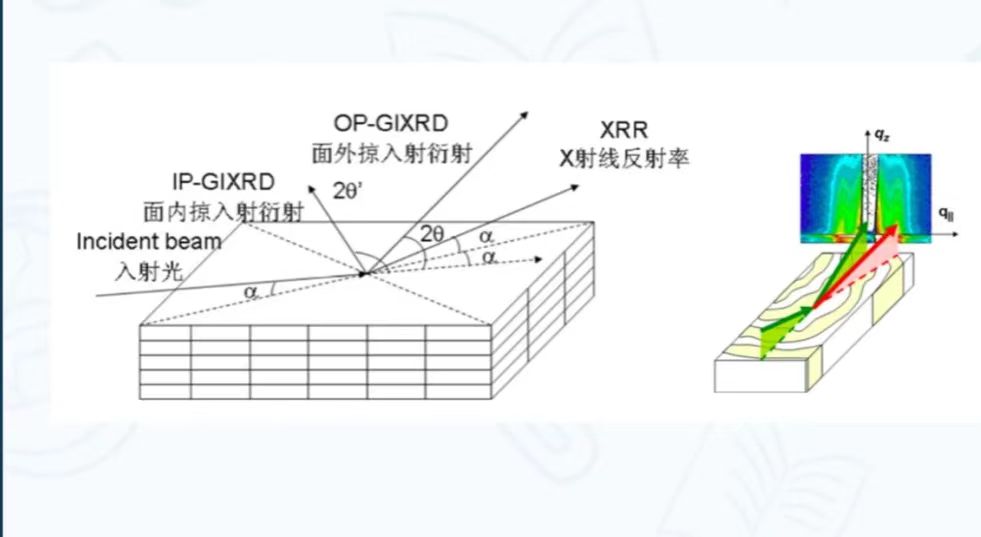
It is necessary to reduce the harmful residual stress and predict the distribution trend and value of residual stress. In this paper, the non-destructive testing method of residual stress testing is introduced.
EmailMore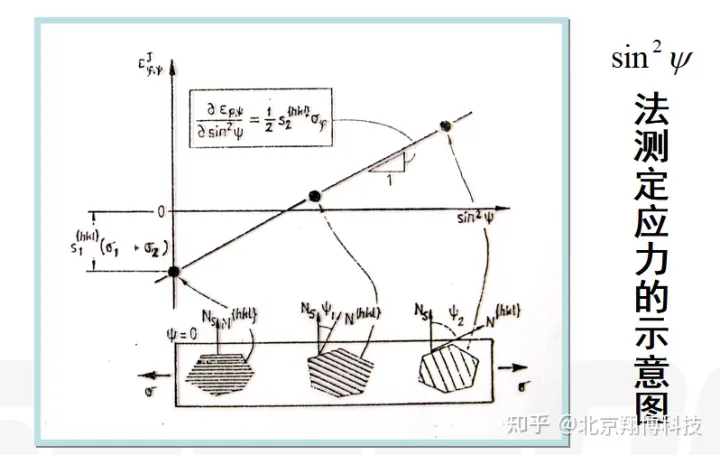
X-ray diffraction (XRD) is currently a powerful method for studying crystal structure (such as the type and location distribution of atoms or ions and their groups, cell shape and size, etc.).
EmailMore
X-ray crystallography is a technique used to determine the atomic and molecular structure of a crystal, where the crystal structure causes the incident X-ray beam to diffract into many specific directions.
EmailMore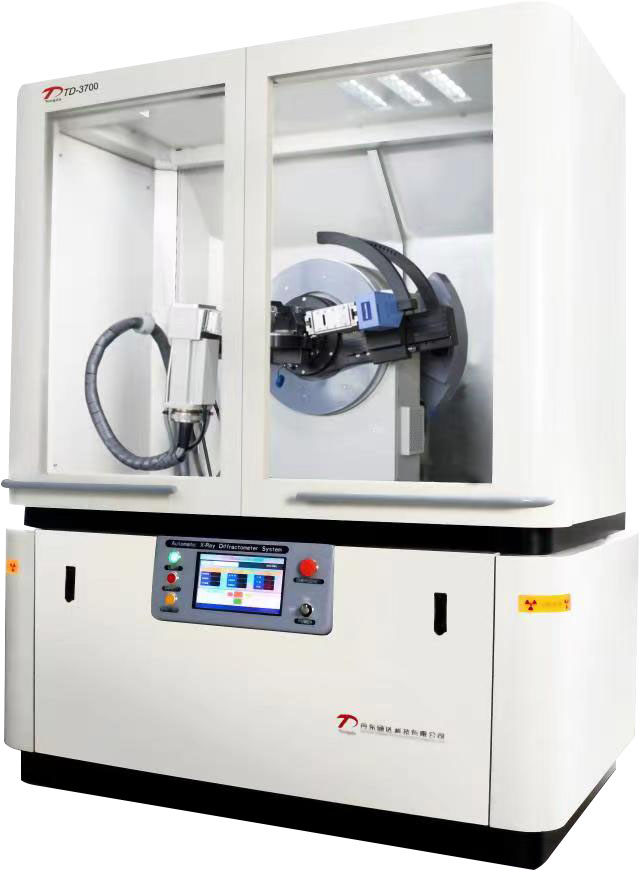
Based on Bragg's Law, in-situ X-ray diffraction (XRD) can be used to monitor the change of phase and its lattice parameters in the electrode or electrode-electrolyte interface in real time during the charge-discharge cycle of a battery.
EmailMore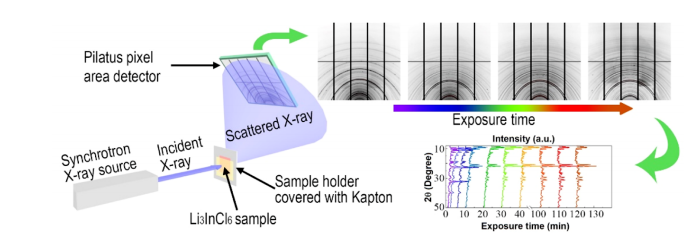
Three single point detectors are shared below: proportional counter, scintillation counter, and semiconductor solid state detector.
EmailMore