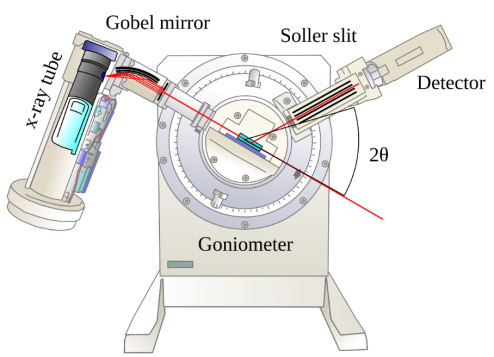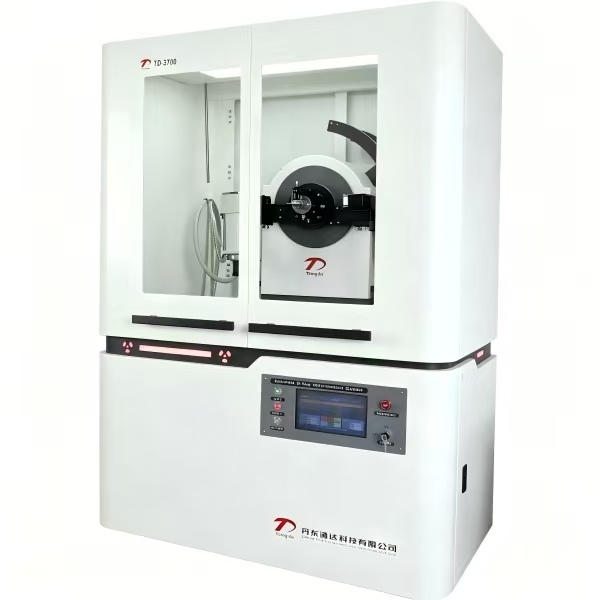



X-ray diffractometer (XRD) can be divided into X-ray powder diffractometer and X-ray single crystal diffractometer, the basic physical principle of the two is the same.
EmailMore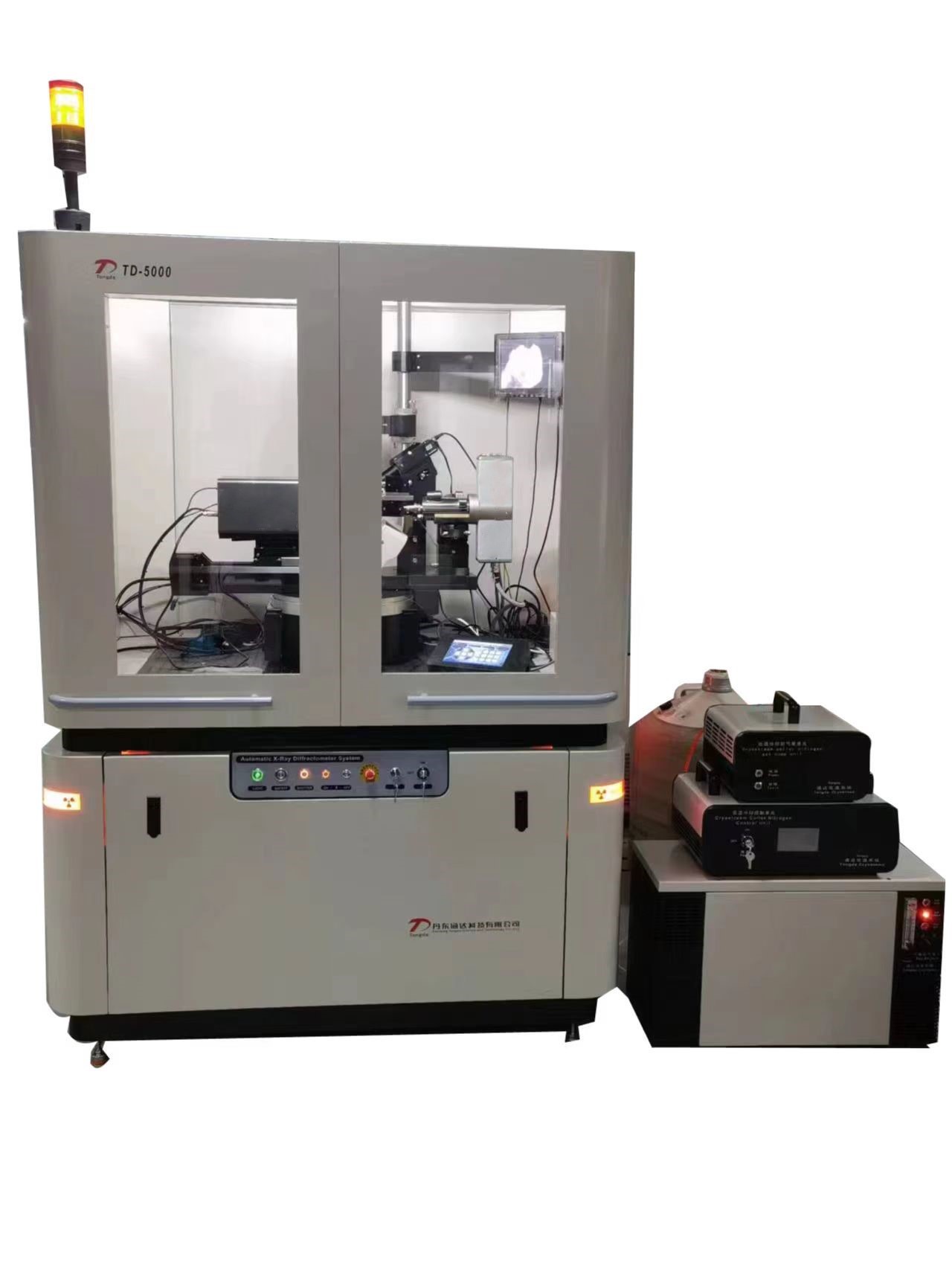
XRD is a means of research which is Diffraction by X-Ray diffraction of a material to analyze its diffraction pattern to obtain information such as the composition of the material, the structure or shape of atoms or molecules inside the material.
EmailMore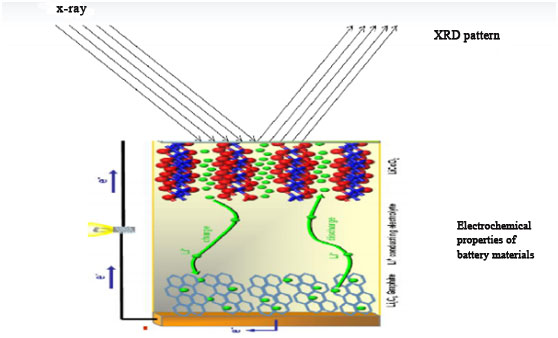
Grazing-incidence X-ray diffraction (GI-XRD) is a kind of X-ray diffraction technique, which is different from the traditional XRD experiment, mainly by changing the Angle of X-ray incidence and the orientation of the sample.
EmailMore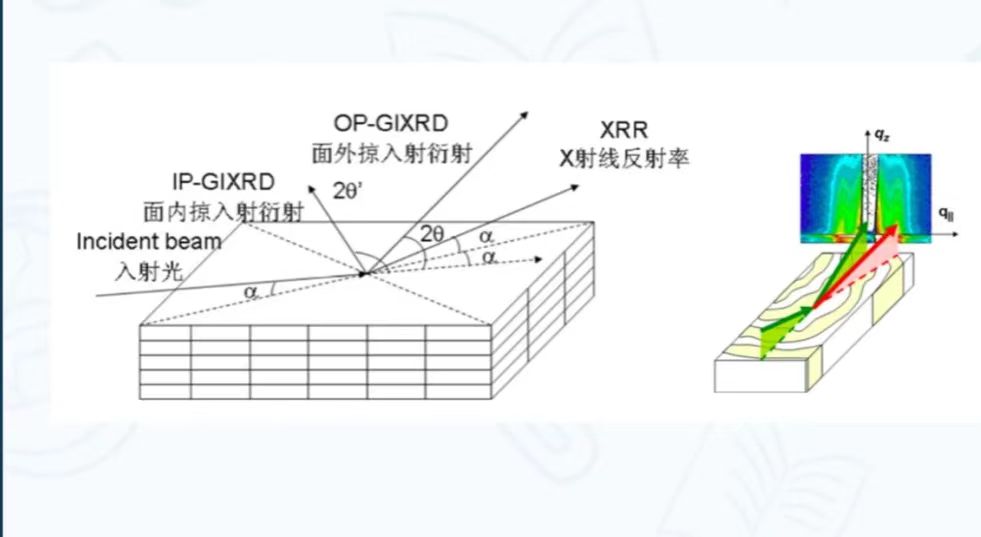
X-ray diffraction (XRD) is currently a powerful method for studying crystal structure (such as the type and location distribution of atoms or ions and their groups, cell shape and size, etc.).
EmailMore
Based on Bragg's Law, in-situ X-ray diffraction (XRD) can be used to monitor the change of phase and its lattice parameters in the electrode or electrode-electrolyte interface in real time during the charge-discharge cycle of a battery.
EmailMore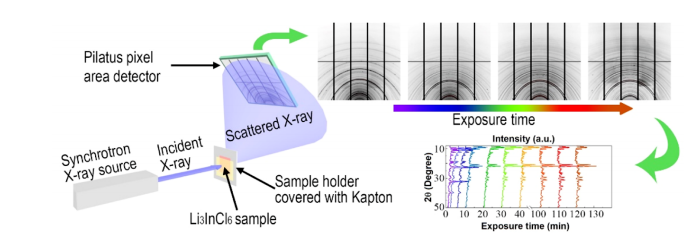
X-ray diffractometer is mainly used for phase characterization, quantitative analysis, crystal structure analysis, material structure analysis, crystal orientation analysis of powder, block or thin film samples.
EmailMore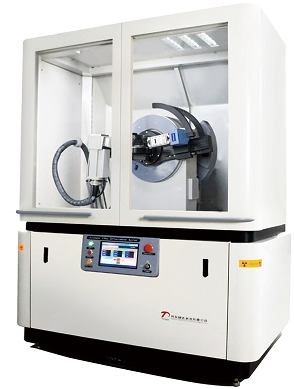
X-ray diffractometer , also known as X-ray crystal diffractometer, abbreviated XPD or XRD, is an instrument to study the internal microstructure of matter. X-ray diffractometer has the advantages of high precision, high stability and convenient operation.
EmailMore
X-Ray Diffraction (XRD) is a major method for studying the phase and crystal structure of a substance. When a substance (crystal or non-crystal) is diffraction analysis, the substance is irradiated by X-rays to produce different degrees of diffraction phenomenon, material composition, crystal type, intramolecular bonding mode, molecular configuration, conformation and other material characteristics determine the specific diffraction pattern of the substance.
EmailMore