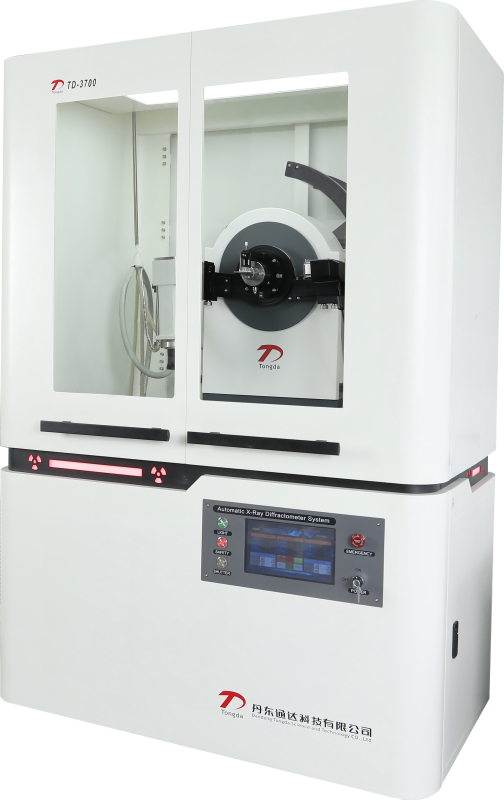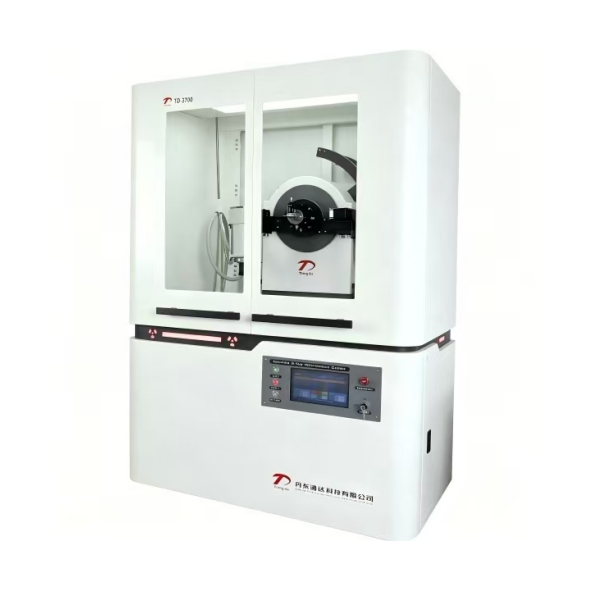
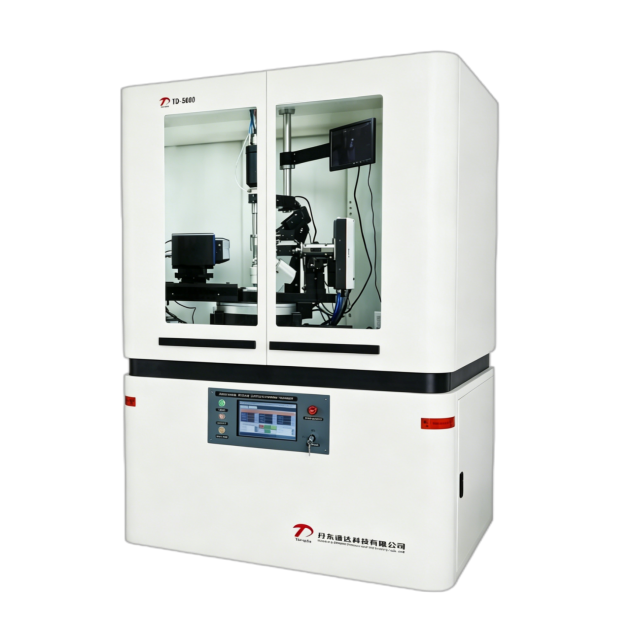
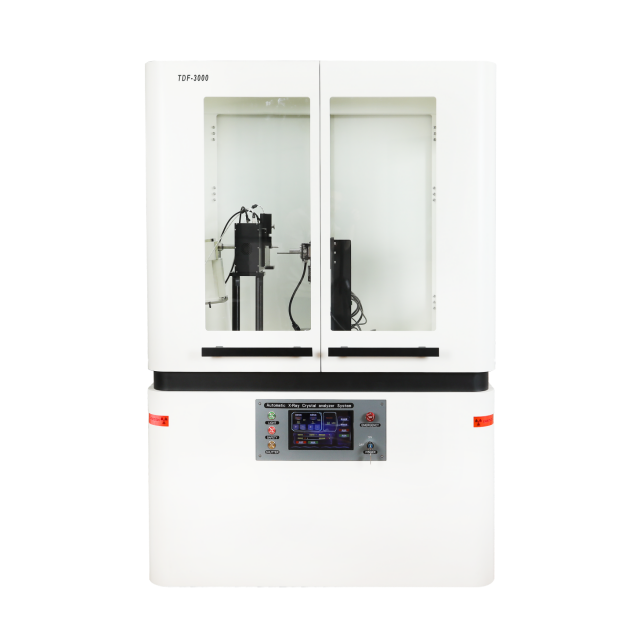
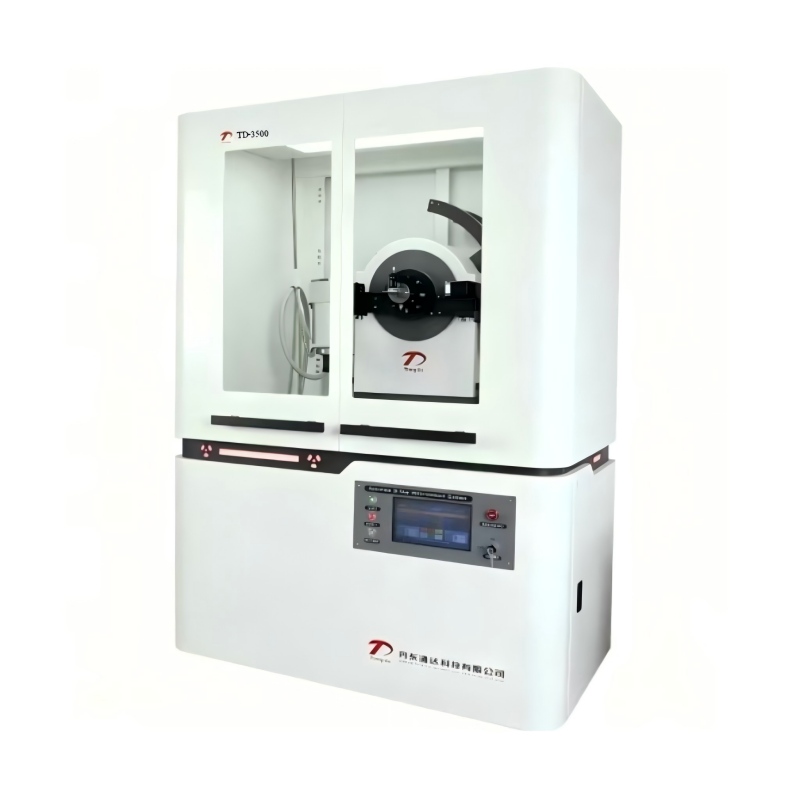
X-ray diffractometer works based on Bragg's law (2d sinθ = nλ). By scanning θ and recording diffraction peaks, it reveals crystal structure, lattice parameters, grain size, residual stress, phase composition, and more. It is a key tool for material analysis.
EmailMore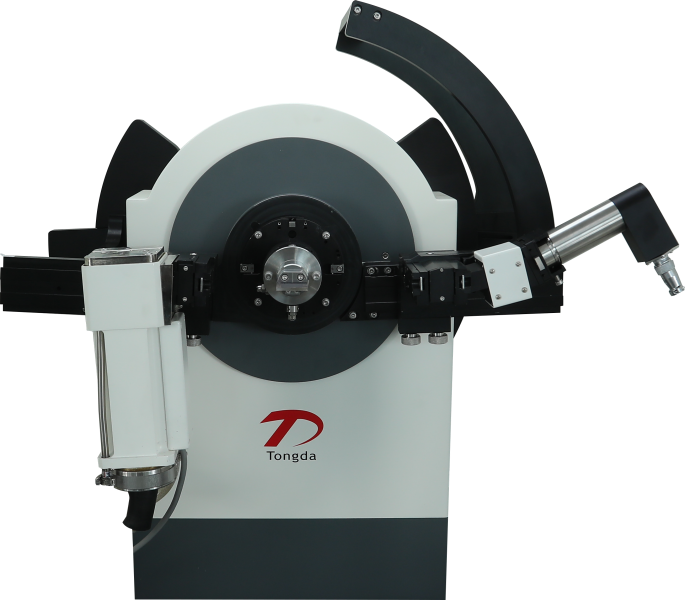
Powder diffractometers enable fast, non-destructive crystal structure analysis via X-ray scattering. They optimize alloys, battery materials, and drug formulations. Evolving automation and algorithms enhance precision, driving materials innovation.
EmailMore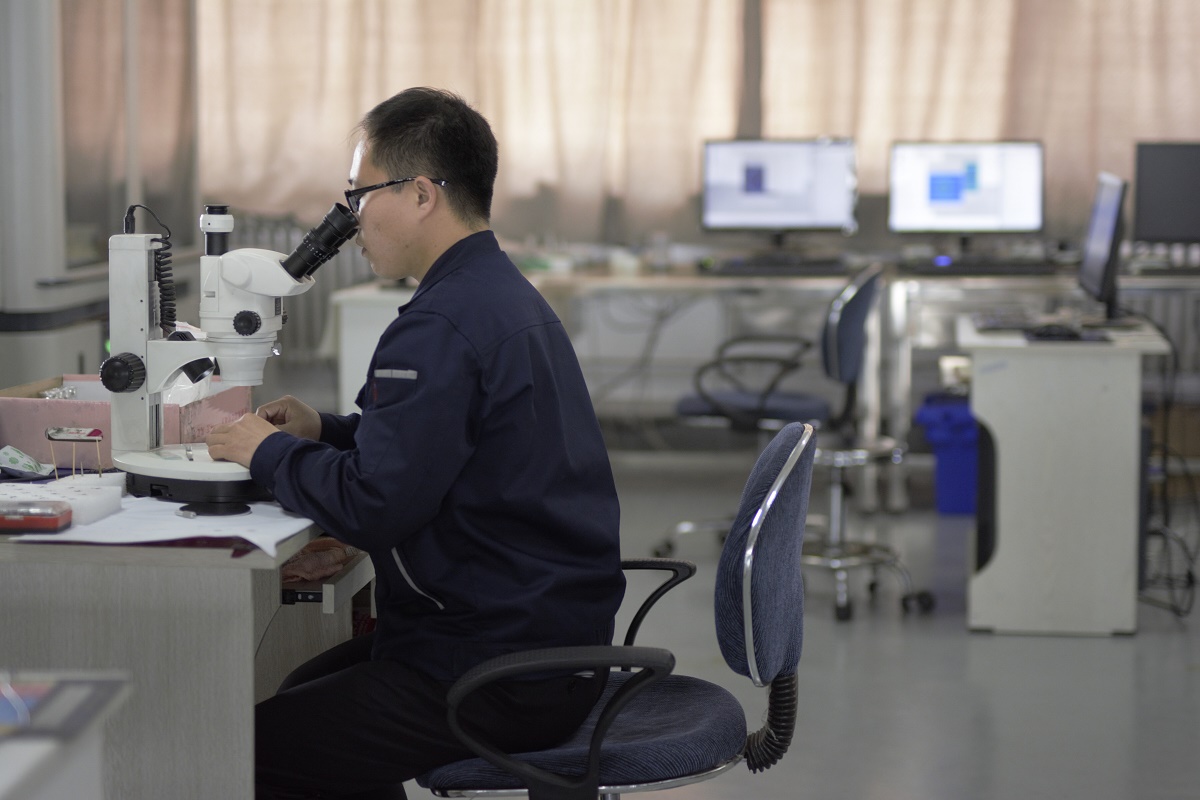
2D X-ray diffractometers face issues like uneven sample prep, calibration errors, improper setup, inaccurate data processing, lack of maintenance, environmental fluctuations, and software challenges, all of which affect result accuracy and reliability.
EmailMore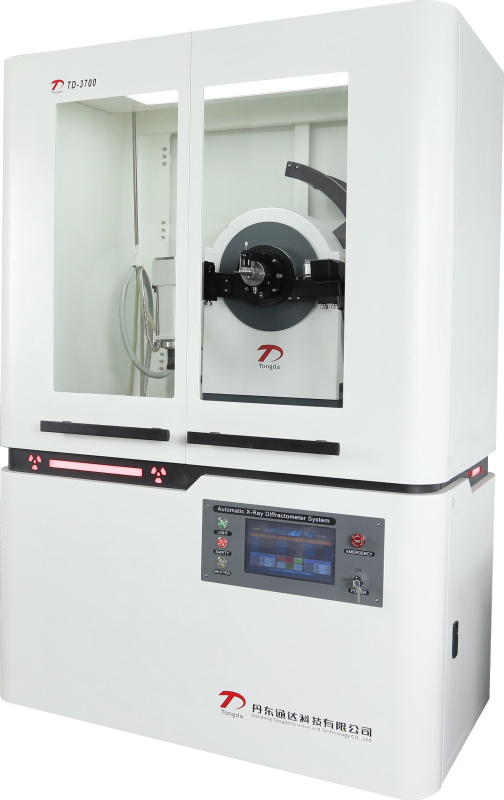
Single-crystal X-ray diffraction is essential in materials science for crystal structure analysis, phase identification, and stress analysis. It enables precise atomic-level characterization, supports rational material design, and is advancing with new technologies like synchrotron radiation and AI-assisted structure determination.
EmailMore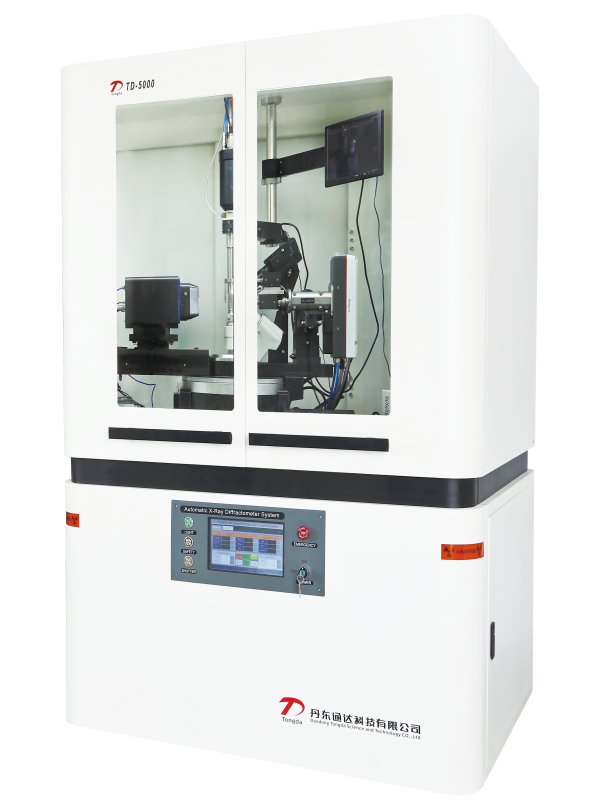
X-ray diffractometers are used in materials science, chemical analysis, on-site rapid testing (drugs/explosives), pharmaceuticals (crystal form analysis), and forensics (crystalline materials like minerals, soil, coatings). They enable crystal structure analysis, phase identification, and rapid on-site detection.
EmailMore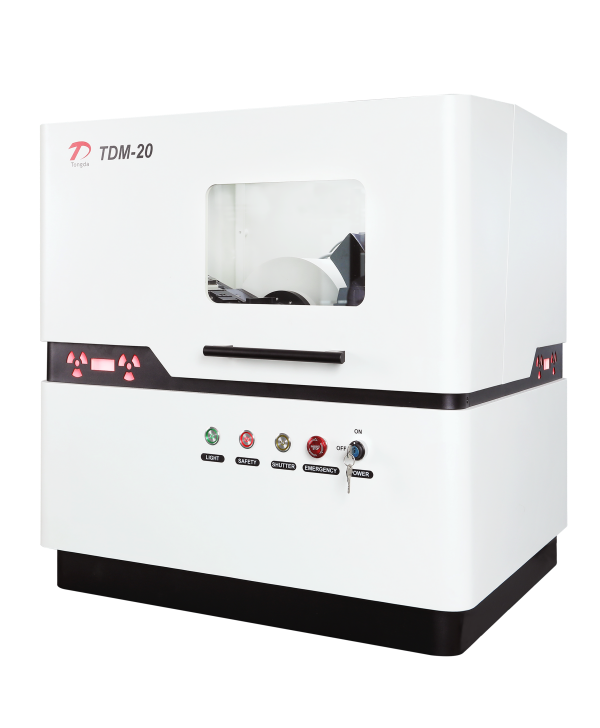
Benchtop XRD: A vital nanotechnology tool for atomic-scale analysis. It decodes crystal structure, phase composition, and grain size via diffraction patterns. Essential for understanding nano-properties, controlling synthesis, and designing composites, its enhanced resolution powers research and innovation across pharmaceuticals, energy, and electronics.
EmailMore
The TD-3700 High-Resolution X-Ray Diffractometer integrates a high-speed array detector, enhancing signal intensity by tens to hundreds of times. It enables rapid phase, stress, and structural analysis in transmission/reflection modes, supporting industries from electronics to materials research with high efficiency and accuracy.
EmailMore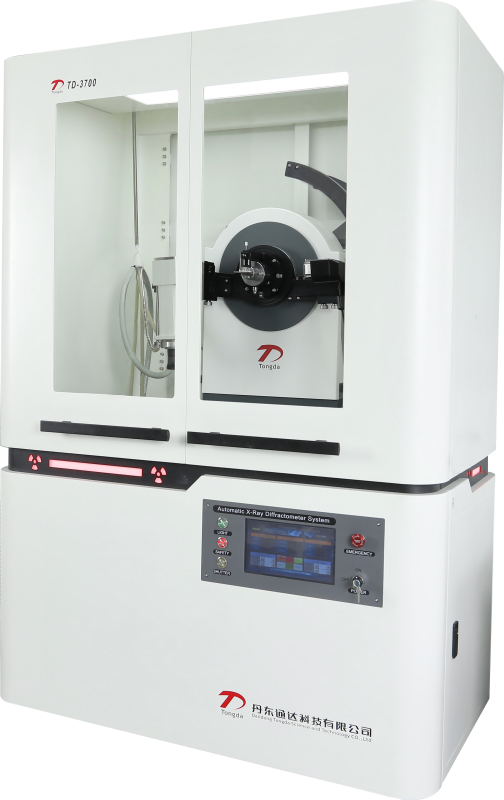
Dandong X-ray diffractometers excel with full-scenario sample compatibility, from powders to thin films. Featuring modular design and precision optics, they enable efficient powder analysis and accurate thin-film characterization using GIXRD technology. Their adaptability extends to bulk, single-crystal, and fibrous materials via accessories, supporting in-situ testing. Cost-effective and versatile, they are vital tools for R&D and quality control across industries.
EmailMore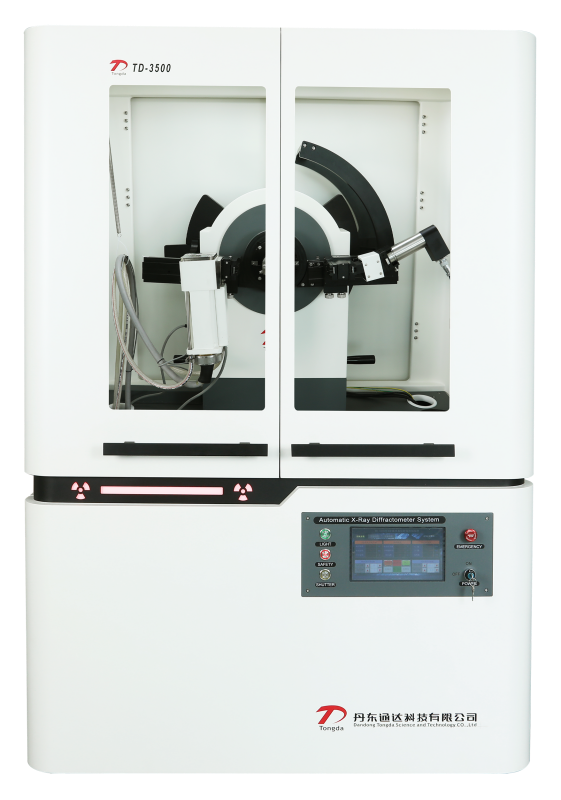
Choosing an XRD requires balancing performance (accuracy, speed), versatility (sample types), and usability with long-term value. Key factors include instrument reliability, safety, cost-effectiveness (considering both upfront price and operational costs), and strong supplier support—encompassing training, application guidance, and local service. Before purchase, also assess lab infrastructure, compare market options, and plan for future upgrades and maintenance.
EmailMore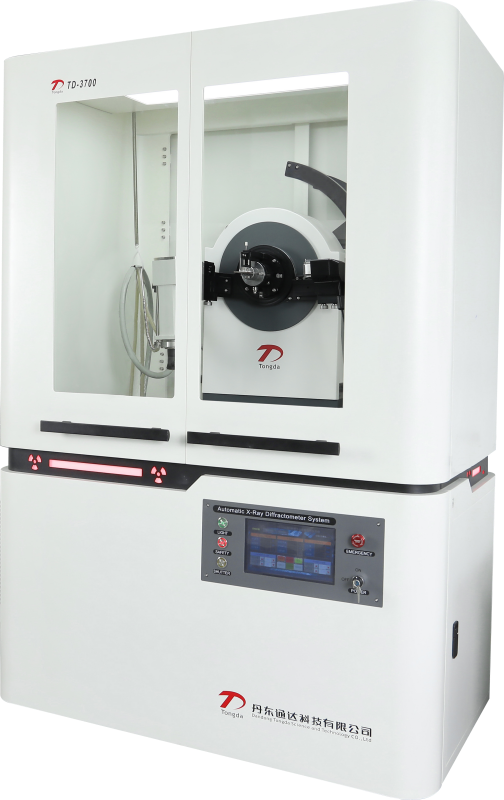
X-ray diffractometers determine material crystal structures by analyzing X-ray diffraction patterns. Essential in materials science, chemistry, and biomedicine, they enable property optimization and drug development. Evolving with high resolution and speed, they are increasingly crucial for nanotechnology and quantum materials research, supporting global scientific and industrial progress.
EmailMore