


- Home
- >
- Products
- >
- Monochromator
- >
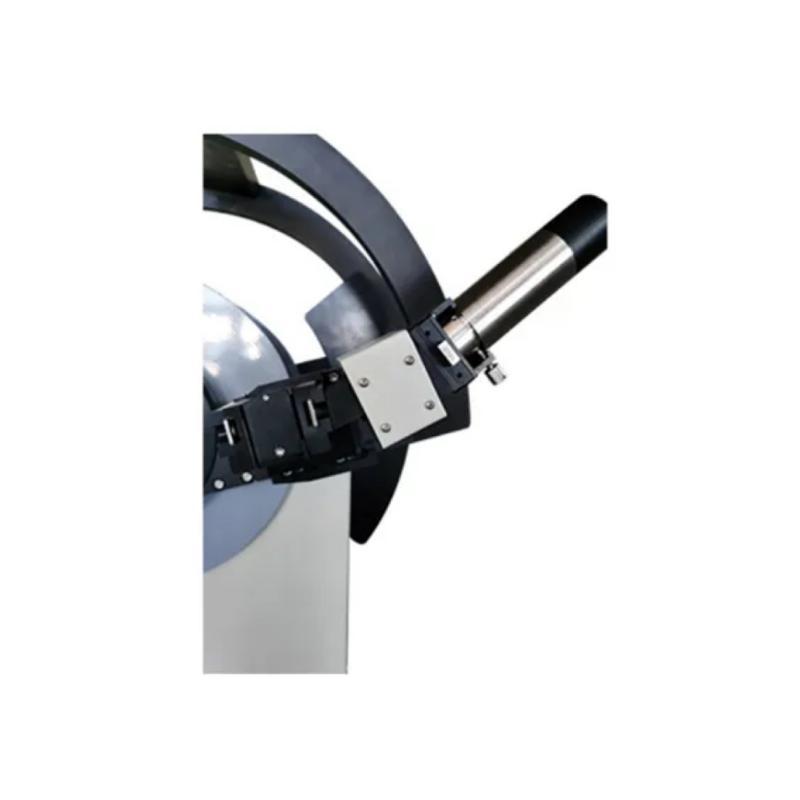

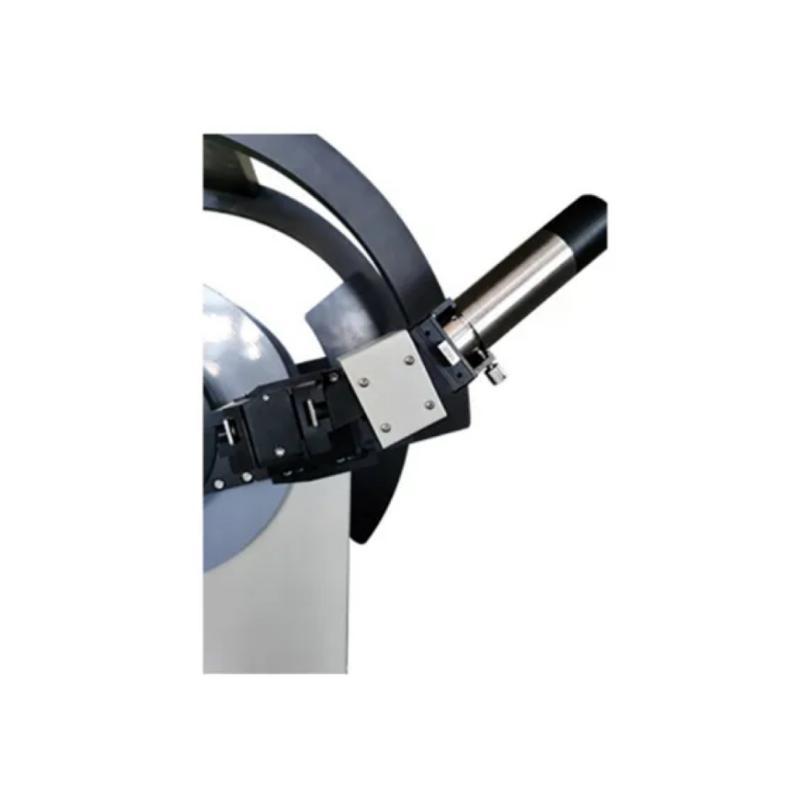
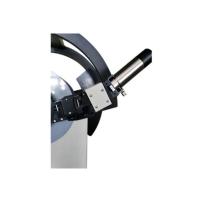
Monochromator
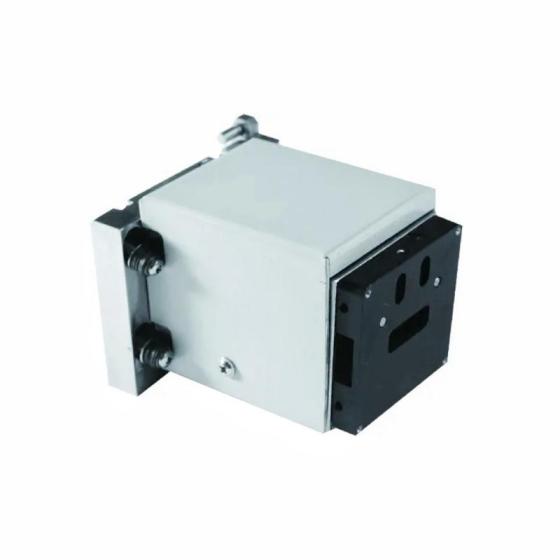
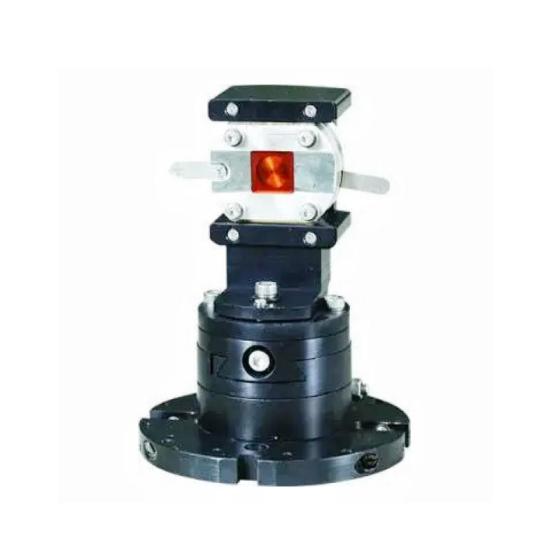
1. Graphite Bent Crystal Monochromator refers to a Monochromator used to generate monochromatic light for selective excitation.
2.Graphite Bent Crystal Monochromator has better stability and stronger reliability.
3. The detection of Graphite Bent Crystal Monochromator is more accurate.
- Tongda
- Liaoning, China
- 1—2 months
- 100 units per year
- Information
In the world of precise X-ray diffraction analysis, the purity of the signal directly determines the reliability of the results. Dandong Tongda Technology Co., Ltd., leveraging its profound R&D and production expertise in X-ray instrumentation, introduces its core optical component – the Graphite Bent Crystal Monochromator. This product is not only a testament to technological advancement but also a solid guarantee for scientific research and industrial users to achieve high-precision material analysis.
Core Function & Working Principle
Precise Filtering: Installed precisely in front of the detector, the Graphite Bent Crystal Monochromator acts as an extremely accurate "optical filter." Based on Bragg's Law and utilizing its specially curved crystal structure, it selectively allows only the Kα characteristic X-rays to pass through the incident mixed X-ray beam and focuses them precisely onto the detector.
Efficient Elimination: Through this physical process, the monochromator can almost completely eliminate continuous X-rays, Kβ characteristic X-rays, and fluorescence X-rays generated by the sample. This means the detector receives almost purely "effective" diffraction signals, resulting in a final diffraction pattern with an exceptionally high signal-to-noise ratio.
Targeted Solution: It is particularly noteworthy that this monochromator demonstrates significant advantages when used with the highly prevalent copper (Cu) target X-ray tube. For samples containing common elements like manganese, iron, cobalt, and nickel, the Cu target X-rays easily excite intense fluorescent radiation, leading to a very high background that can even overwhelm weak diffraction peaks. Using this monochromator effectively eliminates these interferences, enabling accurate analysis of such "high-fluorescence" samples and significantly expanding the instrument's application range.
Technical Advantages & Product Features
The superior performance of Dandong Tongda's Graphite Bent Crystal Monochromator stems from meticulous design and manufacturing.
High Reflectivity: The monochromator boasts a reflectivity of 35% or higher. This means it performs the monochromatizing filtration while maximizing the retention of Kα ray intensity, avoiding excessive signal loss and ensuring detection sensitivity.
Precise Mosaic Spread Control: The mosaic spread of the crystal is precisely controlled within 0.55°. This parameter directly affects the monochromator's resolution and the shape of the diffraction peaks. A smaller mosaic spread ensures sharp, clear diffraction peaks, facilitating subsequent accurate analysis.
3D Point-to-Point Focusing Design: The curved crystal structure efficiently focuses the divergent X-ray beam, achieving point-to-point transmission in three dimensions. This design not only offers a large capture angle for collecting more signals but also provides the advantages of long focal length and high radiation intensity gain, ultimately delivering excellent performance with an ultra-low background.
Adjustable Crystal Surface: The crystal surface features a ±2° tilt adjustment function, allowing users to fine-tune for optimal diffraction conditions and signal intensity based on experimental needs.
Wide Range of Applications
This high-performance Graphite Bent Crystal Monochromator is a "force multiplier" in various analytical fields:
Qualitative & Quantitative Phase Analysis: In identifying unknown phases, high signal-to-noise ratio patterns clearly reveal all weak diffraction peaks, preventing missed detections.
Crystal Structure Refinement: Pure signals are fundamental for obtaining accurate lattice parameters, atomic positions, and other information during crystal structure refinement.
Residual Stress Measurement: Minute peak position shifts directly correspond to stress values; low background and high resolution ensure the accuracy of stress measurements.
Thin Film & Texture Analysis: For weak-signal thin film samples or texture analysis, the monochromator effectively improves the signal-to-noise ratio, yielding higher-quality data.
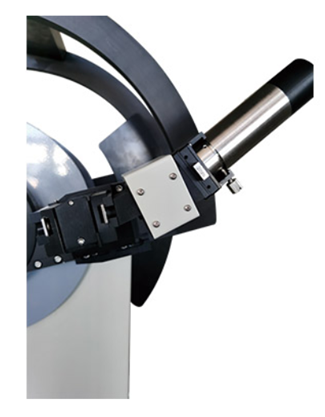
Specification parameters of Monochromator:
| Crystal type | graphite curved crystal or flat crystal (selected according to the purpose of analysis). |
| Reflection efficiency | η ≥ 35% |