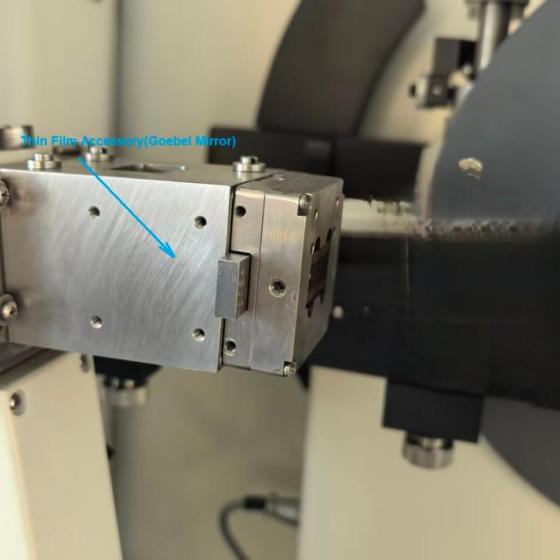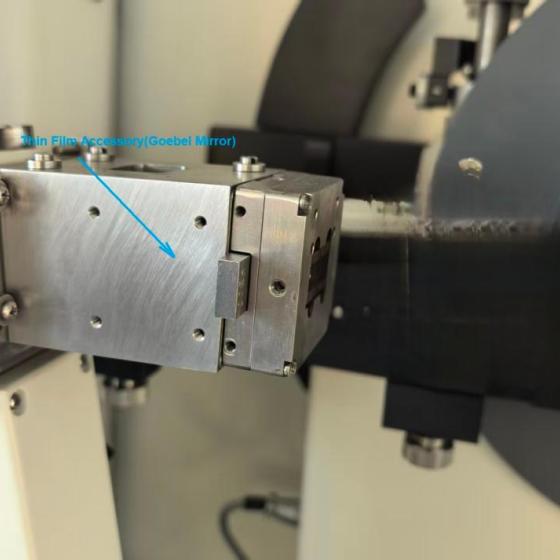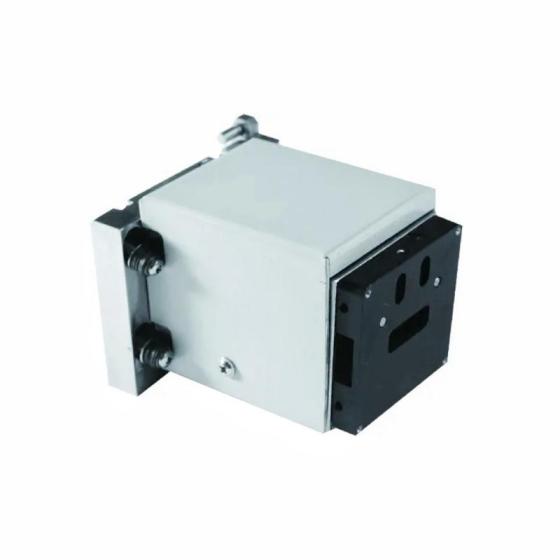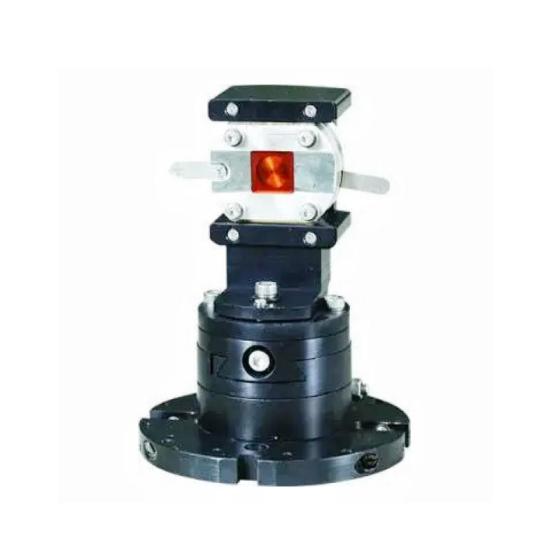



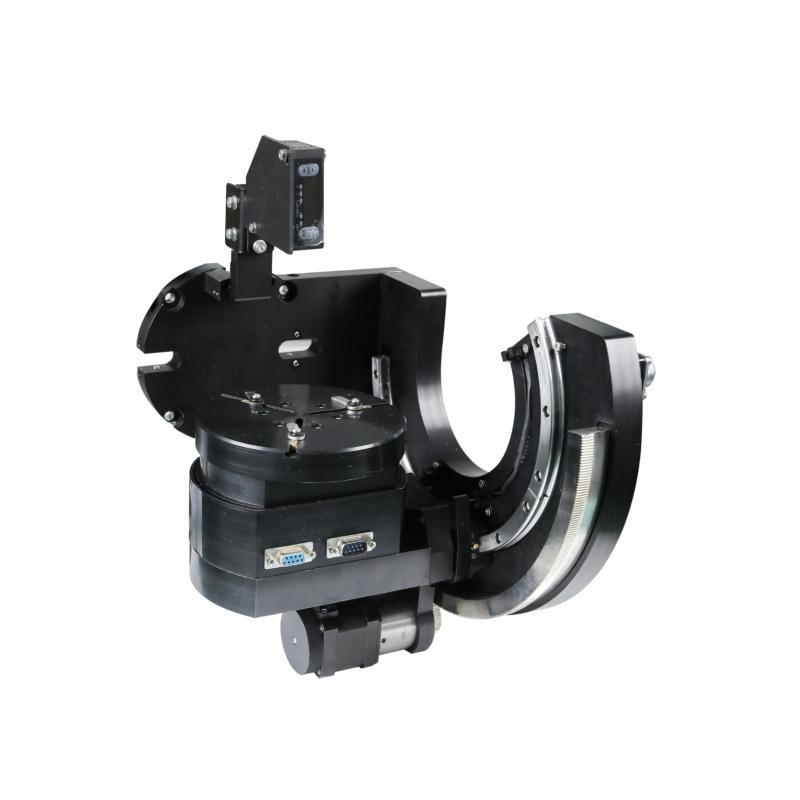
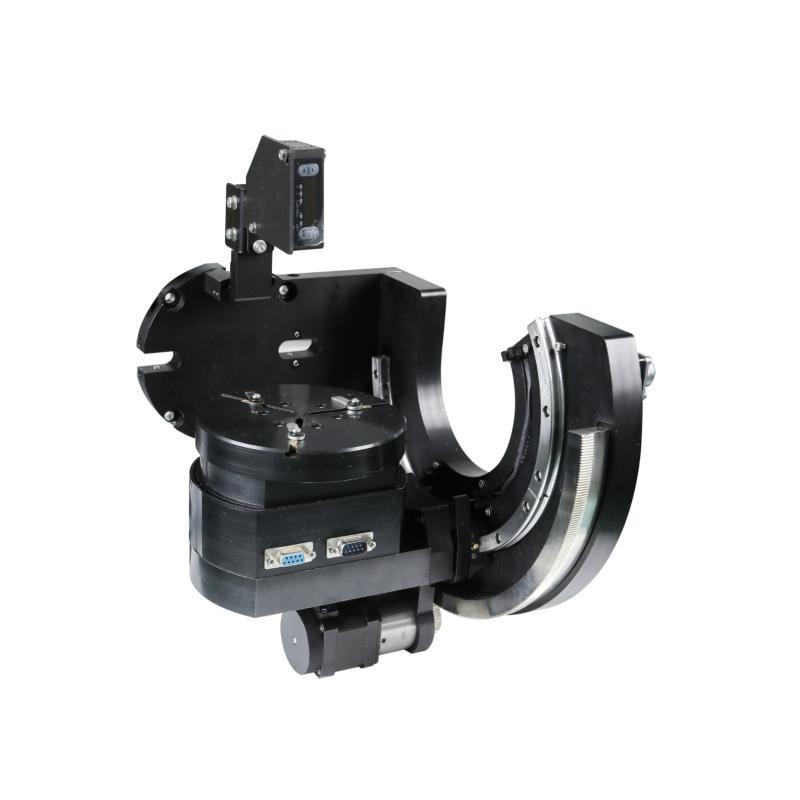
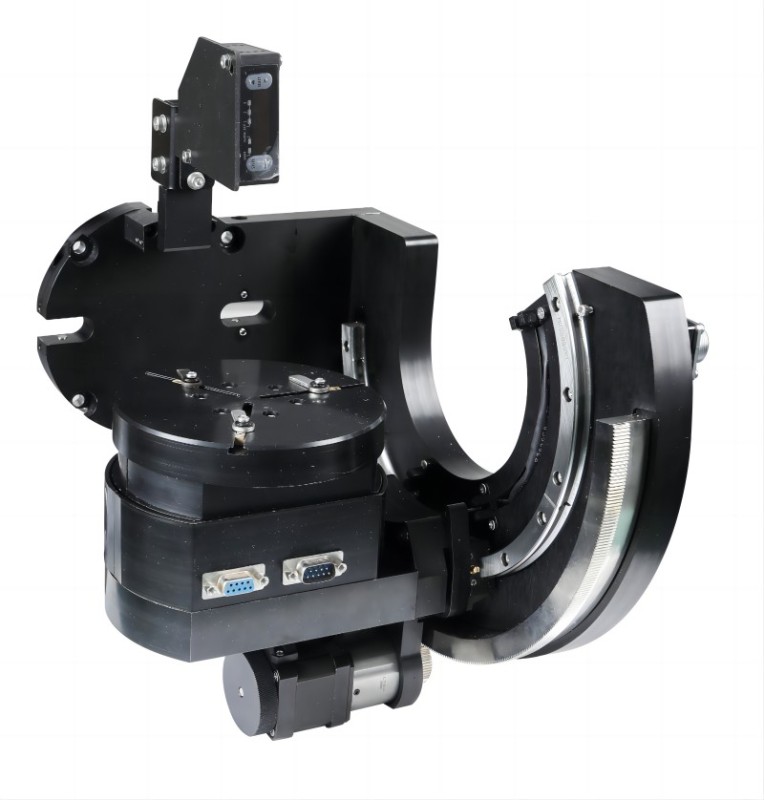
Multifunctional Integrated Measuring Accessories
Polarographic testing using transmission or reflection Stress testing can be performed using the tilt method or the same tilt method. Thin film testing (in-plane rotation of the sample)
- Tongda
- Liaoning, China
- 1—2 months
- 100 units per year
- Information
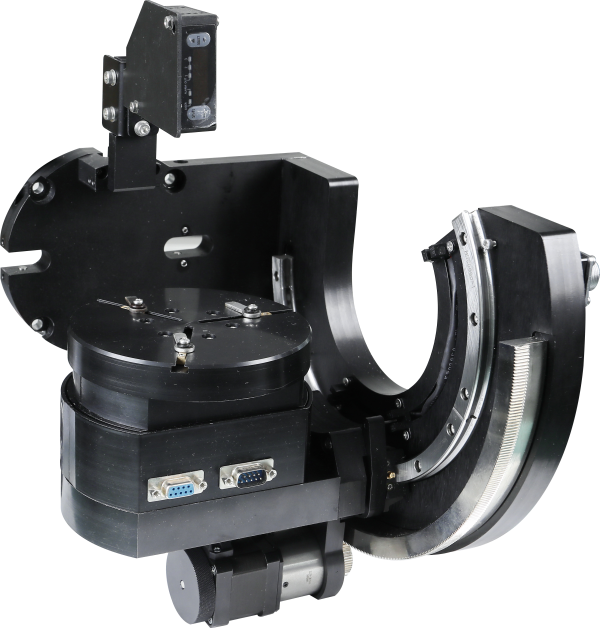
Multifunctional Integrated Measuring Accessories, developed by Dandong Tongda Technology Co., Ltd., is a high-precision, integrated module specifically designed for wide-angle goniometers. It enables comprehensive analysis of thin films on plates, bulk materials, and substrates through multi-axis linkage and intelligent control, allowing for precise determination of key parameters including phase identification, orientation distribution, texture evolution, residual stress fields, and thin-film in-plane structure.
Core Technical Principles and Functional Features of the Multifunctional Integrated Measuring Accessories
Dual-Mode Pole Figure Testing (Transmission & Reflection)
The Transmission method is suitable for transparent or thin-layer samples (e.g., polymer films, optical coatings). It detects diffraction signals penetrating the sample to obtain 3D orientation information of internal grains.
The Reflection method targets highly absorptive or opaque samples (e.g., rolled metal sheets, ceramic substrates). It analyzes crystal plane orientation via surface diffraction signals. The combination of both methods enables the construction of full-space pole figures, allowing for precise quantification of texture types (e.g., fiber texture, sheet texture).
Stress Testing via Psi (Side-Inclination) & Omega (Coupled) Methods
The Omega method (coupled scan) maintains symmetric alignment of the detector and X-ray source, making it suitable for surface stress analysis.
The Psi method (side-inclination) involves tilting the sample to separate stress gradients from lattice distortions. It is particularly applicable for the in-depth analysis of stress distribution in gradient materials or multilayer films.
By combining data from both methods, macroscopic residual stresses (e.g., those introduced by machining or heat treatment) can be calculated, providing an evaluation basis for wear resistance and anti-fatigue properties.
Thin-Film In-Plane Structure Analysis
Utilizes continuous β-axis (in-plane rotation) scanning from 0° to 360° to map grain orientations within the film plane.
This function is specifically designed for lattice matching studies in epitaxial thin films and two-dimensional materials, enabling analysis of heterojunction interface orientation relationships and defect density.
Precision Mechanical Positioning System
Multifunctional Integrated Measuring Accessories's multi-axis motion system employs high-precision encoders and closed-loop control to ensure data repeatability and accuracy:
α-axis (Tilt): Dynamic range: -45° to 90°, Minimum step size: 0.001°. Supports measurements from grazing incidence to high-angle diffraction.
β-axis (In-plane Rotation): 360° continuous rotation, Step size: 0.001°. Enables dead-angle-free orientation scanning of the sample.
Z-axis (Vertical Lift): Travel range: 0-10mm, Minimum step size: 0.001mm. Accommodates samples of varying thickness (from thin nano-coatings to thick bulk alloys).
Sample Compatibility: Supports samples up to Φ100mm in size with adjustable height, accommodating diverse forms from silicon wafers to custom workpieces.
Areas of Application of the Multifunctional Integrated Measuring Accessories
Evaluation of crystallographic texture (preferred orientation) in rolled metal sheets and other metallic materials;
Analysis of crystal orientation in ceramics;
Assessment of preferred crystal orientation in thin film samples;
Residual stress testing in various metallic and ceramic materials (evaluation of properties such as wear resistance, machinability, etc.);
Residual stress measurement in multilayer films (evaluation of film delamination, etc.);
Analysis of surface oxide or nitride layers on high-temperature superconducting material thin films, metal plates, etc.;
Characterization of multilayer coatings on glass, silicon (Si), or metal substrates (e.g., magnetic thin films, surface-hardened metal coatings);
Analysis of plated/coated materials on polymers, paper, lenses, and other substrates.
https://www.tongdaxrd.com/news/into-dandong-tongda-technology-co-ltd