
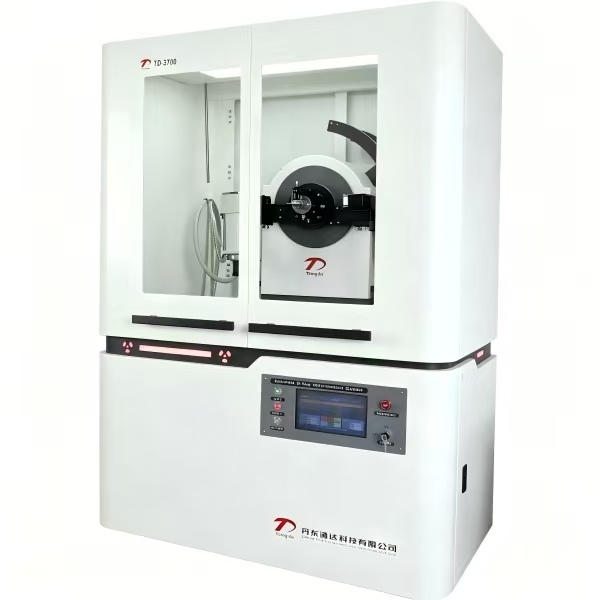
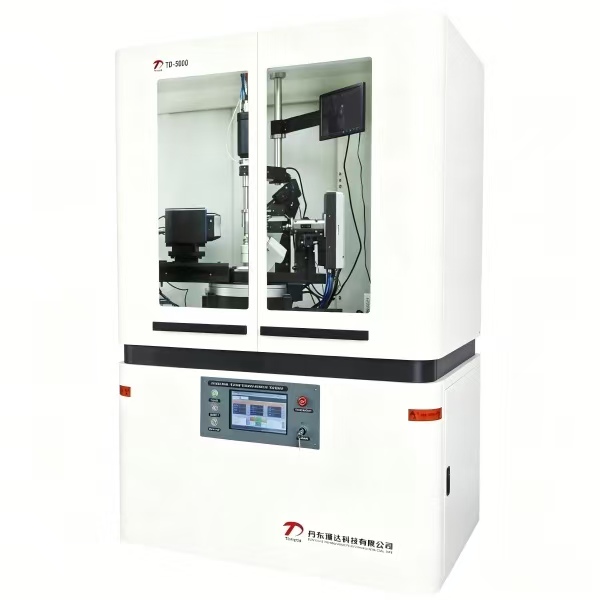
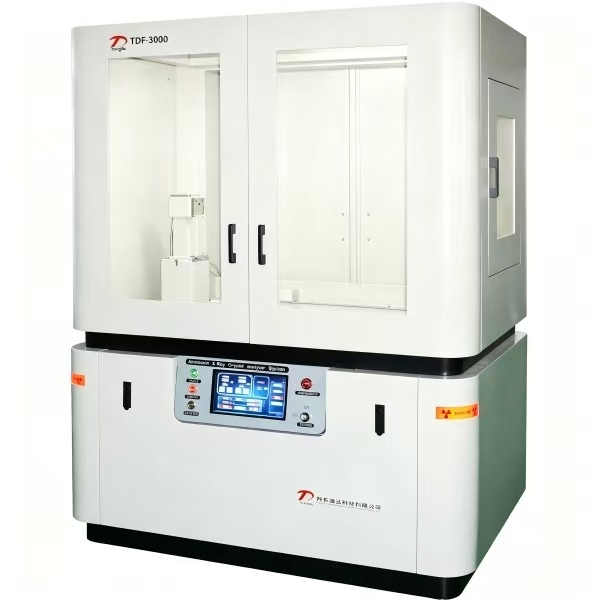
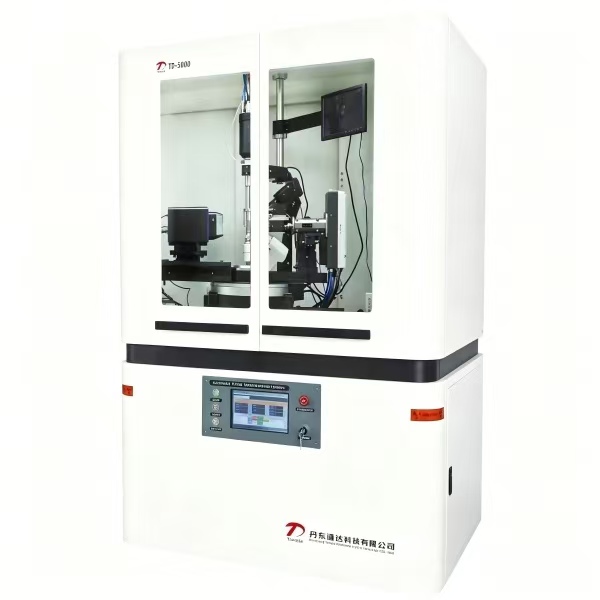
XRDcan measure bulk and powder samples, with different requirements for sample size and properties.
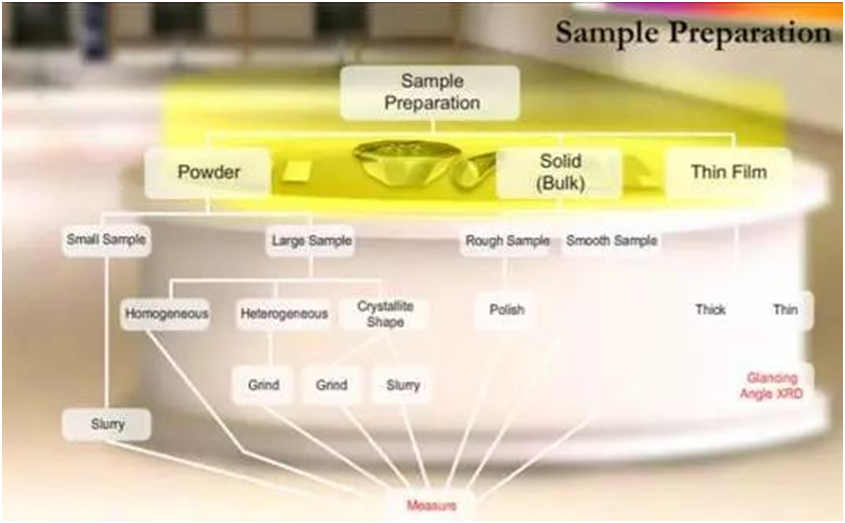
一、Requirements and preparation of powder samples
1.Requirements for particle size:
When conducting X-ray powder diffraction analysis on powder samples, the appropriate grain size should be within the order of 320 mesh size (about 40um), which can avoid broadening of diffraction lines and obtain good diffraction lines.
2.Preparation of sample specimen plane:
During X-ray diffraction, although the sample plane does not coincide with the diffractometer axis and the focusing circle is tangent, it can cause complex changes in the broadening, displacement, and intensity of the diffraction rays. However, in practical experiments, when accurate measurement of intensity is required, the first consideration is generally to avoid the generation of preferred orientation rather than flatness.
3.Measures to avoid prioritization:
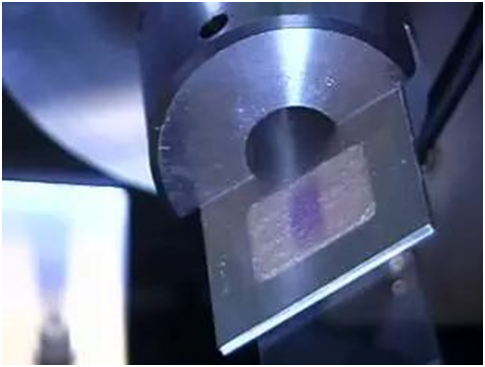
(1) Make the sample powder as fine as possible. When loading the sample, sieve it in with a sieve. First, use a small spatula to chop it tightly and press it as gently as possible.
(2) Sifting the sample powder onto an inclined plane with adhesive usually reduces preferred orientation, but the resulting sample surface is relatively rough.
(3) By adding isotropic substances and mixing them evenly with the sample, the mixture can also serve as an internal standard.
(4) For metal samples with very small grains, the use of deformation methods to make the samples into flat plates often leads to preferred orientation textures, and appropriate annealing treatment needs to be considered.
4.Preparation of powder samples
Grinding (spheroidal graphite) and sieving:
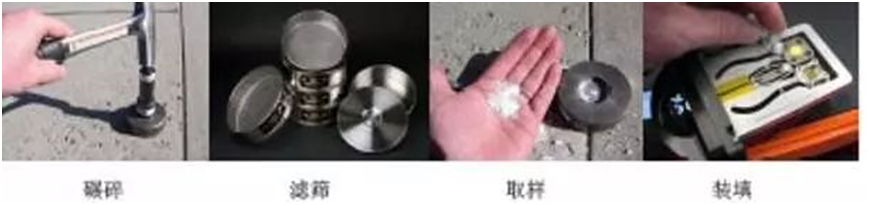
Solid particles are ground using a mortar (ball mill). Generally, the powder is continuously ground to<360 mesh, and there is no particle sensation when touched, indicating that the grain size meets the requirements.
Smear method:
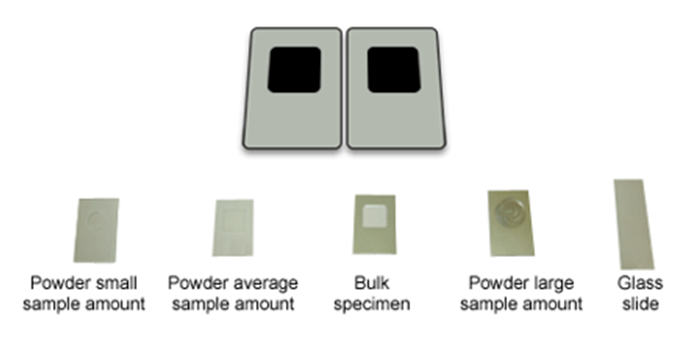
Spread the powder onto a piece of approximately 25 in size × thirty-five × On a 1mm3 microscope slide, add sufficient acetone or alcohol to make the powder a thin layer of slurry and evenly spread it. The amount of powder only needs to form a single particle layer thickness. After the acetone evaporates, the powder adheres to the glass slide and can be used by the diffractometer. If the sample specimen needs to be permanently stored, a thin drop of adhesive can be added.
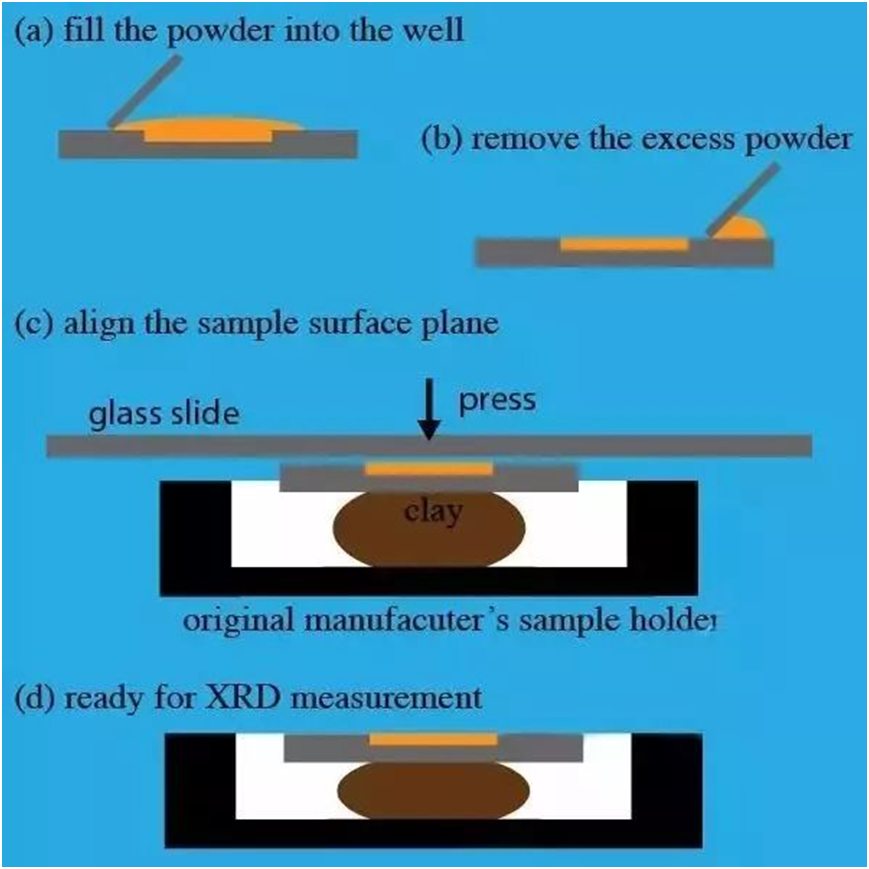
Tablet pressing method:
Sprinkle the sample powder as evenly as possible into the window of the sample preparation frame, then gently chop it tightly with the blade of a small spatula to spread the powder evenly and pile it up in the window hole. Then, use a small spatula to gently compress the powder, and finally use a safety blade to remove the excess protruding powder. Then, carefully lift the sample preparation frame from the glass surface to obtain a very flat surface of the sample powder.