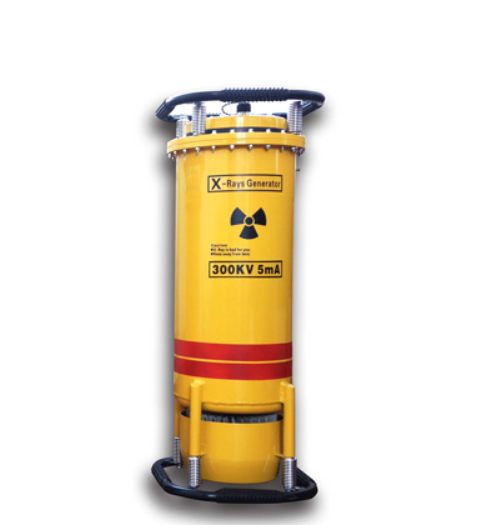

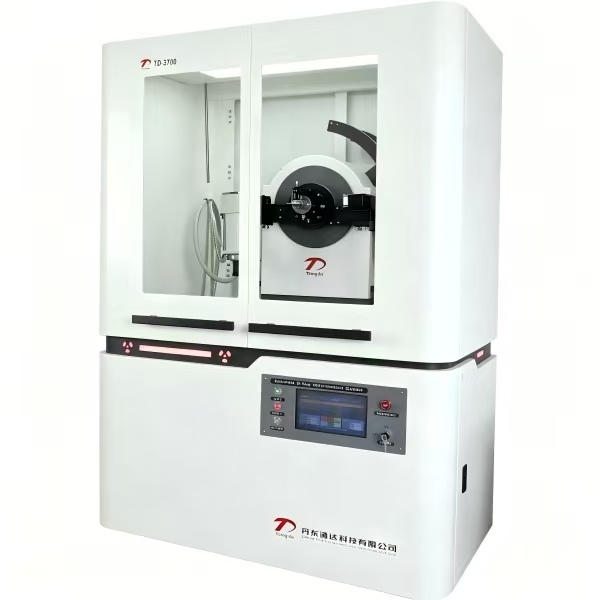
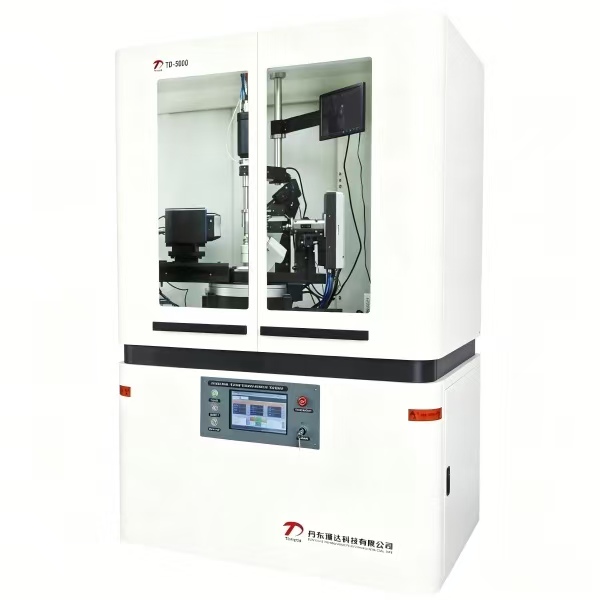
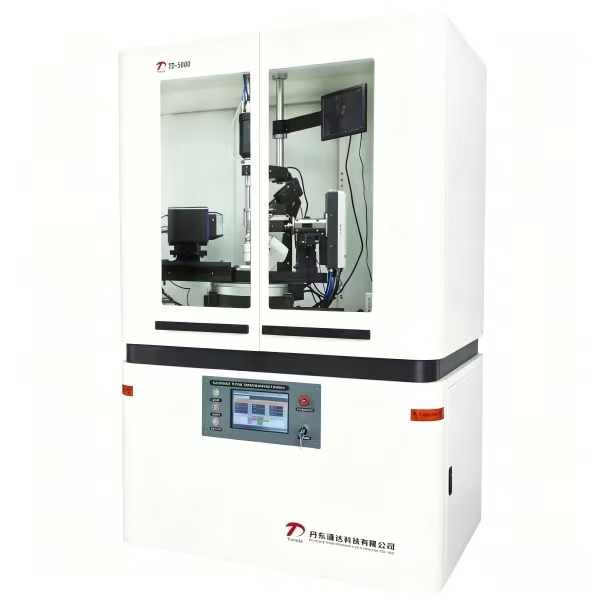
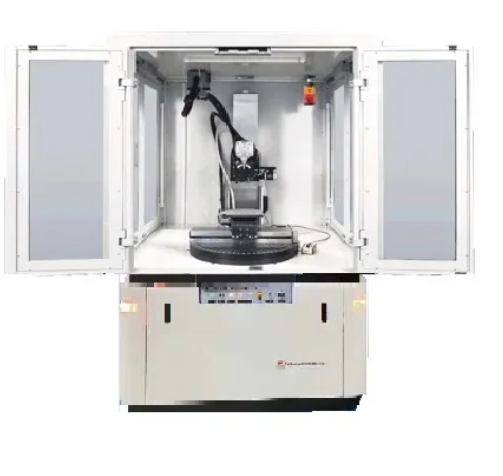
X-ray non-destructive testing equipment combines a compact design with user-friendly operation. The X-ray generator features anode grounding technology and an efficient forced fan cooling system, ensuring stability and reliability during continuous operation. Lightweight and portable, non-destructive testing equipment is simple and intuitive to operate. Its strict 1:1 work-rest cycle and delayed exposure function work together to create a robust safety barrier, effectively safeguarding operator health. Additionally, the aesthetically pleasing industrial design and rational structural layout provide an exceptional user experience.
Core Application Fields
With outstanding performance, non-destructive testing equipment is widely used in critical industrial sectors such as defense and military, shipbuilding, petroleum and chemical industries, machinery manufacturing, aerospace, and construction. It is specifically designed for precision inspection of metal structures, component processing, and welding quality in ship hulls, pipelines, high-pressure vessels, boilers, aircraft, vehicles, and bridges, effectively identifying internal defects. It also enables non-destructive evaluation of the intrinsic quality of various non-metallic materials, including lightweight metals, rubber, and ceramics.
Non-Destructive Testing Technology Explained
Non-destructive testing (NDT)is a scientific method that detects and evaluates internal defects or inhomogeneities in objects based on the acoustic, optical, magnetic, and electrical properties of materials, without compromising their future usability. This technology can accurately locate defects and provide key information such as size, nature, location, and quantity.
Compared to traditional destructive testing, NDT offers three significant advantages:
Non-Destructiveness: The testing process causes no damage to the performance or structure of the tested object.
Comprehensiveness: Due to its non-destructive nature, it allows for 100% full inspection of critical workpieces or products, which is unachievable with destructive testing.
Full-Process Applicability: This technology is applicable not only to raw material inspection but also extends through every intermediate step of the manufacturing process, enabling quality assessment of final products and even regular monitoring and safety evaluation of in-service equipment.
Application Scope
non-destructive testing equipment and its supporting technologies are primarily used for the following quality inspections:
Weld Surface Inspection: Precisely checks for process defects such as cracks, lack of penetration, and weld leakage on weld surfaces.
Product Condition Inspection: Identifies various surface flaws, including cracks, peeling, scratches, dents, protrusions, spots, and corrosion.
Internal Cavity Inspection: Conducts specialized inspections of the internal condition of complex products such as turbine pumps and engines after operation, in accordance with technical specifications.
Assembly Quality Verification: When necessary, inspects the accuracy and completeness of component assembly to ensure compliance with design drawings and technical requirements, identifying any assembly defects.
Foreign Object Control: Strictly checks for residual machining chips, dust, or other foreign objects in product cavities, ensuring internal cleanliness.