

Products

Featured products

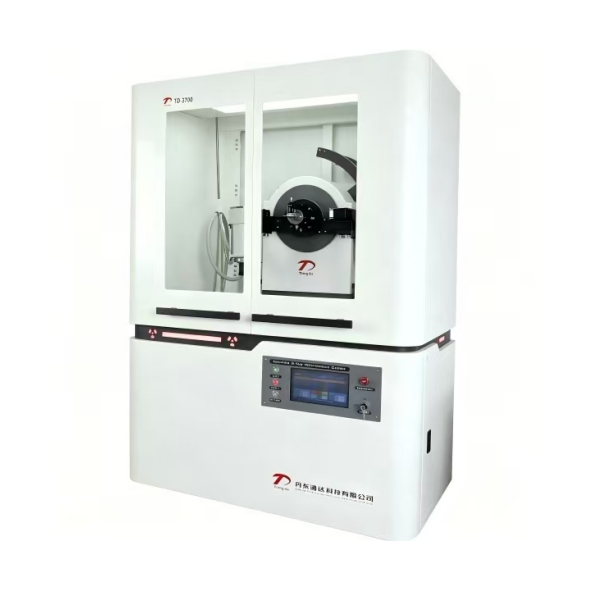
  • Diffractometer
    Diffractometer
    1. The accuracy of Diffractometer is high. 2. The application range of Diffractometer is wide. 3. Diffractometer is easy to operate, convenient and efficient.
    More
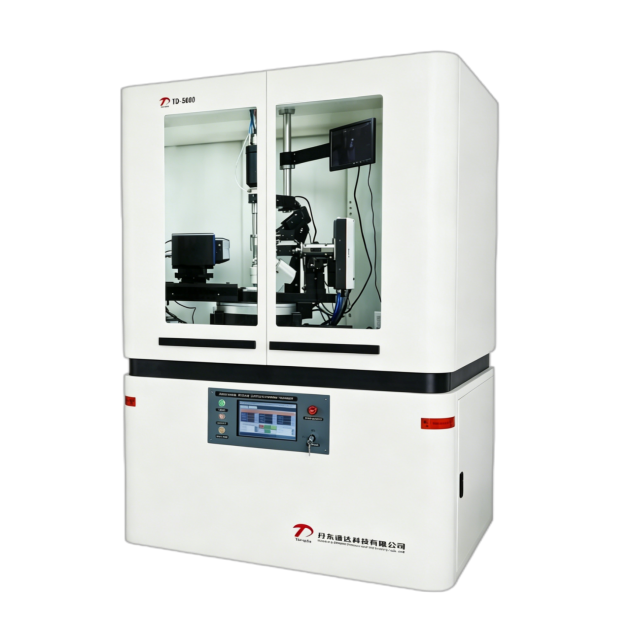
  • Single Crystal XRD
    Single Crystal XRD
    1.The single crystal machine adopts PLC control technology. 2.Modular design, accessories plug and play. 3.Electronic lead door interlocking equipment with double protection. 4.Single crystal X-ray tube: a variety of targets can be selected, such as Cu, Mo,etc. 5. Single crystal adopts four-circle concentric technology to ensure that the center of no goniometer remains unchanged.
    More
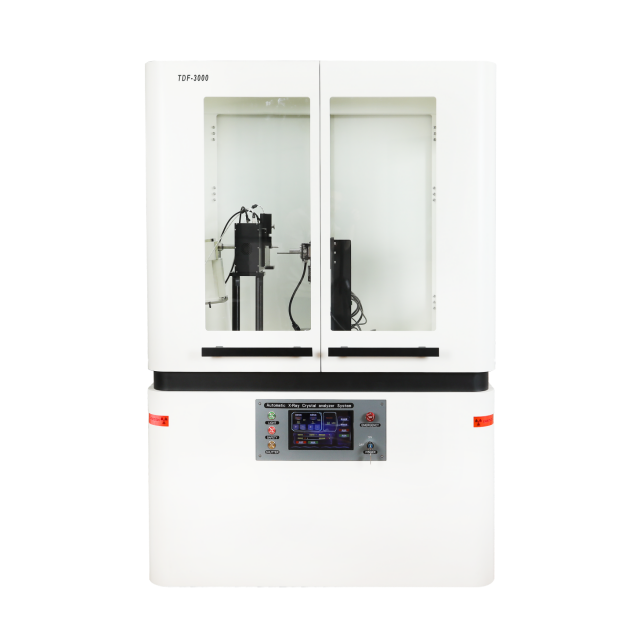
  • Series X-ray Crystal Analyzer
    Series X-ray Crystal Analyzer
    1. X-ray instrument is easy to operate and fast to detect. 2. X-ray instrument is accurate and reliable, with excellent performance. 3. X-ray instrument has various functional accessories to meet the needs of different testing purposes.
    More
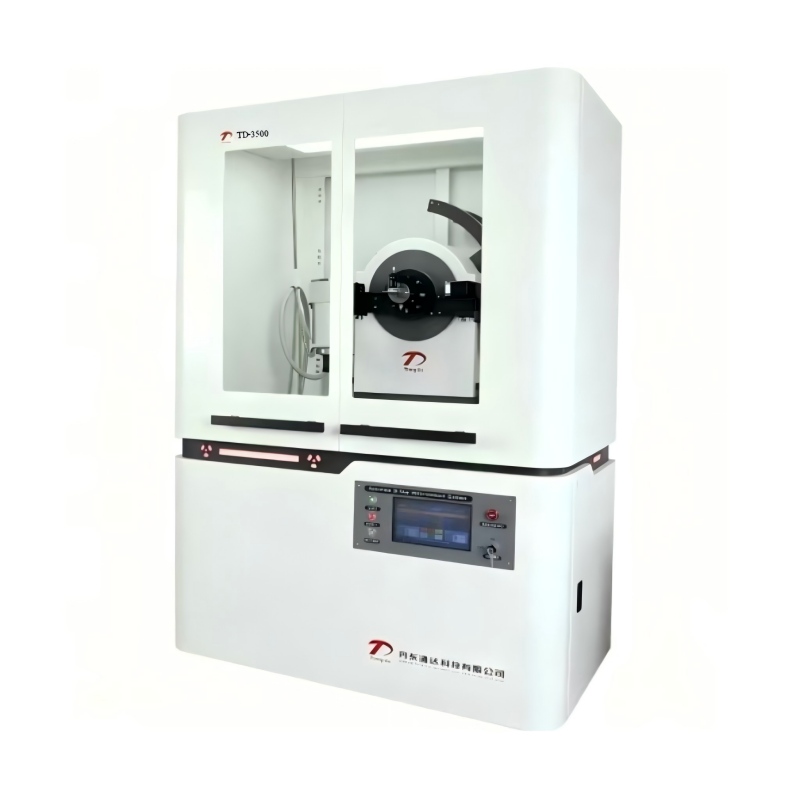
  • Powder Diffractometer
    Powder Diffractometer
    1. Detector type: Array detector or SDD detector; 2. PLC automatic control calculus, Integration mode conversion, PLC automatically performs PHA, dead time correction 3.Sample measurement type: powder sample, liquid samples, melt-state samples, viscous samples, loose powders, bulk solid samples 4.Available with a variety of diffractometer accessories 5.Maximum output powder: 3kW
    More

Contact us

Introduction to XRD applications - Data quality

2024-01-08

As one of the important means of material structure characterization, XRD is widely used in materials, physics, chemistry, medicine and other fields. In order to obtain accurate analysis results, or explore more structural information, the quality of x-ray diffraction data is the foundation, but also a key part of the analysis of XRD patterns. 
X-ray diffraction

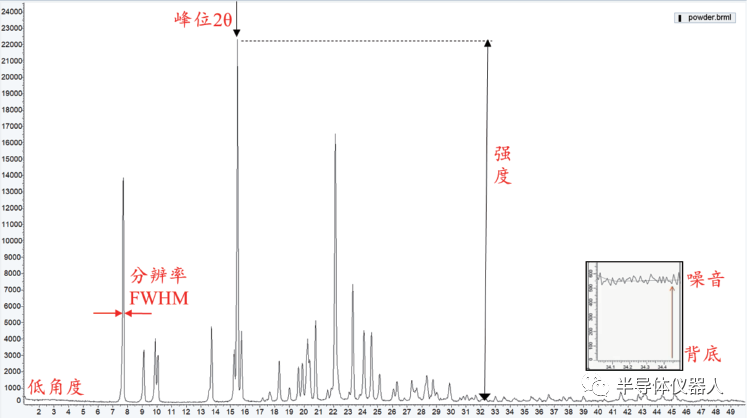
                                               Fig1. Composition of XRD pattern

x-ray diffraction pattern components and corresponding physical parameters:

1. Peak position: (1) Accurate. (2)Space group. (3)Cell parameters.

2. Peak strength: (1) High strength. (2) Crystal structure. (3) Quantitative analysis.

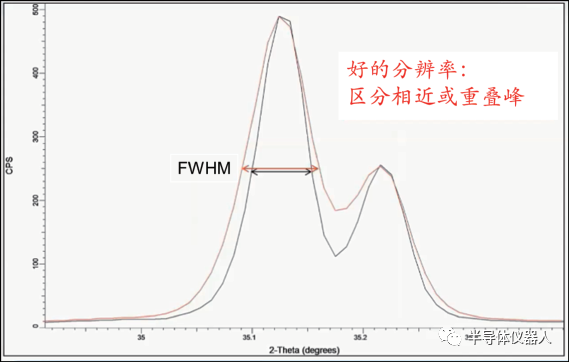
3. Peak shape: (1)FWHM is small and peak shape is symmetrical (Fig 2). (2) Instrument broadening. (3)Sample microstructure.

4. Back and bottom: (1) Low back and bottom, gentle low Angle, high peak-to-back ratio, high signal-to-noise ratio. (2)Weak peak detection limit (Fig3). (3) Amorphous diffuse peak, "crystallinity".
XRD

                                   Fig2 XRD patterns with different resolutions

Crystal structure

                      Fig3 Peak-to-back ratio and signal-to-noise ratio have weak peaks

X-ray diffraction data quality and test efficiency

1.High quality data acquisition is often inversely proportional to test efficiency and is very time consuming. Fine instrument debugging, reasonable hardware selection and long testing time.

2.Not every application requires very high data quality. Appropriate hardware and measurement conditions should be selected according to different application needs to obtain corresponding data quality and improve test efficiency.


Get the latest price? We will reply as soon as possible (within 12 hours)

top