

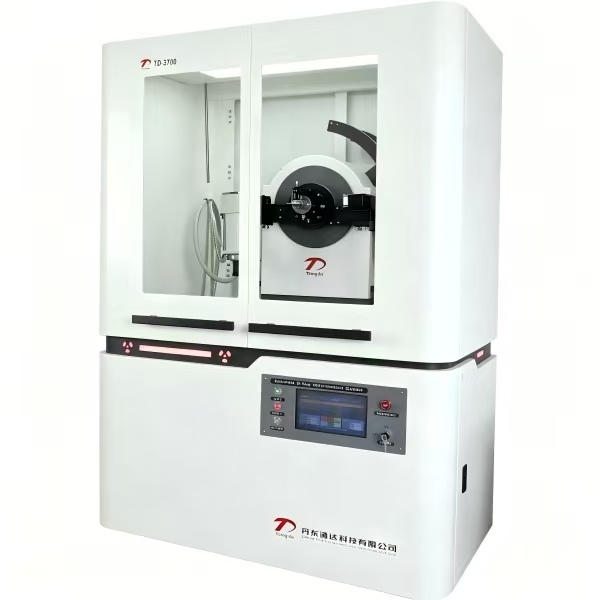
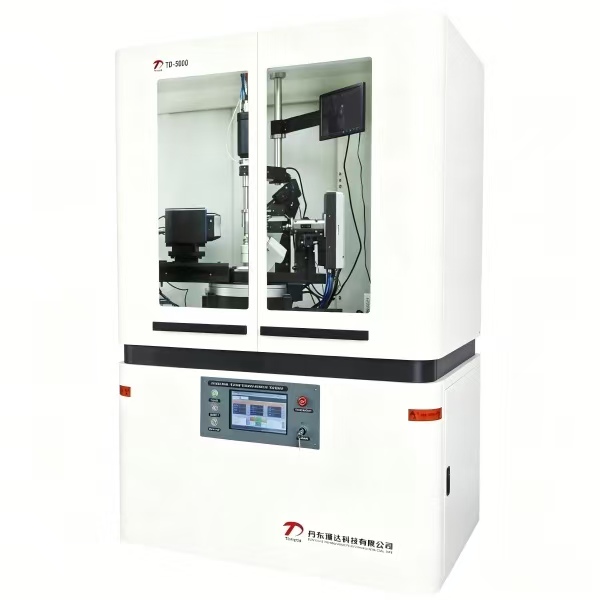
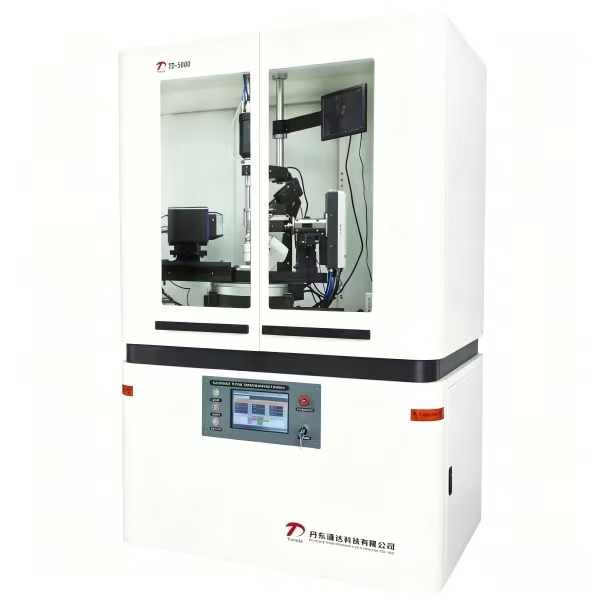
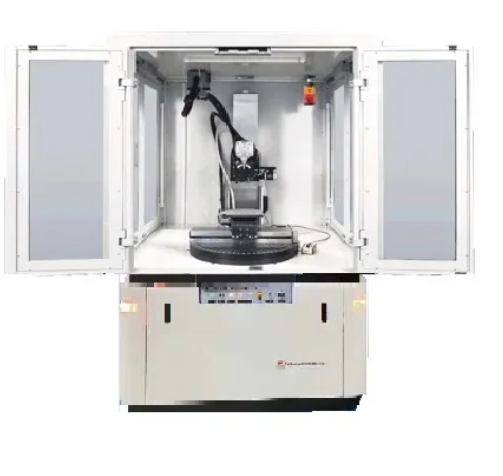
X-ray diffraction (XRD) is an experimental instrument widely used in materials science, chemistry, biology, geology, and other fields. Its application scenarios are very extensive. Below are some specific examples:
Materials Science Research:
X-ray diffractometers are one of the most important tools in materials science. By using XRD, scientists can study the crystal structure, phase transformation processes, and texture of materials, as well as further investigate their physical and chemical properties, providing strong support for the development of new materials.
Chemical Analysis:
XRD can be used in chemical analysis for the qualitative or quantitative analysis of organic, inorganic, and polymer compounds. Through X-ray diffraction, information such as molecular structure and chemical bonds can be obtained, which helps in studying reaction mechanisms and chemical engineering processes.
Biological Research:
XRD is also widely used in biology. For example, it can be used to study the three-dimensional structure of proteins, helping to understand their functions and mechanisms of action. Additionally, it can be used to investigate the structure and properties of microorganisms such as viruses and bacteria.
Geological Research:
In geology, XRD can be used to study the crystal structure and composition of minerals. By analyzing diffraction patterns, researchers can determine the crystal structure, lattice constants, and other information, providing important assistance for geological research.
Other Applications:
Furthermore, XRD is used in pharmaceutical development to identify drug polymorphs, in archaeology to analyze artifact compositions, and in industry for quality control and residual stress measurement. Its non-destructive, high-precision, and rapid analysis features make it an indispensable analytical tool in both laboratories and production lines. With the development of synchrotron radiation sources and two-dimensional detector technology, the spatiotemporal resolution of X-ray diffraction continues to improve, further expanding its potential for in-situ dynamic studies.
Conclusion:
In summary, the X-ray diffractometer is a very important experimental instrument, playing a significant role in materials science, chemistry, biology, geology, and other fields. Its broad range of applications provides essential means and methods for scientific research.With ongoing technological advancements, XRD will continue to drive new discoveries and innovations across these disciplines.