
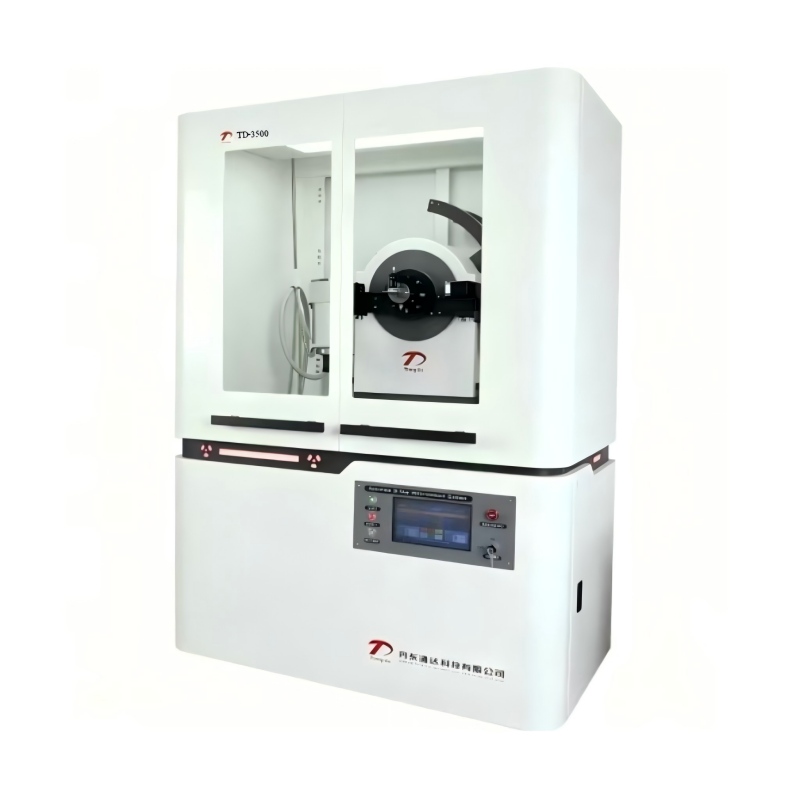
X-rays are a type of short-wavelength electromagnetic radiation, between ultraviolet and gamma rays, that was developed by the German physicist W.K. It was discovered by Roentgen in 1895, so it is also called Roentgen rays. X-raysmainly include continuous X-rays and characteristic X-rays, the respective principles are described as follows:
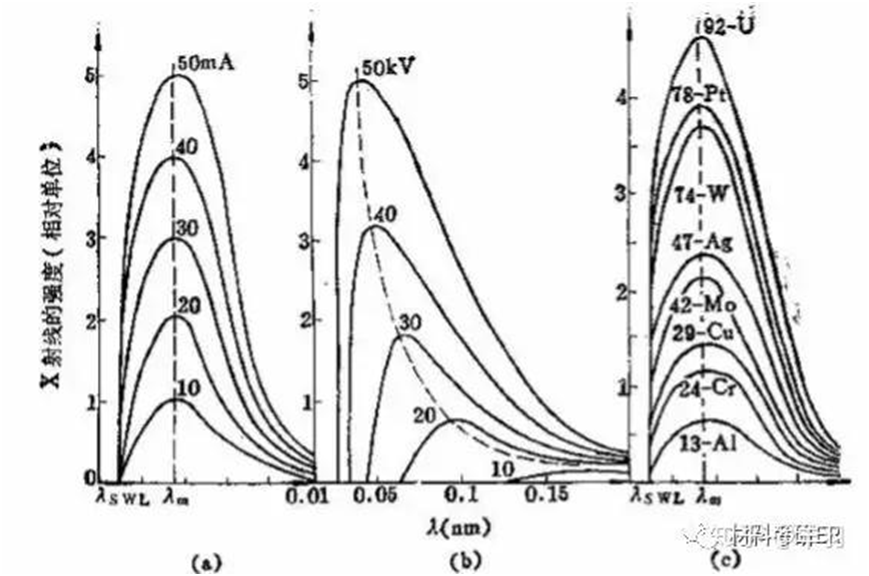
High-speed electrons collide with target atoms, their motion is hindered and slowed down, and part of the lost energy is radiated in the form of continuous X-rays, which are not of a single wavelength (monochrome), but contain many different wavelengths of X-rays, as shown below:
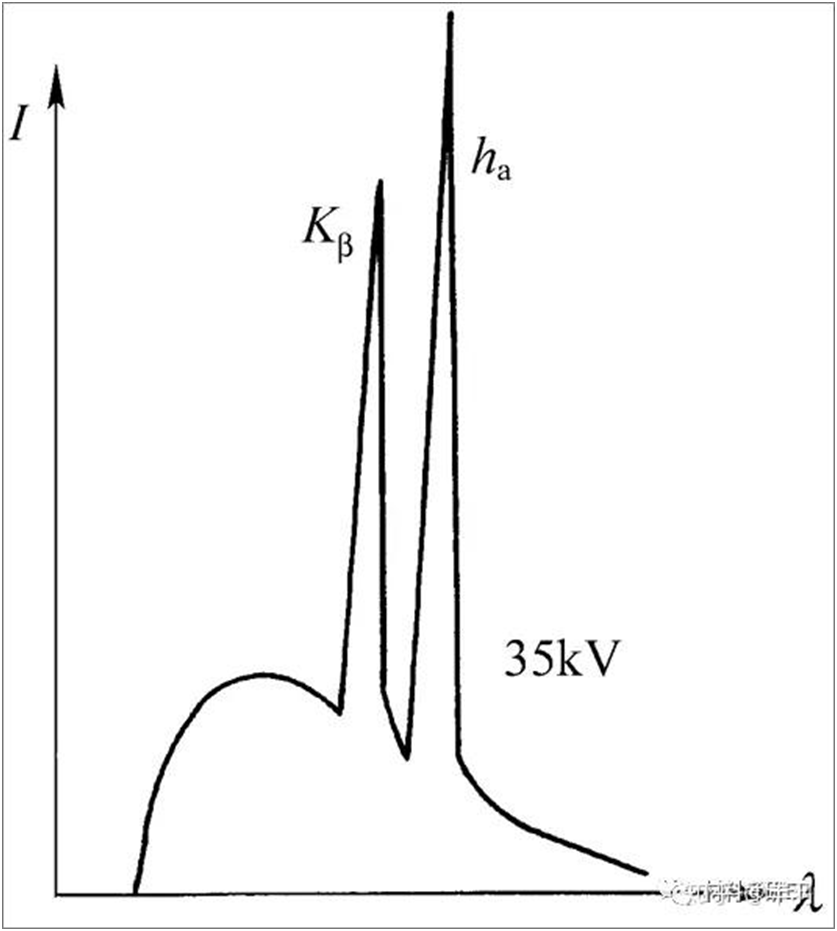
High-energy electrons knock out an inner layer electron of the target atom, and the process in which each outer layer electron transitions to the inner layer and radiates X-ray photons is the characteristic X-ray emitted. Since atoms of different elements have different energy levels, they can only radiate electromagnetic waves with specific wavelengths, that is, they have characteristics, as can be seen from the following figure. Characteristic X-ray spectrum is the addition of specific wavelength diffraction peaks on the basis of continuous X-ray spectrum.
X-ray diffraction technique (XRD)
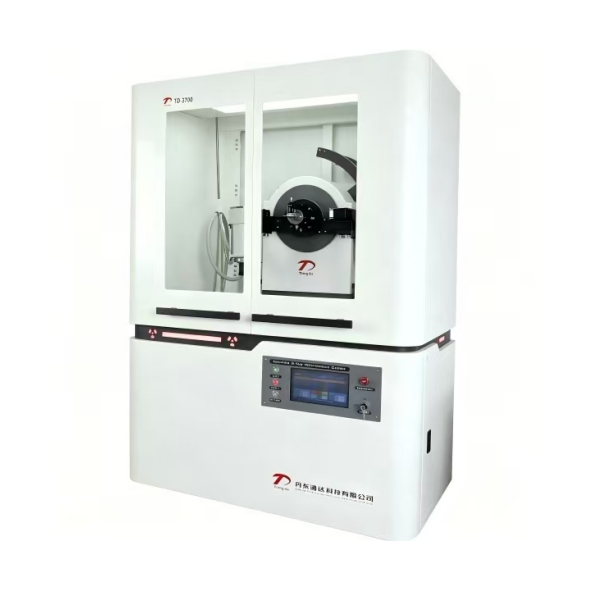
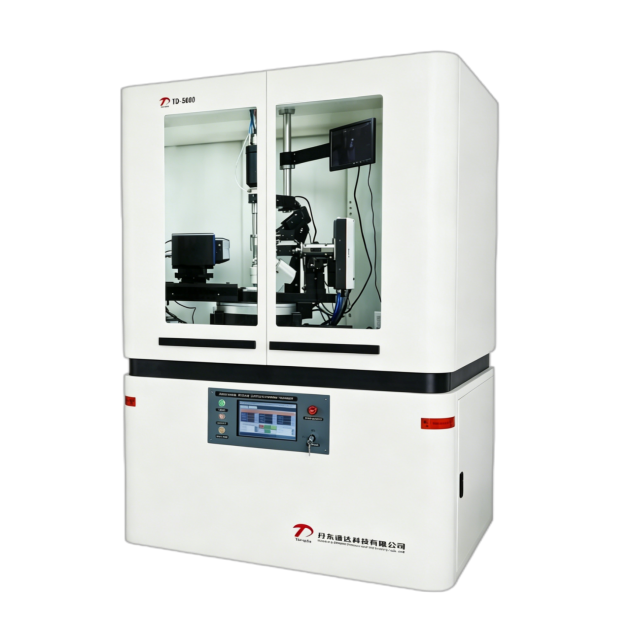
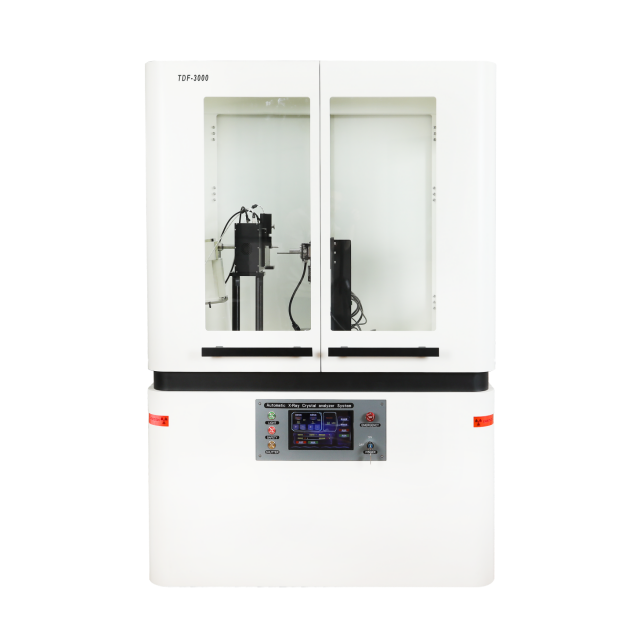
Diffraction method is the most common X-ray diffraction method, its principle is not required to master, the solid powder or bulk solid into it, after setting the rotation Angle, the computer will appear with the strength as the vertical coordinate, 2θ (where θ is Bragg Angle) as the horizontal coordinate of the graph line, and then automatically match the type and content of its phase.
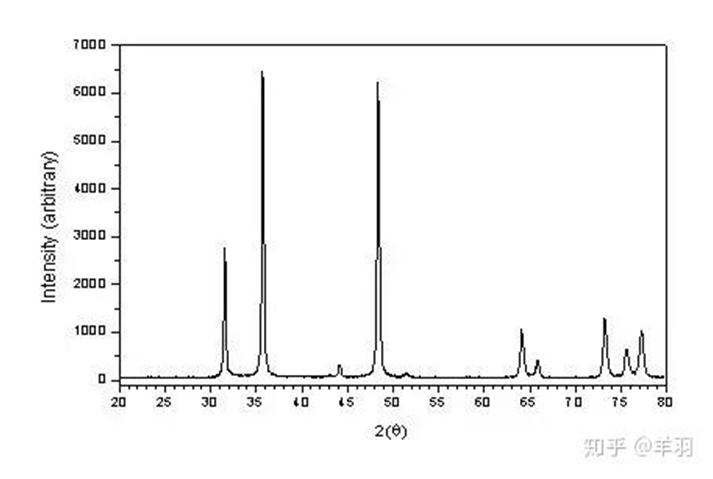
Compared with the diffraction pattern of each phase in the database, it can be found that the sample contains several phases, which should be noted that the same phase in order to identify whether it is a single crystal or a polycrystal, generally according to the width of the peak qualitative analysis, compared with a single crystal, the peak of the polycrystal is wider, not as sharp as a single crystal.
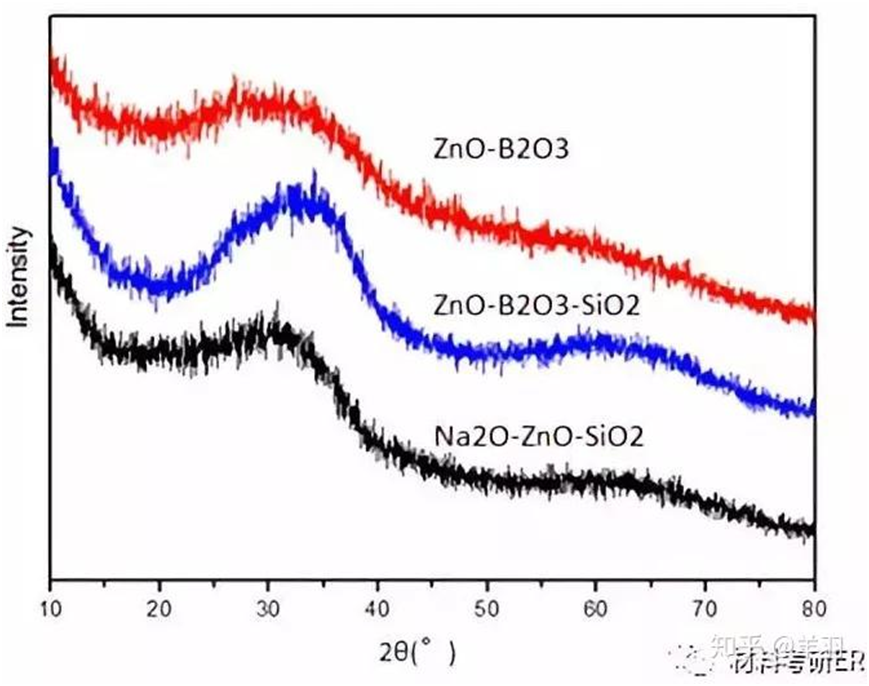
For non-crystal, its XRD diffractometer pattern is as shown in the following figure: