



- Home
- >
News
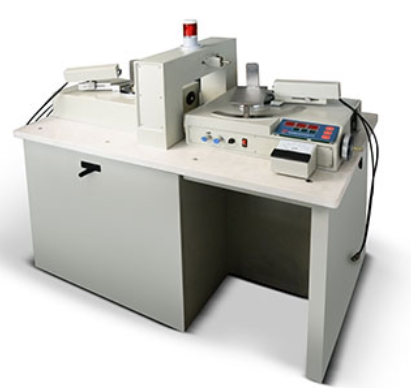
X-ray crystal orientation instruments require strict safety (protective gear, shielding), proper calibration, careful sample prep, precise operation (warm-up, parameter setting), and regular maintenance to ensure accuracy and longevity.
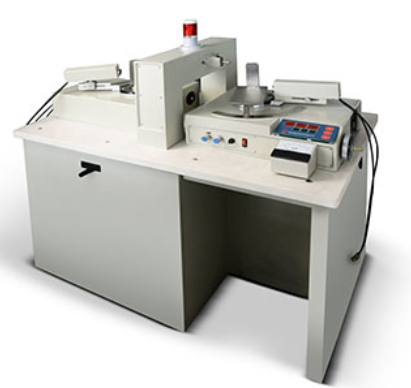
X-ray crystal orientation results depend on three key areas: instrument performance including resolution sensitivity linearity and stability; sample characteristics such as crystal quality size and surface flatness; and environmental conditions like temperature humidity vibration and magnetic fields.
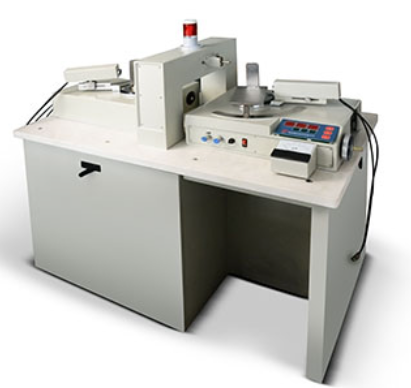
Master X-ray crystal orientation instrument calibration through systematic steps: equipment inspection, standard sample preparation, precision alignment, data acquisition, and iterative verification. This ensures optimal performance and measurement accuracy.
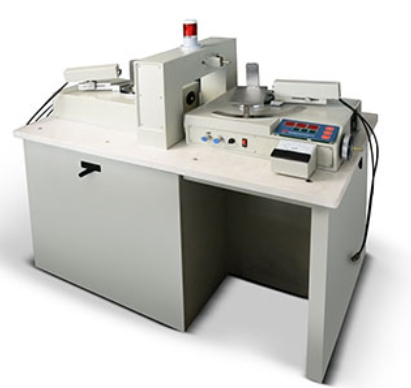
X-ray crystal orientation analyzers are vital for developing high-performance optoelectronic materials like those in LEDs and solar cells. They enable precise control of crystal structure during growth and thin-film production, ensuring optimal quality. Essential for R&D, they bridge fundamental science and industrial manufacturing, supporting innovation in next-generation devices.

Dandong Tongda's X-ray crystal orienters (±30 arcsec accuracy, 30kg load capacity) deliver precise orientation for piezoelectric, optical, laser, and semiconductor crystals. With specialized models and sample stages, these systems support global crystal research and manufacturing, earning international recognition for Chinese precision instruments.
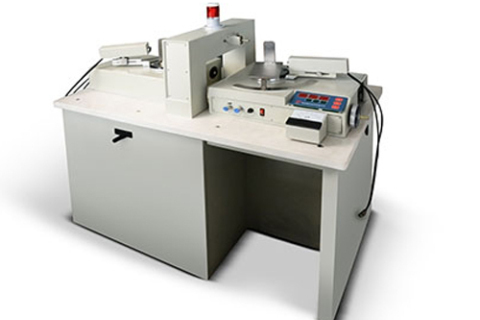
Using the principle of X-ray diffraction, the cutting Angle of natural and artificial single crystals is accurately and quickly determined, and the cutting machine is equipped for directional cutting of the said crystals.