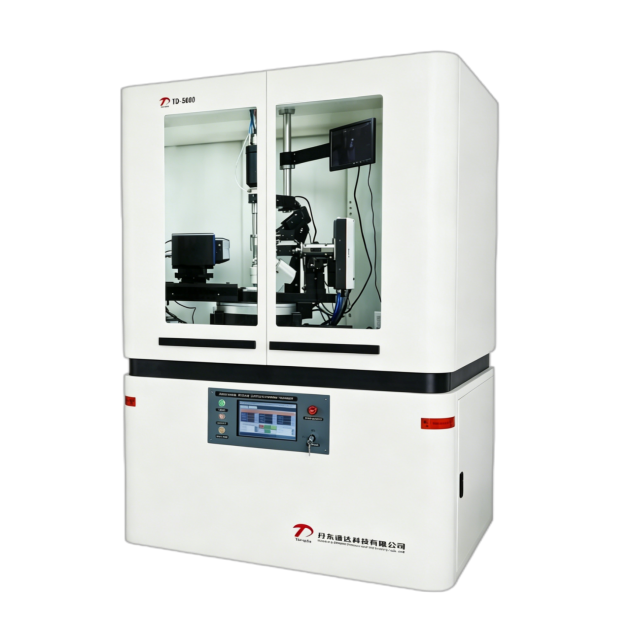
The TD-5000 X-ray single crystal diffractometer is mainly used to determine the three-dimensional spatial structure and electron cloud density of crystalline substances such as inorganic, organic, and metal complexes, and to analyze the structure of special materials such as twinning, non commensurate crystals, quasicrystals, etc. Determine the accurate three-dimensional space (including bond length, bond angle, configuration, conformation, and even bonding electron density) of new compound (crystalline) molecules and the actual arrangement of molecules in the lattice; Single crystal X-ray diffractometer can provide information on crystal cell parameters, space group, crystal molecular structure, intermolecular hydrogen bonding and weak interactions, as well as structural information such as molecular configuration and conformation. Single crystal XRD is widely used in analytical research in chemical crystallography, molecular biology, pharmacology, mineralogy, and materials science. The single crystal diffractometer adopts the four circle concentricity technique to ensure that the center of the angle measuring instrument remains unchanged regardless of the rotation, achieving the goal of obtaining the most accurate data and obtaining higher integrity. Four circle concentricity is a necessary condition for conventional single crystal scanning. The company's technical personnel have completed the installation and debugging of the foreign single crystal X-ray diffractometer, and the test results have greatly satisfied foreign users. At the same time, the functionality, stability, and after-sales service of the instrument have received unanimous praise from foreign users.
EmailMore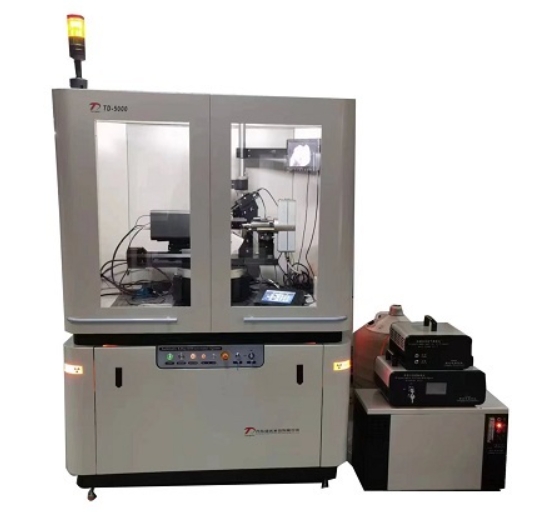
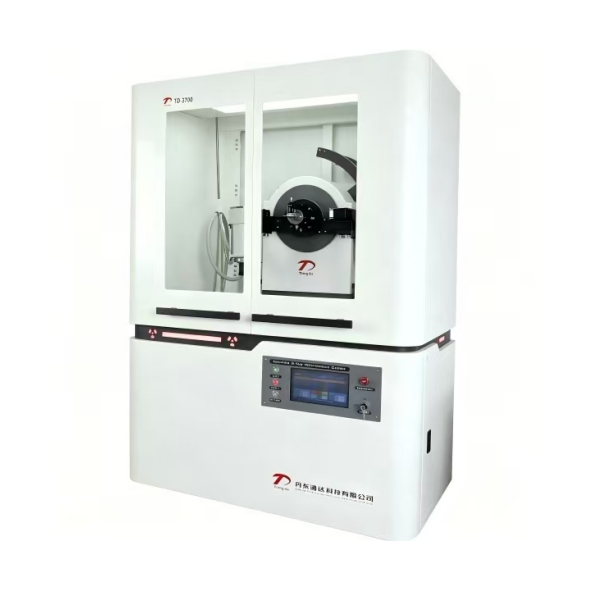
A high-precision X-ray single crystal diffractometer designed specifically for materials science research, crystal structure analysis, and industrial quality control. It utilizes the diffraction effect generated by the interaction between X-rays and single crystals to provide users with detailed crystal structure information by accurately measuring diffraction angles and intensities, thereby revealing the microstructure and properties of materials.
EmailMore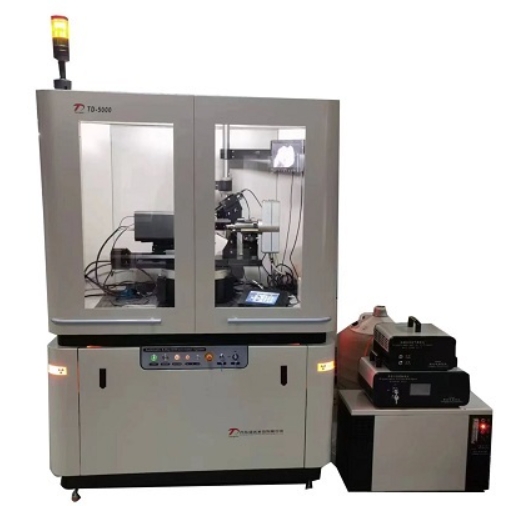
X-ray tubes specifically designed for analytical instruments: 1. There are various types of target materials: different target materials can be selected according to different analysis needs, such as tungsten, copper, cobalt, iron, chromium, molybdenum, titanium, etc. These target materials can generate X-rays with different characteristics to adapt to the analysis of various substances. 2. Rich focus types: There are multiple focus types to choose from, such as fine focus, which can meet the testing requirements of different resolutions and accuracies. For example, fine focal points of 0.2 × 12mm ², 1 × 10mm ², or 0.4 × 14mm ² can help improve the accuracy and precision of analysis. 3. High output power: A high output power can ensure that the X-ray tube has sufficient energy to excite the sample during operation, thereby obtaining clear analysis results. The output power of some specialized X-ray tubes can reach 2.4kW or 2.7kW. 4. Special structural materials: corrugated ceramic tubes, metal ceramic tubes, glass tubes and other materials are used, which have good high temperature resistance, corrosion resistance and radiation resistance, ensuring stable operation of X-ray tubes in complex working environments. At the same time, these materials also help improve the heat dissipation performance of X-ray tubes and extend their service life. 5. Customized services: Customers can customize according to their specific needs, including the design, configuration, and anode materials of the radiation tube, to meet specific analysis requirements. 6. High reliability: The X-ray tubes used by Dandong Tongda Technology Co., Ltd. ensure a reliable supply of X-ray tubes, ensuring the continuous provision of high-quality X-ray tubes during the instrument's service life and reducing instrument downtime caused by tube failures. 7. Widely applicable: Suitable for various models of XRD (X-ray diffractometer), XRF (X-ray fluorescence spectrometer), crystal analyzer, orientation analyzer and other analytical instruments at home and abroad, as well as industrial fields such as non-destructive testing, inspection, measurement, etc. In summary, X-ray tubes specifically designed for analytical instruments have the characteristics of diverse target materials, rich focal points, high power, special structural materials, customizability, high reliability, and wide applications. These features enable them to meet the analysis needs of various complex substances and are widely used in scientific research, industry, and other fields.
EmailMore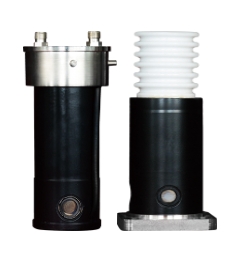
X-ray absorption fine structure spectrometer is a powerful tool for studying the local atomic or electronic structure of materials, widely used in popular fields such as catalysis, energy, and nanotechnology. XAFS core advantages: Highest luminous flux product: Photon flux exceeding 1000000 photons/second/eV, with spectral efficiency several times higher than other products; Obtain data quality equivalent to synchrotron radiation Excellent stability: The stability of monochromatic light intensity of the light source is better than 0.1%, and the energy drift during repeated collection is less than 50 meV 1% detection limit: High luminous flux, excellent optical path optimization, and excellent light source stability ensure high-quality EXAFS data is obtained even when the measured element content is>1%。
EmailMore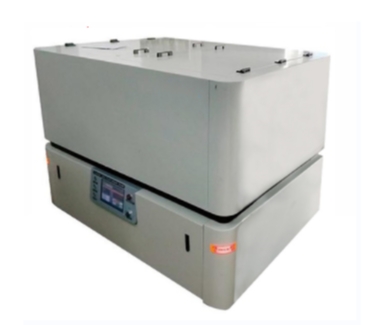
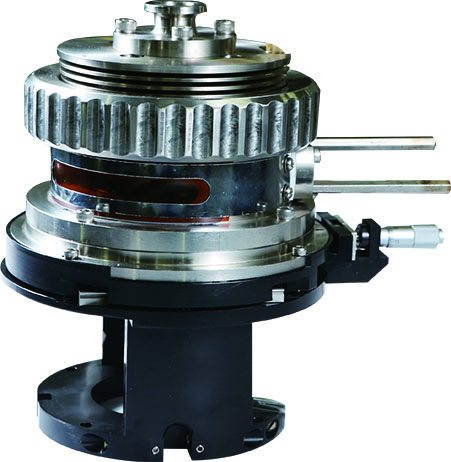
The in-situ battery accessory is a component of the X-ray diffractometer accessories.In situ battery accessories are widely used in electrochemical systems containing composite materials such as carbon, oxygen, nitrogen sulfur, and metal inserts. Test range: 0.5-160 degrees Celsius Temperature resistance: 400 ℃ Beryllium window (polyester film) size: diameter 15mm (customizable); Thickness 0.1mm (customizable) Dandong Tongda Technology Co., Ltd. is a professional manufacturer of X-ray diffractometers、Wholesaler of X-ray directional analyzer、Wholesaler of X-series X-ray crystal analyzer。
EmailMore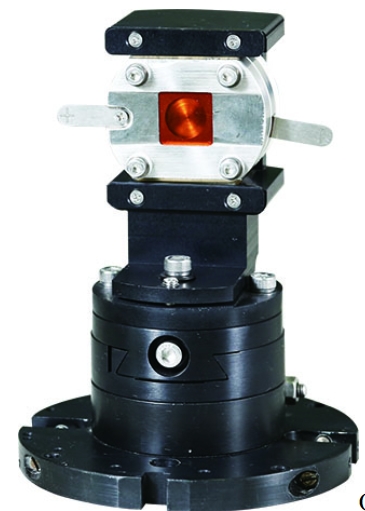
The NDT non-destructive testing instrument is a small X-ray generator with an anode grounded and forced cooling by a fan; Dandong Tongda Technology's customized wholesale non-destructive testing instruments are lightweight, easy to carry, and easy to operate; Portable welding seam X-ray machine non-destructive testing instrument works and rests in a 1:1 ratio; Radiographic testing equipment: aesthetically pleasing and structurally sound; NDT non-destructive testing instruments are: delayed exposure to ensure operator safety; The main purpose of NDT non-destructive testing equipment is to inspect the processing and welding quality of materials and components such as ship hulls, pipelines, high-pressure vessels, boilers,aircraft,vehicles, and bridges in industrial sectors such as national defense,shipbuilding, petroleum,chemical,mechanical,aerospace,and construction,as well as internal defects and the inherent quality of various light metals, rubber, ceramics, etc.
EmailMore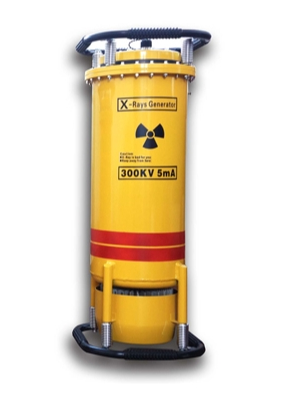
Dandong Tongda Tech launches a high-precision, multifunctional integrated measuring attachment for material analysis. It enables crystal phase, orientation, and stress testing on metals, ceramics, and thin films, supporting R&D in semiconductors and new energy.
EmailMore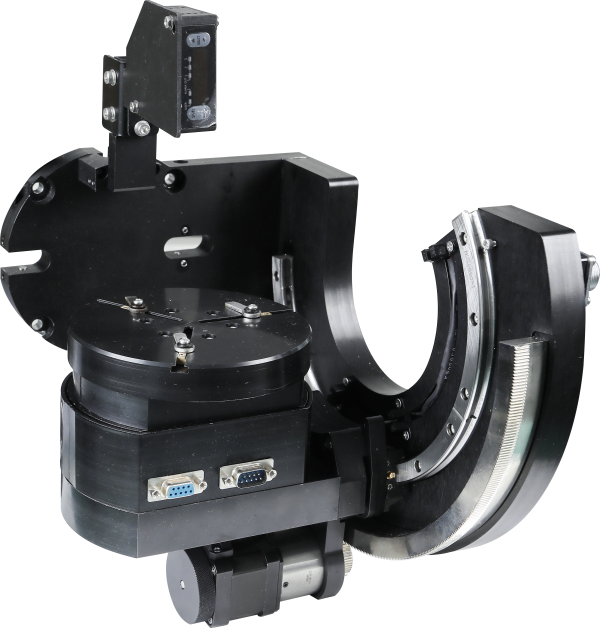
Dandong Tongda's high-precision rotary sample stage solves "preferential orientation" in X-ray analysis, ensuring data accuracy. With precise rotation (1-60 RPM, 0.1° step) and robust design, it offers reliable performance for diverse applications. Customizable solutions support global research and industrial needs.
EmailMore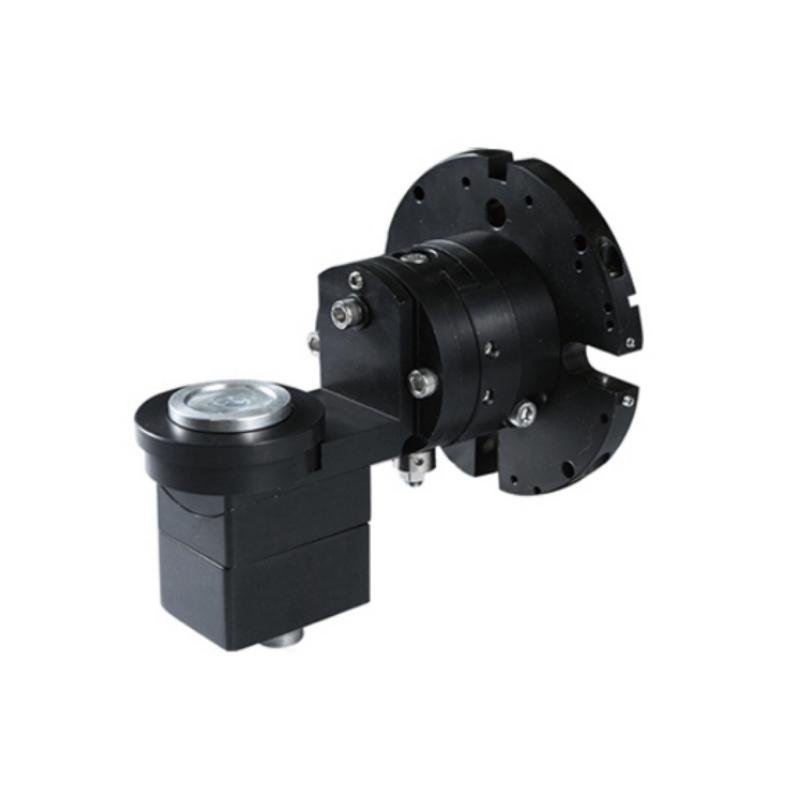
Dandong Tongda's X-ray diffractometers feature imported PLC control systems ensuring stable operation and reduced failure rates. Key advantages include: high-power X-ray generation, modular design for easy maintenance, advanced safety protocols, 0.0001° precision goniometer, and compatibility with international data standards. The systems support diverse sample types and come with comprehensive accessories.
EmailMore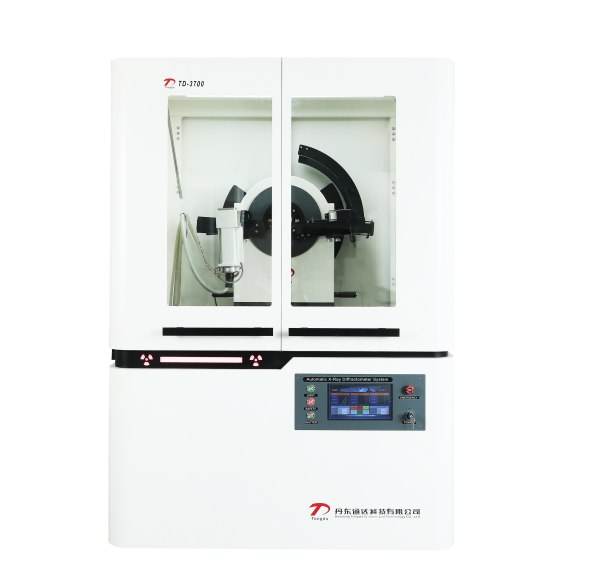
In order to understand the changes in crystal structure during low-temperature refrigeration processes.
EmailMore